Reflection on Year 1

Now that our first year of teaching the new curriculum is coming to an end, it is time for some critical reflection: What should we keep the same, and what should we change for next year?
I have a few thoughts on my own practice, and I have also reviewed our site for some of John’s ideas, as well as questions many of you have shared. Please keep those excellent questions coming!
Keep the same
Occasionally, I felt overwhelmed by the different threads that had to be woven into our psychological understanding. However, as the year has progressed, I have become convinced that an integrated approach can work very well, and the students have generally been highly engaged in their learning.
Therefore, I will continue to integrate approaches (content) and concepts within the contexts, using the contexts as the framework for the course. I will also continue to incorporate everyday examples whenever possible. This is an applied psychology course, so it is essential to make the material as relevant as possible to our students’ lives.
However, with some reflection, there are several strategies that I would consider changing.
Integrated learning: Research methods and contexts
After a few “Introduction to Psychology” exercises, I would plunge straight into the Learning and Cognition context, rather than spending several lessons on research methods and concepts as I did this year. This could be framed around the question, “How can we measure learning?” and would introduce the experimental method, the associated vocabulary, and the concepts of bias, causality, and measurement.
While the content would mainly come from the cognitive approach, I would also use this context to introduce concepts such as localization of function, neuroplasticity, brain-imaging techniques, and the use of animal research in the study of spatial memory. This would provide students with a solid foundation, and there are many engaging activities that could support their learning throughout the unit.
Learning about research methods outside the contexts in which they are applied is far less engaging and does not align well with the goals of an applied psychology approach.
Structured learning: Class practicals
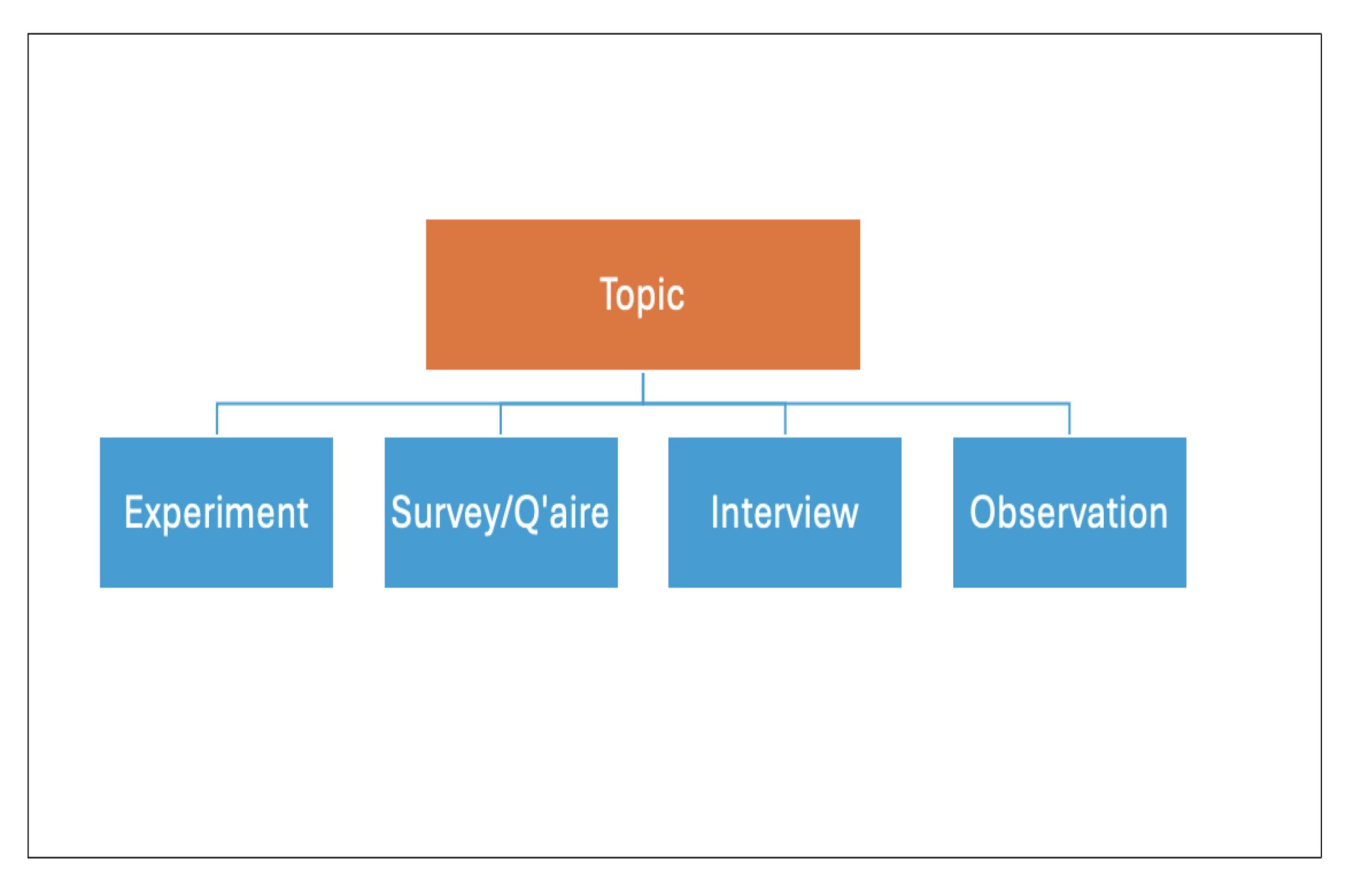
Since the revisions published in the December 2025 version of the IB Psychology guide, it is clear that the easiest way to organise the class practicals is around one overarching topic. We have included some suggestions here, and because I am beginning with Learning and Cognition, I will likely choose either “The Effects of Technology on Learning” or “Improving Our Study Habits.”
After completing the experiment as a teacher-led class practical, students would then consider other methods of measuring the effects of technology on learning or the impact of improved study habits. This would provide a brief introduction to “watching people” (the different types of observation) and “asking questions” (surveys, questionnaires, and interviews).
Transfer of learning: Concepts

This year, I did not place enough emphasis on the overlap and interaction between concepts, nor on how easily they can be transferred and applied across different contexts. Next year, we will begin our second context, Human Relationships, by exploring how the three concepts introduced in Learning and Cognition can be applied in this new area. Bias in measurement and the difficulty of demonstrating causality in human relationships research will provide strong starting points. This will also be the stage at which I introduce the survey/questionnaire method in greater detail.
I will then introduce the three concepts we have not yet explored in depth: perspective, responsibility, and change. Perspective can be examined through different explanations of interpersonal relationships, as well as through the emic and etic approaches. Responsibility and change are also central to the study of human relationships, particularly when considering how individuals influence their own behavior and the behavior of others.
Once we have completed the Human Relationships context and move on to either Human Development or Health and Well-Being, we will then examine how perspective, responsibility, and change can also be applied within these new contexts.
Applied learning: Everyday examples
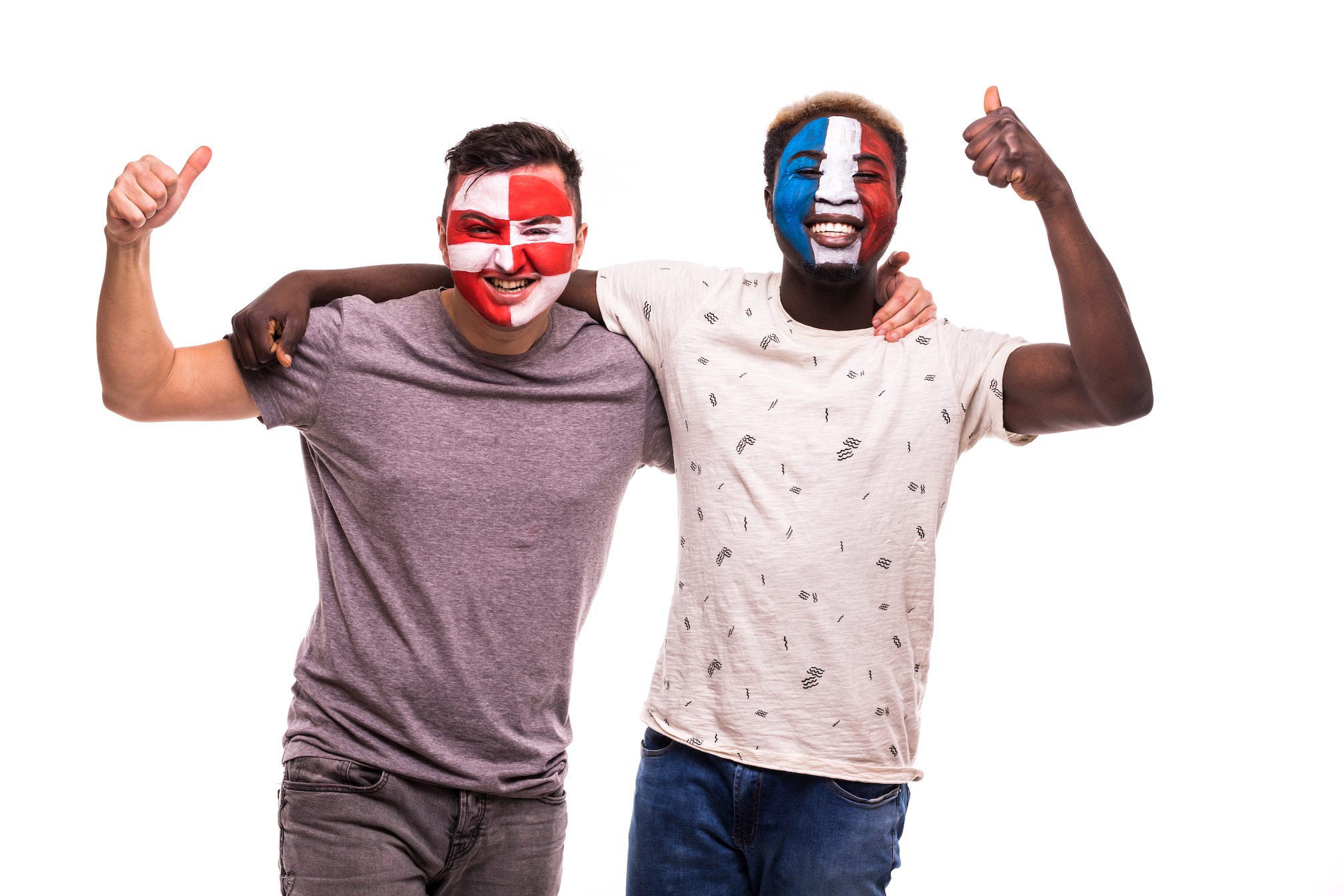
At times, I struggled to come up with quick, relevant examples of behaviour to which concepts or content could be applied, or that would effectively illustrate a theory. In addition to using the FT online blog posts, I will encourage students to apply what they are learning to everyday examples from their own lives. They can bring these examples to class, and we can discuss and analyse the ideas together.
To support this, we will need a teacher- and student-created “ideas bank.” Possible examples might include sports fans’ behaviour in relation to social identity theory, changing bullying behaviour through social learning theory, or explaining substance dependence through classical conditioning and its treatment through operant conditioning.
Studies may still be used, but I intend to limit them to those that are more memorable or accessible than everyday examples, such as Eleanor Maguire’s work on localization of function and spatial memory, or Helen Fisher’s research on the role of chemical messengers in falling in love.