Back to skinny?
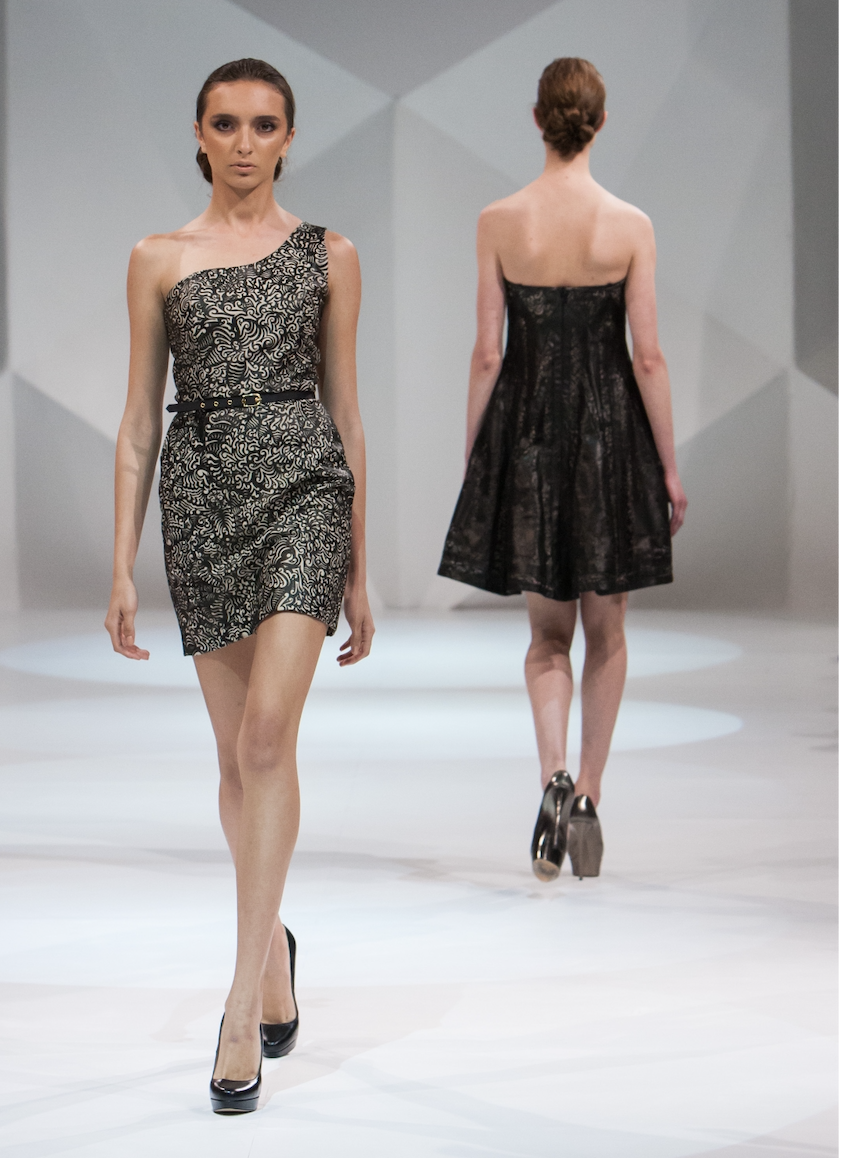 If you visit the FT online and sign up yourself and your students for free access to FT articles, you will find many discussions related to group behavior, health and well-being, and other topics relevant to your psychology course. This blog explores the possibility that ultra-thin models may be contributing to renewed anxiety among young women about body shape and size. It is advisable to review the original article first to ensure the content is appropriate for your class.
Fashion and body shape
The FT article examines how this year’s fashion shows have shifted away from body positivity and back toward the emphasis on extreme thinness that characterized many shows in earlier years. The strongest connection to the IB Psychology course is through the topics of health and well-being and eating disorders, while the concept of change is also highly relevant.
Students should follow the link to read How fashion veered back into idealizing skinniness and then access the FT school psychology class article to answer the accompanying questions. Suggested questions and teacher answers are provided below.
Questions
- The author identifies several reasons for the shift away from slightly larger fashion models and back toward very thin models. Name three of these reasons.
Possible answers include: nostalgia for the Y2K era (the fashion trends of the late 1990s and early 2000s); the growing accessibility of GLP-1 weight-loss drugs; social media algorithms promoting a standardized ideal of thinness, particularly to young women; online influencers and fashion brands profiting from this trend; and a backlash against the perceived “wokeness” associated with body positivity.
2. The study investigating Tiktok, which is also linked in the FT article, analyzed more than one million TikTok videos delivered over a one-month period to individuals with eating disorders and to healthy control participants. What did the researchers find, and how is this relevant to the article?
The researchers found that TikTok algorithms delivered 4,343% more toxic eating disorder-related videos to users with eating disorders than to the healthy control group. Users in the eating disorder group were also shown 335% more dieting videos and 142% more exercise videos, with some receiving more than 1,000 such videos per month. In addition, users in the eating disorder group were 23% more likely to “like” dieting-related content, which then led the algorithm to deliver even more similar videos.
This is relevant to the article because it suggests that social media algorithms may reinforce and intensify unhealthy body ideals and eating-related behaviors, contributing to the renewed cultural emphasis on extreme thinness discussed in the fashion industry article.
3. The author argues that the prevalence of extremely thin models in this year’s fashion shows reflects a shift away from diversity in body shape and size. However, not everyone quoted in the article agrees with this interpretation. Towards the end of the article, several commentators offer alternative perspectives. Summarize the argument of one of these commentators.
Possible answers include:
- Charlotte Markey, a psychology professor, argues that the preference for thinness never truly disappeared and continued to exist beneath the body diversity and inclusivity movement of the 2010s.
- Heather Widdows, a philosophy professor, suggests that body diversity was only a temporary distraction from the ongoing cultural pressure toward thinness. She also argues that the ideal body is not only thin but also “toned,” creating the expectation that everyone should continually work on improving their bodies.
- Ysabel Gerrard, an author, argues that the “Kardashian body” trend was never genuinely liberating because it still imposed strict and restrictive beauty standards, similar to the current emphasis on extreme thinness.
4. Do you agree that the “body positivity” movement was only a temporary trend, or do you think the current push toward ever-greater thinness is itself just another trend? Looking ahead five years, what changes, if any, would you predict in attitudes toward male and female bodies?
Students may answer this question freely. Responses may include predictions of continued emphasis on thinness and a possible rise in eating disorders among females; increasing disinterest in body trends altogether; a pushback from both males and females against narrow body ideals; or a shift toward valuing “fitness” and physical strength rather than simply thinness.
5. What is meant by the “business of skinny”?
Businesses make enormous profits from products and services related to dieting and body image, including diet foods and drinks, diet pills, weight-loss injections, websites, magazines, and commercial franchises. Students will likely be able to think of many additional examples.
6. Historical examples of the “business of skinny” are discussed in the article. Describe one current example of this industry.
One example is online influencers who are paid by companies to promote dieting products and weight-loss trends on social media platforms. Students may identify many other valid examples.
7. There are many different viewpoints presented in the article about the apparent shift back toward “fashionable” thinness. Explain your own reaction to the article and/or your opinions about this change in fashion trends.
This question should encourage small-group discussion that can later be shared with the class. The images included in the original article may also be used to stimulate conversation and debate.
References
Griffiths, S., Harris, E.A., Whitehead, G., Angelopoulos, F., Stone, B., Grey, W. & Dennis, S. (2024). Does TikTok contribute to eating disorders? A comparison of the TikTok algorithms belonging to individuals with eating disorders versus healthy controls, Body Image (51), 101807. https://doi.org/10.1016/j.bodyim.2024.101807
Jacobs, Emma, 11 May2026. How fashion veered back into idealising skinniness. FT Online. https://www.ft.com/content/5ffbec7d-9668-4d4a-a8b6-c4d2e4f52958?syn-25a6b1a6=1