Banning social media use

Now we are in the New Year of 2026, some of us will have made resolutions that might (or might not) last until at least February. My resolution is to switch off my social media reminders on my computer and put my phone on silent, so I am not continually distracted while writing items like this blog post! In December, the Australian government banned social media use for under-16s, which is also considered in this post.
Digital detox or not?
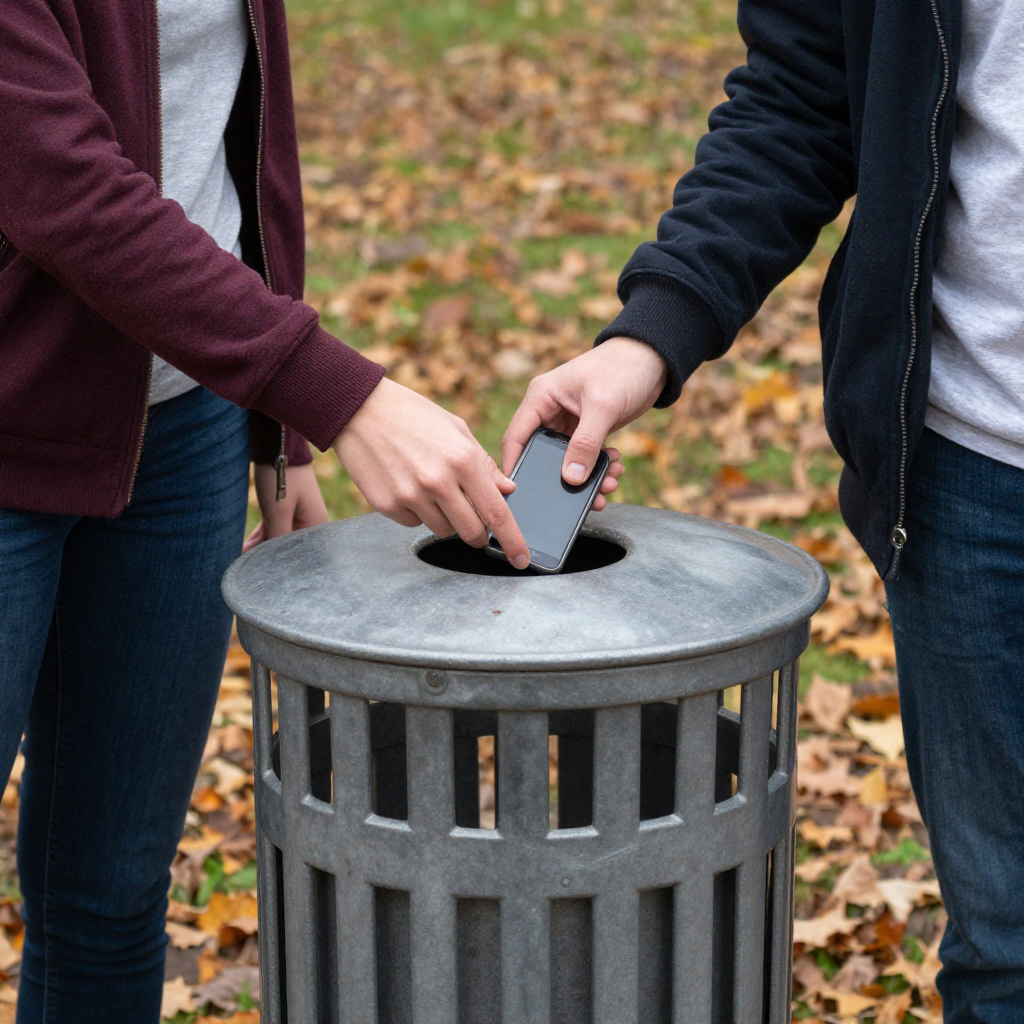
The use of social media is a topic that is debated continually, especially its use by teenagers in schools and its influence on their learning. Recent research is needed to keep on top of the debate, and if you visit FT online and sign your students and yourself up for free access to FT articles, you will find plenty of discussion on this and other relevant topics for your psychology course. This week's post is more about how social media can be addictive, time-wasting and pose risks to children, and possible responses to this.
The FT online original article for this month is Is it time for a digital detox? The road to self-improvement starts here (9 January 2026). This is supported by two other FT articles that are linked in the last question.
My FT online article relates this mainly to the HL extension of technology and learning, though it is also relevant to environmental influences in learning and cognition. While I have used bias as the relevant concept, there are clear connections to perspectives on social media and smartphone use, and to how to change behaviour.
Suggested responses
1. The author gives two reasons why a digital detox in the New Year is a good idea. What are they?
It’s cheaper and less effort that joining a gym, and it can easily be reversed when you no longer want to do it. (Also, students may suggest “It costs nothing.”)
2. Give one quote from the first two paragraphs that shows he is only half serious about his suggestion.
Either “It’s easily reversed once your determination weakens” or “If it’s a new year’s digital detox, then this would indeed seem to be the moment to start, especially so if you need to be back online by February.”
3. What justification does the author give for not recommending a full digital detox?
4. He writes about the dangers of social media, especially TikTok. To what extent do his beliefs about social media either support or undermine his argument for a digital detox?
He shows that he believes that social media is addictive, and doubts his ability to fight this addiction. This is shown in the first section of the article where he admits that it would be difficult to conduct a new year digital detox for longer than a month. The arguments he gives above support his argument for a digital detox, but not the stronger version, as the arguments are all focused on the harms of social media only.
5. In psychology, one of the relevant concepts is bias. Identify some examples of bias in this article.
Confirmation bias – the article starts from the viewpoint that time spent online, especially time spent on social media, is wasted and that some sites can be “toxic.” Hence the “digital detox” title. Although the title is a question, most of the evidence produced suggests the answer is “Yes, it is time for a digital detox.”
Selection bias – The author chooses examples that back his viewpoint, employing emotive language and sarcasm to portray social media, particularly TikTok, as largely harmful and time-consuming. He contrasts this with moderate technology use, presenting it as sensible and superior.
Bias against the resolution to “digitally detox”, by suggesting it is almost bound to fail and those who give in lack self-control. A bias towards cynicism regarding New Year’s resolutions in general.
6. Click on the following links
- A detailed explanation of the Danish and Australian governments’ approaches to social media.
- An article about the unintended consequences of the Australian ban
Use the material from these articles and the original to construct a one paragraph argument either for or against banning social media use for those under 16 years old.
For banning
Students should include at least some of the following:
Original article
- Algorithms on sites like TikTok supply harmful material on the strength of a glance at a page.
- Social media is time-wasting.
Article on Australian ban
- If tech companies won’t protect children from harmful content, then it is the government’s responsibility.
Article on Danish plans
- Tech companies have not done enough to reduce danger.
- Children are at risk of “online bullying and offline violence.”
- A recent report was quoted as showing that social media is “fuelling pornography, misogyny and online harassment.”
Against banning
Students should include at least some of the following:
Original article
- The author does not say much positive regarding social media, though admits he needs X and Bluesky for his work.
Article on Australian ban
- The December 2025 ban on popular sites like TikTok and Instagram has already forced young people onto alternative sites, pushing social media use “underground”.
- This is just one of the possible negative consequences of an outright ban.
Article on Danish plans
- There are some benefits to social media.
- The current anxiety could just be an example of a response to the type of moral panic that accompanies any new technology.
- The use of social media could have passed its peak in many countries
References
Fildes, Nic (13 December, 2025). Australian users flock to new platforms after social media use ban for under-16s, Financial Times online, Accessed 10 January, 2026 at https://www.ft.com/content/c901bac6-6b7f-4e7b-85e3-93df19f9270b
Shrimsley, Robert (9 January, 2026). Is it time for a digital detox? The road to self-improvement starts here, Financial Times online, Accessed 10 January, 2026 at https://www.ft.com/content/d9a2311c-de05-4c2e-9884-1aadf839c264
Thornhill, John (13 November, 2025). Tackling social media’s ‘monster’ problem, Financial Times online, Accessed 10 January, 2026 at https://www.ft.com/content/7282adcb-a107-479f-aca3-ef1b20103cba