Updating the animal research debate
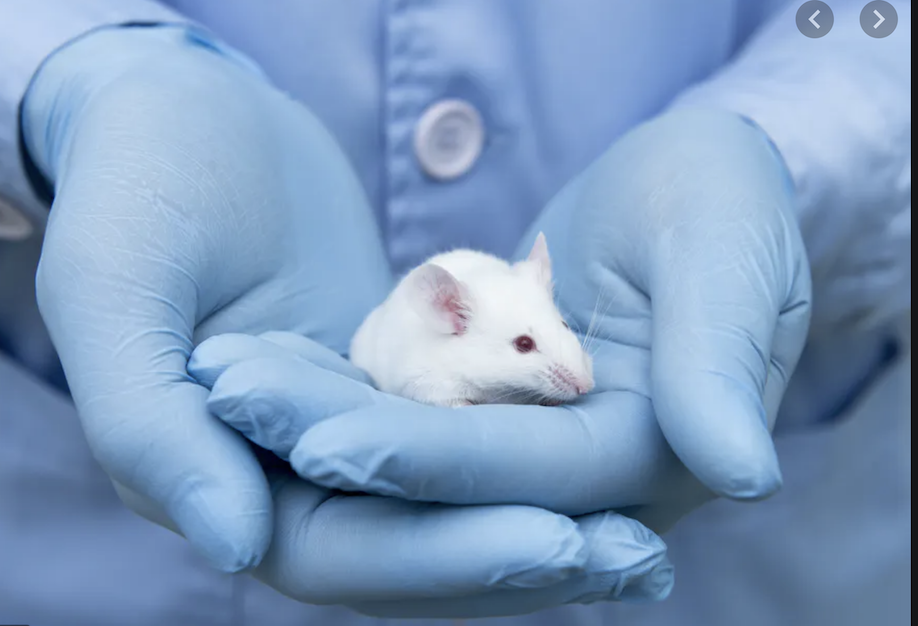
The debate about the responsible use of animals in research has moved on since the use of animals for research in developing beauty products was banned. Now, politicians are discussing if the use of animals in medical research can also be ended as soon as possible. This argument is relevant to psychology and provides good material for an up-to-date, high-interest classroom debate about such use.
Stimulus for debate

The Guardian recently ran an editorial supporting the government’s plans to phase out animal testing for medical purposes over the coming years. The opinion article states that this will only succeed if the alternatives are funded and promoted. The writer referred to two alternatives. The main replacement for animal research is the organ-on-a-chip system.
An organ-on-a-chip is a very small, transparent device that can be made using 3D printing. Inside it are tiny channels filled with living human cells. These cells are arranged to mimic how real organs work.
Because the cells behave as they would inside the body, scientists can use the chip to test new medicines, study diseases, and observe how an organ reacts to different conditions — all without experimenting on animals.
The second alternative is to use AI learning systems that have become very fast at analyzing data to predict if new medicines will be safe for humans.
The newspaper received two letters very soon after this article was published, painting a rather different picture, and arguing that in the UK at least, research labs are definitely not ready to abandon research with animals. They were from extremely high-profile researchers and made strong arguments that animal research could not, in most medical cases, be replaced by new technologies, like organ-on-a-chip.
Organizing the debate
This alternative point of view lays the ground for a class debate on the proposal that “New alternatives mean the end of animal testing in medicine.”
1. Students should read the Guardian article and the letters written in afterwards. They should take brief notes on both arguments. AI can be used to summarize them, but the students should check for errors.
2. Have students search for research that supports their side of the debate. The links in the article are a good place to start. Three pieces of research, including the original, are enough for a short debate. I have included a few articles in the references below.
3. Once they have found and read the research, students should prepare for the debate and prioritize their evidence.
4. In conducting the debate, I invite three volunteers from each team to speak and one time-keeper for each team. Anyone who is not debating this time is asked to debate the next time. If you have students who hate speaking in front of the class, you can run small-group debates, though this can make the classroom noisy!
The rest of the class should be allowed time to ask questions after the arguments have been presented.
Debating

I set a maximum of three minutes for any proposer or opposer, but you can find the timings that suit your class.
o First proposer puts forward at least one point, evidence and argument for the proposal
o First opposer puts forward an opposing point, evidence and argument against the proposal
o Second proposer puts forward another point, evidence and argument for the proposal (This can act as a rebuttal of what the first opposer has just said.)
o Second opposer puts forward another point, evidence and argument against it. (This can also rebut anything that either proposer has said.)
Audience has up to 5 minutes for questions and answers.
Final proposer summarises the arguments for the proposal and the final opposer summarises their arguments against it. The rest of the class votes on the proposal. (This should be a ‘conscience vote’ after hearing the evidence, not a vote necessarily with their original team.) By the end of the debate, all students should have a much better idea of the arguments concerning using animals in medical research.
Follow these InThinking links for details of organising concept-based debates and Socratic seminars
References
Editorial, 25th November 2025. The Guardian view on animal testing: we can stop sacrificing millions of lives for our own health. The Guardian, https://www.theguardian.com/commentisfree/2025/nov/23/the-guardian-view-on-animal-testing-we-can-stop-sacrificing-millions-of-lives-for-our-own-health
Grierson, Jamie, 11th November 2025. UK minister unveils plan to cut animal testing through greater use of AI. The Guardian, https://www.theguardian.com/science/2025/nov/11/uk-plan-to-cut-animal-testing-artificial-intelligence-ai-3d-bioprinting
Guardian Letters, 30th November 2025. Why we have to continure animal testing for medical research. The Guardian, https://www.theguardian.com/science/2025/nov/30/why-we-have-to-continue-with-animal-testing-for-medical-research
The Editorial Board, 5th December 2025. How science can phase out animal testing. Financial Times, https://www.ft.com/content/4d4e0f4b-b564-432e-a2aa-cba0000013f9 (See last week's blog for details of free schools subscriptions to the FT online.)