Concepts and research methods

How can students integrate conceptual understanding with research methods? This is just like the critical thinking that you may be more used to, but it helps to make the links more explicit to students. How is perspective relevant to the choice of methods, for example, or bias to the interpretation of data? Research methods are taught throughout the course, and certain methods are more common in one context than another. This gives opportunities for integration of methods and concepts within the contexts.
Concept poker
Ok, maybe poker is an exaggeration.
This short exercise demonstrates one way of showing how concepts can be linked to research methods.
Start by putting students into groups of four with three cards face down on a desk. The three cards will be: Bias, causality, and responsibility.
Give students a context and a research method: For example: Human relationships AND questionnaires/surveys.
Have the team turn over one of the cards and then give them one minute to discuss the link and one minute to write down their best answers. Answers may include:
Bias: Participant biases, such as the expectancy effect or social desirability bias, can affect the reliability of the results.
Causality: Causality cannot be inferred from questionnaire responses, as extraneous variables that may affect answers to questions on relationships have not been controlled.
Responsibility: Some deception may be practiced in order to reduce participant expectations, but care must be taken to show ethical responsibility."
Once students have added a relevant sentence linking the concept to the method, they should continue with an explanation of how the particular concept affects the research.
Increasing student understanding
Students could also create their own examples for each other.
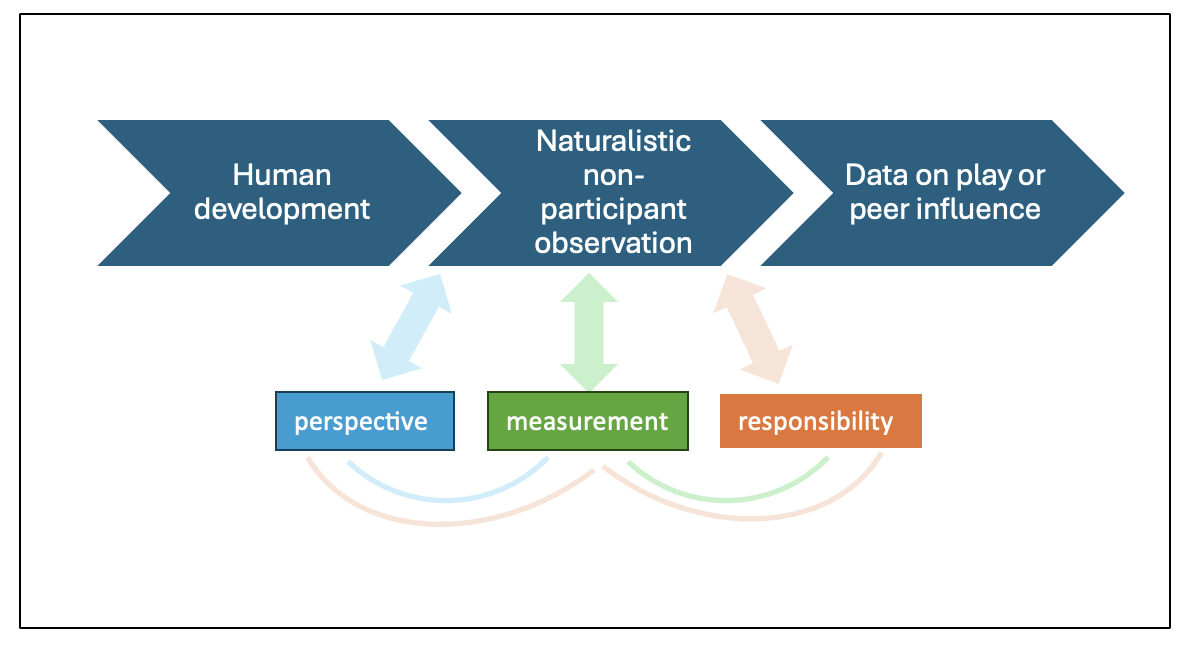
Example: In the context of human development, one common research method is naturalistic non-participant observation.
Possible link to the concept of perspective: naturalistic observation allows the researchers to see the world from the child’s perspective. It therefore gives them more insight into the meaning of the children’s actions.
[The graphic below illustrates the connections between the context, method, data collected and three possible concepts. Note also any possible links between the concepts, which students should be encouraged to explain.]
Suggested student activity
Ask students to choose more than one concept for each of these research methods, and show how the concept is relevant to the method.
1. In the context of health and well-being, one common research method is semi-structured interviews.
[Suggested concepts: bias, measurement, responsibility]
2. In the context of learning and cognition, one common research method is a true experiment.
[Suggested concepts: causality, change, measurement]
Further guidance
There is more help available in the teacher resources for Concepts and critical thinking. The exercise suggested in this blog will prepare your students well for the concept-based assessment.
Upcoming post: Misinformation and the internet

The next blog post will show how the topic of internet misinformation can generate student discussion around concepts and research methods. It will also focus on how collecting new articles can provide good material for provocations and student discussions.