AI and critical thinking

Here is another blog advising an easy way to find events in the world that are psychologically relevant and interesting, and link well with student learning in psychology. To use the psychology article cited in this blog, you need to visit FT online and sign up your students and yourself for free access to FT articles. Then you will be able to navigate to both the original FT article on AI and critical thinking, and my questions for students based on this.
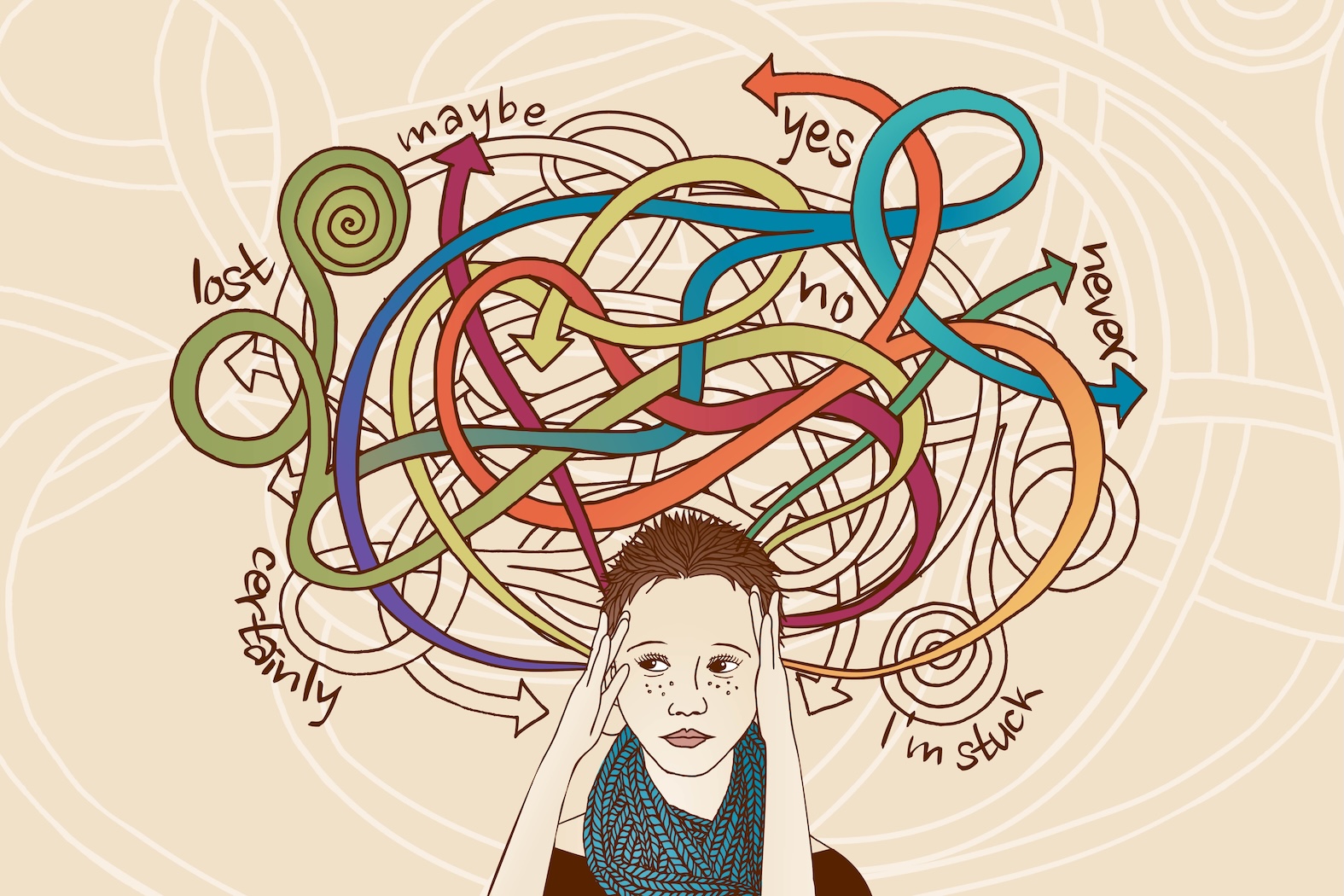
This is a special report article by Andrew Jack entitled Is AI killing critical thinking in the classroom? Certainly, many teachers and some students would answer an unthinking “yes” to this. However, as the article makes clear, just like mobile devices, smart boards, scientific calculators, television, radio and other forms of technology used over the years to hopefully aid learning, the answer is “it depends on how it is used.”
Students should click on the link above to read the original article and then read my FT psychology class article and questions. The suggested answers are below.
Questions
- The article argues that "excessive cognitive offloading" can undermine student learning. Explain what the author means by this and illustrate your answer with one example from the article.
2. The article quotes an Australian report suggesting that using AI to offload routine tasks can allow students to focus on more important aspects of learning. According to the article, which group of learners is most likely to benefit from this approach?
3. The educators quoted in the article generally agree that AI can enhance student learning when it is used effectively by teachers. Describe one example from the article of how AI can be used to support student learning.
It can improve student learning by:
- checking grammar and syntax
- providing worked examples and tests of understanding in maths
- posing guiding questions for students, rather than providing answers
4. The article argues that AI can benefit both students and teachers when safeguards are in place to prevent unthinking cognitive offloading. According to the article, what is one way AI can help teachers?
- It can relieve teachers of time spent trying to personalise learning to each student’s individual pace.
- It allows students to come better prepared to class, which is helpful for teachers.
5. According to the article, what type of final assessment is considered most effective for evaluating students' understanding and critical thinking?
6. What other types of assessment could also test a student’s critical thinking?
- An oral interview, questioning a student about the thinking behind answers.
- Questions that cannot be predicted in advance, where knowledge is applied in unseen situations.
- Questions that are analytical, rather than heavily content-based.
7. Rose Luckin, Professor Emerita at UCL, argues that it is time to rethink assessment and focus on "which bits [of thinking] matter." Thinking about your psychology course, which aspects of your learning matter most for developing your understanding? Explain your answer.
8. CAiSEY, the AI tool developed for business students by Dan Wang at Columbia University, highlights four key advantages: "Voice first – by design," "One-on-one, at scale," "Judgment-free zone," and "Personalized feedback." Follow the link to learn more about each of these features. Which advantage do you think would be most valuable to you as a student, and why?
References
CAiSEY. (n.d.). CAiSEY. Retrieved July 27, 2026, from https://www.caisey.me/
Jack, A. (24 July 2026). Is AI killing critical thinking in the classroom? FT online https://www.ft.com/content/decf11c3-d217-4c91-a238-0c67f419336c?syn-25a6b1a6=1
Lodge J. M. and Loble L (2026). Artificial intelligence, cognitive offloading and implications for education, University of Technology Sydney, doi:10.71741/4pyxmbnjaq.31302475 .