IB Programmes: PYP | MYP | DP | CP

(Image source: Apple Books Still Life - Free photo on Pixabay)
All about the IB
- An introduction to the IB Mission and how to align it to your school mission.
- IB Foundations: What lies beneath the four IB programmes? Explore the principles, beliefs and practices that shape an IB education.
- IB Continuum: How do we create a coherent learning journey across the IB programmes, rather than a series of separate educational experiences?
- Transition between IB programmes: How can we ensure that students experience continuity in their learning as they move from one IB programme to the next?
- IB Mission: How do we translate the IB mission into our own school mission, identity and everyday decisions?
- IB Learner Profile: Beyond the attributes on the wall: how can the Learner Profile shape learning, relationships, recruitment and the culture of the whole school community?
- International Mindedness: What does it really mean to be internationally minded — and how can we nurture global engagement, intercultural understanding and multilingualism?
- How do you introduce the IB to teachers?: How do you build shared understanding, challenge assumptions and help teachers connect the IB philosophy with their own classroom practice?
- Parent Handbook: What do parents need to know about an IB education? Create a clear, accessible guide to the school's programmes, expectations and approach to learning.
Primary Years Programme
- The Primary Years Programme (PYP): Understand the PYP and create the conditions for inquiry, agency and connected learning.
- The PYP: What makes the PYP distinctive, and how do its principles translate into the learning experiences of young children?
Middle Years Programme
- The Middle Years Programme (MYP): From making the case for the MYP to building, coordinating and improving a coherent programme.
- The MYP: What does a high-quality MYP look like in practice, and what do school leaders and coordinators need to understand? Why choose MYP?: What does the MYP offer students, families and schools — and how can we explain its value with confidence?
- Introducing MYP to parents: How can we help parents understand the MYP curriculum, assessment and approach to learning, and address their questions and concerns?
- Top tips for preparing for MYP authorisation: What should you prioritise when preparing for authorisation, and how can you build a programme that is ready in practice, not just on paper? Timeline to MYP authorization: What needs to happen, when, and who needs to be involved? Map the key milestones from preparation to authorisation.
- MYP Coordinator Job Description: What should an MYP Coordinator be responsible for? Establish clear expectations, responsibilities and relationships.
- MYP Curriculum Mapping: How can curriculum mapping reveal gaps, repetition and opportunities for stronger connections across subjects and year levels?
- MYP Collaborative Planning: How can we move beyond meetings and documents to collaboration that genuinely improves teaching and learning?
- MYP Interdisciplinary Units: How do we design meaningful interdisciplinary learning in which students make connections that matter?
- MYP Induction Programme: How can we help new staff understand the MYP, find their place in the programme and become confident in their practice?
- Quick Guide to MYP Enhancement: What has changed, what matters most, and what practical steps should schools take to strengthen their MYP?
- MYP Assessment, including eAssessments: How can assessment support learning, communicate achievement and prepare students for the demands of MYP assessment?
- MYP: Practical issues we face as coordinators: From staffing and scheduling to assessment and communication, how can coordinators tackle the everyday challenges of running the MYP?
Diploma Programme
- DP Coordination Toolkit: Everything you need to manage the programme: Bring the essential guidance, tools and processes together to manage the DP with confidence.
- DP Curriculum Booklet: How can a well-designed curriculum booklet clarify the DP offer, support informed choices and communicate expectations?
- DP: An introduction for coordinators and teachers: New to the DP? Get to grips with its structure, expectations and the key responsibilities of those who deliver it.
- Key DP documents: What you need and how to use them: Which documents matter most, where do they fit, and how can you use them to guide decisions rather than simply meet requirements?
- Essential DP Coordinator's Handbook: What does a coordinator need to know, anticipate and organise to keep the DP running effectively?
- DP: Operational documents: Which operational documents are essential, and how can they help you establish consistent, reliable processes?
- Designing the Diploma Programme timetable and calendar: How do you create a timetable and calendar that balance teaching hours, assessment demands, deadlines and student wellbeing? How many teaching hours are required in the DP?: What are the teaching-hour requirements, and how can schools plan their provision to meet them?
- Meeting deadlines in the DP (planning calendar and case studies): How can you anticipate competing deadlines, coordinate responsibilities and avoid last-minute pressure?
- Diploma Programme Student Handbook: What information do DP students need to navigate their programme, understand expectations and take responsibility for their learning?
- Aims of DP subjects: What students are expected to learn: What should students know, understand and be able to do in each subject, and how should these aims shape teaching and assessment?
- Choosing DP subjects: Guidance for schools and students: How can schools help students make informed subject choices that balance interests, strengths, future aspirations and programme requirements?
- DP costs: Who pays for what?: What costs should schools, students and families anticipate, and how can responsibilities be made clear?
- Mock examinations: Planning, scheduling and purpose: How can mock examinations do more than rehearse the final exams — helping students identify gaps and improve their performance?
- DP Assessment: How do we plan an IA and EA calendar?: How can schools coordinate internal and external assessment deadlines to manage workload and protect time for learning?
- Guidance on grading: How can teachers apply grading criteria consistently and use assessment judgements to support student progress?
- Guidance on examinations: What do coordinators and teachers need to know to prepare students, organise examinations and manage examination requirements effectively?
- Diploma Programme: Approach to teaching: What distinguishes teaching in the DP, and how can its approaches shape planning, classroom interaction and student learning?
- How to plan an IB unit of work: How do you turn curriculum expectations into purposeful learning experiences with clear intentions, meaningful inquiry and evidence of learning? Unit Planning: What makes a unit coherent? Connect learning outcomes, content, teaching approaches, assessment and student experience.
- Thinking like a subject expert: How do experts in different disciplines think, investigate and construct knowledge — and how can teachers make that thinking visible to students?
- Explore how TOK, CAS and the Extended Essay enrich learning beyond individual subjects and contribute to the wider purpose of the DP.
- Introducing the Core in teaching contexts: How can teachers make meaningful connections between their subjects and the Core, rather than treating it as a separate set of requirements?
- Teaching Theory of Knowledge: How can TOK help students question assumptions, examine perspectives and reflect on how knowledge is created and justified?
- Creativity, Activity, Service: How can CAS help students develop initiative, creativity and commitment through meaningful experiences, reflection and personal growth? Service (Learning): From good intentions to meaningful impact: How can schools move beyond isolated service activities to meaningful learning that responds to genuine community needs, involves reflection and creates positive impact?
- Extended Essay: How can the Extended Essay develop students' independence, research skills and intellectual curiosity through sustained engagement with a question that matters to them?
Career-related programme
- The Career-related Programme (CP): Understand how the CP combines academic learning, career-related study and personal development. How does the CP bring together academic study, career-related learning and the personal and professional skills students need for their next steps?
Selected Pages
-

IB Programmes: PYP | MYP | DP | CP
How do we make a positive difference? Free
Starting with the end in mind - by the end of their secondary education students should have to answer only one question:
-

IB Programmes: PYP | MYP | DP | CP
Aims of DP subjects: What students are expected to learn Free
What does it mean to be 'good at' Math, for example? What does it mean to think like a scientist, for example? An opportunity
-

IB Programmes: PYP | MYP | DP | CP
Introducing the Core in teaching contexts Free
All Diploma Programme students take part in three compulsory course elements that make up the core of the programme. These
-
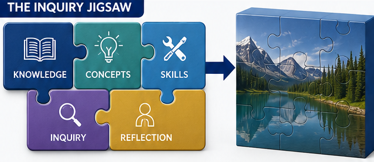
IB Programmes: PYP | MYP | DP | CP
Inquiry vs explicit instruction in the DP: do we need to choose? Free
In many schools that offer both International Baccalaureate programmes and national curricula, teachers often feel a tension
-

IB Programmes: PYP | MYP | DP | CP
DP: an introduction for coordinators and teachers Free
If you're new to the IB, it might feel like stepping into a whole new educational world. This page offers a quick introduction
-

IB Programmes: PYP | MYP | DP | CP
TOK Coordinator - Job Description Free
The IB do not insist that you appoint a Theory of Knowledge (TOK) Coordinator. However, during candidacy, the school will