Inquiry vs explicit instruction in the DP: do we need to choose?
In many schools that offer both International Baccalaureate programmes and national curricula, teachers often feel a tension between two approaches: explicit instruction and inquiry-based learning.
One is seen as structured and teacher-led. The other is seen as open and student-led. This can create the impression that teachers must choose between them.
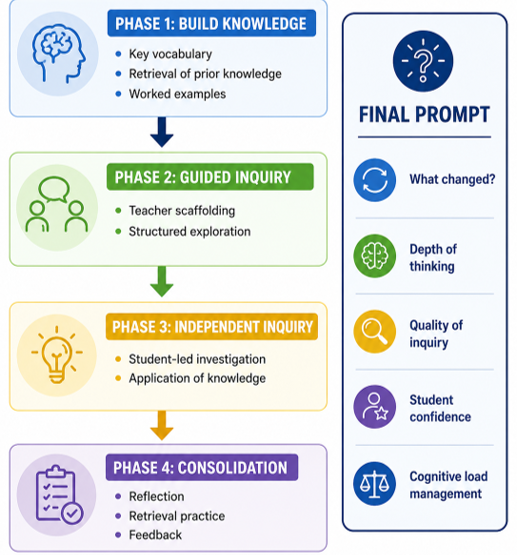
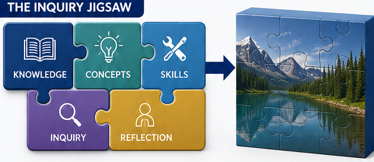
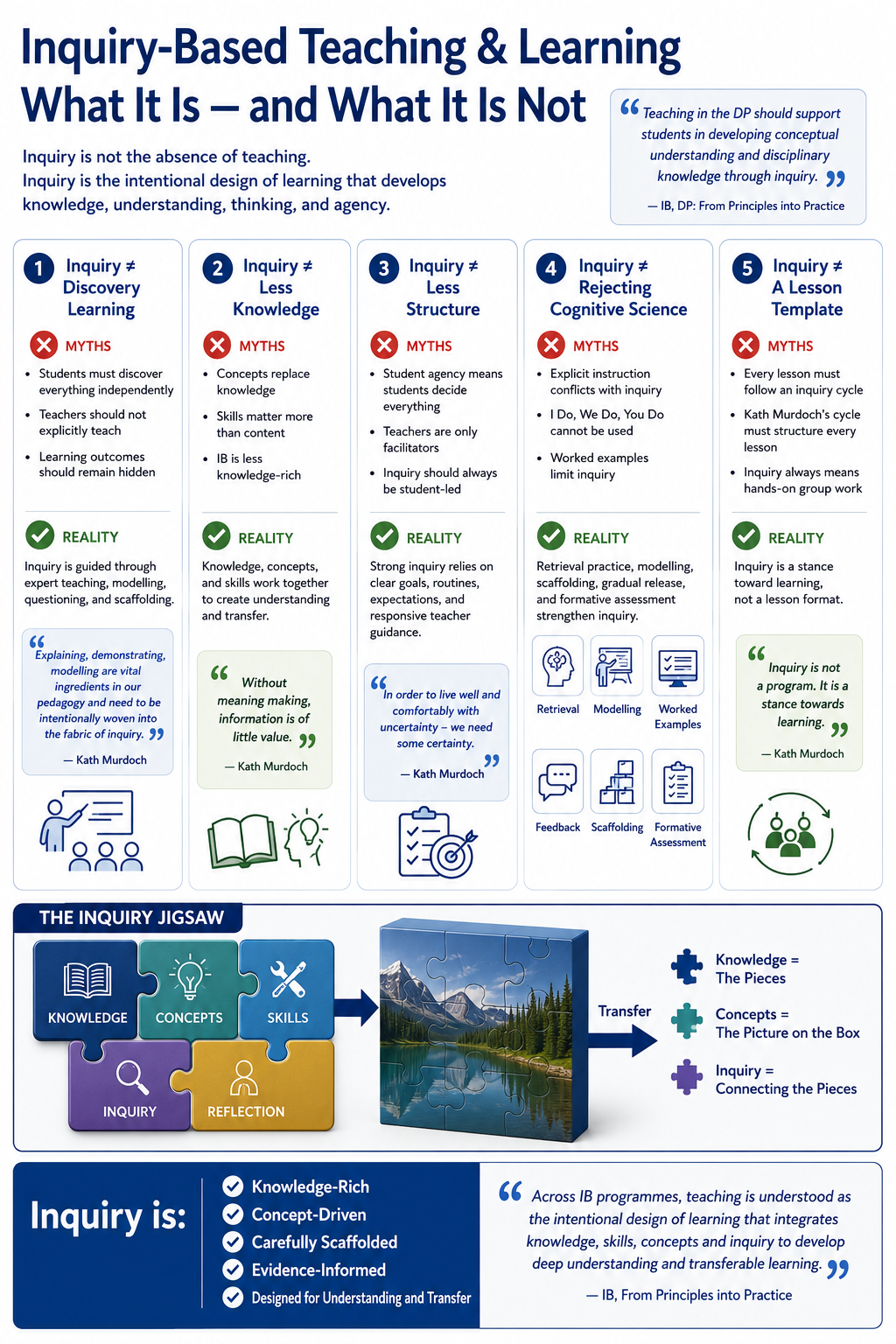
In practice, that’s a false choice. They do different jobs in the learning process, and the most effective teaching combines both. Explicit instruction builds secure knowledge. Inquiry gives students structured opportunities to use that knowledge to think, apply, and connect ideas. When they are designed together, learning becomes clearer and more durable.
What role does each approach actually play?
A useful way to think about it is this:
- Explicit instruction = building the knowledge base
- Inquiry = using and strengthening that knowledge
From a cognitive science perspective, students need clarity, modelling, and practice for learning to stick. From a social constructivist perspective, meaning develops through dialogue and shared thinking. Inquiry becomes the space where that understanding is tested and refined.
The problem is not either approach. It is when either one is used in isolation.
What inquiry is (and what it is not)
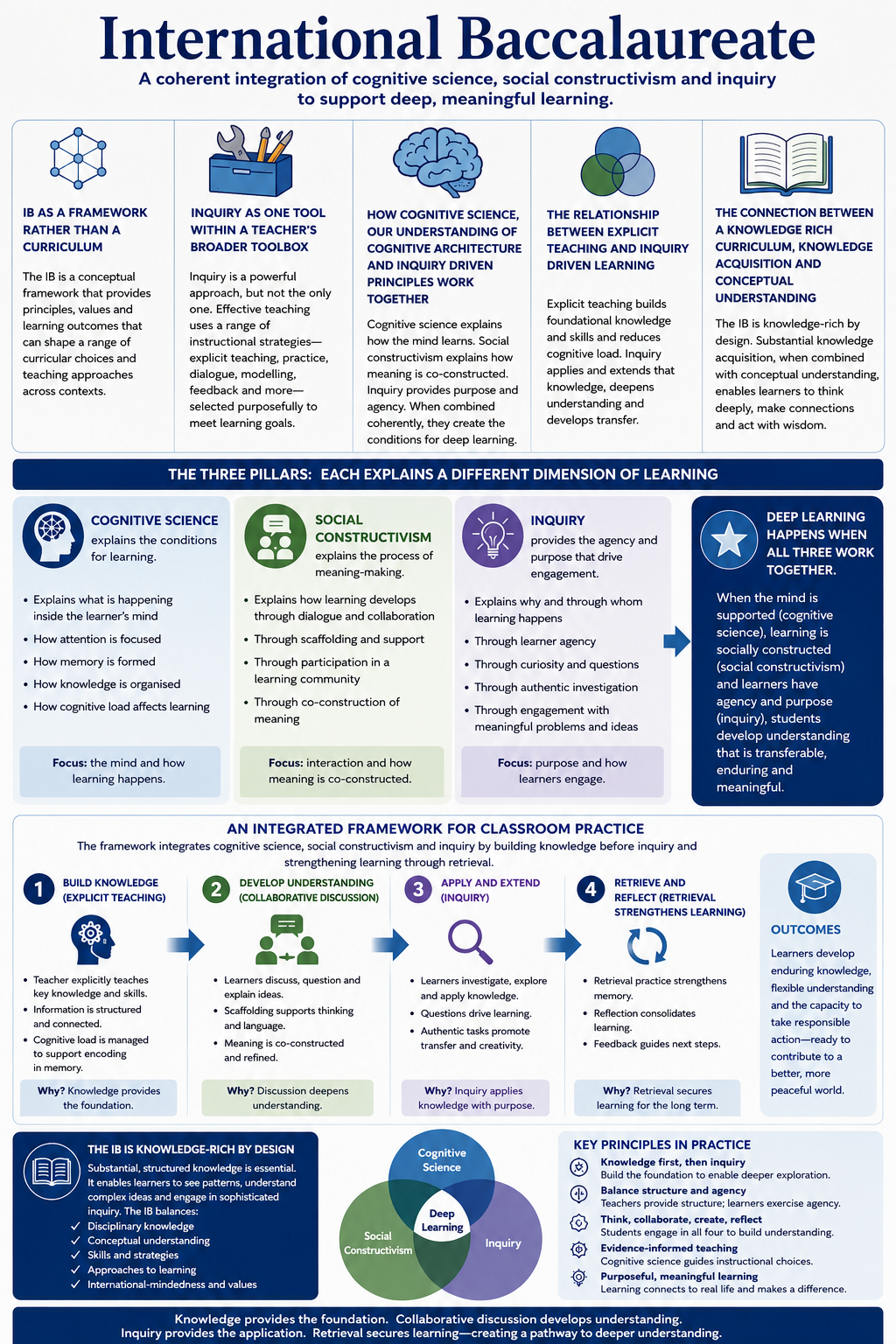
Inquiry in the IB is sometimes misunderstood as meaning students should always “discover” everything for themselves, with the teacher stepping back as much as possible. That’s not really what effective inquiry looks like.
Effective inquiry is not the absence of teaching. It is structured learning with space for thinking.
Students still need:
- Clear explanations
- Modelling of thinking
- Guided practice
- Knowledge they can rely on
Agency comes from being well taught first, then being given meaningful opportunities to apply and extend understanding.
What does a strong lesson look like when both approaches are integrated?
In effective classrooms, lessons tend to follow a clear learning sequence.
Teachers begin by activating prior knowledge and setting a clear learning intention. Key content is made explicit so students know what matters. New ideas are then modelled and practised with support.
As understanding develops, responsibility gradually shifts to the learner.
Inquiry appears within this structure, not outside it. It happens when students:
- apply knowledge to new situations
- explain and justify their thinking
- make connections between ideas
- tackle structured open-ended tasks