Step #1: Establish a compelling reason for change

Why does change fail when the purpose isn’t clear?
What happens in a school when people cannot see why a change is necessary? Kotter’s change model shows that no improvement takes hold without a strong sense of urgency that people genuinely understand. A compelling reason anchors the work, aligns thinking, and helps staff move beyond compliance towards commitment.
On this page we introduce a practical gap-analysis protocol that helps you define the current state, the desired future, and the pupil-centred rationale that links them.
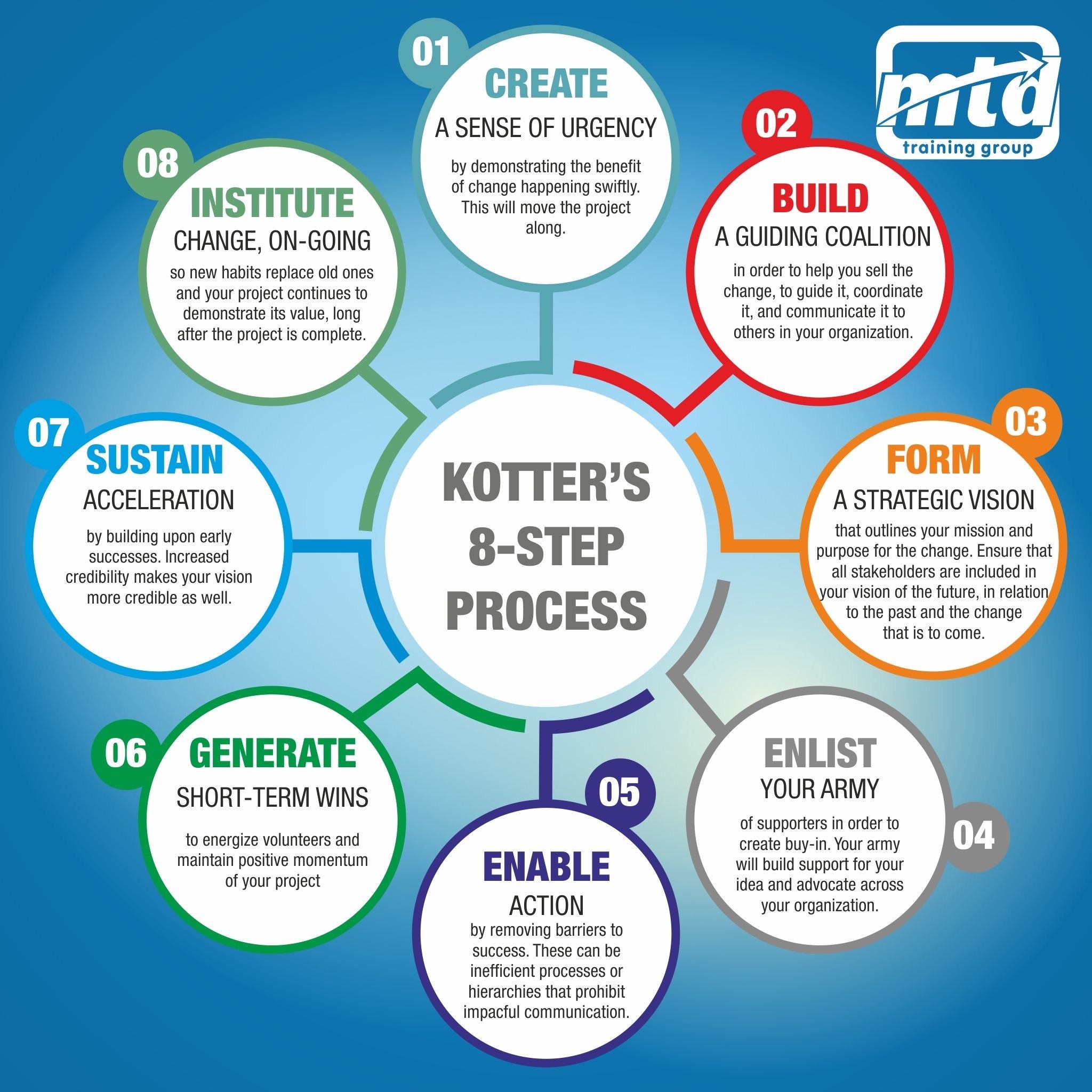
John Kotter’s work on organisational change highlights the importance of creating a genuine sense of urgency before any improvement can take hold. In his eight-step model, establishing this urgency forms the foundation for all subsequent action, because people rarely commit to change unless they understand the problem clearly and believe that acting now will lead to better outcomes for pupils.
For our work as school leaders, this means presenting a compelling, evidence-informed reason that resonates with both the head and the heart of the school community.
Reflect on the change:
What's problem we are trying to solve?
Why do we need to change now?
Who benefits?
- define the current reality (evidence, pupil data, staff experience).
- define the desired future (what improves, for whom, by when?).
- identify the gap (skills, systems, culture).
- frame the case for change in one clear, pupil-centred message.
- share it consistently with all stakeholders.
Creating a clear and compelling case for change
Choose one improvement you are currently leading or planning to lead. Use the prompts below to think through why the change matters, who it affects, and how you will communicate a pupil-centred reason that people can genuinely commit to.
Clarifying the purpose
- What specific problem are we trying to solve?
- What evidence shows this is a real and significant issue (pupil data, staff feedback, observations, outcomes)?
- Why does this matter now rather than later?
- Who will benefit if we act—and what happens if we do nothing?
Mapping the gap
- Current reality: What is happening at present? What’s working? What isn’t?
- Desired future: What will improve, for whom, and by when?
- The gap: What needs to change—skills, systems, expectations, culture—to move from the current state to the future state?
Shaping the message
- How can the need for change be explained in one clear, pupil-centred statement?
- What would this message sound like to teachers, support staff, pupils, and parents?
- What questions or doubts might each group have, and how will you address them?
Communicating with purpose
- Where and how will you share the message so it feels consistent and credible?
- Which voices or examples could strengthen the case (pupil stories, classroom evidence, team insights)?
- What will you do to ensure the urgency feels motivating rather than pressure-driven?
Kotter, J. P. The 8-step process for leading change. Kotter International. Kotter's eight stages of change is more fully explained on his website http://www.kotterinternational.com/
The Knoster Model provides a structured approach to managing complex change in organizations. The Managing Complex Change Matrix assists in assessing the complexity and impact of a proposed change. Consider using this model as a framework for your ‘kick off’ meetings prior to launching on a major project.
What is change management: the definitive guide, Daviel Lock Consulting, is a clear and freely downloadable guide to change management. Click HERE to access it.