Reflecting on P2B
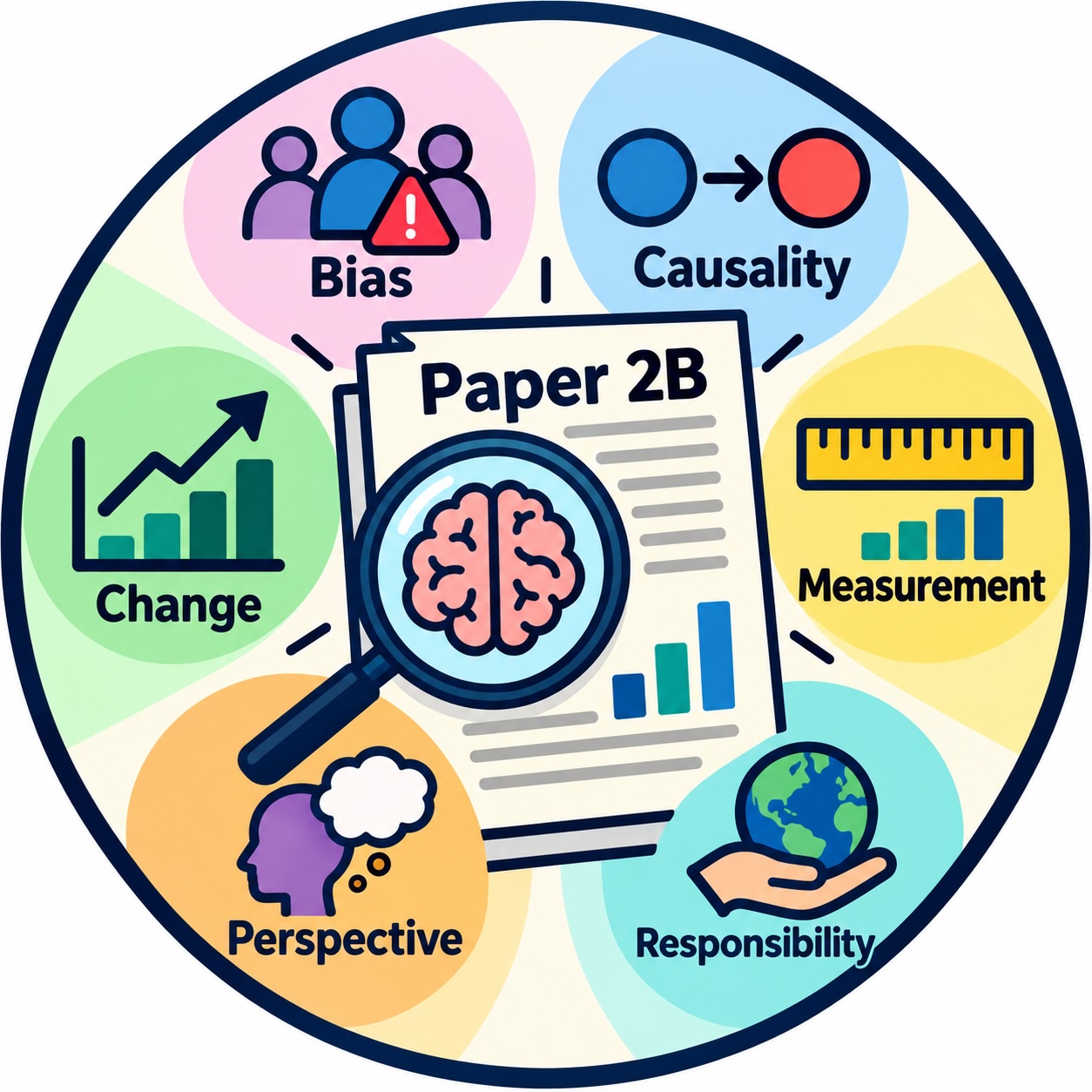
In the second year of giving students practice Papers 2, Section B, I see they repeatedly make mistakes evaluating a study. These mistakes reflect more a misunderstanding of the goals of the assessment than a misunderstanding of psychology. The points below are based on student performance when evaluating Shi et al's (2011) study of the role of traffic noise on depression
Common errors
1. Discussing the topic rather than evaluating the study. For example, explaining the causes of depression rather than evaluating how the research study investigated depression. The focus should remain on the study and how the concepts apply to it.
2. Using hypothetical criticisms or suggestions. For example, stating that "method triangulation would improve the study" without explaining a specific weakness in the research linked to a concept. Evaluation should focus on what the researchers actually did and the implications of their methodological choices.
3. Making too many points without developing them. For example, simply stating that "using a Western measurement tool creates cultural bias." Explain why this might introduce bias and how it could affect the validity of the findings. Depth of analysis is more important than the number of points made.
4. Omitting an introduction or conclusion. An introduction should briefly identify the study and establish the concepts being evaluated. A conclusion should bring together the main points of the evaluation.
5. Summarizing the findings instead of evaluating the study in the conclusion. The conclusion should make an overall judgment about the value of the study, based on the discussion of its strengths and limitations in relation to the concepts. It should not simply restate the findings or repeat the points made in the response.
6. Failing to explicitly identify the concepts. The concepts should be clearly identified and consistently linked to specific aspects of the study. The examiner should not have to infer which concept is being discussed.
7. Lack of clear paragraphing. Each paragraph should focus on a single concept. The discussion should develop a clear evaluation of the study in relation to that concept, rather than combining several concepts within the same paragraph. Paragraphing helps demonstrate the logical progression of your evaluation.
8. Focusing exclusively on limitations. Evaluation is not simply criticism. A balanced discussion considers both the strengths and limitations of the research, explaining how these influence the credibility, validity, and overall contribution of the study.
A strong Paper 2B response does more than identify strengths and limitations. It uses psychological concepts to explain why specific features of a study matter and how they influence the interpretation and value of the research.