Dignity Kitchen Hong Kong: Trade-offs
Dignity Kitchen Hong Kong 厨尊香港 - Balancing social impact and financial sustainability
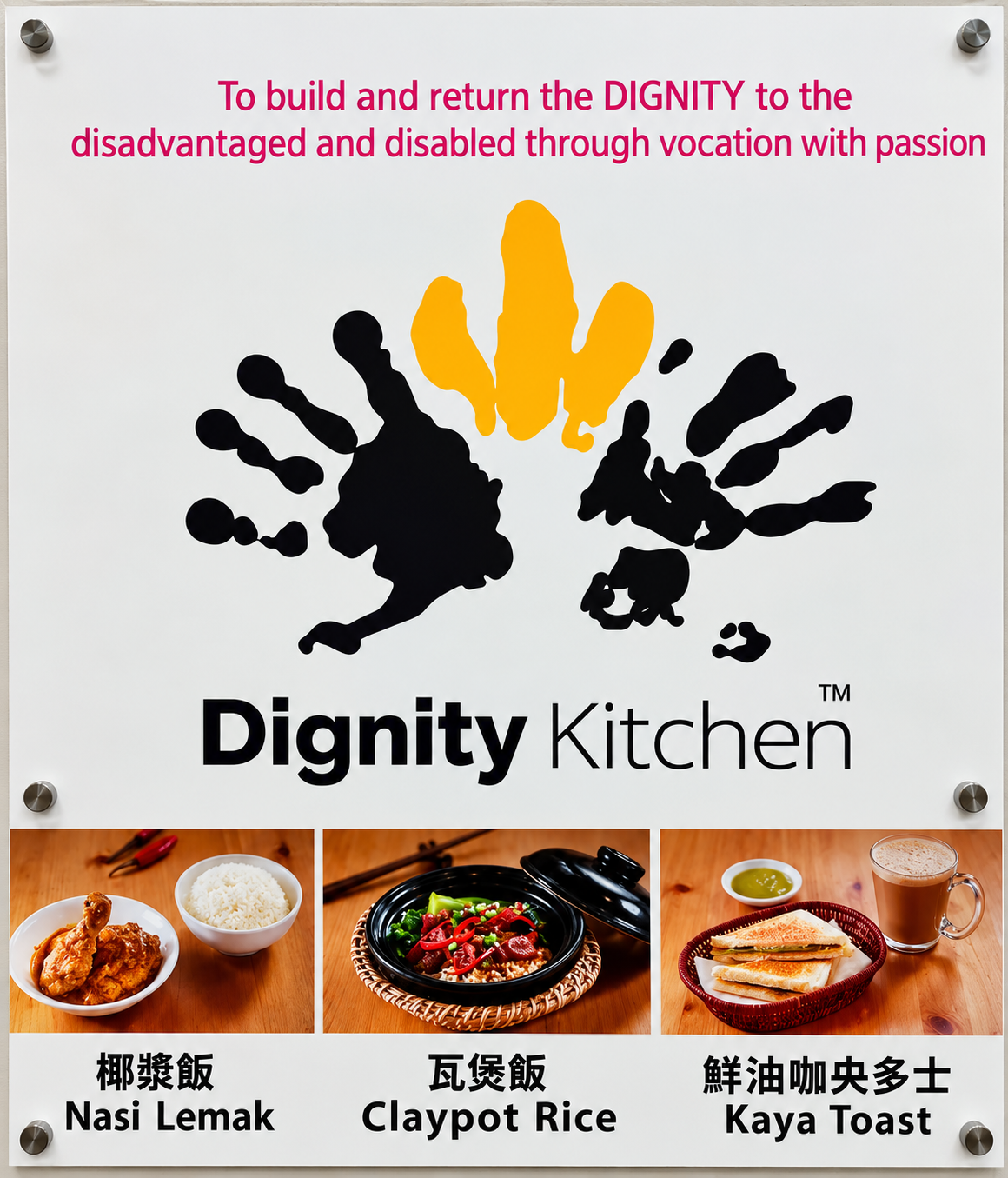
This resource is designed to help students understand the importance of identifying and explaining potential trade-offs when developing a plan of action (POA) for Paper 3. Trade-offs are not the same as disadvantages.
A disadvantage is a negative consequence of a decision. A trade-off involves giving up or accepting less of one benefit to gain another, i.e., an opportunity cost, impact, or consequence.
Case study - Dignity Kitchen Hong Kong 厨尊香港
Dignity Kitchen Hong Kong 厨尊香港 (DKHK) is a social enterprise that provides food services at its restaurant located in Mong Kok, Kowloon, while training people with disabilities and others facing barriers to employment. Its mission connects employment with dignity, confidence, and greater independence.
Achieving this social mission requires more than teaching food preparation. Trainees may need adapted equipment, additional supervision, and individual support. At the same time, DKHK's customers expect affordable meals, consistent food quality, and reliable service.
The following scenarios illustrate possible trade-offs from decisions arising from DKHK's business model.
Decision 1: Train more people or give fewer workers more support?
With a limited training budget, DKHK could train more people or give more individual support to a smaller group of employees. Training more people creates more opportunities. However, giving some person more support could help them build the skills and confidence needed to find and keep a job.
Decision 2: Keep meals affordable or earn more from each meal?
Higher prices could provide more money for staff training and support, if enough customers continue buying meals. However, customers with lower incomes may struggle to afford DKHK's meals, especially given the intense degree of competition in Hong Kong. Keeping prices low helps these customers but leaves DKHK with less money from each meal to cover its costs.
Decision 3: Open another outlet or improve the current one?
Opening another restaurant in Hong Kong could create more jobs and serve more customers, as well as improve DKHK's brand awareness. However, it would involve significant capital expenditure and managers’ time that could have bee used instead to improve training, equipment, and service at the current outlet in Kowloon. Nevertheless, improving existing operations first help DKHK cover its costs and continue its work, but delay opportunities to help more people.
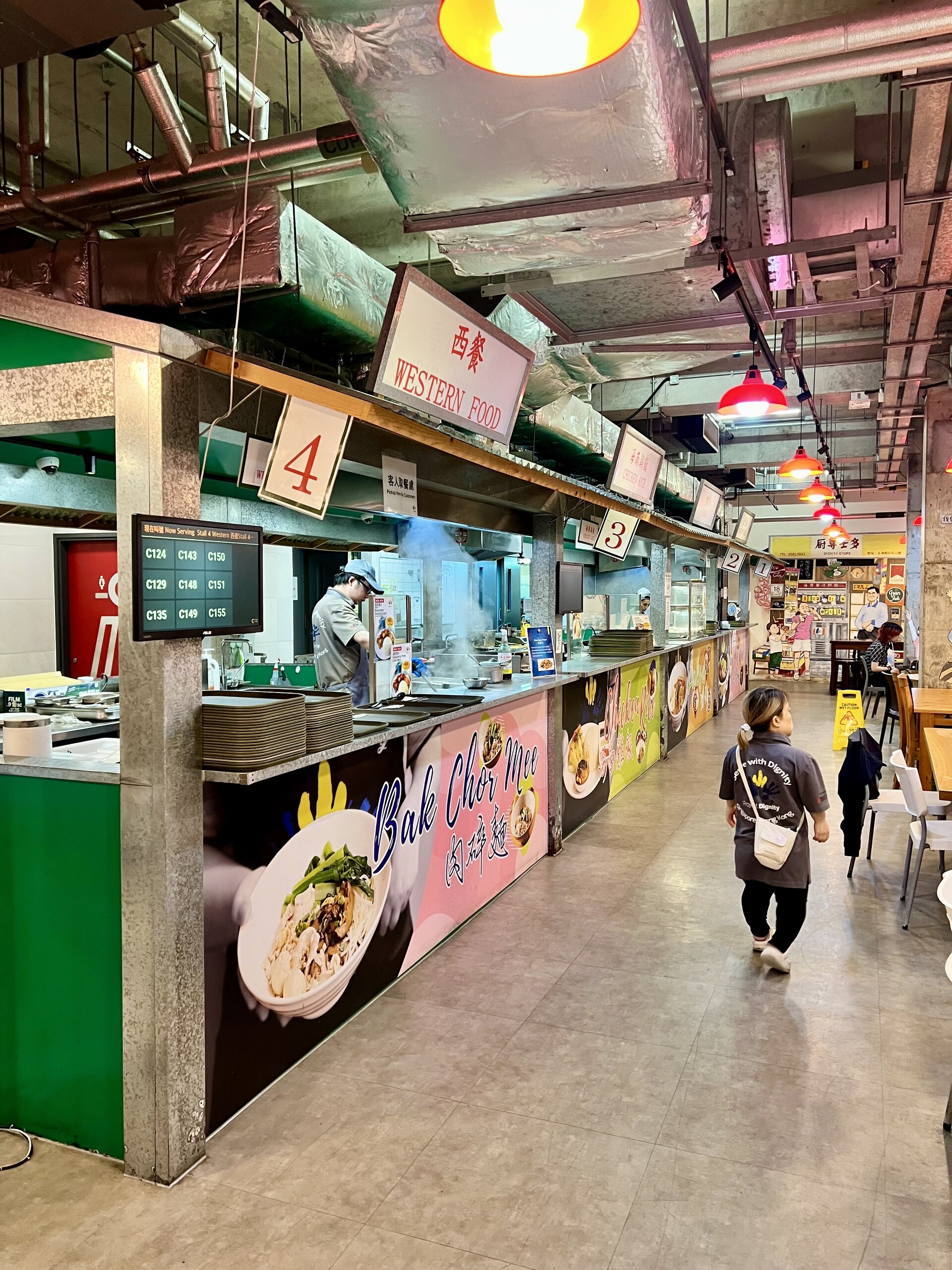
DKHK is located at 618 Shanghai Street, Mong Kok, Kowloon, Hong Kong
Top tip 1!
Use evaluative frameworks in your POA, such as:
“By choosing __________, DKHK gains or protects __________, but gives up or accepts less of __________.”
Student activity 1
- Explain one possible disadvantage of increasing trainee numbers at DKHK.
- Explain one trade-off between affordability of DKHK's meals and funding its social mission.
- Explain whether DKHK should prioritize internal growth or improving existing its operations.
Student activity 2
For each of the following statements, explain whether it represents a disadvantage or a trade-off for DKHK.
| Statement | Classification and explanation |
|---|---|
| Individual support of employees requires additional management time. | Disadvantage - Providing individual support takes up more management time. The statement does not explain what DKHK gains in return. |
| With DKHK's fixed and limited training budget, providing more support per trainee may improve individual outcomes but reduce the number of places available. | Trade-off - Providing more support to each trainee may improve their progress, but fewer people can receive training. |
| Higher prices could discourage customers from dining at DKHK. | Disadvantage - Increasing prices may cause DKHK to lose customers. The statement does not explain any possible benefit of higher prices. |
| Keeping DKHK's meals affordable protects customer access but may sacrifice additional income that could fund staff training. | Trade-off - Keeping prices low makes meals more affordable, but DKHK may earn less revenue to support its training programmes. |
| Giving trainees more responsibility develops their transferable work skills but may require accepting slower service initially. | Trade-off - Giving trainees more responsibility helps them develop their skills, but customers may experience slower service in the short term. |
| Opening another restaurant requires significant investment. | Disadvantage - Opening another outlet requires capital expenditure. The statement does not explain what DKHK might gain from this investment. |
| Using limited funds for DKHK's growth could increase future employment opportunities but leave fewer resources to improve existing programmes now. | Trade-off - Trade-off: Spending money on expansion may create more jobs in the future, but leaves less money to improve DKHK's existing training programmes. |
Top tip 2!
A disadvantage identifies a possible negative effect of a decision.
A trade-off explains what an organization gains and what it must give up when choosing between competing options, especially when resources are limited.
Return to the Paper 3 (HL only) homepage
Return to the External assessments homepage
