A3.1 Diversity of organisms - written task

This structured extension question has an emphasis on the concepts, of unity, the universality of the genetic code and diversity, the variety that is seen in alleles of genes. This is a great illustration of Theme A in the Biology guide.
The genome is all the genetic information of an organism. Organisms within a species share most of their genome but there are many genetic differences which provide variation in appearance and diversity of alleles.
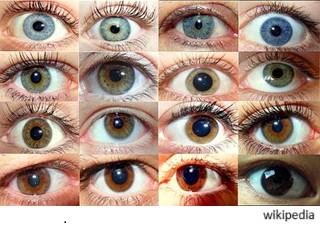
The Human genome has approximately 3.2 billion base pairs.
There are at least 16 Human genes that have an effect on iris colour.
Many of these genes are found on Human chromosome 15 and the interacctions between these genes creates the wonderful diversity of human iris colours.
Explain why there is both unity and diversity in the genomes of organisms of a single species, like humans.
(6 marks)
Teacher note - This question is focused on the genome similarities and differences, not the molecular similarities..
Although they are the same in all organisms, we think that marks should not be awarded for the similarity of DNA structure, nucleotide bases or the universality of the genetic code.
- This could be a classroom task, a revision moment or a homework activity.
- There is a hidden model answer which appears when the answer is submitted.
- This page can be set as a "written task' assignment using the student access section.