Culture comes first
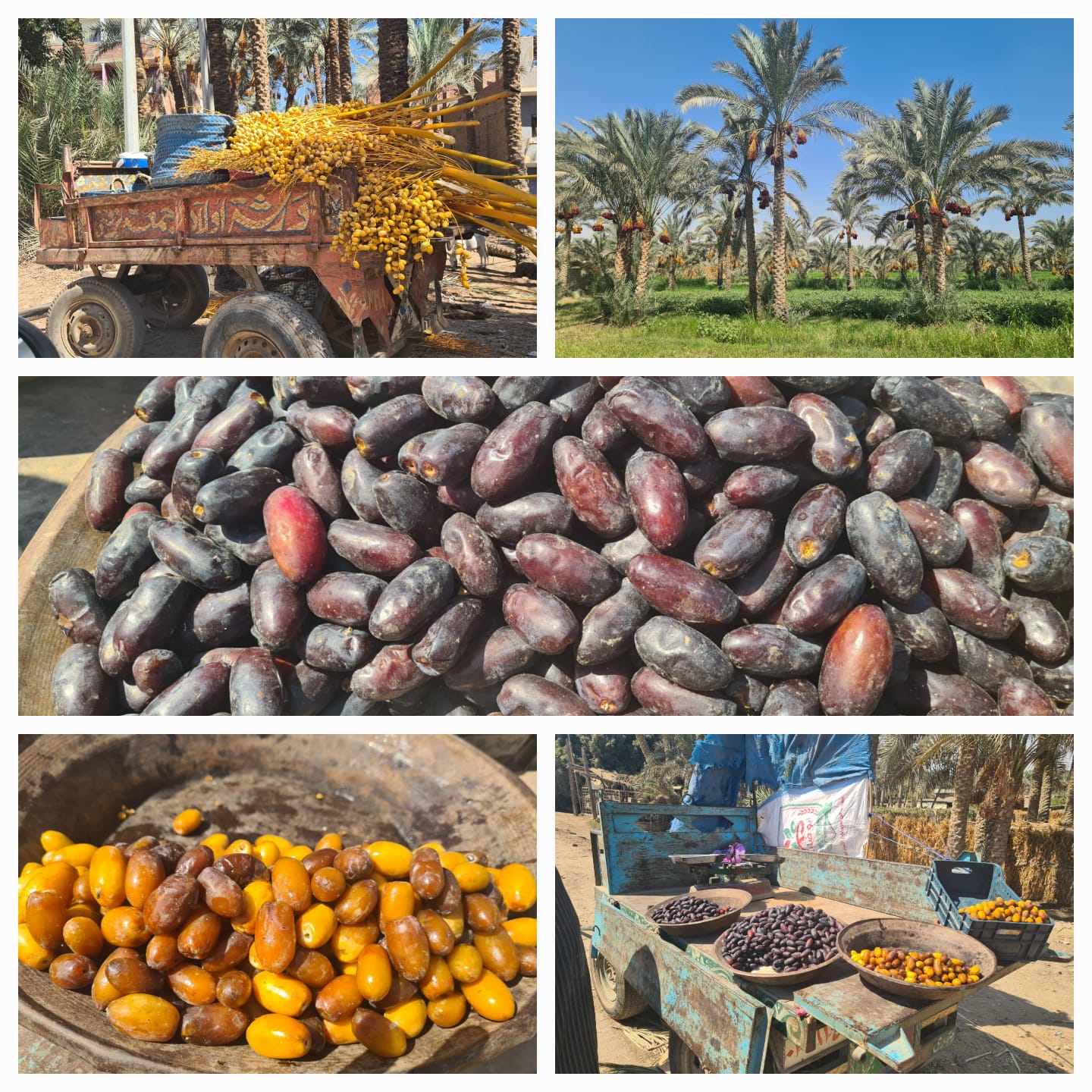
It's the time to harvest dates
Fifteen months into my role as Director of Education at a school in Cairo, I have become increasingly convinced that when you enter a new school, understanding the culture and building relationships must come before trying to change things. The educational context here is very different from those in which I have previously worked. Good IB teachers are in short supply, inflation has put considerable pressure on salaries, and recruitment and retention are therefore critical. The speed of recruitment can also be striking: appointments that might take weeks in parts of Europe can sometimes happen within days. This makes being clear about our employee value proposition especially important.
Professional development is a key part of that proposition, but it cannot simply mean delivering workshops and ticking boxes. It is about creating a culture in which people feel valued, trusted and able to grow. That requires knowing people, listening to them, understanding their aspirations and building relationships. Culture is often described as the invisible force that shapes how an organisation works; in a new school, you need to spend time understanding that force before you can hope to influence it. For me, fifteen months in, the most important lesson has been that sustainable school improvement is ultimately relational: people are far more likely to engage with change when they know that you genuinely know, value and understand them.
In his article, IB international schools ’leadership reviewed, published in Educational Management Administration & Leadership on 7 September 2026, Gardner-McTaggart (2026) identifies three key themes relevant to leadership in international schools: organisational conditions, where leaders operate within complex structures and competing expectations; market versus educational values, requiring leaders to negotiate the tension between the educational purposes and values of the IB and the commercial realities of the international-school marketplace; and leadership across IB programmes, recognising that leadership is shaped by the particular programme and context rather than by a single universal model of effective IB leadership.