Cherishing identity
I am on a continuum IB evaluation visit here in Tanzania. I love visiting other schools: you always learn so much from seeing how different communities bring the IB philosophy to life.
One of the most striking elements in this school is the way it proudly celebrates its Tanzanian identity while serving a wonderfully diverse cohort of students. Rather than viewing national identity and international mindedness as competing forces, the school beautifully blends the two, demonstrating the IB belief that language and culture are not barriers to global engagement but are, in fact, a right and a resource. By anchoring students in a strong sense of place, the school empowers them to understand and appreciate perspectives beyond their own.
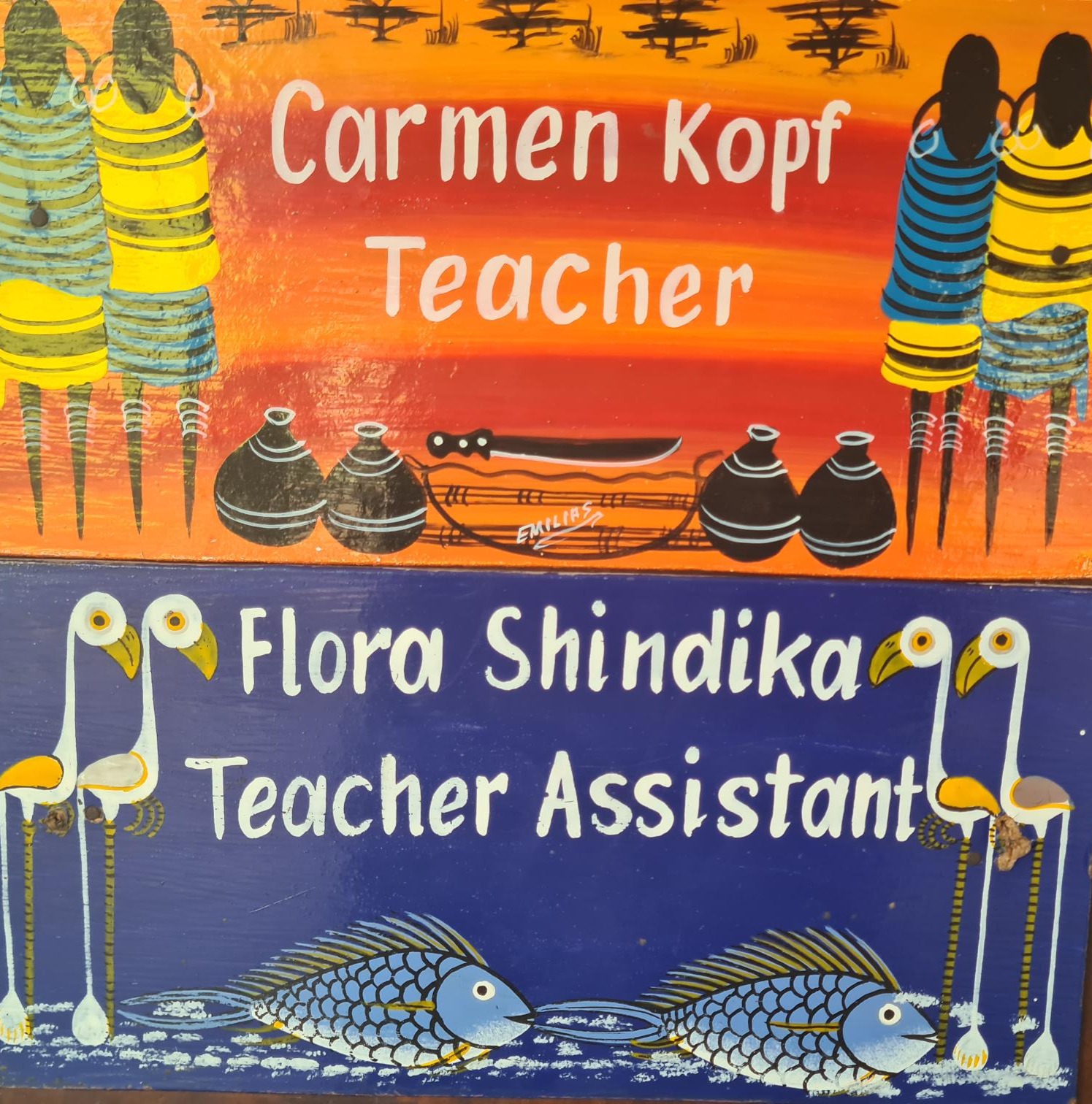
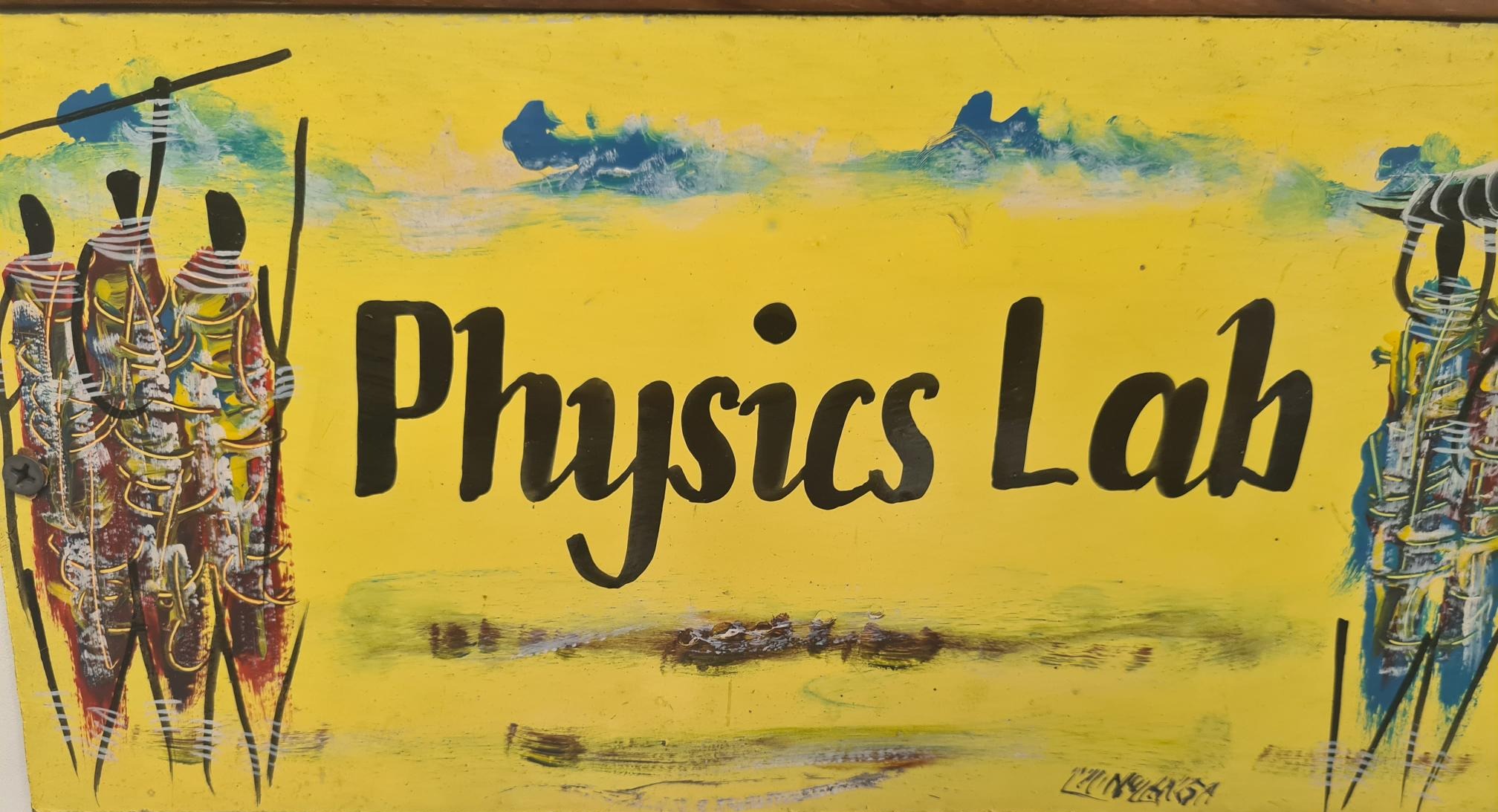
Every classroom doorway is marked with a label displaying the teacher’s and teaching assistant’s names, each crafted with visuals from local artisans. It’s a simple gesture that speaks volumes: an affirmation that local culture deserves visibility, dignity, and celebration within an international context.
Reflect
How intentionally and visibly does our school environment reflect the culture, languages, and creative traditions of the local community?
In what ways do our curricula and learning experiences help students develop a strong sense of place while also engaging with global perspectives?
Do students see their home cultures represented with dignity and pride—and do they also learn to value the identities of peers from other backgrounds?
To what extent do teachers model respect for the host culture through their daily practices, partnerships, and classroom environments?