Top Ten Games for English B

Collaborative games are a great way to have fun in English B and integrate ATL social skills. Sometimes we have to remember to "squeeze and release". In other words, after times of intensive studying, we all need to have a little fun.
These games are all designed for in-classroom use. They can be done as a whole class or also in small groups. Also, they are all “low-tech”. Students don't need to log on to have fun with these games. Many of these are classic games, but feel free to add your own suggestions in the comment boxes at the end of the page!
This game is a lot of fun. First the class is divided into two teams. Then there are vocabulary flashcards with either synonyms or definitions scattered on a table. The teacher calls out a word and the first player to “swat” the word with their fly swatter wins the cards and the point. Each player can only swat two times. The team with the most points wins!
An alternative version is to have the vocabulary scattered on a whiteboard or cast on a screen from a Word Doc.
This is a great game to practice creative thinking skills and fire up the vocabulary engines. To play, you have to race against the timer as you write down answers to categories – each beginning with a certain letter. Your group scores points for jotting down things no one else did. The more unique the answers, the less likely someone will have it, and the more points your team will earn.
The PDF below is a sample of a Scattergories sheet for a team and a blank on to add your own categories.
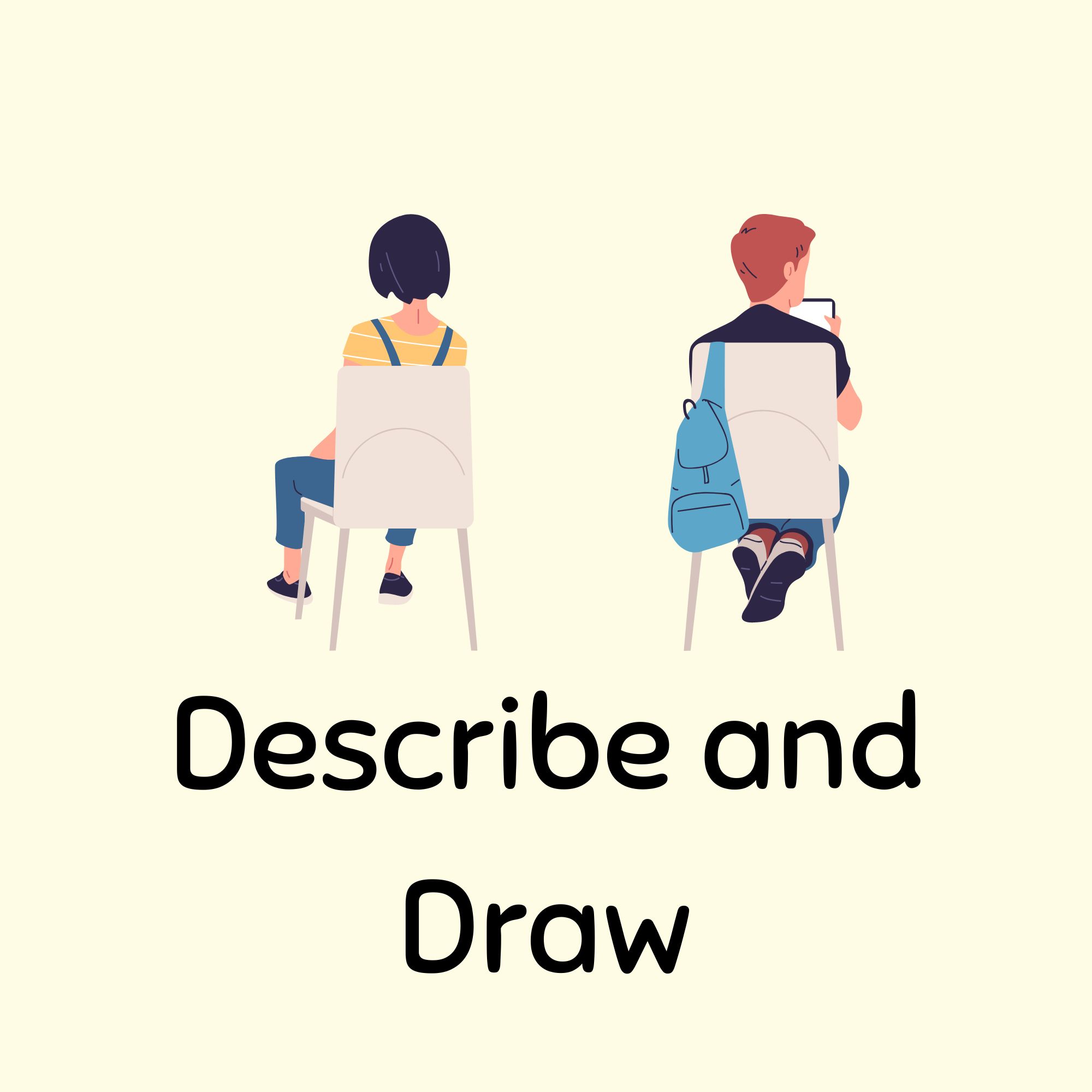
In this game you and your partner will sit back to back in a chair. One student will describe an image verbally while the other student draws of picture of what the first student says. It's always fun to see what your partner ends up drawing.
Another version is there is an image that the teacher puts on the board and only the describers can see. They describe the image on the board and then the whole class can see who had the best version.
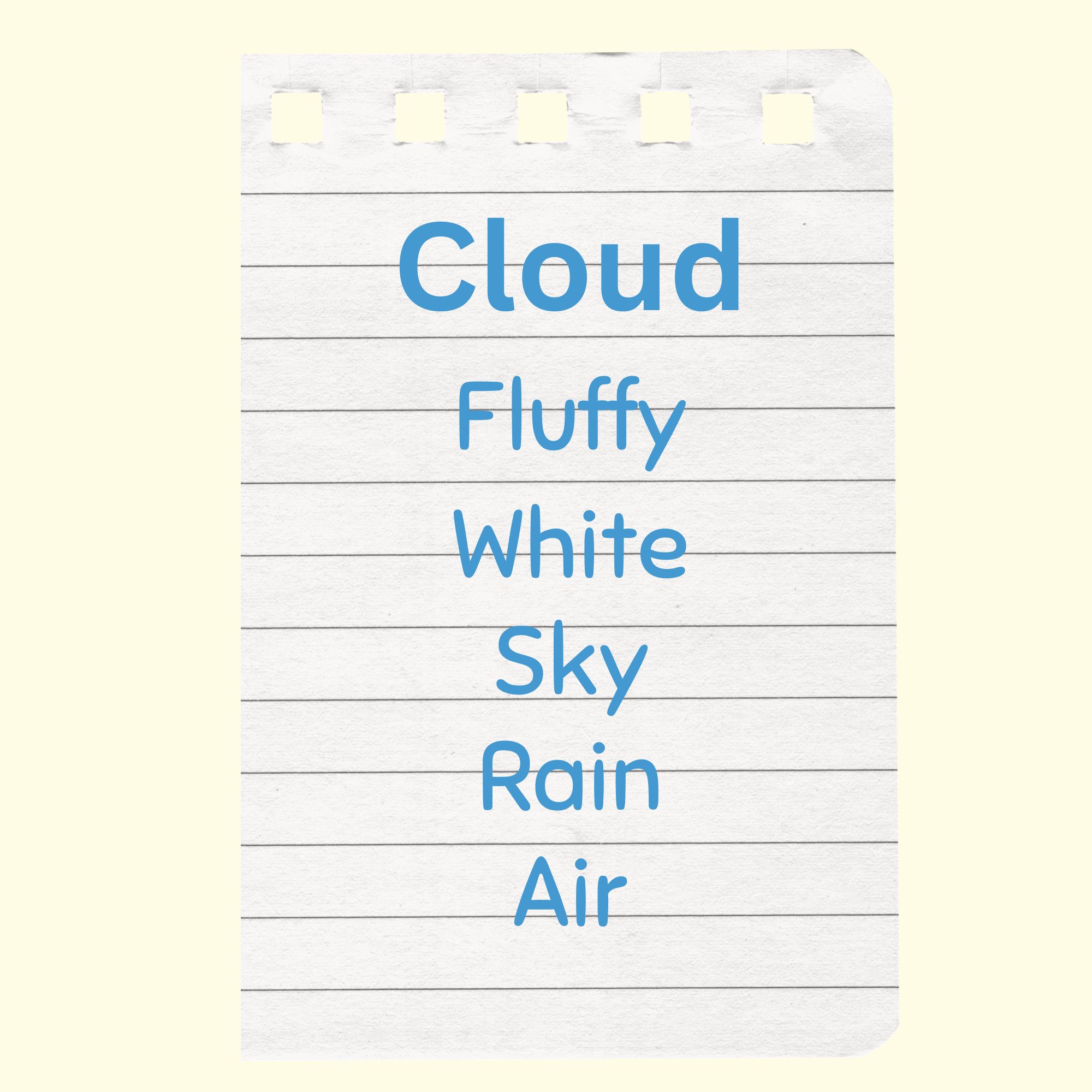
This classic party game is a great adaptation for the English B classroom. In this game, your partner has to guess the “taboo” word from your verbal description. The catch is, you can't say any of the words on the list! Each pair group has 60 seconds to guess as many taboo words as you can. To play, you can purchase the official game from the store, or better yet, each pair creates taboo cards for the other players. This is a great way to practice vocabulary!
The forehead game is similar to the board game Head's Up. To play, one person has an unseen sticky note on their forehead of a person, word, literary character, or vocabulary word. They must ask questions to try to guess their identity. This is great to do with literary characters or to practice asking questions for interactive communication.
Sometimes low tech is more effective and fun than high tech. Tarsia or triangle puzzles, can work for just about any subject. You can work with a partner or a group to put your puzzle together by matching words and definitions or synonyms. The box below has a sample PDF of a triangle puzzle for command terms found on the English B paper 1 and English B conceptual understandings. There is also a blank triangle so you can fill it in and make your own for work with a partner or individual review.
A dictogloss is an activity used to develop vocabulary and grammar through listening and collaboration. The teacher prepares a short text (around one paragraph) that includes the target language. First, the teacher reads the text aloud at a normal pace while students listen. On the second reading, students may note down a limited number of key words (e.g. 10). They then work in pairs or small groups to reconstruct the text as accurately as possible. Finally, versions are compared with the original to focus on language use and accuracy.
A reading race is an activity that develops reading speed, comprehension, and attention to detail. The teacher places a text on the wall or outside the classroom, along with a set of questions. In pairs or small groups, students first read a question, then take turns running to the text to scan for the answer and return to report it to their team. The focus is on quickly locating key information rather than understanding every word. Finally, answers are checked as a class to clarify meaning and highlight key language.
A running dictation is an activity that develops reading, listening, speaking, and writing skills through movement and collaboration. The teacher places a short text on the wall or outside the classroom. In pairs or small groups, one student (the “runner”) reads and memorises part of the text, then returns to dictate it to a partner (the “writer”), who records it. Students continue swapping roles until they have reconstructed the full text. Finally, their version is checked against the original to focus on accuracy and language use.
In this game you will need to collaborate with your team to write a creative and fun story. To play, you will need to sit in a circle with your group. Each person contributes a sentences to a growing creative story building on the last contributors sentence. One student is the scribe and writes the story. The zanier and crazier the story, the better.
This is a great activity to prepare for creative details needed for paper 1 or your individual oral.