Helping Immigrants Build New Lives

An Interview with Ron Alvarez
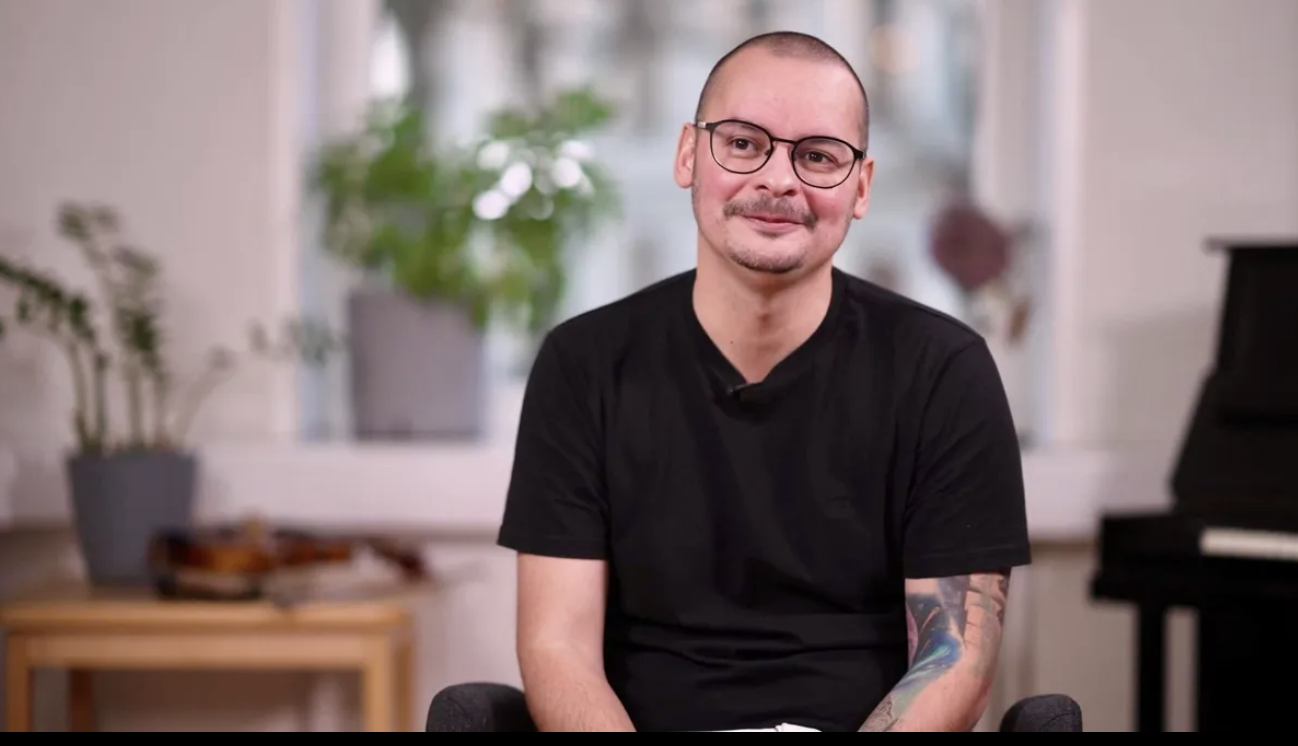
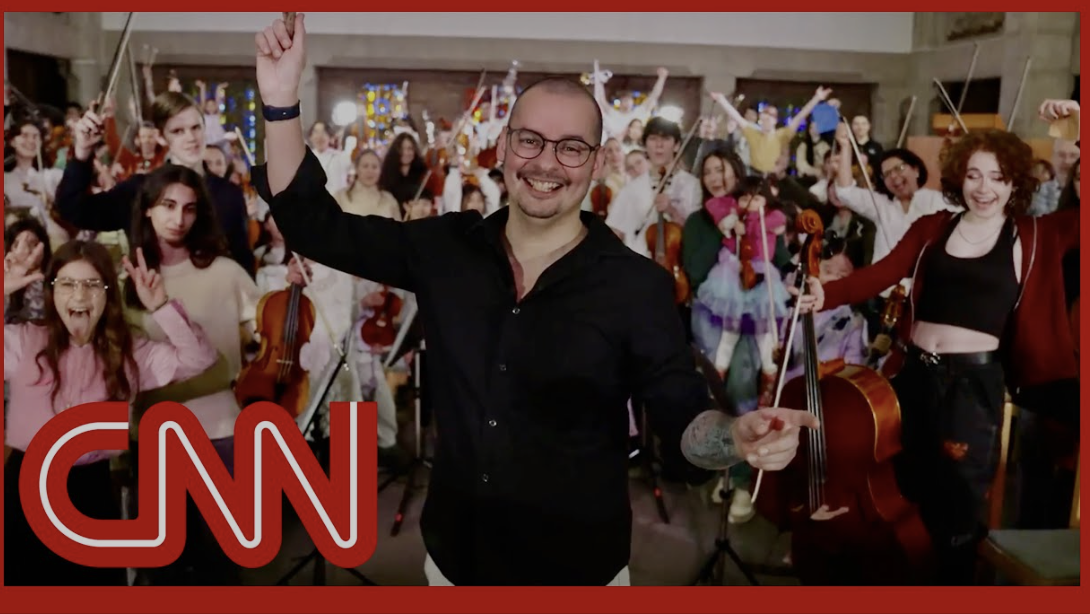
Ron Alvarez is the founder of the Dream Orchestra in Gothenburg, Sweden. He specializes in training teachers for children and youth orchestras. The Dream Orchestra was created to serve refugees from several countries throughout the world. He was the artistic director of the El Sistema Sweden Foundation and was recognized as one of CNN News's "Heros". Listen to his inspiring interview about his work with refugee and displaced people and how this may serve as a role model of education for many music programs worldwide.
Podcast: An Interview with Ron Alvarez
https://An Interview with Ron Alvarez
Background Music: Dream Orchestra. "Merengue para el primer dedo" by Carlos Medrano and Ritmos Ciganos Carlos Garcis
Written transcription to follow:
Podcast on YouTube
Here is the complete Podcast on YouTube:
Introduction and Background
JIM: Hello everyone. Jim, again, I'm very proud and inspired to have you with us as our guest today, Ron Alvarez. Ron is a musician, a teacher, and founder of the Dream Orchestra. In 2016, in Gutenberg, Sweden, Ron created the Dream Orchestra with children and teenage refugees from, among other countries, Syria, Afghanistan, Iraq, Iran, Palestine, Kurdistan, and more. This group has more than 50 members and is distinguished because its musicians have never played an instrument. The Dream Orchestra model is being emulated in several European countries. The project received the 2021 Ockenden International Prizes for Refugee and or Displaced People and is now a role model of education for many music programs worldwide.
For six years, he was the artistic director of the El Sistema Sweden Foundation and developed projects such as the El Sistema Play, the El Sistema Academy, and the El Sistema Sweden National Orchestra. I first heard about Ron through his honor of being selected by CNN as a hero, And he is indeed a hero and a role model for many of us international music educators. I think Ron is somebody that we as international music educators need to know. And I'm looking very much forward to this conversation with him. So Ron, with no further ado, perhaps you could start by telling us about yourself and your background.
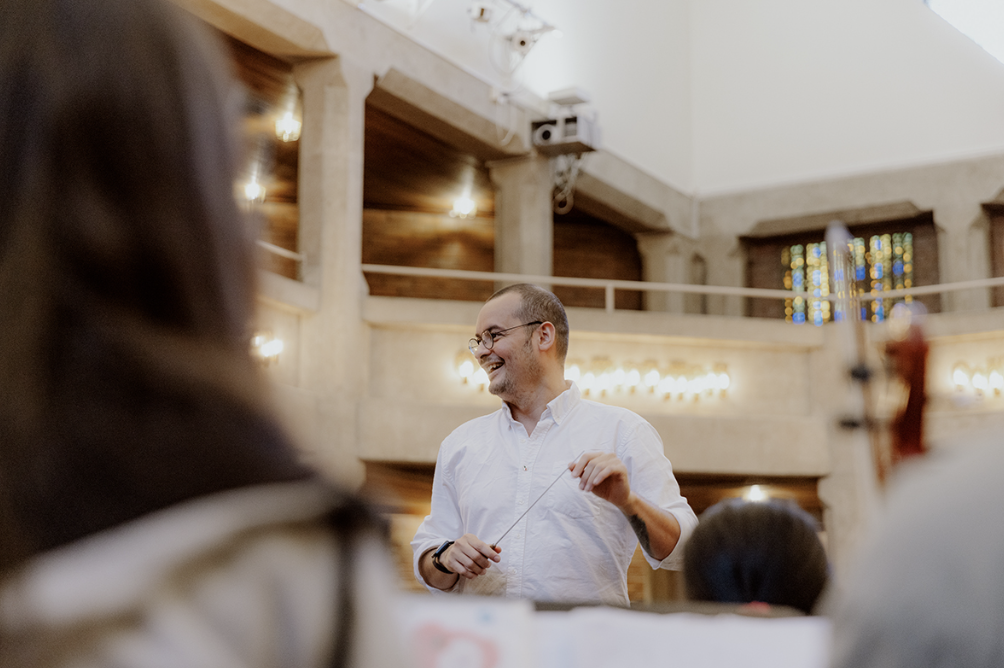
RON: Hi, Jim. Well, thank you very much for the invitation. I was born in Caracas. I started to play music when I was 10 years old. I started through a program called El Sistema.
This is a program that used music as a tool for social change for more than 50 years in Venezuela. That's just actually how I started to learn music. (I came from) a difficult area, and had the opportunity to learn music and start to dream about helping others. Since I was 8 (years old).
About the Dream Orchestra
JIM: Maybe you could describe for us a little bit of what the Dream Orchestra program is. Who is it for, the age groups? How extensive is it?
RON: I was visiting Sweden in 2015 and in that moment it was when the big wave of refugees and asylum seekers was arriving in North Europe and Europe generally from the Middle East. There were kids and unaccompanied minors arriving from Afghanistan and Syria. I was in the central section when I saw the first time so many unaccompanied minors. I was thinking on my way to Gothenburg because I was visiting at that moment. If I move here to Sweden, I will create an orchestra that can provide a safe place for these people who are escaping from war, violence, and, conflicts between countries. Give them a space where they can meet and talk (with a common) language. So that's how actually the orchestra started. Start with 13 kids in the beginning. Now we have many programs in the orchestra. The main orchestra has more than 50 students, but the whole program has more than 400 students. I call this an orchestra for everyone because we have students from three years old until parents who are coming from different countries and also people who are asking for asylum or (for) refugees.
"I will create an orchestra that can provide a safe place...from war, violence, and conflicts."
We have more than 20 nationalities and more than 25 languages inside of the orchestra. We started the orchestra for those who were arriving in Sweden and needed a place to start to connect with other people.
JIM: What would a dream orchestra participant expect to get out of this experience?
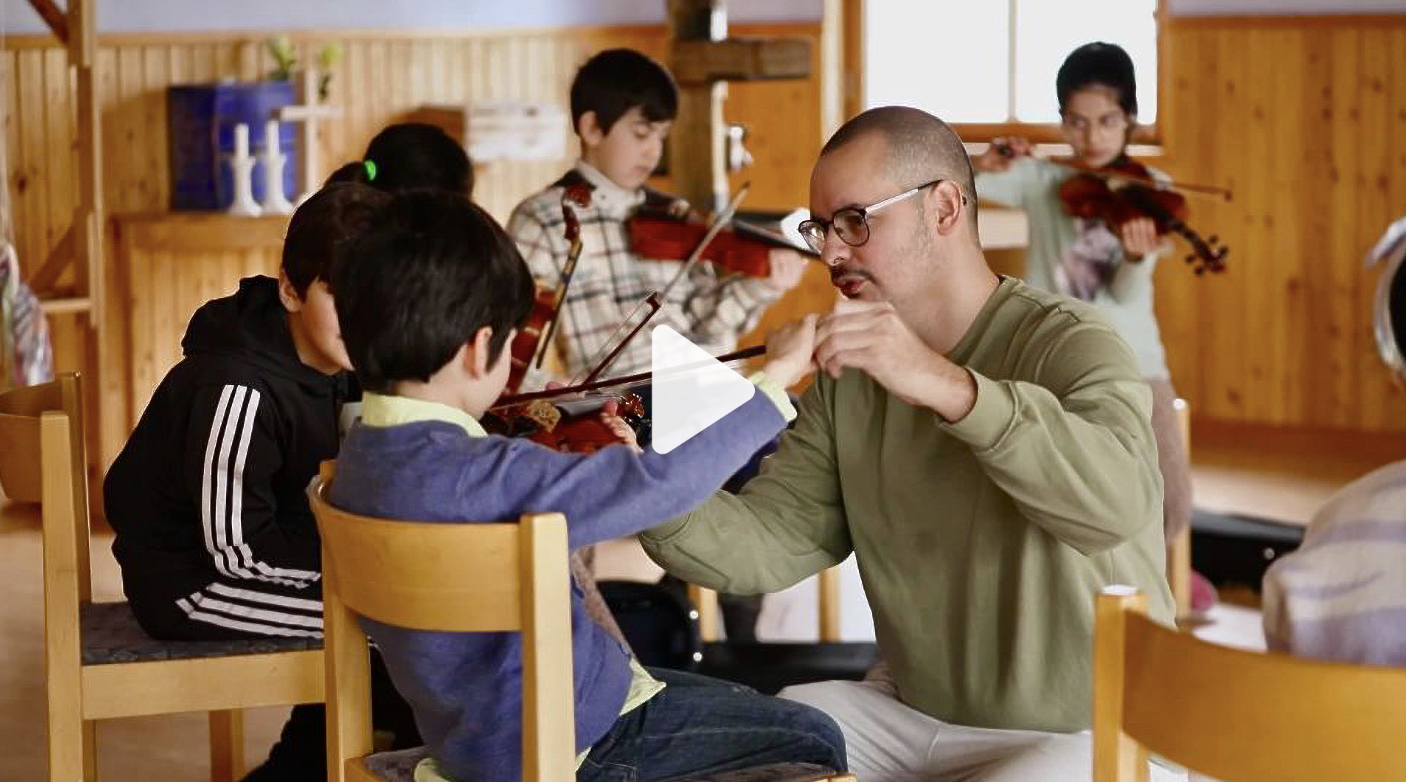
RON: When they come, they normally come without any expectation because they haven't played an instrument before. So most of the time they came (out of) curiosity, just to see what was happening. When I started for the first time, I was coming to a place (that included) accompanied minors, refugees, and immigrants (from many) areas. I would play the violin or the cello and (ask) what instrument you would like to play.
And they were like, we don't know even if we like much to play or not, but it was the way of presenting the instrument. And, in that way, I must say they also were playing music relative to their countries to try to connect them with the music that they like after they can connect with their music. Presenting music that they knew was something that they heard before.
Making a Connection
JIM: It sounds like I'm hearing that you're trying to relate their experience with a dream orchestra is something they can latch onto from their home country.
RON: Yes, exactly. You know, as a migrant, two things will always connect you with who you are and that's music and food. Yes, I do believe that because when you move from one country and go to another, you definitely know that you miss your home country and you miss people and your culture.
"There are two things that will always connect you with who you are and that's music and food."
But then when you connect with music and the food, you really can feel that you are still connecting. I think it's the perfect bridge to keep you developing and also (to) connect with other people.
JIM: So it sounds to me that one of the primary purposes of the Dream Orchestra mission, so to speak, is yes, music, of course, knowing music or learning music, but also connecting culturally. Is that a fair statement?
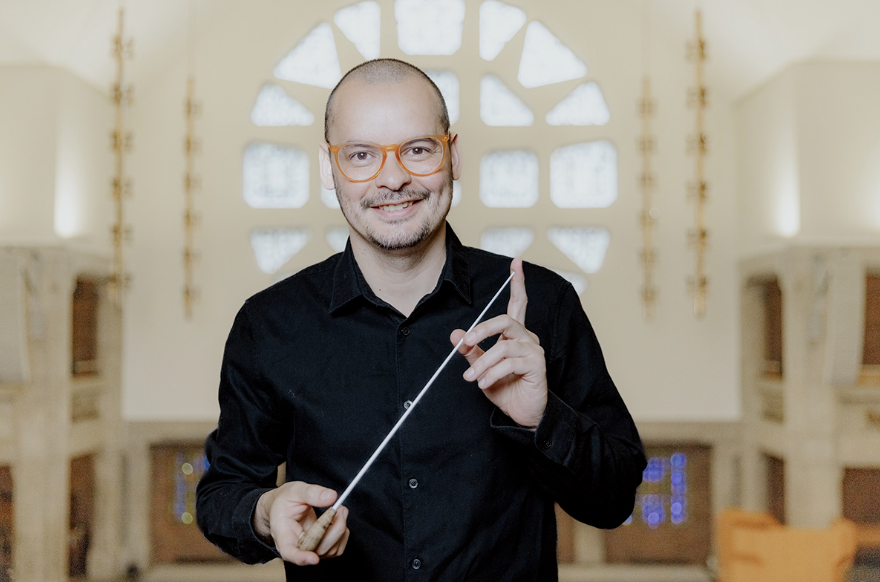
RON: Yes, they are arriving at a place where they feel completely alone. We want to empower them with what they can become. We don't want them to become a professional musician, but we want to guide them. If they want to become a professional musician, we would help them, but we want to use the music as a tool for an important change in the society.
When they arrive in society they bring so much knowledge, but they also (have) so much to learn. So we have to create this space where music becomes that channel and where they can learn a new part of culture and bring their own culture. We need a meeting point. No one decides to be a refugee. You become a refugee because you don't have any more options. We have (taken for granted) that people just came here because they just wanted to leave their own country. Most of the time the people who leave their home country are looking for a better life. But at the same time, some is no other option. It's just you have to leave. It’s not an option.
"We want to use the music as a tool for an important change in the society."
We are receiving a lot of students now from Ukrainian and they normally tell you, my mom would call me at 4 a.m. and say they are bombing and we have to go. They have to leave their place. They have just to go. So in that case, for kids and families who are running into a new country, it's very important to remember that you feel completely lost and how to start to connect to a new language and understand another culture. That's the place we want to create (in) an orchestra. We were able to respect each other and learn from each other. Learn values from the orchestra and social-emotional skills that you're learning when you're playing in orchestra and team building like when you're playing orchestra. It's a society. So that is our main goal, and the orchestra becomes that tool.
Joys and Frustrations
JIM: What is your biggest joy of the program? I can understand that there must be many for you. Why do you do it? What drives you?
RON: What drives me is to see the light in the eyes of my students when I know that they are playing different things, but also to see the students who are born here, for example, in Sweden, meeting with other students who are arriving from a difficult situation. We are creating roads, a place they can dream and, want to be in the future. You know, I like to bring possibilities. I like to bring action. I like to bring options that they can choose and decide and show that we can live in a respectful cultural environment where people can also make their own opinions and respect each other.
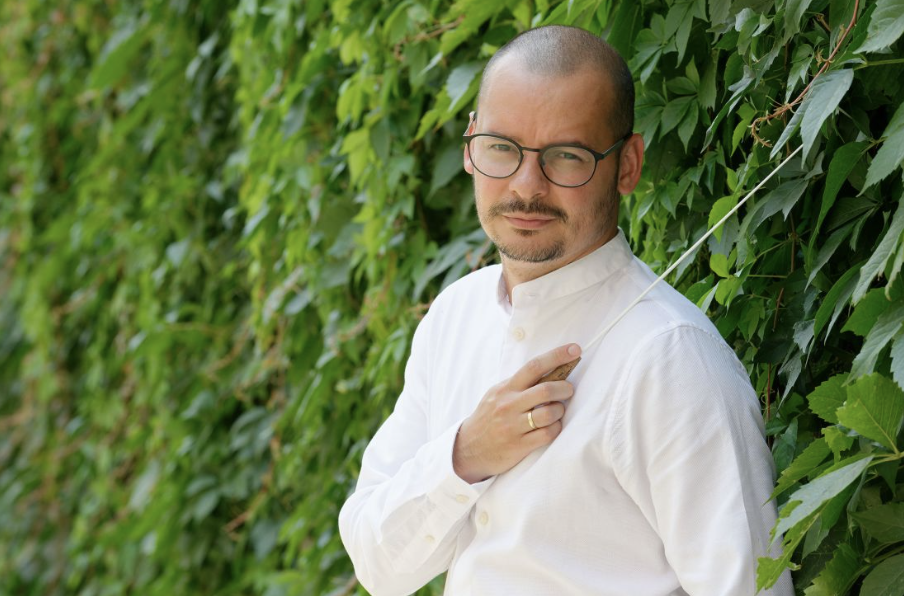
Photo: CNN
Every morning when I wake up, I'm putting something into the world. I'm giving something and doesn't matter if it's just in three schools or one school with 100 kids or 200 kids. I have some classes when I start programs with only ten kids and I say it doesn't matter if it's only one. I will do my best. What is driving me is that you teach your kids by giving options and possibilities for a joyful life and you are giving them so much for their future, that will make an impact in our society.
"We are creating roads, a place they can dream"
JIM: What is your biggest frustration with the program?
Ron: Finances and immigration policies. Sometimes I don't understand how immigration policies can just look at people like case numbers. You are no name. You are not a person. Your name is 000344. That’s terrible. That makes me so sad because you are not a case number. You are a person. You are a human being. You are a person who has feelings. It’s frustrating especially when there are deportations and there are moments where you have to figure out what are the best actions. The other thing is we are a nonprofit organization and we have to strive a lot to get finances. We don't have government (subsidy), we only have private philanthropic organizations who support us.
"We don't work with just teaching an instrument. We also are giving possibility to the kids, to their souls, to the society, to the integration."
For many years already we have had to knock on doors and present why it's important. I don't have a problem explaining why it's important, but I do believe that people should also be open to knowing that it's not easier to get sponsoring projects for culture in the last years. We see it more that politicians and people are cutting and cutting budgets and they always take culture as the first one to take out. So, I must say that we have to work to make people understand that we don't work with just teaching an instrument. We also are giving possibility to the kids, to their souls, to the society, to the integration.
And so, that’s my biggest frustration. To see more and more people who don't understand how important it is to be part of a group.
The Years Ahead
JIM: How would you like to see the program developed? If you could look into the future, where would you see the program 5 or 10 years from now?
RON: I want to create a Learning Center where we can support organizations and teachers who can create and support programs like the Dream Orchestra. We recently wrote a book which is on our website, www.dreamorchestra.se. It’s free because we want to support people that we already see in this world there are so many refugees and crises coming even more by conflict, war, or natural disasters, climate change is making this worse. So we will see more refugees.
We can help refugees, people arriving from different countries as immigrants. We have been working already for a couple of years on this and we would like to offer support to other people not only in Sweden but also to help Scandinavia and Europe and Africa, the Middle East. We believe that giving support and creating a Learning Center will be one of my bigger strengths.
JIM: Do you have any contact with former Dream Orchestra members that have gone on and come back and spoken with you?
RON: Yes. We have a student who is starting a dream. Yeah, we have students who started in the Dream Orchestra and are still playing in the Afghan traditional group.
Many of them start to work and we have some of them getting to university some of them who have graduated and some of them who are working in different businesses. They always come to our concerts and I always have contact with them. I also have contact with the students who have been deported. Before they got the negative (message) to go to Afghanistan, for example, they escaped to another country, but they got permission to go to France or Germany. We're still in contact and we talk to each other. Recently, we sent a cello to one of them because we want to (have them) keep playing the cello. The Dream Orchestra is like a family. You never go out of your family and (never) forget them at all. It's one of the most beautiful things. I love to be part of the Dream Orchestra.
Photo: CNN
"The Dream Orchestra is like a family."
Getting Involved
JIM: Do you have any experience with local volunteers helping with the program? Do you seek local music teachers or local music students who come and offer their services?
RON: Since we started, we have had a lot of volunteers and also students from the university. I was teaching a course at the university on music for social change. I was always inspiring my students from the university to volunteer. We had a lot of volunteers coming every year from the bachelor's and master's programs. We also had volunteers who are parents who started to play in the orchestra and now they help us with logistics and things. I must say that we have a great team of teachers and volunteer teachers who normally get salaries.
We are not a religious organization, but we have a space in a church. They give the space for us to be here. There are people from that church who volunteer. In Sweden, there’s a big culture of volunteering.
JIM: I am curious about this because I see a possible connection being made here between your kind of work and the work of international schools. To see if there would be any connection for any International School music student to would want to help out or start or be involved in such a program. Do you think this is something for high school-trained musicians to get involved with?
RON: Yes, for sure. We also have volunteers coming from other countries to help us. You can be a volunteer for a couple of days, you can be a volunteer for a couple of weeks. You can be a volunteer online. We have a safety (privacy) policy. We have a kind of online support (program). Someone might want to give a master class. So then we invite all our violins in for a master class. There are so many options to be a volunteer.
Photo: Austin Kehmeier via Unsplash
Vision for International Schools
JIM: This is not so much a question as a comment. The vision for the future is that there are thousands of international schools worldwide, many of which run music programs of various degrees and various levels. It would be wonderful to see if students could get involved with this program to see if they could offer their support and somehow where might they turn. If we have students who would be interested in knowing more about you or knowing more about this program or might be interested in helping out.
RON: On our website https://dreamorchestra.se/ we have our e-mail. We can also be found on Facebook, Linked In, X, and TikTok. I mean, there are so many ways to contact us and we always answer people who want to visit us or want to support it in one or another way.
JIM: This sounds like something they could get involved with online or by traveling to a place where there is a dream orchestra. They could work locally in setting up their own (program).
"We CAN make a better world."
RON: Yes you can. This is a very important point because sometimes of course you can come and help your dream orchestra online or come here to Gothenburg, This would be nice always to open your eyes and see what you have around. And see in what way you can support and develop your community in your place. Because that's the way we can make a better world. It's not just of course supporting programs, so it's wonderful, but also you have to see around you. In that way, we believe that we can create this type of spot all around the world, and we can get a better, better, better world.
Closing Thoughts
JIM: Ron, this has been wonderful. Do you have any closing thoughts that you'd like to give to our listeners?
RON: Well, yes, I would like to say that sometimes we as a person want to help and sometimes we as a person believe in people. Sometimes you get a very big wall to stop you or try to stop you. I must say that you always have to believe in yourself and your passion to help others. When some doors (seem) closed, you should never give up and see how you can support one or another way. I repeat that every day to myself and also to my students. If we don't get today what we wanted, we work to get it tomorrow. And if it's not tomorrow, maybe the day after tomorrow. But the important (thing) is to keep going and try to give your all to that society and humanity.
Music and art can make the world better, but only if it guides and gives students the possibility to love music.
JIM: You are an inspiration, not just to me, but to thousands of people in the international community. I can see why CNN named you a hero. You certainly are one. You're an inspiration. Thank you. Thank you very, very much. I look forward to hearing more of your work and I hope that we can inspire future students to be involved in your mission of helping others through similar programs.
RON: Thank you, Jim.
Resources
To find out more about The Dream Orchestra, Ron Alvarez, or starting a volunteer ensemble in your community, see the following resources:
- https://dreamorchestra.se/
- https://edition.cnn.com/2024/08/16/world/his-love-of-music-is-helping-refugees-and-immigrants-build-new-lives/index.html
- https://www.nobelprize.org/events/nobel-week-dialogue/gothenburg-2023/panellists/ron-davis-alvarez/
Questions for Reflection
- Would there be a possibility to offer music to refugees near you?
- After listening to this podcast, do you have thoughts on the power and impact music could have on refugees?
- As a student, would you see such a project as a possibility for a CAS ( Music & Creativity, Activity and Service (CAS) or as a CMM (Contemporary Music Maker - Overview & Lessons)
- Ron remarked, "We don't work with just teaching an instrument. We also are giving possibility to the kids, to their souls, to the society, to the integration." Do you have any thoughts on how music is vital for social integration?
- Who might you reach out to to initiate music volunteer work in your area?