AI and Arts Education
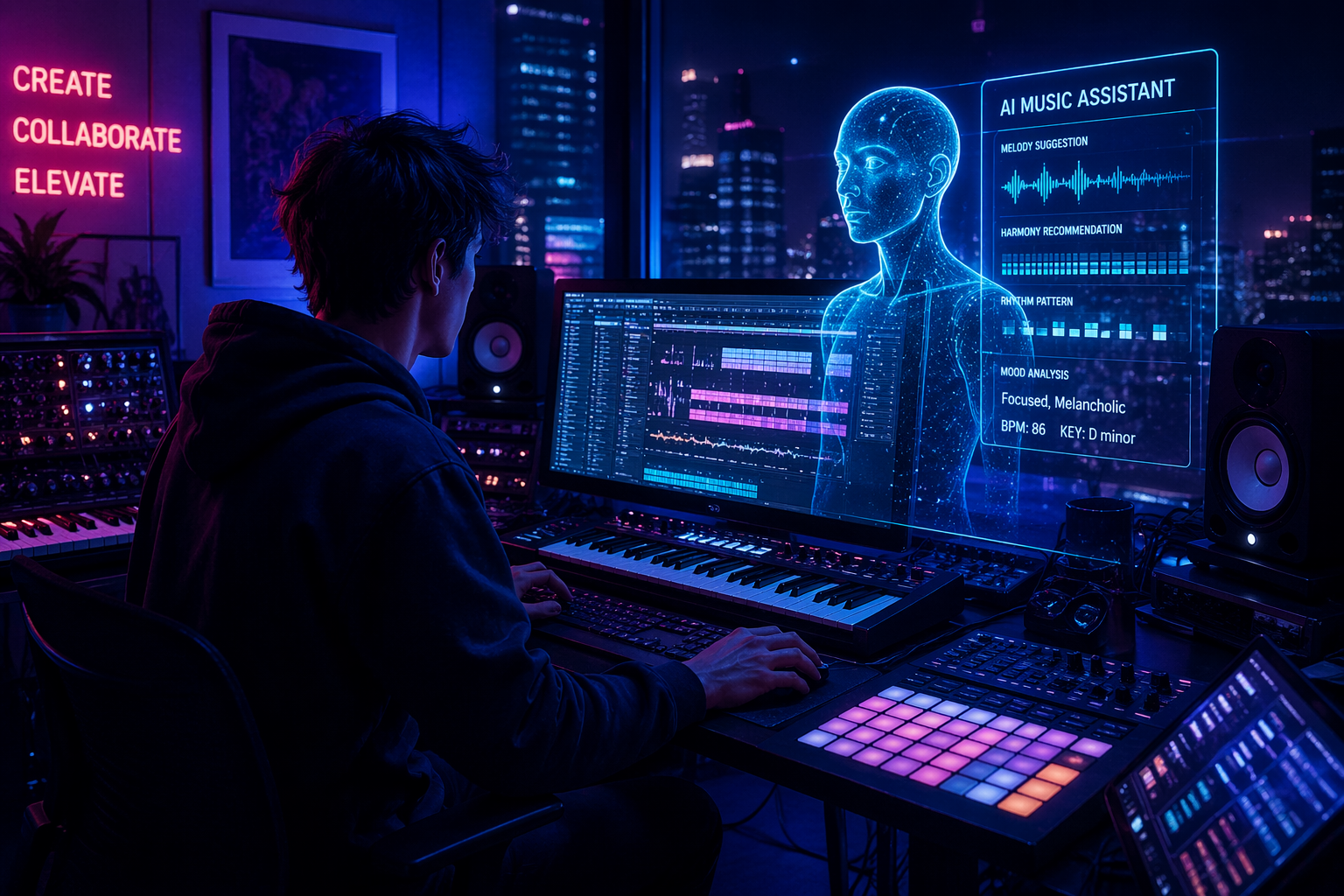
Embracing AI
Artificial Intelligence is a reality. It’s developing at a rate faster than we could imagine. As Global Music Educators, what's our role? How can we use AI effectively and positively? How will it impact our societies and cultures?
There is no denying that it will transform our way of teaching. When I first started teaching, many years ago, I was taught to be the “knowledge-giver,” the “expert”. It was my primary responsibility to impart this knowledge to students and have them apply it to developing new skills and proficiencies.
Since my first years of teaching, one concept has remarkably altered my approach to education. Specifically, students now have the capacity to acquire knowledge at a rate faster than we, as teachers, can give it to them. With these thoughts in mind, it will become more essential to embrace AI and use it effectively. We, as teachers, therefore, are assuming new roles. What are these roles, and how are we going to be able to embrace them?
Students now have the capacity to acquire knowledge at a rate faster than we, as teachers, can give it to them.
The IB has offered several supporting documents regarding the use of AI. These can be found in the resource section of the IBO website. Here, though, are two cardinal rules:
- If the student used AI to help them learn, then it is acceptable.
- If the student pretended to do something they did not, then it is not acceptable
source: resources.ibo.org/dp/topic. Academic-honesty
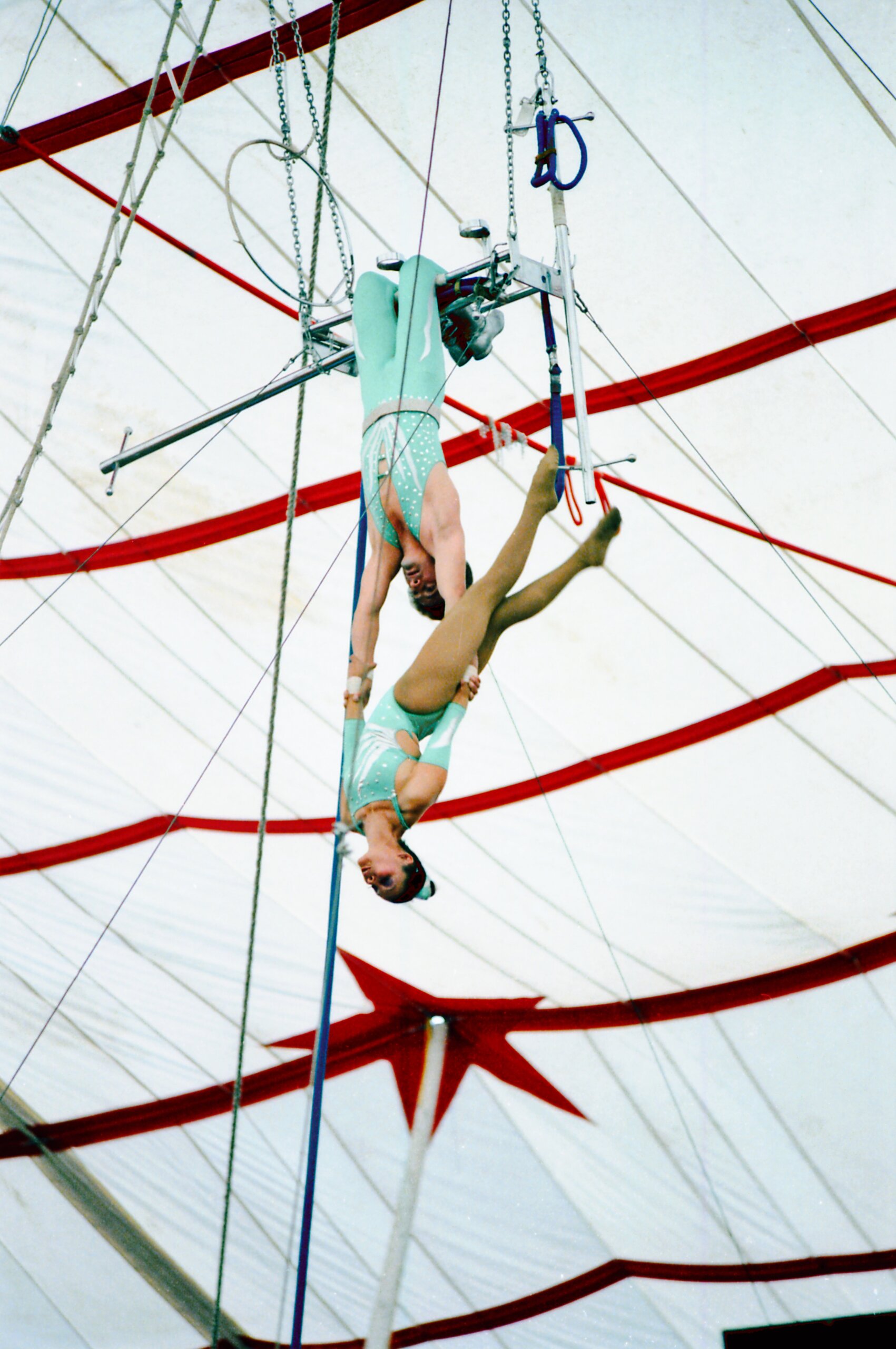
As arts educators, we concern ourselves with teaching the humanities. Humans are fallible. We make mistakes, but making mistakes and learning from them is core to the arts and the development of creativity. Without this process, we would not be human.
Author Yuval Noah Harari points out, “Merely increasing the quantity of information in a network doesn’t guarantee its benevolence, or make it easier to find the right balance between truth and order.” He explains that information networks don’t maximize truth; often, the truth is sacrificed for the sake of order."
Machines will be programmed to find some sort of order in information, but the truth can be messy. How then are we as humans to navigate through the maze of truth vs. order? Again, consider that we are humans and we are fallible.
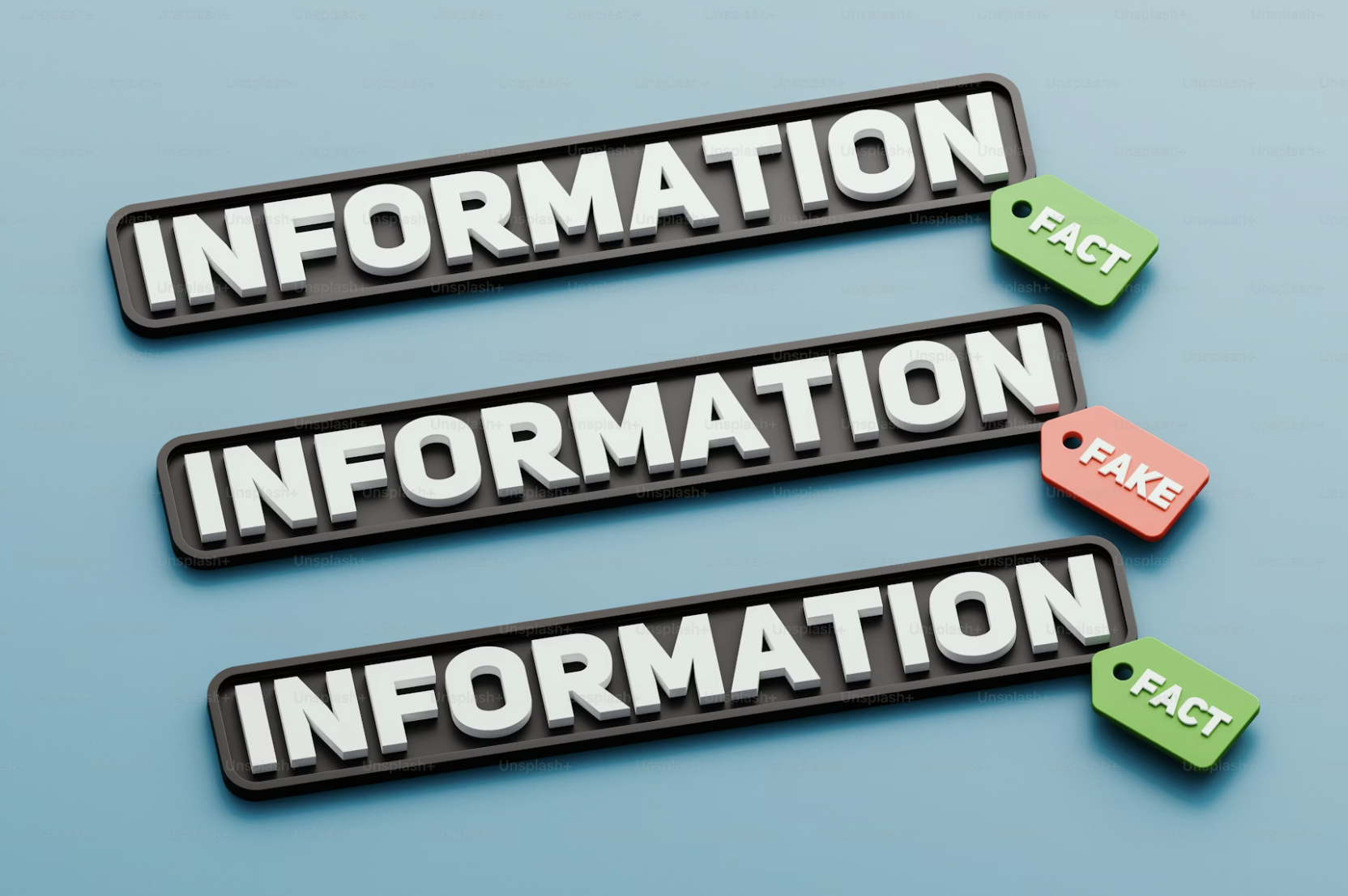
When we seek information, how can we be sure this information is true? How are we to trust the information we are finding is true? How do we trust the sources and the people who wrote them? These are inevitable questions that will need to be addressed as we unpack AI.
The arts and humanities teach us to question, critique, explore, and at times become provocative. Harari continues, “Strong self-correcting mechanisms tend to create doubts, disagreements, conflicts, and rifts and to undermine the myth that holds the social order together.”
As arts educators, we want students to generate new and unique ideas. Building a sense of trust would seem to be a cornerstone for the use of AI. Not only trust in the source of the information, but also trust among students and teachers. As arts educators, we ask students to delve into and expose their own souls. This can be a challenging and scary process for young adults and their teachers. Yet, this is essential to the arts. AI will no doubt have an influence on this process. We have a lot to learn.
For further insight:
See section on TRUST on site: Building Trust
Using: Artificial Intelligence
Source:
Harari, Yuval Noah. Nexus: A Brief History of Information Networks from the Stone Age to AI. Fern Press. 2024.