Curbing Hospital Noise
Creating a Healing Soundscape
The beeping monitors, harsh lighting, and constant disruptions of my prolonged hospital stay vividly reminded me of a lesson I once taught. In it, students were challenged to conceptualise and compose a personal "healing soundscape." They were given an authentic recording of hospital ambient sounds and tasked with superimposing their own music over it. The goal was to transform these clinical noises into a soothing environment designed to facilitate calm and support recuperation.
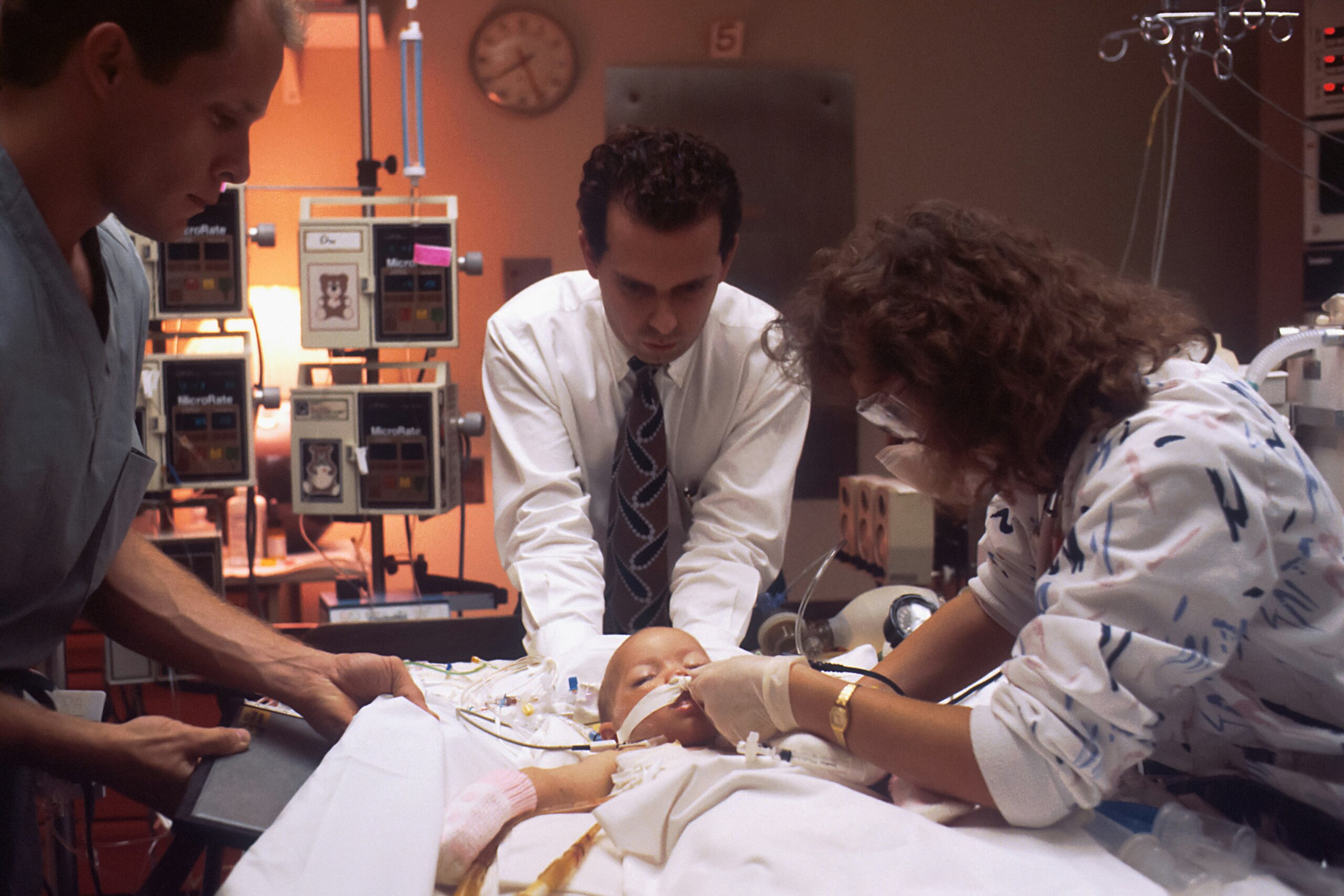
“Intensive Care” Photo by National Cancer Institute on Unsplash
Pre-Task (Music and TOK):
Consider the following questions and then read the BBC article on hospital noise (click on the TITLE below). You should write your responses in your music journal.
1. The article states that “noise levels in intensive care… regularly exceed 100 decibels,” which researchers equate to “loud music being played through headphones.” This framing uses scientific measurement to establish the severity of the problem.
Q1. How can quantitative data, like decibel levels, fail to capture the subjective experience of sound, such as a tea trolley providing comfort, and how do emotional and contextual ways of knowing transform noise into meaningful signals?
2. The article notes that “intensive care psychosis” can be triggered by a relentless acoustic environment where sounds lack identifiable origins. In music, function describes how sound operates within a specific culture, whereas intention refers to the conscious purpose behind a musical or sound choice.
Q2. How do the differing perspectives of medical professionals and patients create a conflict between a sound's function and its perceived intention, and what are the ethical responsibilities of, say, a creator in resolving this tension?
3. The project asks you to create music that “resonates with you” and that you find soothing, which grounds the task in personal knowledge and subjective experience. Yet the article highlights that noise pollution has been “implicated in the development of… intensive care psychosis” and other measurable health outcomes, claims justified through scientific inquiry in the human sciences.
Q3. When evaluating music for healing, should we prioritise personal feeling or empirical evidence, and where do the arts and human sciences converge or conflict in defining "therapeutic" sound?
Hospital Noise Levels Growing Worse, say researchers
Hospital noise levels growing worse, say researchers. (2018, November 19). BBC News. https://www.bbc.com/news/health-46235052
Sample (edited) responses from students to the question posed above:
Question 1:
Data like decibel levels measure sound intensity but cannot capture its subjective meaning, as demonstrated by the comforting association of a tea trolley's noise (more comforting obviously to those who have grown up with this sound than those who have not). Emotional and contextual ways of knowing, such as personal memory, cultural association, and situational interpretation, transform objective noise into meaningful signals, where the perceived value of a sound depends not on its volume but on the listener's internal framework.
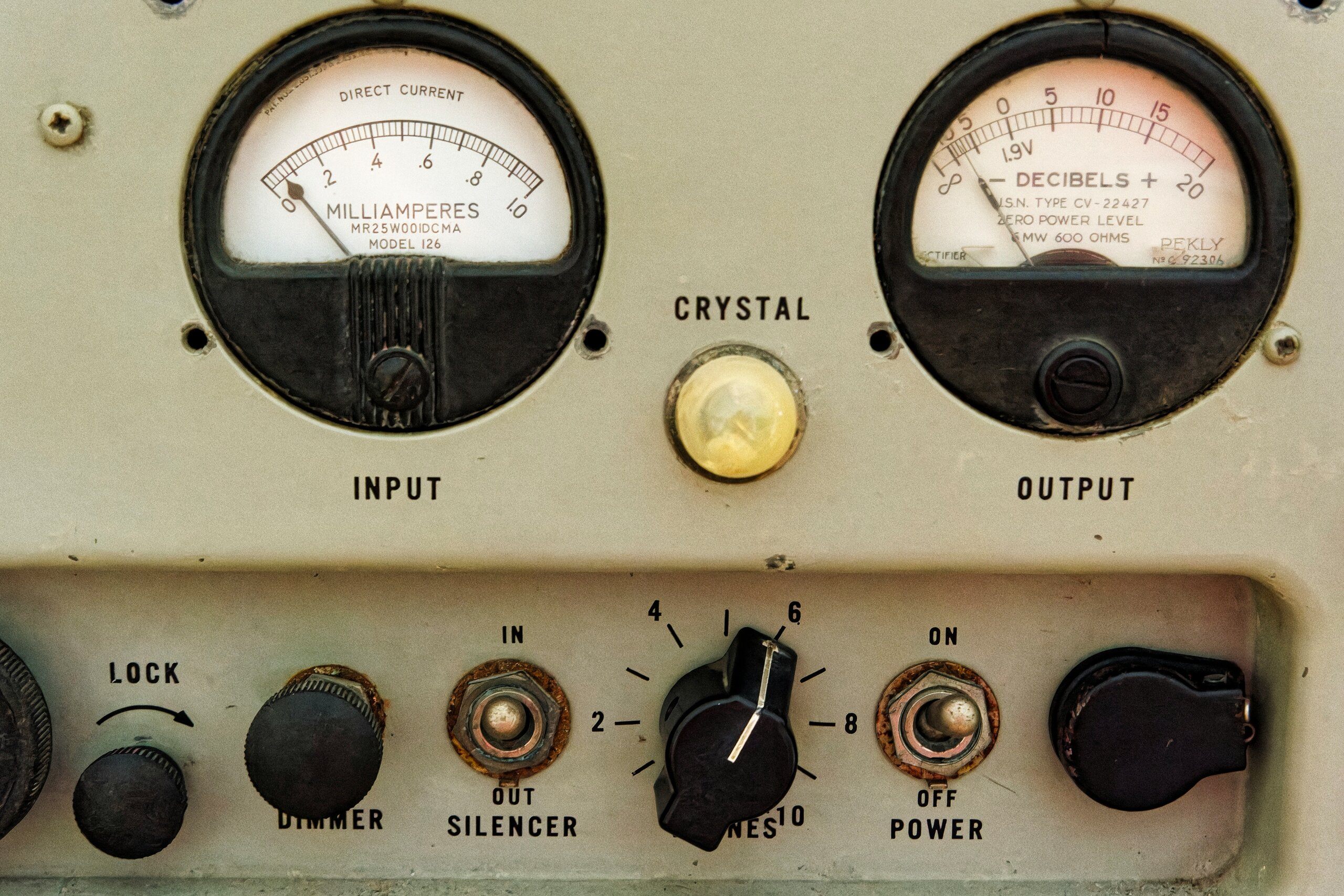
“Decibels” Photo by Eric Prouzet on Unsplash
Question 2
The conflict exists because the function of a hospital alarm is to communicate urgent medical data to staff, while the intention perceived by the patient is often one of unexplained danger. Through the lens of perspectives, staff view high-decibel alerts as essential "signals," whereas patients experience them as "noise pollution" that destroys their sense of safety and harmony. A creator must balance these needs by ensuring functional sounds remain recognisable to staff but are transformed or "masked" to reduce potential trauma for the patient. Ultimately, a designer must use "informed musical decision-making" to ensure that sounds with a comforting intention are preserved to transform the patient's experience from fear into understanding.
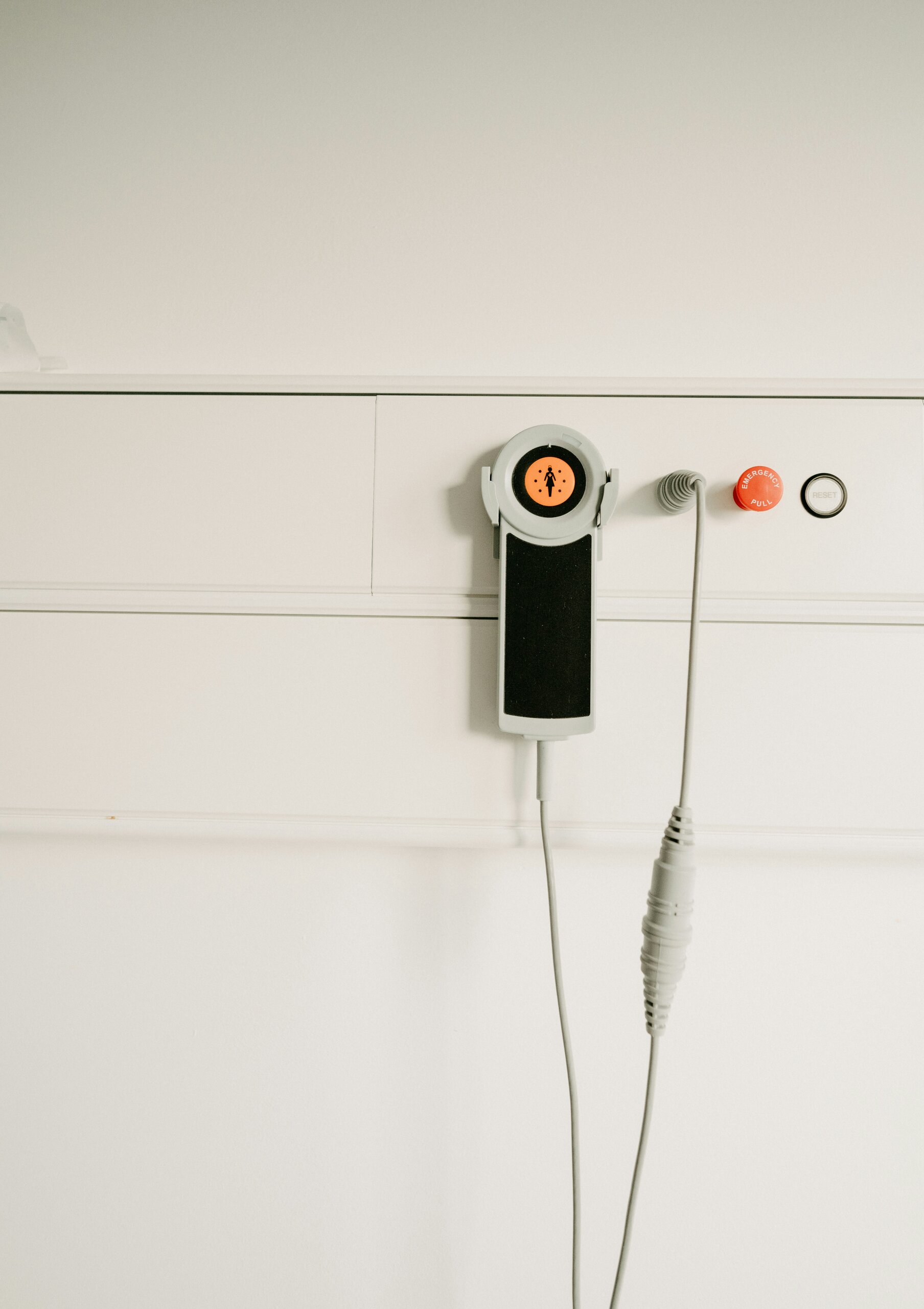
“Hospital Alarm” Photo by Annie Spratt on Unsplash
Question 3
Personal feeling and empirical evidence are both essential. Personal feeling grounds therapy in individual experience, while evidence validates the broader effects. The arts and human sciences converge in recognising sound’s impact on well-being, but differ elsewhere: the arts prioritise subjective meaning, while sciences seek objective causality. Therapeutic sound integrates both, using evidence to guide design while honouring personal and cultural experiences.
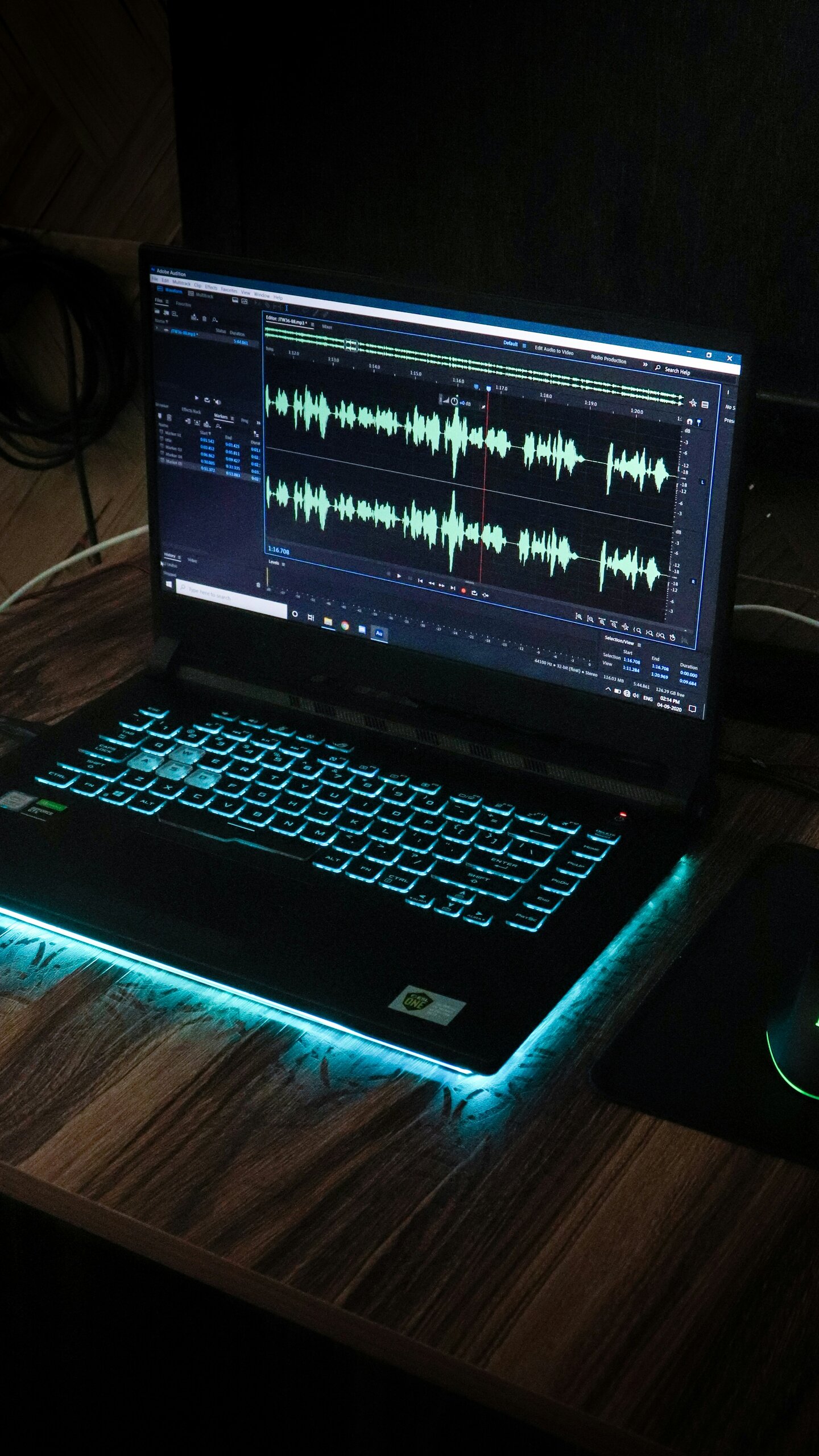
“Sounds” Photo by Ritupon Baishya on Unsplash
Instructions:
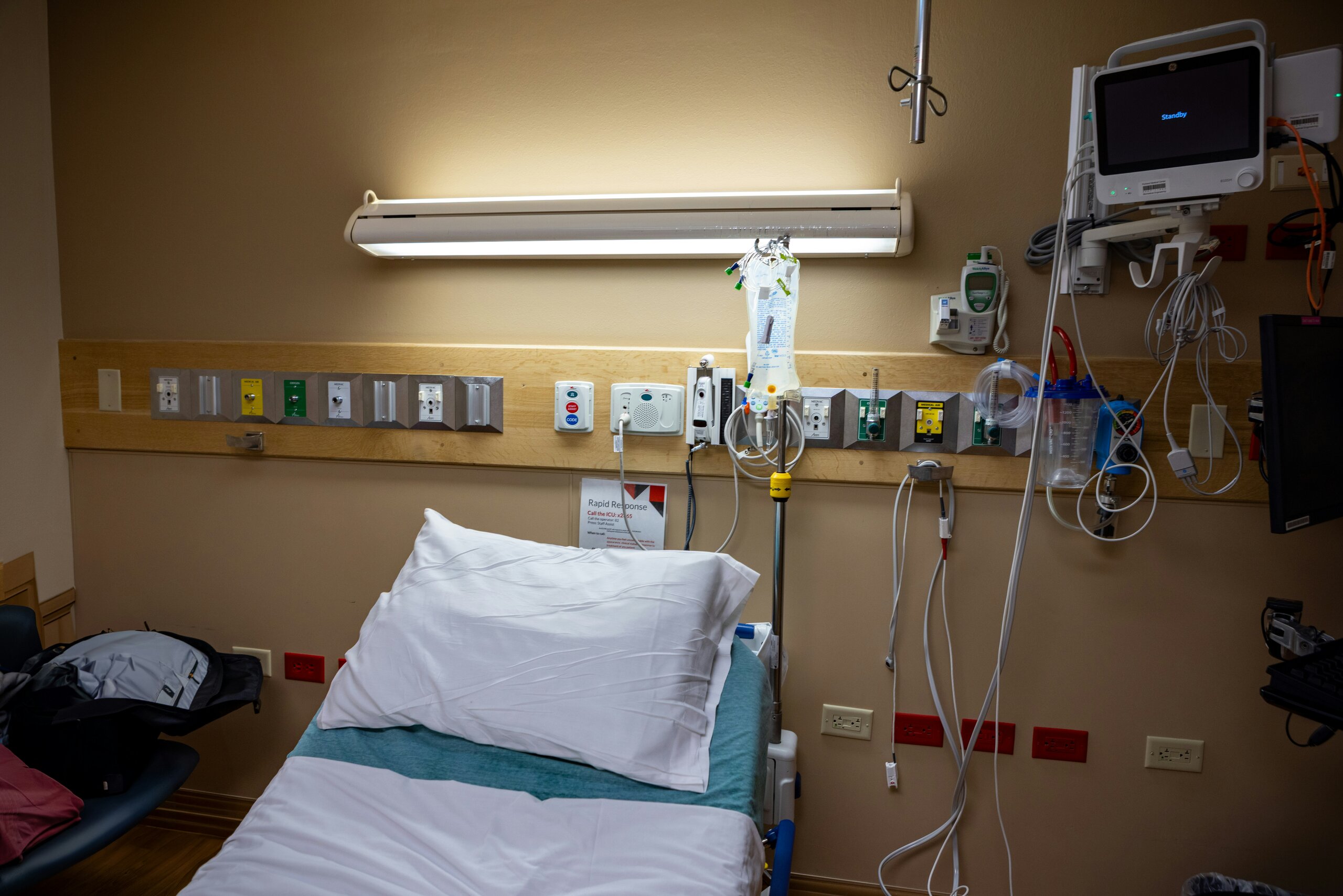
In this scenario, you are a patient admitted to a hospital for an extended stay in a communal ward, aware that the acoustic environment of the facility, filled with sounds from a television, medical equipment, staff communications, visitors, and moving gurneys, could disrupt your rest and recovery.
You are invited to consider how sound can be both a disruptive force and a therapeutic tool. Your task is to explore how intentionally curated auditory experiences, such as soundscapes, or noise-masking compositions, can be designed to counteract unwanted noise, promote calm, and support healing.
This exercise encourages you to apply your understanding of musical elements, acoustics, and the psychological impact of sound to a real-world health context.
“Hospital - Communal Ward” Photo by Judy Beth Morris on Unsplash
Using a programme such as Soundtrap (click HERE), import the provided audio track (see below), which will serve as the foundational element of your project. Your task is to compose original music that you believe would best support recuperation in a hospital environment. You may work within a single musical style or incorporate a range of styles, and you are free to choose any instruments or sounds you find appropriate. Consider how your musical choices can create a calming, restorative atmosphere. The composition should reflect what personally resonates with you as soothing and supportive of healing, allowing you to express both creative intent and an understanding of music’s therapeutic potential.
https://teacher-sites-storage.inthinking.net/ib/music/music-links/hospital-ambient-sounds-1.wav
For a range of DAW and other relevant software, you may visit HERE.
Here is some of the work that the students have produced, along with some (edited) reflections:
Student 1 Healing Soundscape:
https://teacher-sites-storage.inthinking.net/ib/music/music-links/sample-hospital-noise-1.mp3
Student 1 Reflection:
During my childhood, my father would often play his acoustic guitar while I completed my homework. I never perceived this as a distraction; rather, it provided a sense of comfort, reinforcing the importance of music in his life. His playing seldom consisted of complete pieces, but instead comprised fragments from various songs or even short improvisations. While my recollection may not be entirely accurate, this impression has shaped my personal understanding of music.
In the context of a hospital stay, such fragmentary, non-linear musical material would evoke these positive associations, offering emotional resilience and a sense of familiarity. This personal experience has informed my approach to this creative task, which seeks to support my well-being while recovering.
Student 2 Healing Soundscape:
https://teacher-sites-storage.inthinking.net/ib/music/music-links/sample-hospital-noise-2.mp3
Student 2 Reflection:
In my leisure time, I frequently listen to lo-fi music. I believe its appeal lies in the fact that it does not require focused attention, is disconnected from my formal musical commitments in ensembles, and it is not something that we have, until this point, covered in the IBDP music course. For me, it serves as a form of mental escape and reinforces the understanding that music can fulfill diverse functions beyond performance or study.
This perspective has directly informed my compositional approach for this project. I have incorporated a spectrum of sounds, blending purely acoustic ones with synthetic elements. This fusion reflects my belief that music is versatile, capable of integrating varied textures to create cohesive and functional auditory experiences.
Student 3 Healing Soundscape:
https://teacher-sites-storage.inthinking.net/ib/music/music-links/sample-hospital-noise-3.mp3
Student 3 Reflection:
I have always regarded the human voice as the most expressive and personal of instruments. For this project, however, I did not intend for the vocal element to feature particularly prominently. Instead, I sought to integrate it as an atmospheric layer within the broader texture, aligning with my goal of creating an immersive auditory environment.
Considering that the piece may be listened to repeatedly throughout a recuperation period, I determined that the music should remain relatively non-descript; that is, avoiding a strong narrative or emotional directives that might become dull over time. To achieve this, I balanced the vocal line evenly with instrumental accompaniment and intentionally rendered the text nearly indiscernible. This approach allowed the work to function as a subtle, evolving soundscape, where repeated listening can reveal new nuances and maintain a sense of calm without demanding focused attention.
The pedagogical framework of the IBDP Music course should encourage students to view music not merely as an aesthetic pursuit but as a functional one with the capacity to influence social contexts and the human experience.

This lesson could be adapted for the Presenting Music as a Creator component, as it hopefully compels the learner to consider the intentionality behind musical choices, shifting the focus from abstract creativity to the construction of an environment that fulfils a specific restorative function. By investigating the tension between the functional requirements of an hospital and the therapeutic needs of the patient, students develop an understanding of musical aesthetics and ethics. Such an exploration ensures that their creative output is grounded in a clear rationale.
“Seeing a Different Perspective” Photo by Anh Vy on Unsplash
Furthermore, this specific lesson provides a intellectual foundation that is particularly suited for higher-level students as they begin work on their Contemporary Music Maker project. This component demands a clear understanding of how a musical project can serve a defined purpose within a real-world setting, moving beyond the traditional boundaries of performance and composition to explore something as profound as the ever-developing world of music therapy. This intersection of the arts and human sciences ultimately empowers learners to lead projects that are not only musically worthy but also socially impactful, fostering a more holistic and compassionate approach to their practice as contemporary musicians.