Australia Cuts Social Media for Young Teens
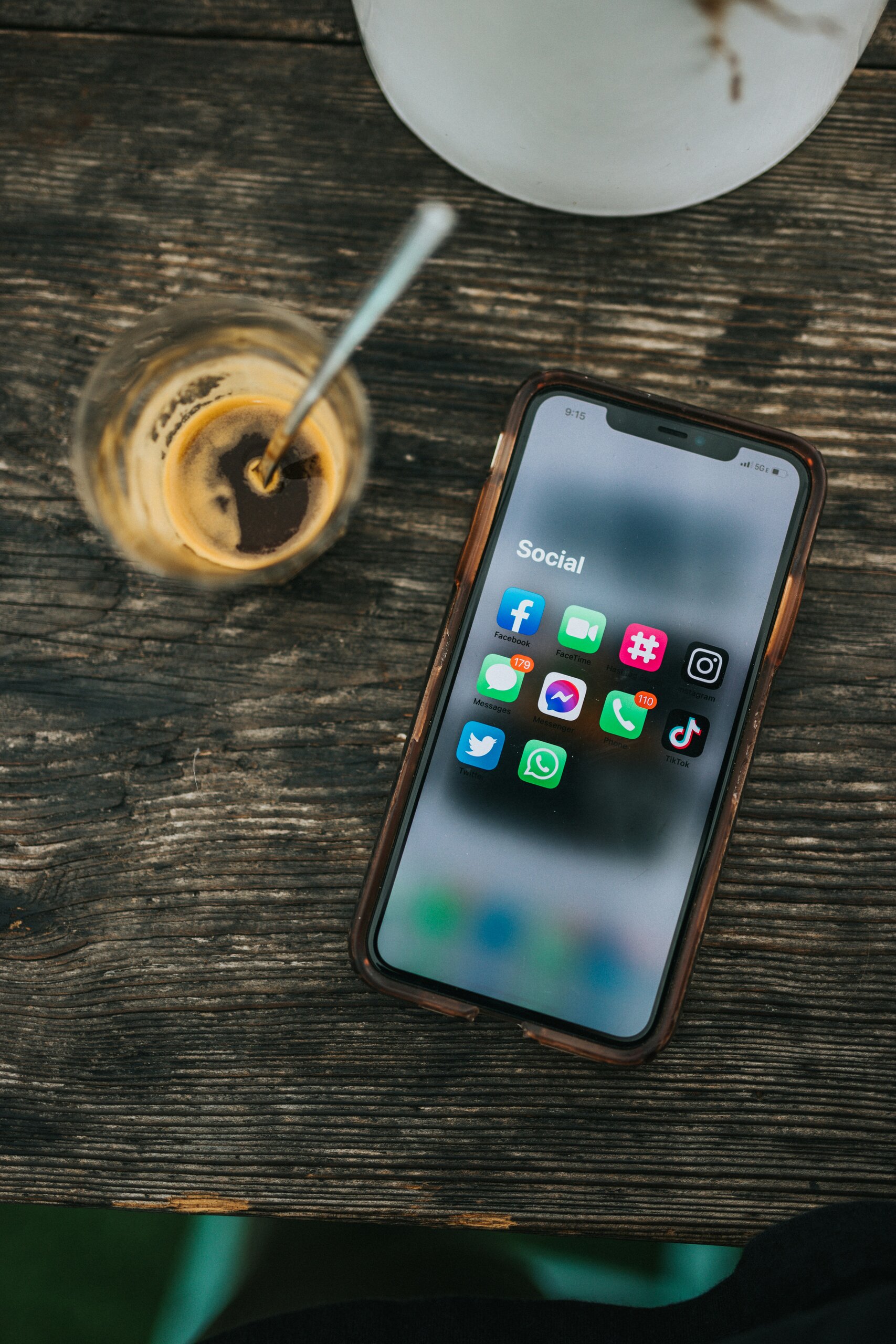
The Australian Social Media Ban
In an unprecedented move, Australia has implemented a landmark law prohibiting individuals under the age of 16 from accessing major social media platforms. This legislative action, one of the most comprehensive of its kind globally, has ignited a complex international conversation about digital safety, youth autonomy, and the very nature of online community. This blog summarises some of the key issues and the implications for the IBDP music course.
This real-world event offers a powerful, immediate case study directly relevant to the IBDP music curriculum. While Diploma students are typically 16 or older, this policy directly impacts their younger peers and the broader digital ecosystem in which much of contemporary music exists.
 In some schools, the ban is being applied uniformly to all students, as the logistical complexity of permitting access only for those aged 16 and older is too difficult to manage. This policy directly challenges our students' understanding of a key IB concept: the local context. For many young people, the platforms affected by the ban, including Facebook, Instagram, Threads, TikTok, X (formerly Twitter), YouTube, Snapchat, Reddit, Kick, and Twitch, are not merely sources of entertainment; they are primary spaces for musical engagement. This is primarily a place for where genres are discovered, fan communities are built, and personal musical identities are formed through sharing covers, playlists, and original compositions often in their immediate geographical constituency. The impending loss of these accounts has caused genuine distress among teen creators who rely on these platforms to share their music. Legislating access to these spaces fundamentally alters a major pathway for musical exploration and participation. If a dominant digital space is removed, where does that cultural activity go, and what does that mean for musical discovery and expression?
“The World” Photo by Nifty Leather on Unsplash
This policy also presents a rich opportunity to examine the balance between protection and access, a tension often present in these discussions. While the law aims to shield youth from documented risks, critics warn it may inadvertently push exploration into less-regulated corners of the internet. This mirrors a challenge in our curriculum: students must learn to balance their personal creative voice with the structured conventions of a studied musical style, navigating between a degree of freedom and a rigid framework.
 Ultimately, this news story is an opportunity for discussion. It allows us to guide students in analysing how policy can reshape personal, local, and global musical contexts. It provides a live case for practising critical evaluation of diverse sources, from government statements to tech company responses. Most importantly, it fosters ethical discussion about who decides the boundaries of cultural participation. By integrating this contemporary issue into our lessons, we move beyond theory, helping students understand how the evolving digital world, and the laws that seek to govern it, actively shapes the art of music itself.
“Interviewing students” Photo by Mapbox on Unsplash
References
Kim, V. (2024, November 28). Australia has barred everyone under 16 from social media. Will it work? The New York Times. https://www.nytimes.com/2024/11/28/world/asia/australia-social-media-ban-law.html
Lam, L. (2024, December 5). Meta starts kicking Australian children off Instagram and Facebook. BBC News. https://www.bbc.com/news/articles/cdxekqryn1jo
Whiteman, H. (2025, November 30). What happens when you kick millions of teens off social media? Australia’s about to find out. CNN. https://edition.cnn.com/2025/11/29/australia/australia-social-media-ban-intl-hnk-dst