What is Freedom?
The question of freedom, democracy, and human rights has been at the forefront of most of our minds in recent times. As I read and reflect on what it means to be free, I realize that I have lived a fairly privileged life. I was born a decade after the end of World War 2 and grew up in the United States. When I was in high school, the US was on the verge of pulling out of Vietnam, but the Cold War and the threat of nuclear disaster were ever present. Still, these political situations seemed far away, and I realized I led a fairly sheltered life. I grew up with the freedom to express myself the way I wanted to. This usually meant I was able to express myself through the music I made, created, and listened to. I never realized that many, if not most, of the kids my age throughout the world did not have the chance or freedom to do this. As I look back, I realize how much I took freedom for granted.
The topic of freedom and the relationship of freedom to music intrigues me. I’ve recently read the book “On Freedom” by Timothy Snyder. He has done considerable research on the question and identifies the habits of mind that allow for future generations to flourish freely. He discusses the five forms of freedom. They are sovereignty, unpredictability, mobility, factuality, and solidarity. Let’s break these down.

The first form of freedom that Snyder describes is sovereignty. He describes sovereignty as “the learned capacity to make choices.” He describes a sovereign person as one who…” knows themselves and the world sufficiently to make judgements about values and to realize those judgements.” He says that we gain knowledge of ourselves when we acknowledge others. He continues, “When we identify (with other people) as they regard us, we understand ourselves as we otherwise might not. Our objectivity depends on the subjectivity of others.”
He points out that when we begin to see other humans as ourselves, we begin to gain objective knowledge about the world. He discusses negative and positive freedom. Negative freedom, although described as freedom from others, blocks us from seeing what we would need to be free. Those who want us to be unfree create barriers. A sovereign person, therefore, takes it upon themself to understand the world and sees that we need to build together to be free.
People who sing and play instruments express themselves in ways that are unique and reveal their innermost feelings and emotions. They communicate and build understanding. Our bodies can make music, and this is a form of sovereignty.
According to Snyder, the second form of freedom is unpredictability. He states, “unpredictability is the power to adapt physical regularities to personal purposes.” He goes on by saying, “a young human being learns to see the world as it is and to imagine how it might be.”
Consider this story…A black family was living in Florida in the 1920s. Florida at this time was one of the epicenters of Jim Crow. Racial prejudice was rampant and violent. The father feared for his life due to lynching. In the middle of the night, he, his wife, and young son escaped this horror via the Underground Railroad and eventually ended up in Virginia. They sought refuge through a minister of one of the churches in a small community,

The young boy was naturally restless and needed something to keep him occupied. His father found a saxophone, which the boy loved and practiced all day and night. He practiced so much that he disturbed his family and his neighbors endlessly. The minister gave the young boy the keys to the church. He said that as long as there was no church service, he could practice in the basement for as long as he wished. That young man turned out to be John Coltrane,
Had Coltrane’s family not moved at the last moment to the North, there probably would not have been a John Coltrane, and the development of bebop could have taken on a different direction. Be-bop went on to become one of the cornerstones of the American Jazz movement and laid the framework for rock and roll, pop, and more. These circumstances were unpredictable but yet happened due to free choice.
The third form of freedom is mobility, or the “capacity to move through space and time following values.”
Snyder states, “Our bodies need places to go. We cannot, as young people, create for ourselves the conditions that will allow us to be sovereign and unpredictable. But once these conditions have been created, we rebel against the very institutions that made them possible and go our own way.” Therefore, mobility is a form of freedom that needs to be encouraged.
When people are mobile, they can seek basic human rights. These include access to food, water, hygiene, climate, health care, roads, transportation, and more. People need to feel safe in the pursuit of these basic human needs. Many leave their home to escape persecution, as was the case with the Coltrane family. In many cases, they need to be cared for and nurtured. Why do immigrants migrate? It’s not because they want to. Most immigrants would rather stay in their country of origin and be with family and loved ones.
Mobility, whether it be within one’s own country or across national borders, offers humans the right to live a better life. Being static and trying to maintain the status quo will eventually need to be compromised. Mobility, therefore, is a necessary trait for the preservation of freedom.
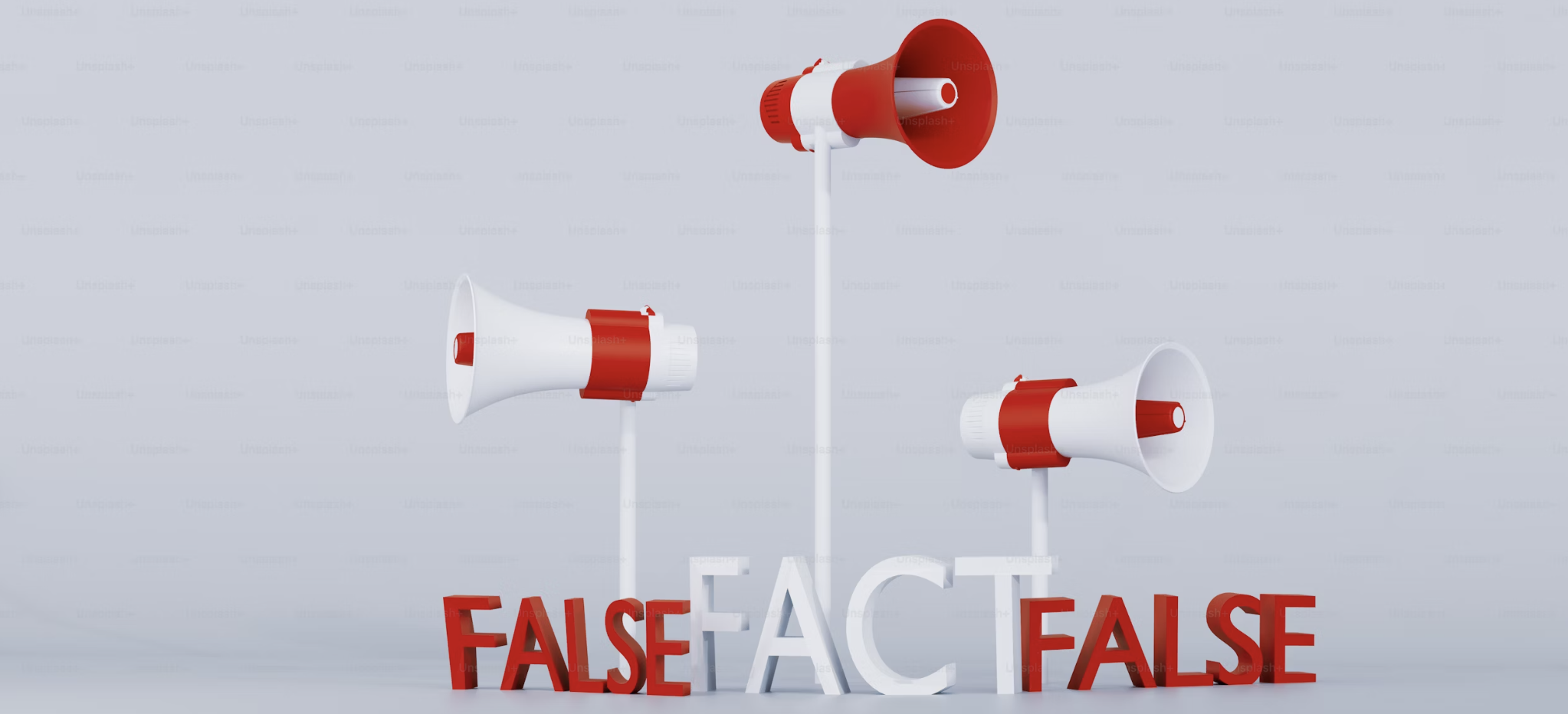
Snyder states, “We are free to do only the things we know how to do, and free to go only to places where we can go. What we don’t know can hurt us, and what we do know empowers us.” If we neglect knowledge, we cease to be and run the risk of being manipulated. We need to have the freedom to make our decisions based on factual knowledge. Those who withhold knowledge or spread lies deprive one of their right to freedom.
Critical thinking, the ability to question and challenge, to reason and to debate, are essential elements toward seeking facts. Snyder emphasizes that “we have to respect what is, peel away from it, transform it, and create something we think should be.”
Pablo Picasso was attributed to saying, “We all know that Art is not truth. Art is a lie that makes us realize truth.” Art documents a period, an event, a social condition, people, time, places, beliefs, values, wealth, poverty, good, evil, and much more. Through the study of the arts, we learn to inquire and peel away the layers of what we see and hear. We experience humans from other perspectives and can decipher different points of view.
The process of creating, seeing, hearing, and performing art is a way of seeking truth and facts about ourselves and other people. It is only possible when we have the freedom to explore and investigate it.

Snyder's last form of freedom is solidarity. He states that no individual achieves freedom alone. No one alone can be free. We need each other. Freedom needs to be for everyone. There needs to be a sense of responsibility for everyone as we uphold the principles of a free society.
Historically, solidarity has manifested itself with the through various causes and topics. Examples of which have been evidenced through the civil rights movement, the right to vote, the right to health care, to education, to a healthy climate, the right to debate, etc.
Freedom is a universal right, but we cannot take it for granted. We have the right to express ourselves through music. We have the right to communicate musically with others. We can do this with people we know, but more important, we can connect with people we don’t know. This takes action. Take the time to find people, organizations, ensembles , communities, where you can make a share your ideas and beliefs. Most of all, cherish the opportunity to do so and celebrate differences.
REFERENCES:
Picasso, Pablo. "STATEMENT TO MARIUS DE ZAYAS," The Arts Magazine, May 1923
Snyder, Timothy. “On Freedom” Crown Pub. New York. 2024
Wilkerson, Isabel. “The Warmth of Other Suns: The Epic Story of America's Great Migration” Random House. New York 2010.