Tubes for good
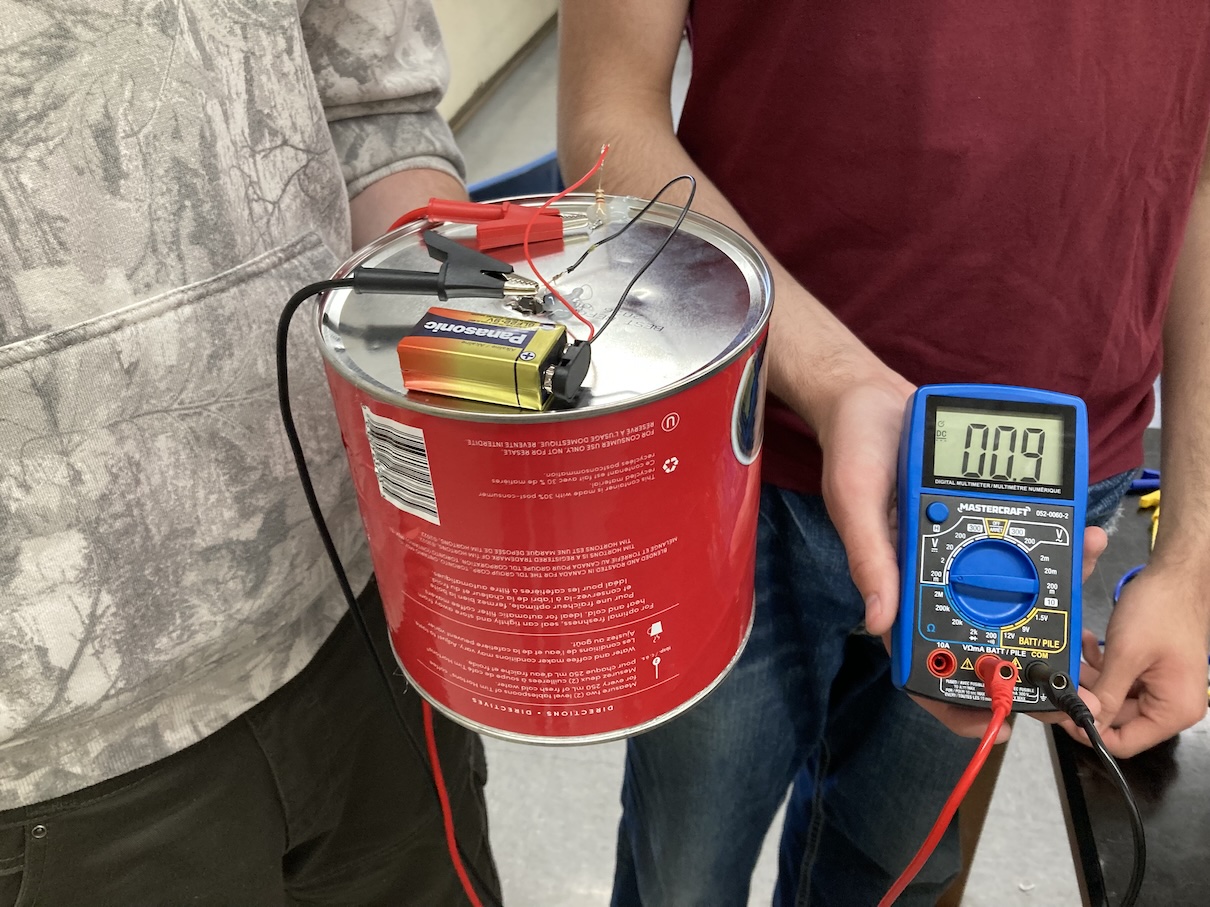
I (Danny) am wrapping up the school year here in Canada, and my non-IB physics class is doing a project about radon gas. Our city is built on top of some very old bedrock, so radon collecting in the basements of homes and buildings is a significant health concern. The students have been testing our different buildings and learning about mitigation strategies.
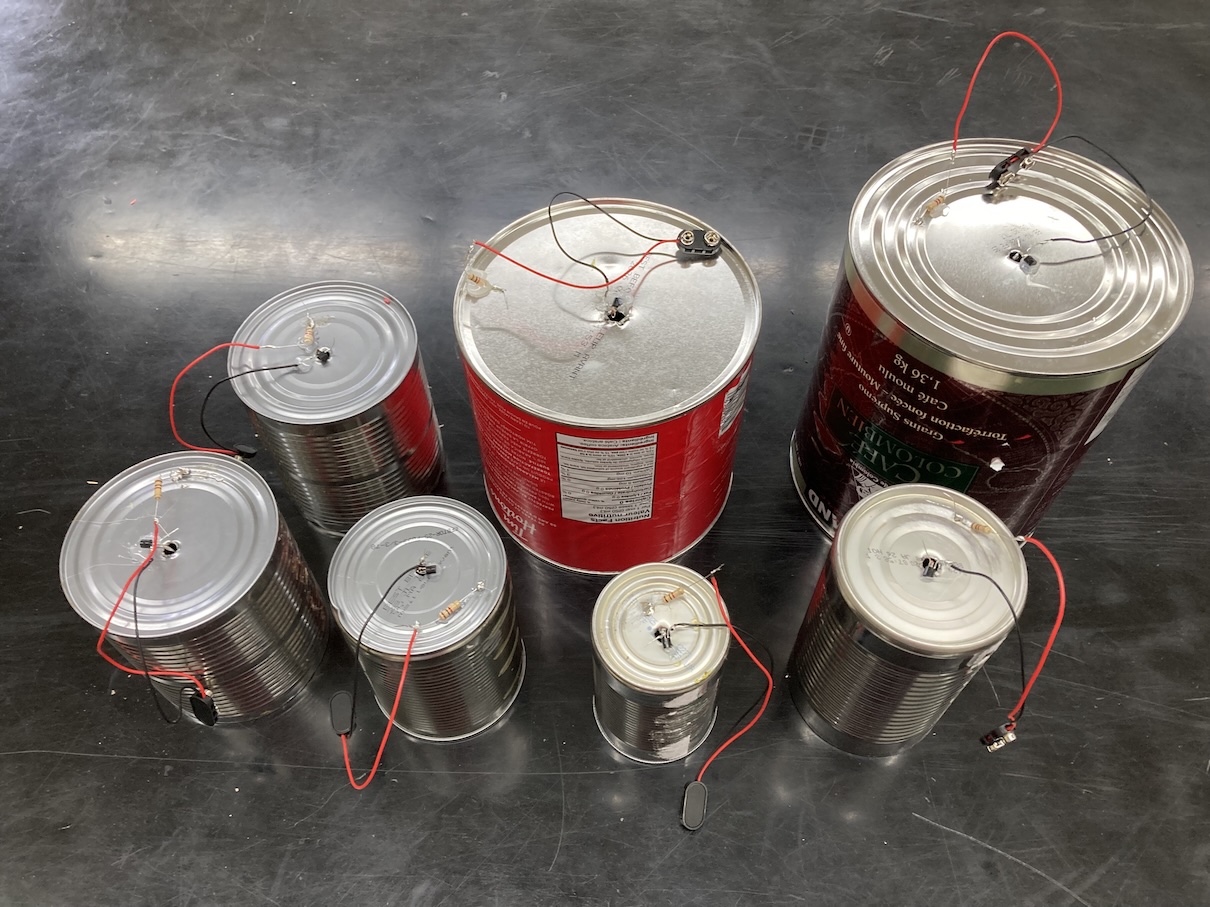
As part of their work, some of the students decided to build their own radiation detectors. I found some instructions online for a very crude Geiger-Muller tube, and have adapted them to our needs. It gives the students a chance to learn some soldering and make a real scientific instrument. I use the voltmeter-as-a-sensitive-ammeter trick here, but with the NPN transistors working as amplifiers, we're able to fairly reliably get a signal from some lab alpha sources. In North America we use radioactive Americium in our smoke detectors. It's an inferior technology, but a handy supply of very low-level alpha particles.
I've also been working on Unit B.1, Thermal energy transfers, over the past two weeks. There is now a complete set of interactive ebook pages, practice questions, MCQs, problems, and a test for the students and teacher pages with slides, too. I broke this one into three pieces, which I'm calling particles, heat, and transfer. There's also a couple of new simulations in there, too. Of course, most of what I'm doing is tidying up Chris and Emma's excellent pages and adding new things where they are needed for the current curriculum.
Coming in the next couple of weeks is a small revamp to the top-level organization of the website. Stay tuned for that!