4.0.2 Who are physicists?
On this page we explore the difference between fictional or popular perceptions of who physicists are, and real-life physicists.
Image courtesy Pixabay
Inquire
The Big Bang Theory was a very popular comedy show about the lives of a group of Physics (and engineering) students at CalTech (California Insitute of Technology), and their neighbour Penny - who is anything but a Physicist.
If you don't know the show (or even if you do!) watch this clip collection to get a taste! Sheldon is a Physics post-doctorate researcher, and Penny is asking him to teach her some physics.
Activity: who do you relate to? Where do you put yourself on this spectrum?
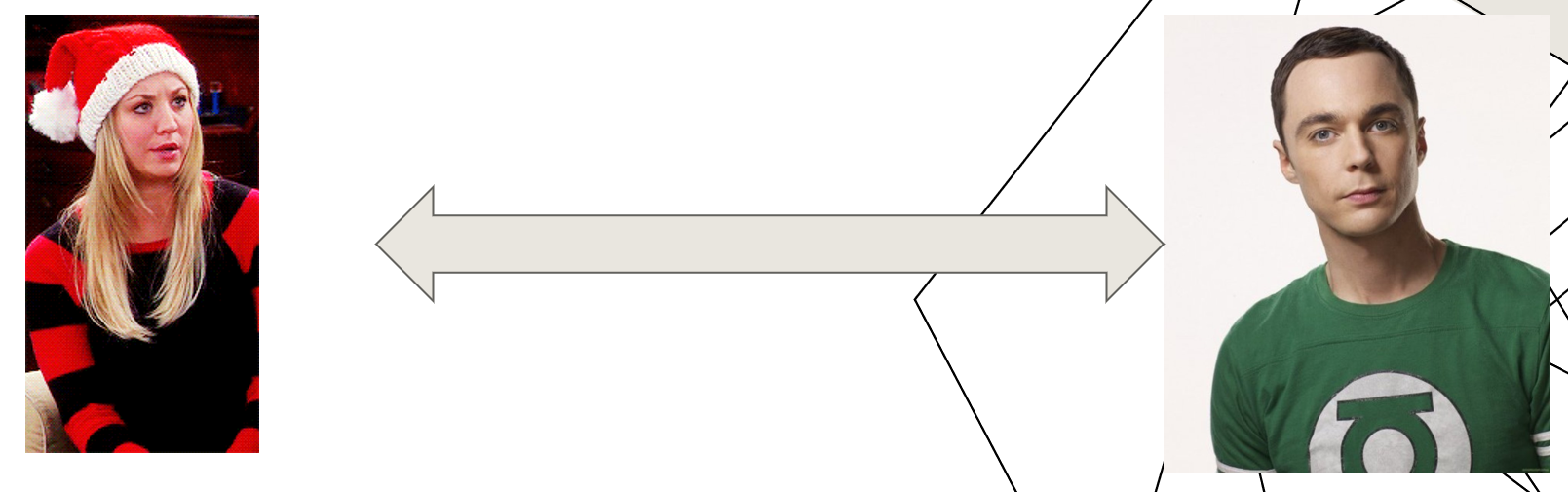
Of course, stereotypes can be funny, but they aren't real. In the show, there is plenty that Sheldon and his friends have to learn from Penny!
Activity: real physicists
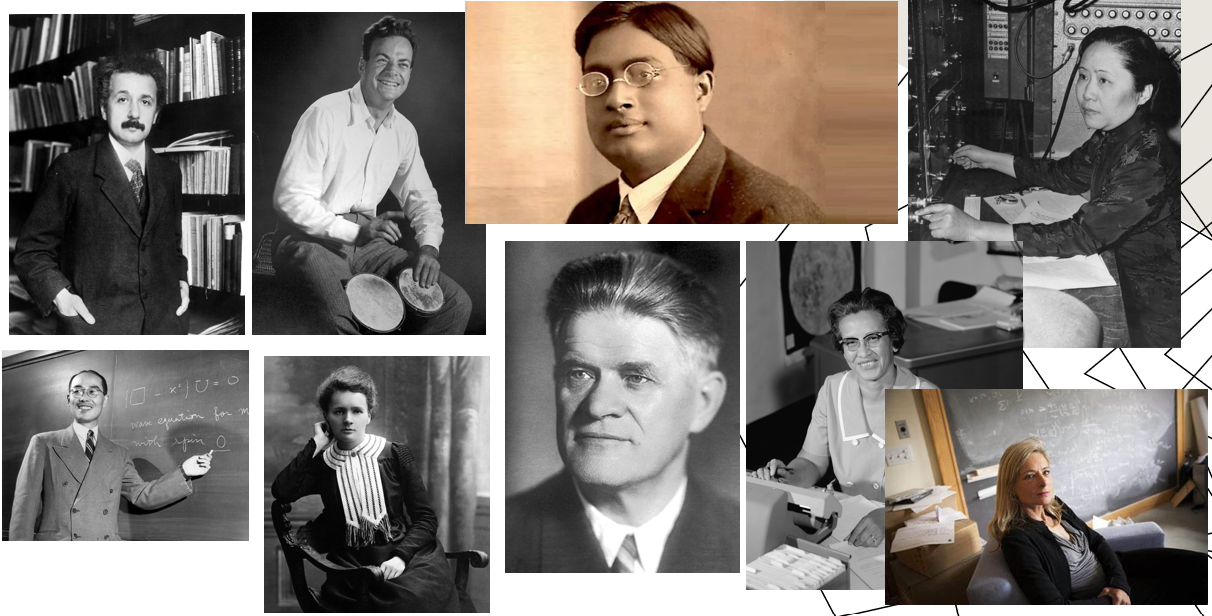
Look at the images of physicists below. Do you recognise any?
IDENTIFY the physicist (what’s their name?) - use an online image search if you need to!
OK - here are their names: From top left, clockwise: Albert Einstein, Richard Feynman, Satyendra Nath Bose, Chien-Shiung Wu, Lisa Randall, Katherine Johnson, Pavel Alekseyevich Cherenkov, Marie Curie, Hideki Yukawa
STATE when they lived (or were born)
STATE their nationality (or nationalities)
DESCRIBE their most famous contribution to Physics
LOOK at the IB Learner Profile. Which of the Learner Profiles could you relate to your physicist?
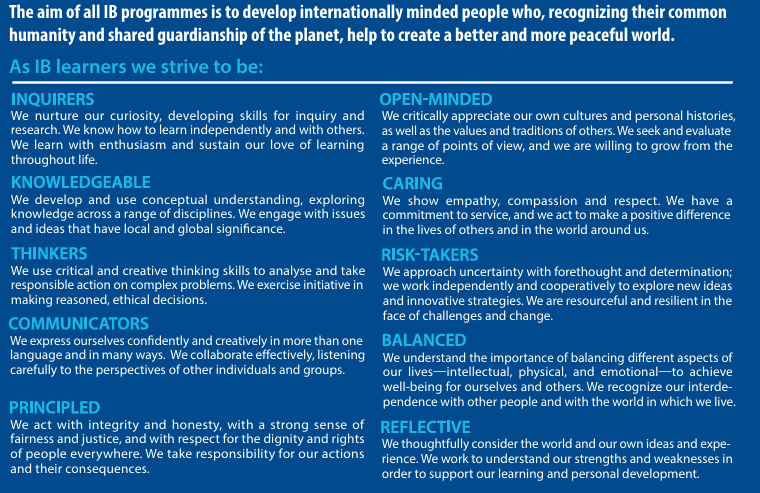
Why not make a display for your classroom, showing the physicists and their learner profiles? Include their biographical details.
Reflect
Watch this short video where Stephen Hawking and Richard Feynman talk about what they think physics is:
Check for understanding
 Reflection skills > develop new skills, techniques and strategies for effective learning
Discuss: what skills, techniques and strategies do you think will be important for you to make progress in your Physics learning?
How will you develop and demonstrate these?
Need some clues?
Ask your teacher about the MYP approaches to learning. If you are in a class, discuss different sections of these to different groups. Look at the important skills and 'learning dispositions' listed there.
Which ones do you think will be most important in studying MYP Sciences (including Physics)?
Why?