CE: quick ideas, resources & inspiration

Quick ideas and engagements
The best teaching ideas are more often than not, very simple. This page aims to provide short, accessible engagements to promote discussion and understanding. More extensive inquiries for CE are available in the CE and PPS sections and links are provided here if you want to take some ideas further.
… 4 types of Systems: Simple, Complicated, Complex and Chaotic
Why does systems-thinking matter to Community Engagement?
Can you identify different types of systems in the community?
Look at the gallery and match the definition to the example.
- Simple Systems: A direct relationship: a single cause → predictable effect.
- Complicated Systems: Multiple, parallel parts working together → repeatedly produce the same outcome.
- Chaotic Systems: Unpredictable environments: small changes over time → massive ripple effects
- Complex Systems: Dynamic systems: continuously learning and adapting based on what they encounter.


Answers below!
- Simple Systems: A direct relationship: a single cause → predictable effect.
Example in community: Little Free Library - Complicated Systems: Multiple, parallel parts working together → repeatedly produce the same outcome.
Example in community: a water treatment system - Chaotic Systems: Unpredictable environments: small changes over time → massive ripple effects
Example in community: the social media movement ‘Empty Chairs’ to combat loneliness in society - Complex Systems: Dynamic systems: continuously learning and adapting based on what they encounter.
Examples in community: schools, businesses and charities

Discuss and transfer
What sort of system is a government?
Can you find further examples of systems in the community?
Further explore:
CE: How can I use systems-thinking?
'Systems Thinking' is an essential part of Community Engagement because it demands that we understand our communities; by understanding issues that affect society at a deeper level, rather than short-term,...
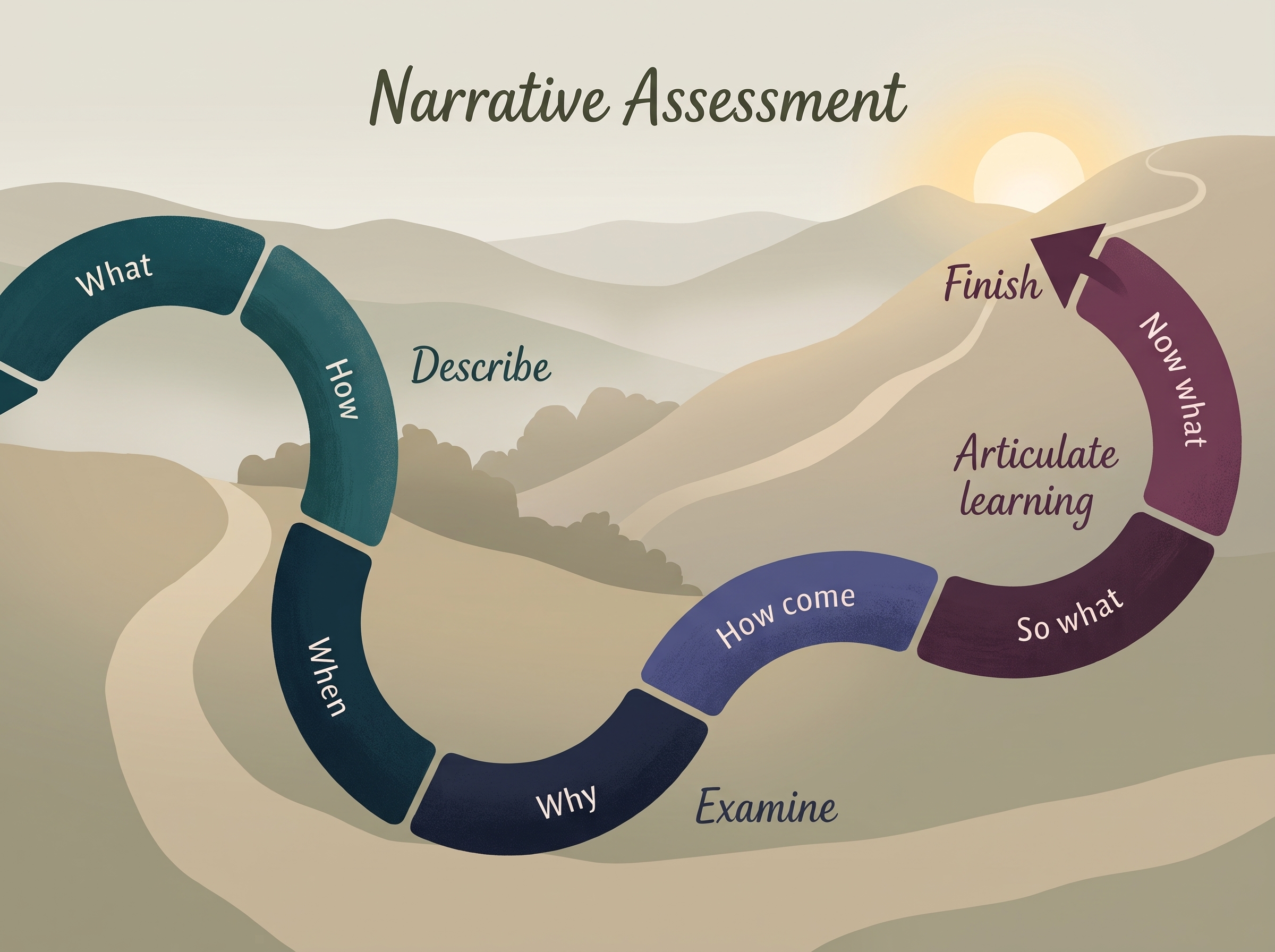
Narrative assessment is a recommended technique throughout the CE course, especially at the review points. This is to encourage dialogue, reciprocity and reflection and reflexivity: the principles of engagement in CE. Use this image to guide discussion, along with prompts below.
Getting deeper into ideas through discussion
Prompts to support discussion
1. Discussing facts and lived experience.
Ask questions like: What happened? How did events unfold? When did key turning points occur?
2. Move the student from observation to critical analysis so they can uncover root causes, systemic influences, and underlying motivations.
Ask questions like: Why did people respond that way? How come certain barriers or successes emerged?
3. Create momentum and renewed purpose: take the reflection of the experience that has happened to what will now happen in the future:
Ask questions like: So what does this mean for our community or practice? Now what will we do differently moving forward?