Inquiry 3.1 RP/PPS Forming a position on an ethical dilemma 1

Holding, developing and using one's voice
This inquiry is in the RP section but is equally helpful in PPS. In short, students must show they have a voice and hold a position on an ethical dilemma to get marks for Criterion C: Critical Thinking in the Reflective Project. They need to supply evidence and apply reasoning as well as provide justification and understanding of the implications of their position. Being able to have a voice and a stance on an ethical dilemma is a skill that takes time to develop and it starts with exploring lots of different contexts and dilemmas.
Focus: How and why should I form a position on an ethical dilemma?
Aim: The aim of this first inquiry is for students to identify what their inner voice is saying, and track their opinion in response to global issues.
Concept: Perspective
Context: Reflective Project
Content: Purposefully unnamed press images from global ethical issues
Skills: Communication (Interpersonal) Ethical decision-making (Thinking) Creative Thinking (Thinking) Empathy (Intercultural Understanding)
Provocation: What's it like to stand in someone else's shoes?
The following exercise is attributed to an exercise I wrote in ‘Career-related Programme (CP) Core’ and uses a Harvard Project Zero thinking routine. It enables students to consider what they know but also use that as a platform to consider what they do not know.
- Use a narrative assessment technique (as recommended in Community Engagement) to enable students to discuss the picture more organically. What? - How? - When? - Why? - How come? - So what? - Now what?
- Then expand with the following questions to open discussion directly.
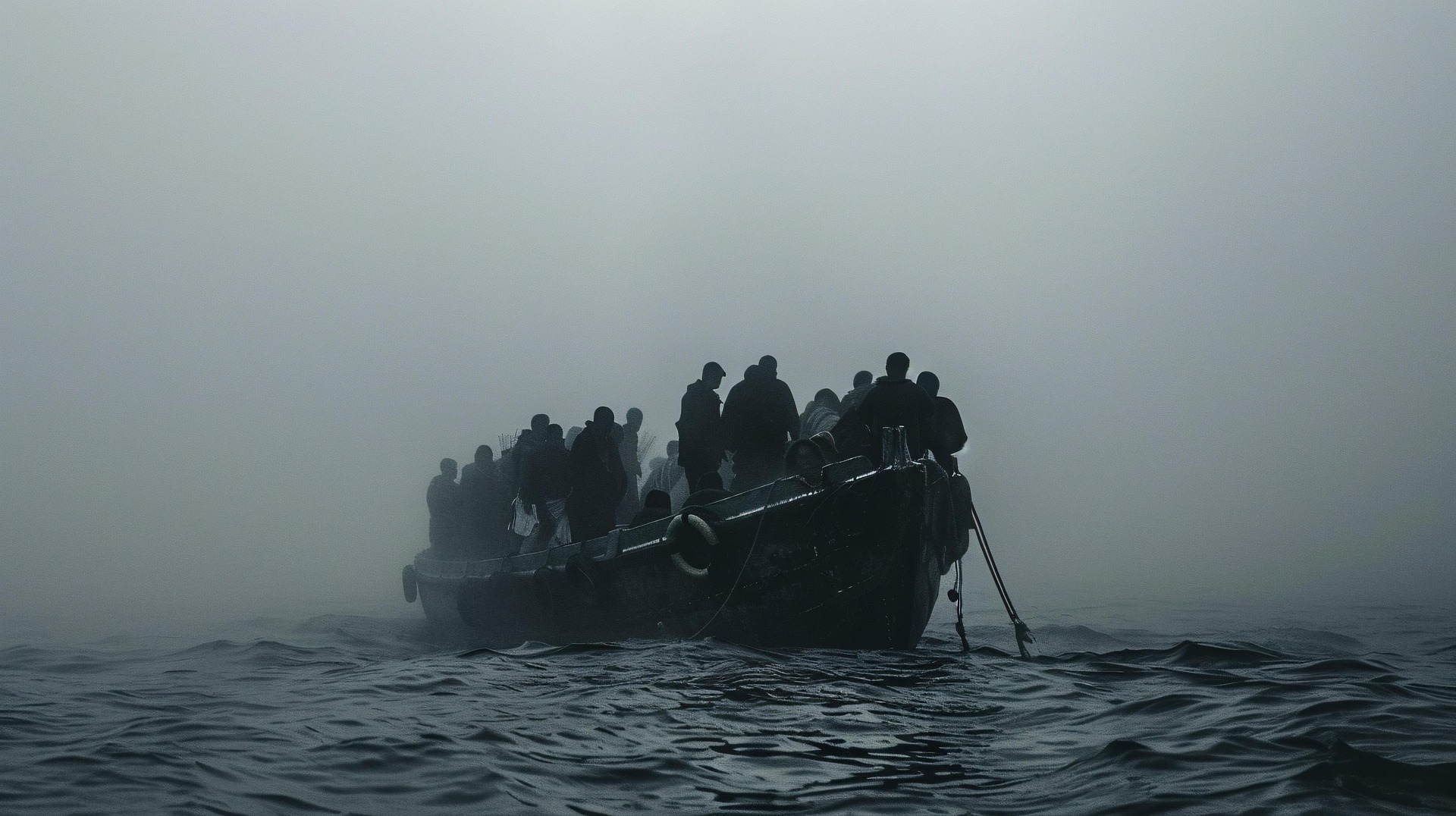
What is the story?
What is the untold story?
What is your story?
What is his/her story?
What is our story?
What is the bigger story?
What is the smaller story?
What is the scientific/historical/cultural story?
What do each of these questions make you consider?
Now let's explore different contexts to build up our ability to analyse, discuss and justify our opinions.
The aim of this is to use an inquiry process to build on existing knowledge and understanding of ethics and consider the impact and implications of different perspectives and contexts.
ZOOM OUT
1. Taking the first photos here and what story is being portrayed. Go with your instinctive reaction.
What type of human behaviour and decision-making does the photo suggest?
What ethical dimension is being shown?
What ethical issues do you think this picture relates to locally or globally right now?



2. Now look at each of the photos in turn and consider:
What ethical issue is depicted?
What are the local or global stories of the issue?
What different cultures are shown?
Are there differences of perception here?
What ethical issues do you think this picture relates to locally or globally right now?
Students can choose one of the photos here as a stimulus to find 2-3 further photos that share an ethical dimension or specific ethical issue. Then consider the Inquiry, Action and Reflective questions that follow in their learning journal.
TIP: Ask students to track what is happening to their personal opinion at each stage.


Explore: What connects the images you have chosen? How do they show different perspectives? Whose perspective do you most relate to? Can you identify different people/business/governments/bodies that are involved in this issue? How are different cultures involved?
Forming a position: What do you think about it personally? Can you back this up with evidence?
Reflect: How challenging did you find this exercise? Were your responses balanced? What challenges might there be in presenting multiple perspectives in your reflective project? What do you need to present different perspectives in a balanced way?
Forming a position: If you already had a strong point of view, how easy was it to consider other perspectives? If you did not have a strong position at the start, how did you find your own opinion growing?
Transfer! Go back to the picture at the start. How might you approach these questions now? Which question is the most important one? What questions are missing?
What is the story?
What is the untold story?
What is your story?
What is his/her story?
What is our story?
What is the bigger story?
What is the smaller story?
What is the scientific/historical/cultural story?
What do each of these questions make you consider?
What position do you hold on the ethical issue and dilemma suggested by this picture?
Focus: How and why should I form a position on an ethical dilemma?
Aim: The aim of this first inquiry is for students to identify what their inner voice is saying, and track their opinion in response to global issues.
LO5: Demonstrate an awareness of the ethical implications of one’s choices and actions on self and others
Concept: Perspective
Context: Reflective Project
Content: Purposefully unnamed press images from global ethical issues
Skills: Communication (Interpersonal) Ethical decision-making (Thinking) Creative Thinking (Thinking) Empathy (Intercultural Understanding)
1. Consider the exploration you have just taken part in. How did you use the following skills? Which skill stood out as most impactful?
Skills: Communication (Interpersonal) Ethical decision-making (Thinking) Creative Thinking (Thinking) Empathy (Intercultural Understanding)
2. How do you feel you responded to PPS LO5?
LO5 - Demonstrate an awareness of the ethical implications of one’s choices and actions on self and others
3. How might your skill development here link to other elements of your personal and professional contexts?
Context: Reflective Project + …..
You might consider Community Engagement or personal and professional contexts