Forming a position on an ethical dilemma

Why have a position on an ethical dilemma?
In short, students must show they have a voice and hold a position on an ethical dilemma to get marks for Criterion C: Critical Thinking in the Reflective Project. They need to supply evidence and apply reasoning as well as provide justification and understanding of the implications of their position. Being able to have a voice and a stance on an ethical dilemma is a skill that takes time to develop and it starts with exploring lots of different contexts and dilemmas.
The aim of this is to use an inquiry process to build on existing knowledge and understanding of ethics and consider the impact and implications of different perspectives and contexts.
1. Taking the first photo of the church: think about what story is being portrayed. Go with your instinctive reaction.
What type of human behaviour and decision-making are being suggested by the photo?
What ethical dimension is being shown?
What ethical issues do you think this picture relates to locally or globally right now?


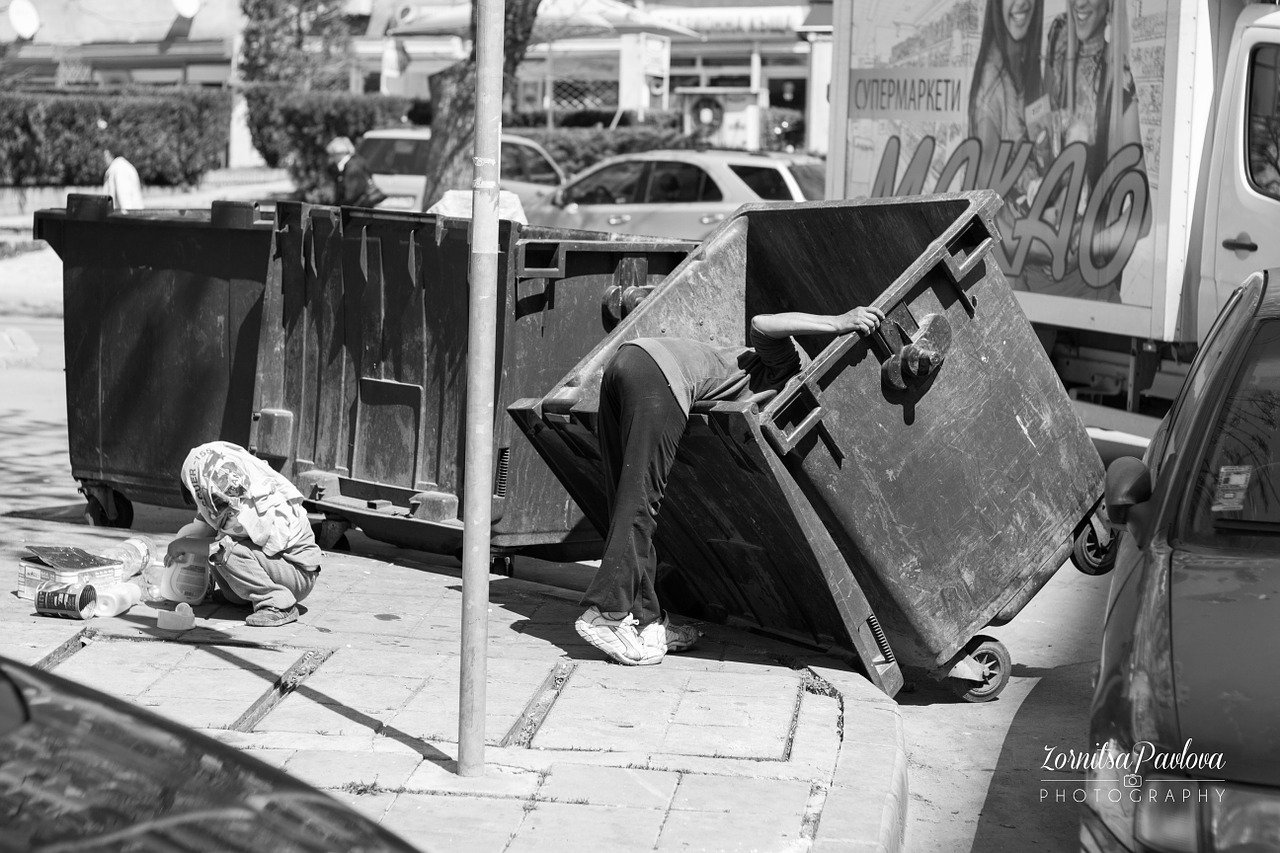
2. Now look at each of the photos in turn and consider:
What ethical issue is depicted?
What are the local or global stories of the issue?
What different cultures are shown?
Are there differences of perception here?
Students can choose one of the photos here as a stimulus to find 2-3 further photos that share an ethical dimension or specific ethical issue. Then consider the Inquiry, Action and Reflective questions that follow in their learning journal.


Reflect: How challenging did you find this exercise? Were your responses balanced? How hard or easy was it to ignore your own point of view? What challenges are there in presenting multiple perspectives in your reflective project? What do you need to present different perspectives in a balanced way?