Exploration Ideas
Being able to explore some mathematics of your own choice and take ownership of your learning should be an exciting opportunity. However, students often find choosing a topic for their exploration rather overwhelming. The aim of this page is to give you some inspiration and provide you with ideas to get you started thinking about what might work for you.
When I talk with students about developing an idea and writing a plan, the first thing I consider is the level of mathematics that the exploration will involve.
Not too easy – ideally, it should involve mathematics at an appropriate level for the course, rather than mathematics from below this level.
Not too hard – you need to be able to demonstrate clearly that you understand the mathematics you are using.
Of course, strong students who want to stretch themselves and explore a completely new area of mathematics may enjoy the challenge of studying unfamiliar mathematics from outside the syllabus. However, students often score better on their internal assessment when the mathematics is at an appropriate level and they are able to explain it thoroughly. It is worth remembering that you do not get extra marks simply because the mathematics is ‘harder’!
On this page, you will find some tried-and-tested exploration ideas. You could use them as they are or adapt them to something that interests you more. If you have not already done so, you should also look at the IA examples on the Exploration Examples page first.
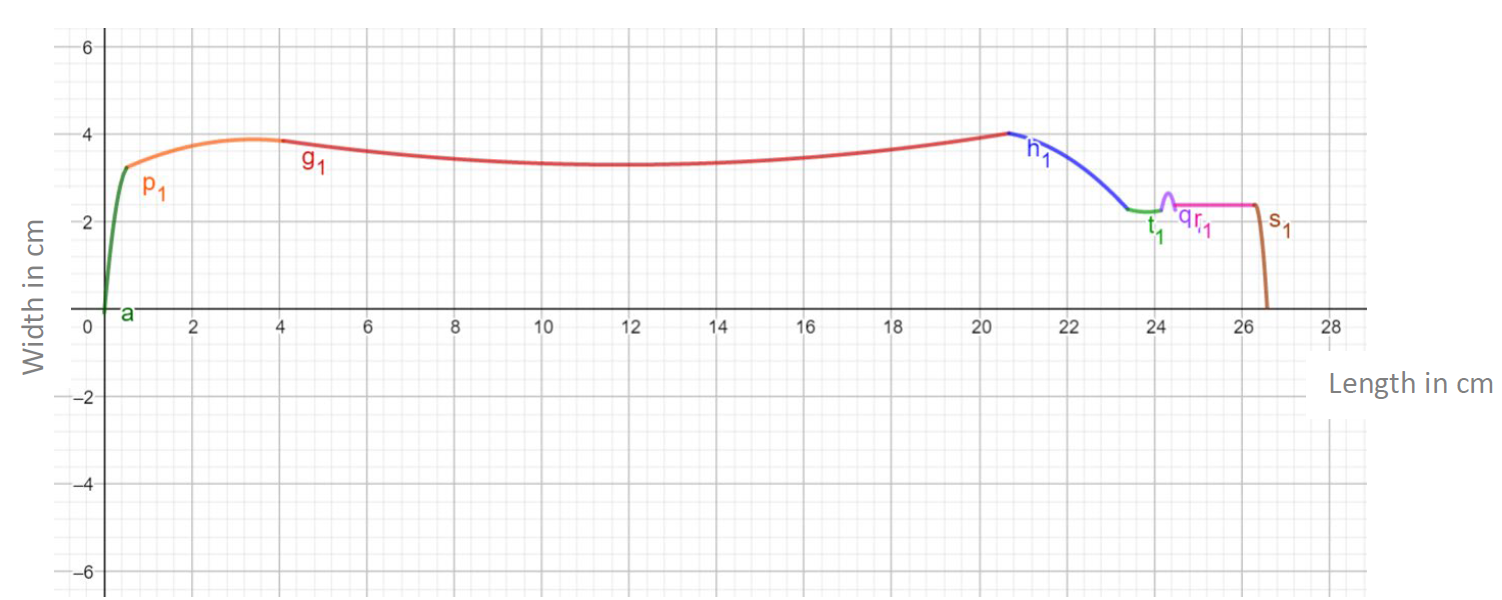
There are lots of successful examples of this using different objects. There is an IB exemplar that finds the volume of a chess pawn; other students have found the volumes of bottles, glasses, vases, pears, etc. Ideally, you should find a reason why calculating the volume is useful, rather than doing it simply because it is mathematically interesting. A key part of modelling an object from an image is getting the scale correct. In the example below, the student carefully measured the length of the bottle and then adjusted the axes in the graphing software accordingly. You can learn how to insert an image in Geogebra here and DESMOS here.
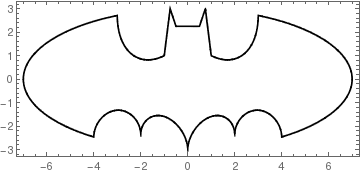
Inspired by a tutorial about finding equations to plot the Batman logo, a student of mine produced a graph showing the NASA logo. The key was demonstrating that he understood all the transformations used, including some more advanced transformations such as reflections in diagonal lines and rotations.
Take photographs of arches or bridges and try to model their shapes using different functions. Simply fitting a few standard functions may not provide enough mathematical depth for an HL exploration, so think carefully about how you could develop the mathematics further—for example, by comparing different models, analysing their properties or justifying which model is most appropriate.
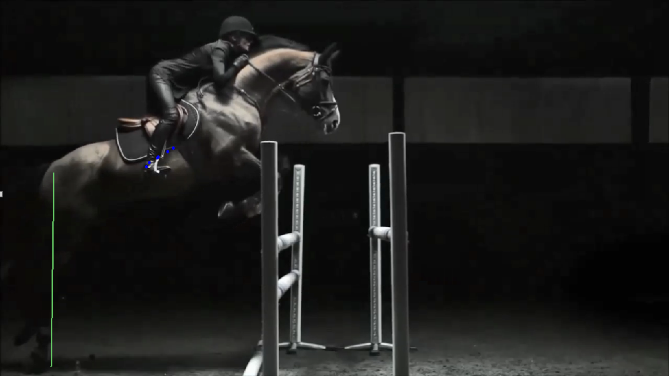
A student took a video of a horse jumping over an obstacle and used Logger Pro to analyse frames from the video in order to model the path of the horse. There is plenty of potential to take videos of other moving objects and use individual frames to create a set of data points. A basketball shot is an obvious example, as is a bouncing ball.
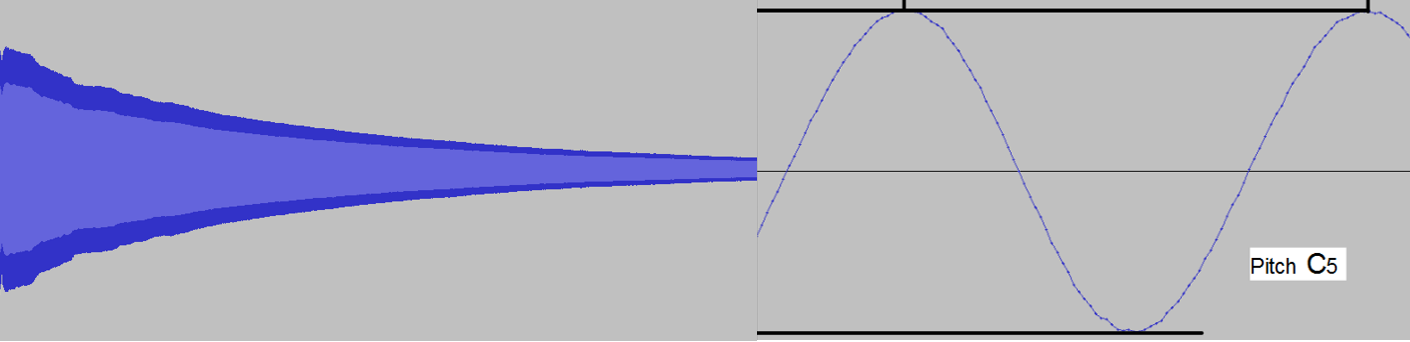
Find mathematical models for pure sounds (sine functions), then analyse what happens mathematically with consonant chords (ones that sound good together, e.g. C + E) and dissonant chords (ones that sound jarring or unpleasant)
You can use differentiation to find the local minimum or maximum value of a function and use this to solve an optimisation problem. It will probably be necessary to fix one or more parameters so that you have a problem that can be solved. Make sure that your investigation develops into a genuine exploration rather than simply becoming a typical textbook optimisation problem.
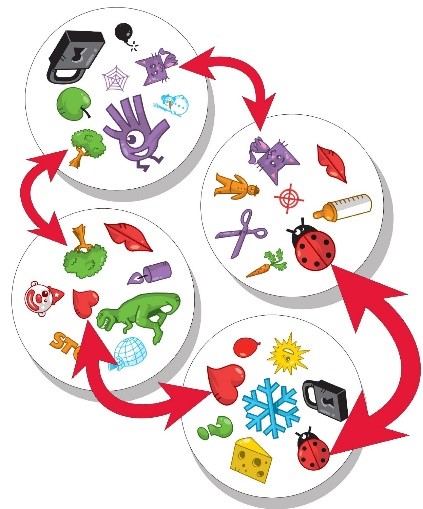
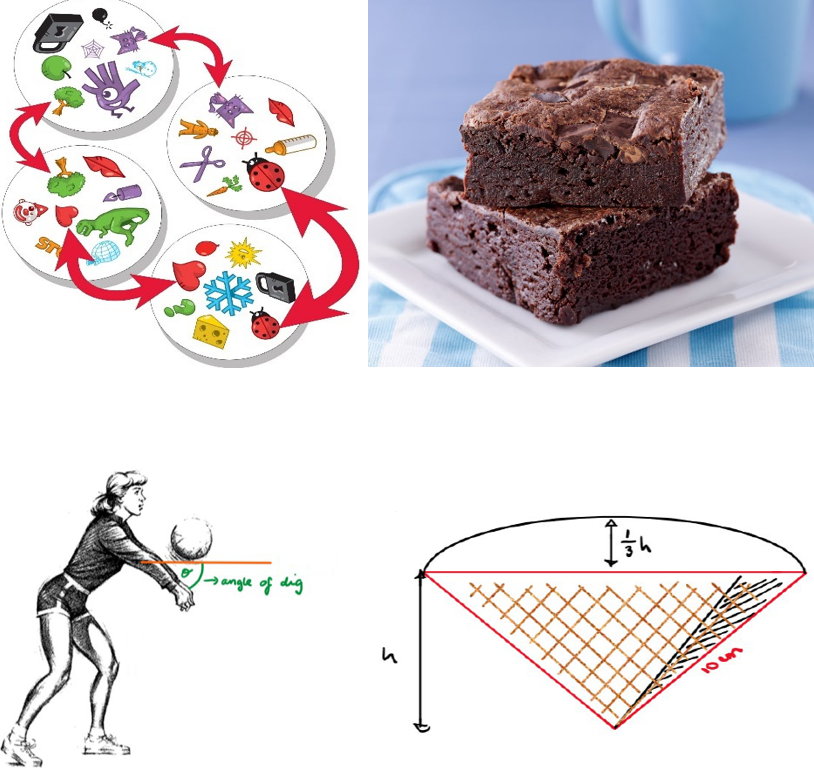
Dobble is a simple card game in which any two cards have exactly one matching symbol. The student explored how this was possible. She started by breaking the game down into a smaller number of cards and symbols before building up towards a full pack. This required her to investigate the number of different combinations that could be formed.
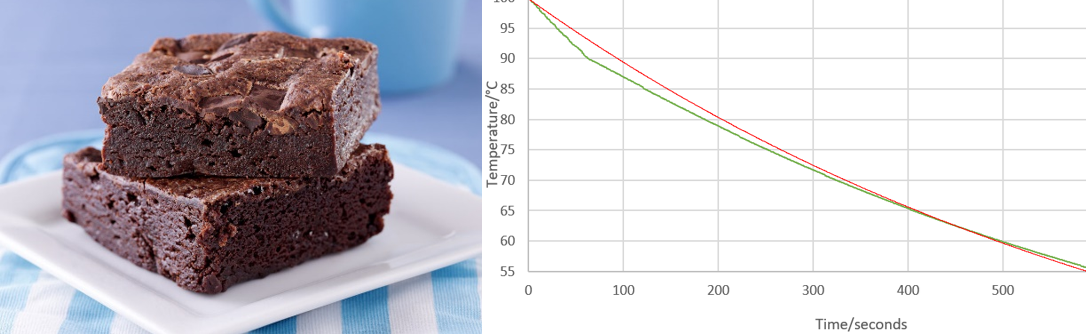
A student used a temperature probe to find the internal temperature of a slice of brownie as it cooled. The temperature followed an exponential model, as predicted by Newton's Law of Cooling. Brownies of different thicknesses were compared to see the effect this had on the parameters of the model. Unfortunately, the student never brought the brownies to school for the teacher to taste :(
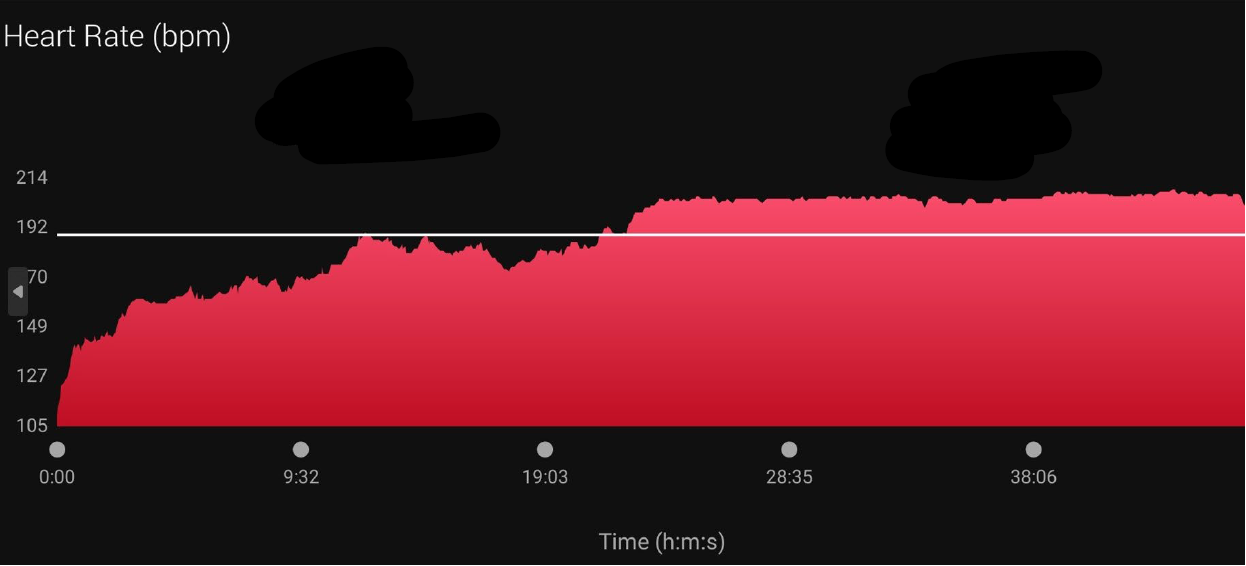
This student looked at calories burnt during a running race based on heart-rate data collected from a sports watch. The question was whether these calories could be replaced through the consumption of energy gels during the race. A model was developed for the absorption of glucose, and the student also considered how much glycogen would need to be stored in the body before the race.
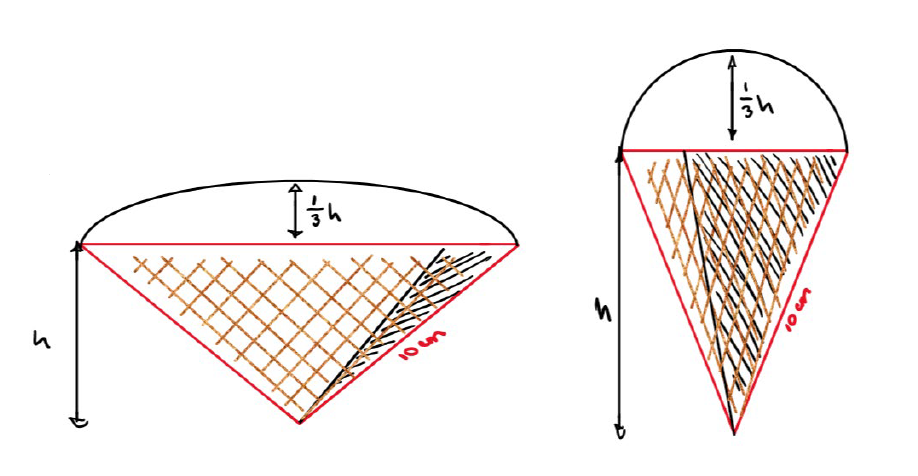
The student investigated the optimal shape of an ice-cream cone (think short and wide versus tall and thin) in order to get the most ice cream. The volume of the cone plus the semi-ellipsoidal scoop had to be found, and optimisation was then used to find the maximum volume.
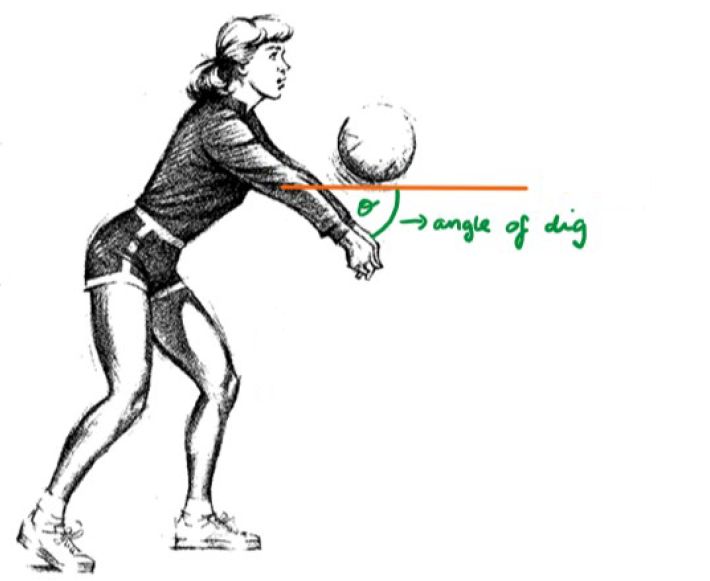
This student wanted to work out the angle at which a player's arms should be held in order to make a defensive shot travel vertically upwards, giving their teammates the most time to play the next shot. A function was developed based on receiving the ball in different positions.
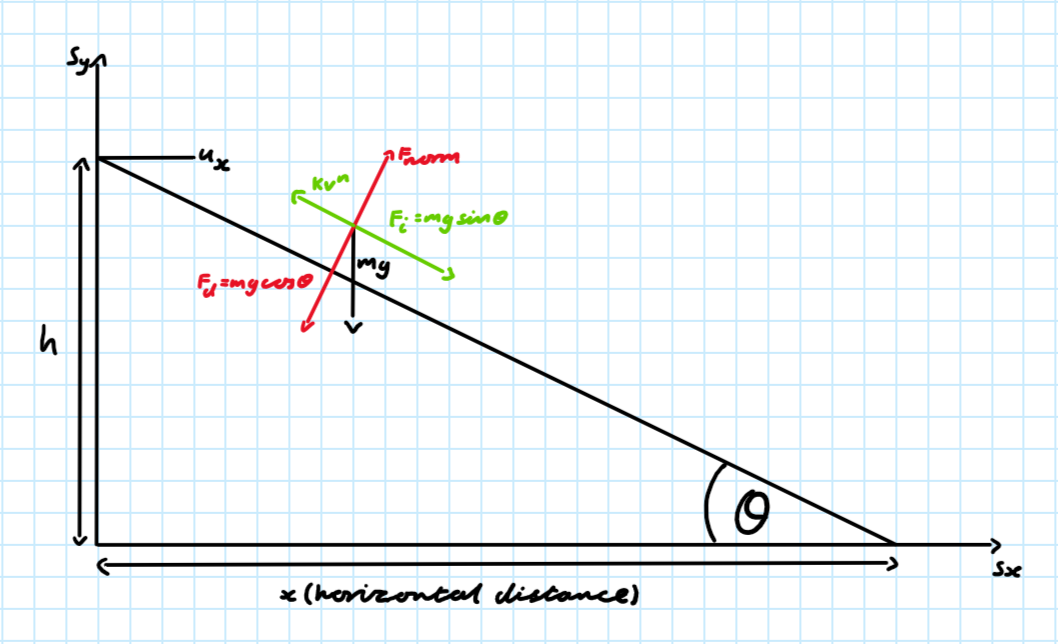
This student combined his knowledge of physics and calculus to work out how fast a cyclist would travel when starting from rest and freewheeling (not pedalling) down a slope, and to predict how long it would take for the cyclist to reach terminal velocity.
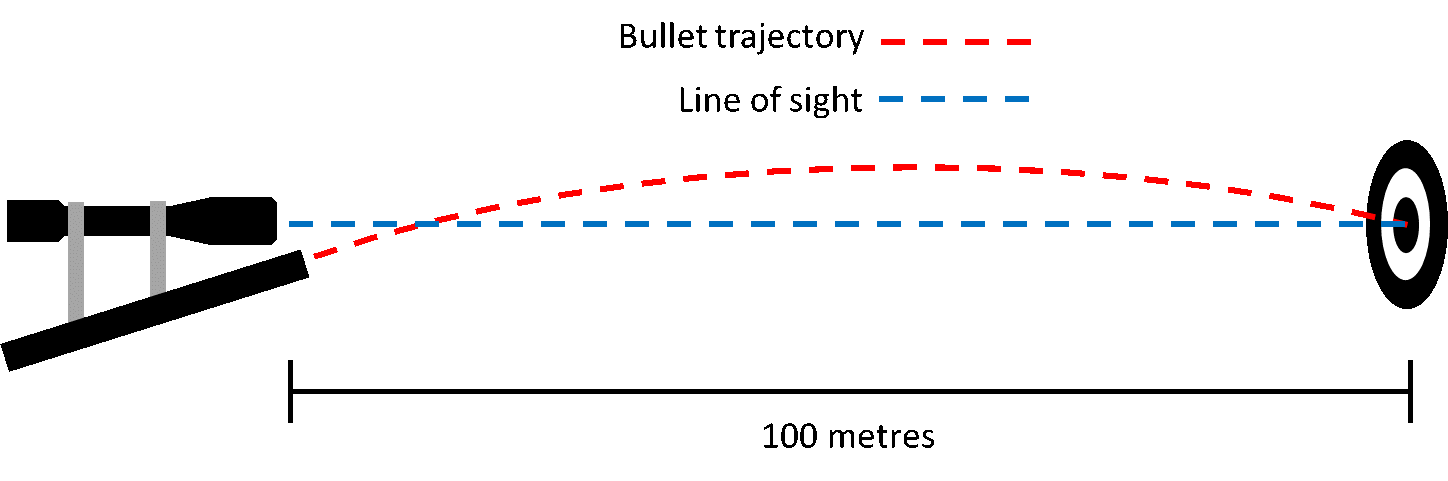
The student modelled the trajectory of a bullet over different distances to calculate the effect of gravity on bullet drop and determine how the gun's sights would need to be readjusted, a process known as zeroing. By including the effects of air resistance, the investigation became considerably more complicated. Calculus was used to generate the formulae used in the exploration.

The student used Newton's Law of Cooling and solved differential equations using integration to find a model for the temperature of coffee in a cup. Cups with different surface areas were compared in order to investigate how this affected the parameters of the model.
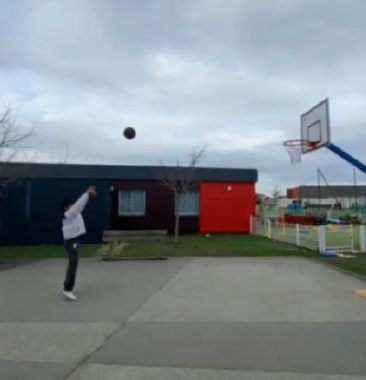
The aim of this exploration was to find the angle required to make a bank shot, using the backboard, for a known initial velocity of the ball. The student recorded himself taking a shot and used Logger Pro software to calculate the velocity of the throw. Integration was then used to solve the problem.
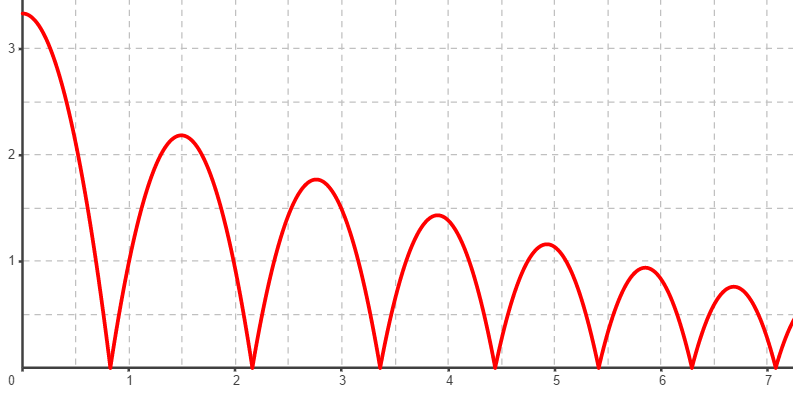
The aim of this exploration was to simulate the path taken by a bouncing ping-pong ball and then find its displacement after each bounce. The student used integration to find the equations of motion and factored in the effect of air resistance.
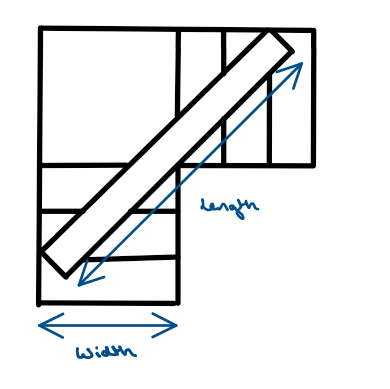
The aim was to find the longest possible ladder that could be moved around the corner of a staircase. The student had to use geometry and trigonometric identities to solve the problem.
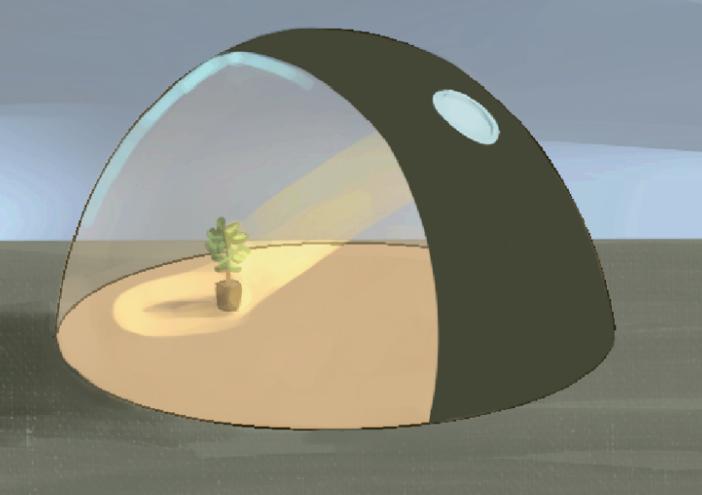
The investigation looked at the area covered by the elliptical patch of sunlight entering a room at different angles. As the diagram shows, the room chosen was dome-shaped and, for simplicity, was situated at sea level on the equator. The student used geometry and trigonometry to solve the problem.
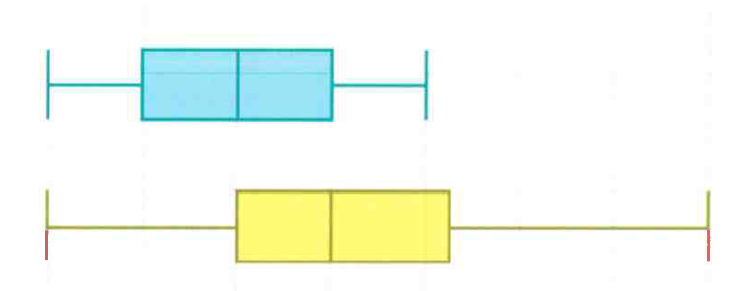
The student designed an experiment involving memorising two lists of words: the first without any prior exercise and the second after a few minutes of light exercise. The student collected data from 50 students and used some simple data-handling techniques as well as two hypothesis tests. She found that memory performance and gender appeared to be independent, and there was some evidence to suggest that memory was improved by light exercise. This type of exploration might be better suited to a Mathematics: Applications and Interpretation student, since the hypothesis tests used come from the AI course rather than the AA course. If you include mathematics from outside your course, you need to make sure that you can clearly demonstrate that you understand it.
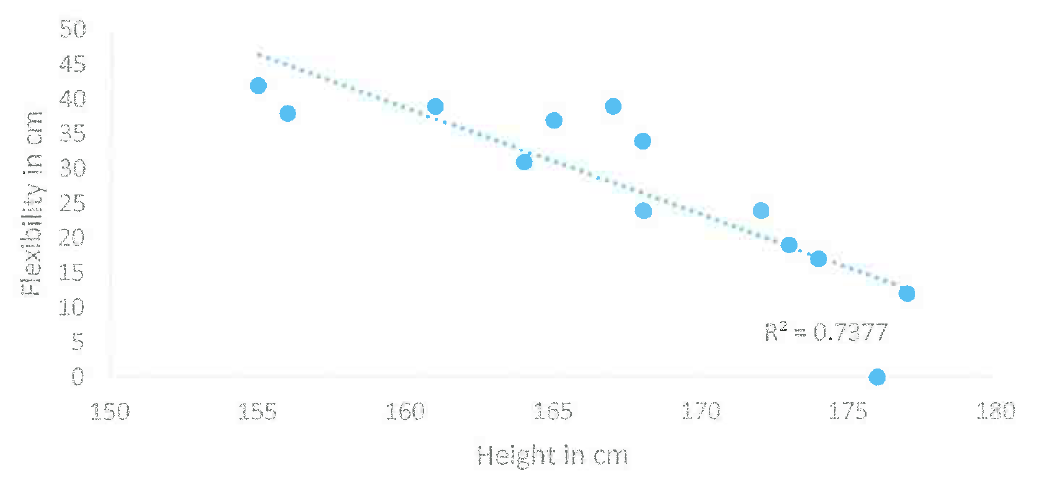
Another data-handling exploration. This student set up an experiment to measure the flexibility of dancers using a simple hamstring flexibility test. The student used statistical measures to investigate whether there was a relationship between height and flexibility, and found evidence of a negative association between the two variables.
The student looked at different methods of expressing numbers as sums of consecutive integers and found, amongst other things, that a positive integer that is a power of 2 (2, 4, 8, 16, ...) cannot be expressed as the sum of two or more consecutive positive integers. This exploration showed that a carefully chosen mathematical investigation can produce an excellent internal assessment.

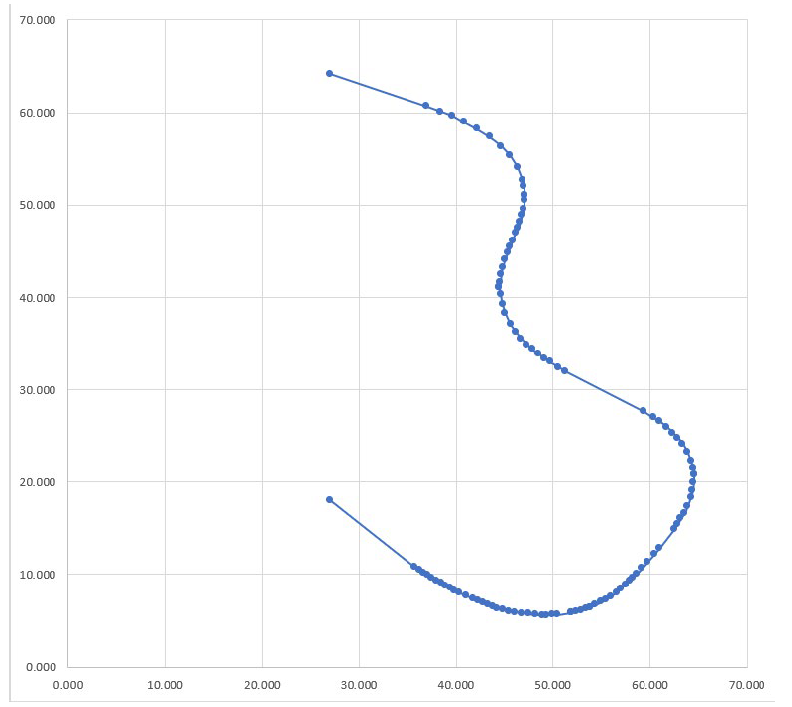
The student looked at a section of a racing track and compared the distance travelled using different models. The distance for the final model was found using integration and the arc length formula s=\int^b _a \sqrt{1+(\frac{dy}{dx})^2}\ dx