Selected student pages
eBook
Scope
What makes a natural science? We might think that the natural part is easy - the natural sciences study the natural world. The science bit might be a bit more complicated but we may be hopeful that there...

Activities
Ethics of technology use
This lesson explores some ethical traditions and how they can be applied to decisions in the technical world. Corresponding Student Handbook page: Knowledge and technology: ethics - responsibilities...

eBook
Knowledge and Indigenous Societies: Scope 1 - What are Indigenous Societies?
In recent years interest in indigenous societies has increased partly as a result of heightened awareness of injustices towards indigenous peoples perpetrated by national groups (both historically and...

Activities
Ethics of AI use Free
Here are some interesting activities that flow from a project by the Asia-Europe foundation (ASEF) ClassNet18 collaboration in which Barbara was a collaborator. They concern the ethics of building AI...

eBook
Ethics
What limits should we observe when experimenting on intelligent sentient beings such as octopuses? What about experiments on human beings - why should we impose a tough code of conduct for the experimenter...

Activities
Ethics and the Human Sciences
Suppose we want to find out what happens when we give almost unlimited power to one group of human beings over another. We want to do this in largely realistic way so we want to let things happen. But...

eBook
Knowledge and Indigenous Societies: Methods and tools
Knowledge in indigenous societies is produced through active observation and experimentation. It is passed down through the generations using rituals, stories and objects. We have already explored the...

Activities
How is new science discovered?
These activities piece together the process of scientific discovery by examining famous discoveries in the past. We ask whether discovery can be separated from processes of justification. Corresponding...
eBook
Knowledge and Language: Perspectives 2
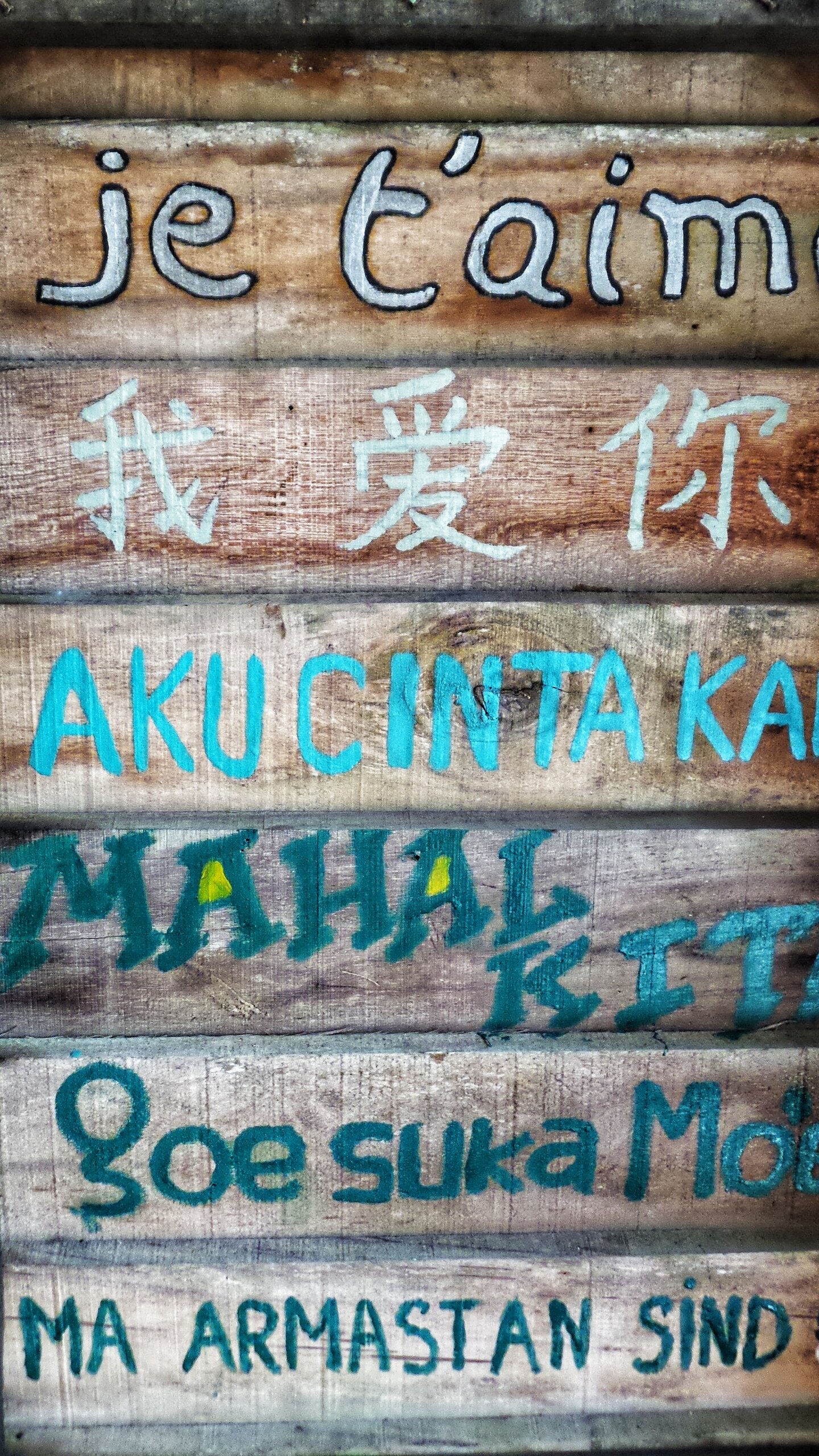
This page looks more closely at how our own knowledge may be shaped by language, even to the extent that it determines how we see the world. Sapir Whorf and linguistic relativity For much of the history...

Activities
Language, Social Class, and Gatekeeping
Language has long been much more than a medium for sharing ideas. It is of course indispensable in formulating, disseminating, and storing certain kinds of knowledge. Books and libraries symbolise nicely...

eBook
The components of knowledge
Knowledge comes in many shapes and sizes and it is important to distinguish them. This is why it is helpful to have some kind of mental image about where a piece of knowledge fits into the whole. The...
Activities
Ritual
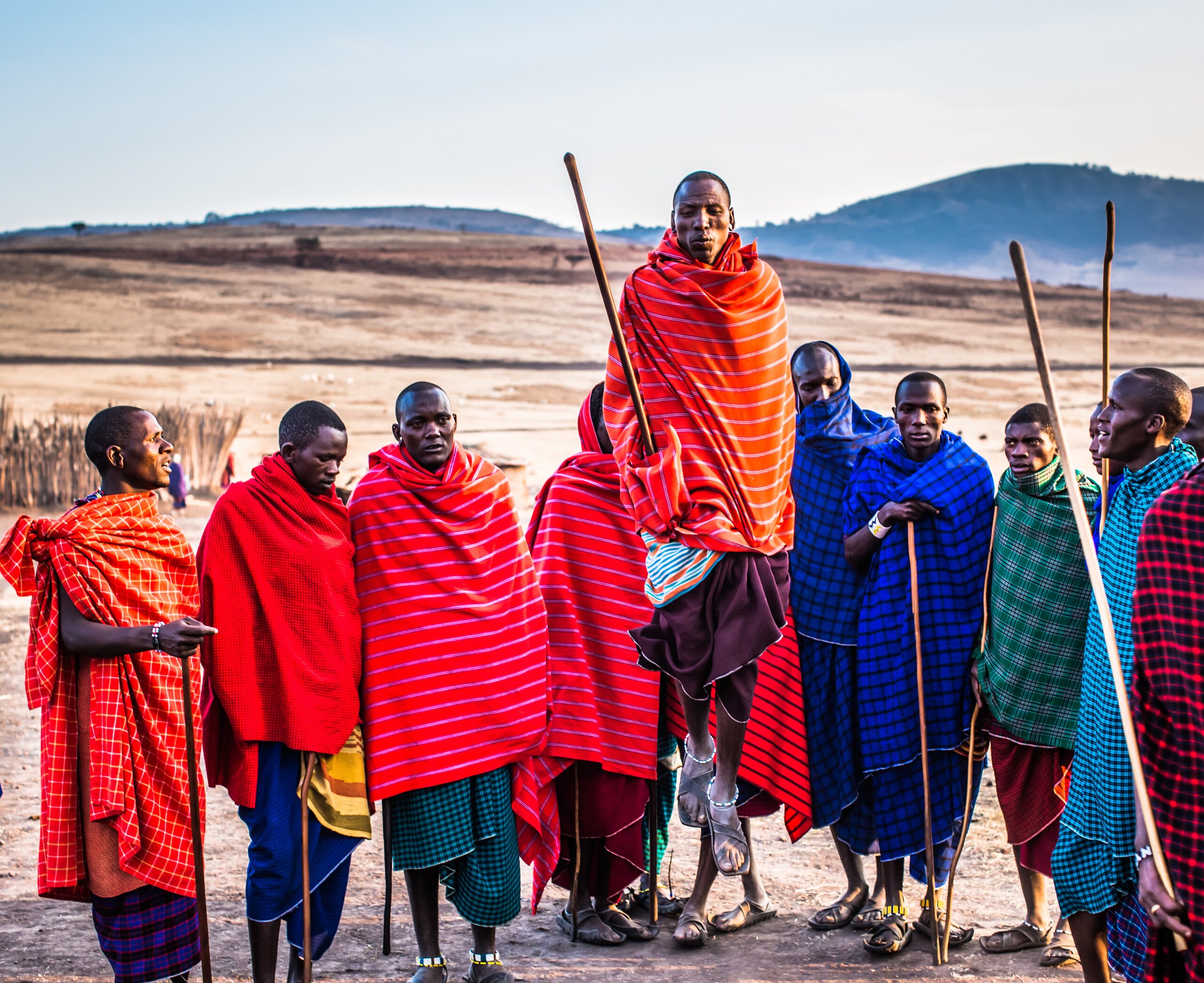
Knowledge in indigenous communities is also passed down to the next generation through songs, dances, and ritual. Rituals are sequences of symbolic, habitual behaviours that are claimed to have a special...