The Ancient Greek Civilisation
The Ancient Greek Civilisation
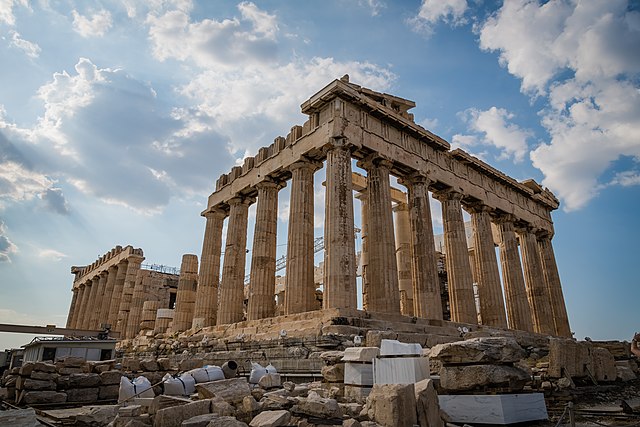
This page provides resources on the Ancient Greek civilisation. A sequence of inquiry questions are supported by resources and activities to learn about the different stages of the Greek civilisation. Photo - The Acropolis in Athens
- How has geography shaped the identity of the ancient Greeks?
- Who were the Minoans and the Mycaneans?
- What do myths and stories reveal about the lives of the Greeks?
- Why was ancient Greece made up of different city states?
- How were the Greek city states affected by wars and invasions?
- What were the cultural achievements of the Greeks?
- What was the legacy of Alexander the Great?
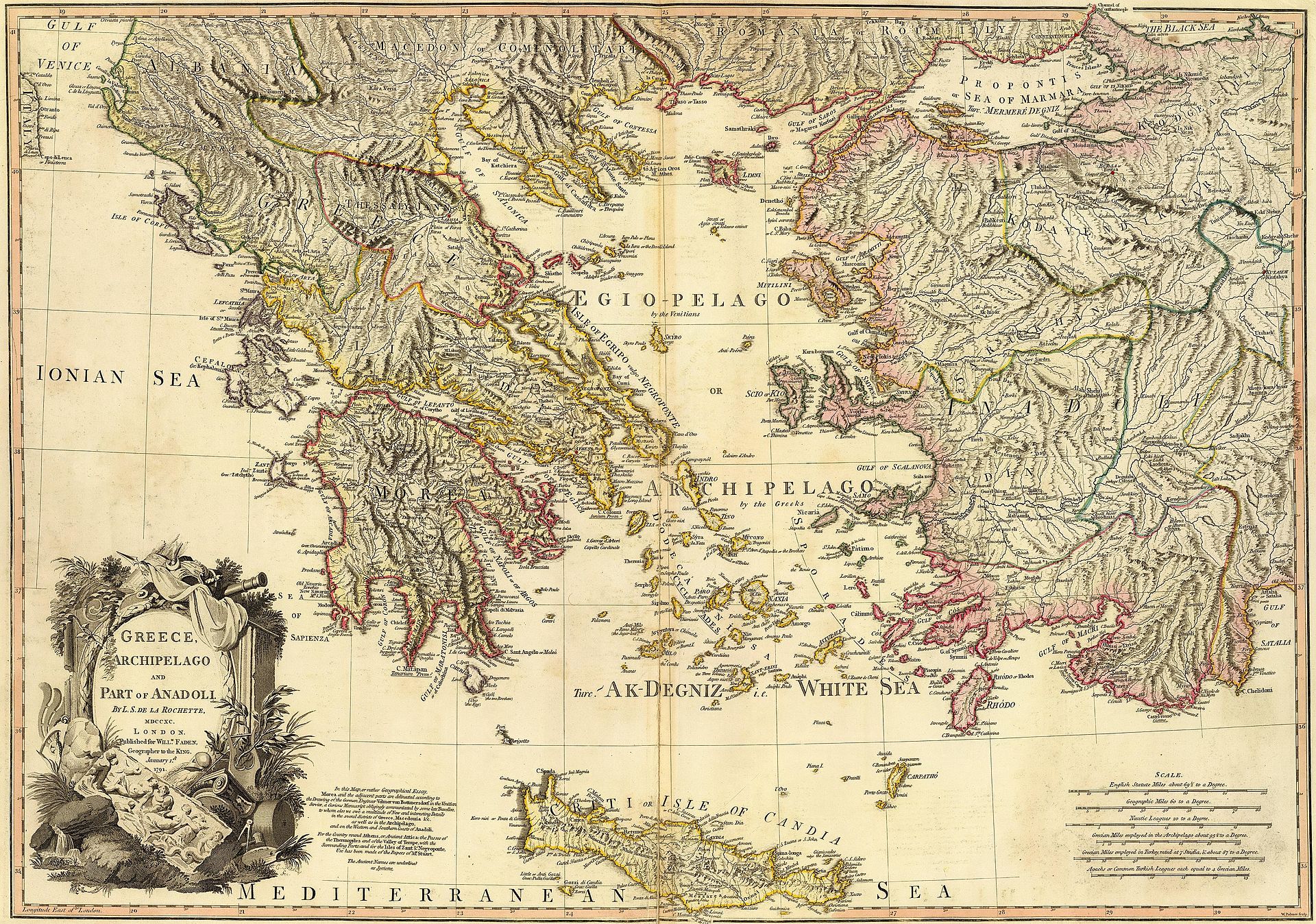
The map above was created in 1791[1] and shows the different areas associated with the Greek civilisations which held significant influence on the world for many years. Despite the age of the map it provides us with important visual clues about the way that geography would have shaped the lives of the ancient Greeks.
 Critical Thinking Skills - Formulating factual, topical, conceptual and debatable questions
Study the map above. Respond to these three questions either in your note book or on a sticky note.
- What do you see on the map?
- What does this map make you think about the lives of the ancient Greek civilisations? What do you know already?
- What do you wonder? What questions do you have either connected to the physical geography of the ancient Greeks or the civilisations in general?
You could compare this map with Google Earth, using the satellite view. This can help with locating Greece before we start to study the different civilisations. Look up the following locations:
- Knossos, Crete
- Athens
- Mount Olympus
- Peloponnese Region (location of Sparta)
- Troy (tip - type 'ancient city of Troy' - this is a location whose authenticity is debated)
- Delphi
- Marathon
- Thermopylae
As can be seen by studying the maps, the physical geography of the Greek civilisation was defined by the prominence of mountains and the sea. Access to both coastline and high mountains had an impact on the way that ancient Greece developed. When comparing to ancient Egypt and Mesopotamia, these difference are important to reflect on. This includes the vast array of islands and high mountain ranges which led to a great level of variety across the region. The mountains contributed to these varieties as they effectively cut communities off from each other, increasing the independence of different city states. The Greek civilisation was close to the sea in most directions, including the Mediterranean, Ionian and Aegean seas. Subsequently the Greeks were highly competent seafarers which contributed to the development of trading routes and the expansion of their territories.
The Minoans
An early example of the development of civilisation in the region was on the island of Crete. This civilisation was known as the Minoans and they were in existence from approximately 2700 to 1450 BCE and would have an influence on later Greek civilisations. A major archaeological site for studying the Minoans is the Palace of Knossos in the north of the island.
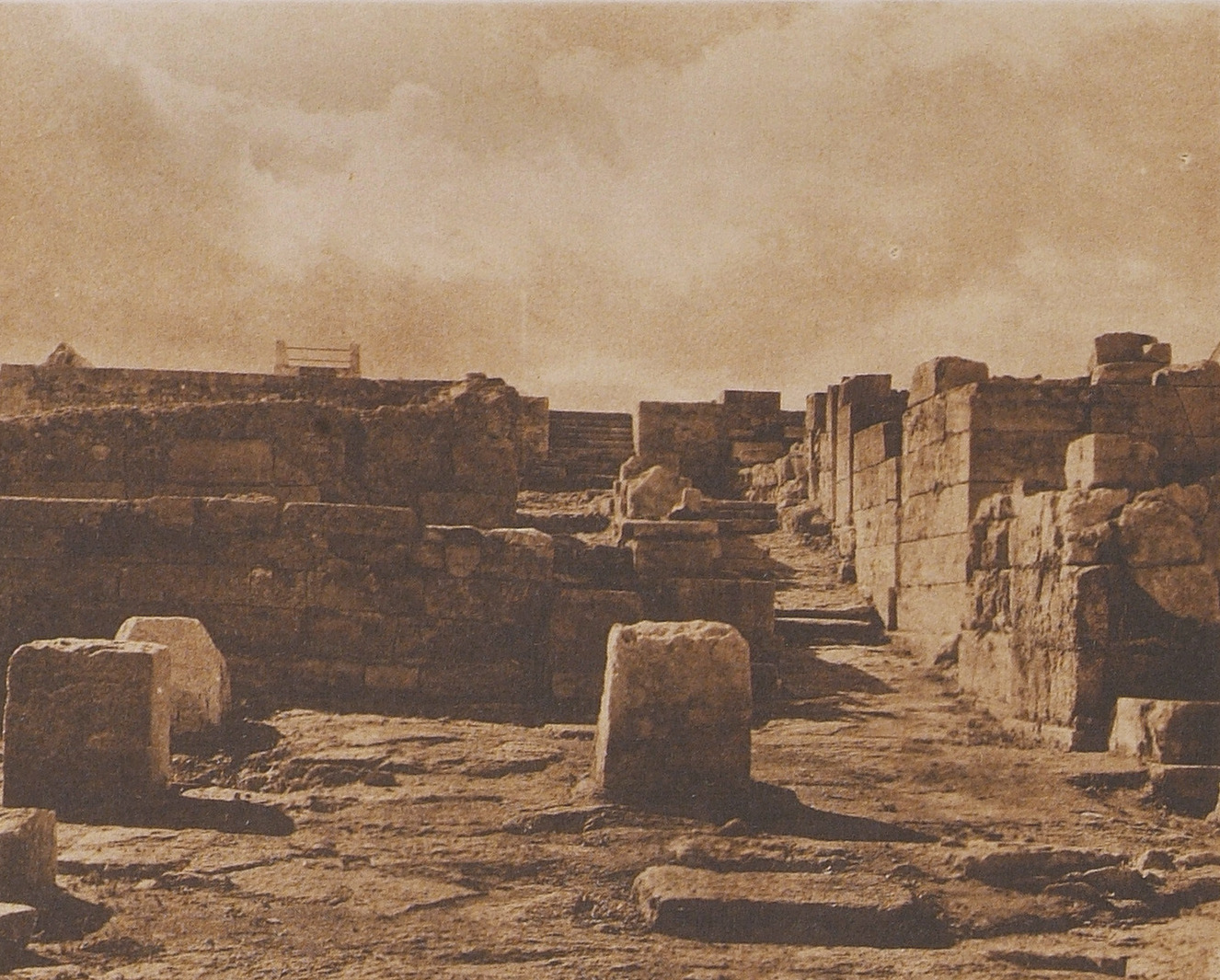
According to Greek legend, Knossos was the location where King Minos lived, the king who kept the labyrinth with the minotaur trapped inside. The story of Theseus slaying the minotaur is one of the most famous of the ancient Greek myths and has impacted popular culture through the depiction of labyrinths and minotaurs in fiction, films and works of art.
Information Literacy Skills - Accessing information to be informed and to inform others
In groups of three conduct research into the Minoan civilisation using the information and images provided at this link.
Each member of the group should take responsibility for a different aspect of Minoan civilisation. Pick three of the following categories to focus on:
- Chronology of the Minoans
- Architectural sites
- Development of writing
- Trade and exchange
- Influence and expansion
You can use the attached table to structure the research. Remember to complete the reflection task as well.
Critical thinking skills - Evaluating evidence and arguments
The story of the Minotaur may have a possible scientific explanation connected to the frequent earthquakes experienced on the island of Crete. Some historians and archaeologists have suggested that myths may have developed as societies attempted to explain natural events they did not fully understand.
Task - Watch the video below and reflect on the following questions:
- How might myths reveal the ways early societies tried to understand the natural world?
- What are the strengths of this theory? What evidence might support it?
- What are the limitations of this theory? What other explanations might there be for the story of the Minotaur?
- How can we distinguish between an interesting interpretation and a proven historical explanation?
Mycenaean Greece
Spanning from approximately 1750 BCE to 1050 BCE, Mycenaean Greece was established on the mainland of Greece, in contrast to the Minoans, who were mostly concentrated on the island of Crete. They developed the Minoan writing system Linear A into a system known as Linear B. Both of these were important early writing systems, with Linear B providing the earliest known evidence of the Greek language. The Mycenaeans ruled during the later stages of the Bronze Age, and the period that followed is known as the Greek Dark Ages.
During the centuries of their rule, the Mycenaean civilisation established many foundations for later Greek civilisation, including the expansion of trade and innovations in engineering and architecture. They were a military society with an organised social hierarchy.
From the viewpoint of the 21st century, the most famous connection to the Mycenaeans is found within Homer's epic poem, The Iliad, which tells the story of the siege of the city of Troy. Whether Troy actually existed is a matter of debate among scholars. A site in modern-day Turkey has been identified as the location of ancient Troy by archaeologists and has been designated as a UNESCO World Heritage Site.
Community Engagement - UNESCO
The United Nations Educational, Scientific and Cultural Organisation (UNESCO) have a range of aims. One of these aims is connected to the protection and preservation of site of historical importance. Subsequently certain sites have been given protected status by UNESCO. This includes the ancient site of Troy as mentioned above.
Go to this link to look at different archaeological sites that can be located in Greece today. At this point there are twenty sites that are given this status, including the Acropolis, Delphi and Olympia. In Türkiye there are twenty one sites which includes the archaeological site of Troy.
Communication Skills - Using speaking techniques to communicate with a variety of audiences
Create a collage of one ancient UNESCO site connected to Ancient Greece, showcase this as a class exhibition. Write a short speech to explain the work of UNESCO and why the preservation of historical sites is important to the world.
This activity could be expanded into a class exhibition or assembly about the work of UNESCO and does not need to be restricted to Ancient Greece. In a previous school the classes I taught created a 'Treasures Around the World' project where students looked at a range of diverse sites around the world connected to their studies of ancient civilisations. The UNESCO website provides up to date information on the sites that have been given this status. The activity could be grounded in a local study depending on the location of your school as well. Full of list of the sites is linked here
The Greek Dark Ages
After the Mycenaean era, Greece entered a period that became known as the Greek Dark Ages. This should not be confused with the period after the decline of the Roman Empire in Western Europe, which is also sometimes referred to as the "Dark Ages". The Greek Dark Ages are typically dated between approximately 1100 BCE and 750 BCE.
It was a less prosperous period, during which many of the achievements of the Mycenaeans declined. This included the abandonment of settlements, while many sites and cities fell into ruin.
By the end of the era, writing had been reintroduced, city-states began to develop again, and Greece entered a new period known as the Archaic Period. During this subsequent period, the Greek alphabet was developed. As mentioned above, the works of Homer are believed to have been composed during the later stages of the Greek Dark Ages or early Archaic Period.
Homer's Epic Poetry
Homer, the epic poet wrote the Iliad and the Odyssey. These works of literature are widely read today and still provide a fascinating window into the lives of the Ancient Greeks. The film director Christopher Nolan recently released a major movie based on these works.
It is important to note that these examples of epic poetry are not studied in the same way as a historical sources which would give us more direct factual information about the past. For instance, the Odyssey includes a range of references to mythological creatures, gods and heroes. This includes creatures such as a Cyclops, the Sirens, a monstrous whirlpool called Charybdis and a whole range of Greek gods and goddesses.
How can works of fiction be used to study past societies? Discuss. What role do you think symbols would play? How could historians interpret some of the events or characters of the Iliad and the Odyssey to deepen knowledge of the time period?
Aesop's Fables
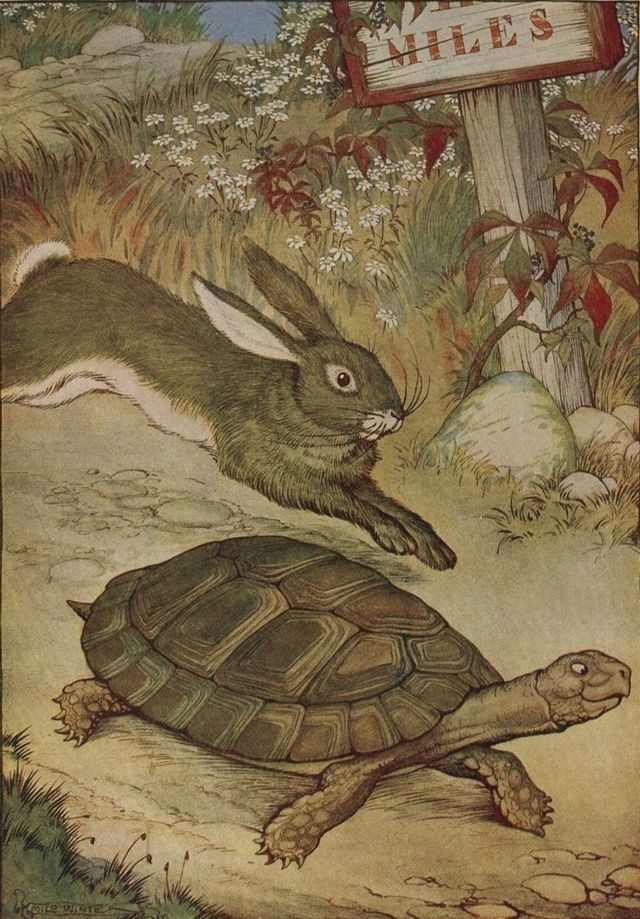
There is speculation about the origins of Aesop's fables. It is thought that the different fables were passed down through oral traditions. Each fable typically has a moral or lesson and so may have been used in the education of young people . Examples include 'The lion and the mouse' and the most well known 'The tortoise and the hare'.
It is thought that Aesop may have been a slave who created these stories as a way of challenging ideas of power and existing hierarchies. There are hundreds of fables contained within the contemporary collection.
Creative Thinking Skills - Using existing works and ideas in new ways
Task - Find an example of a fable that you like or that your teacher has provided for you. Construct a short role play to demonstrate the story and the message of the fable. Tip - some of the fables have more obscure or unusual messages so make sure you use one which you are more confident with.
The Hare and the Tortoise
A Hare was one day making fun of a Tortoise for being so slow upon his feet. "Wait a bit," said the Tortoise; "I'll run a race with you, and I'll wager that I win." "Oh, well," replied the Hare, who was much amused at the idea, "let's try and see"; and it was soon agreed that the fox should set a course for them, and be the judge. When the time came both started off together, but the Hare was soon so far ahead that he thought he might as well have a rest: so down he lay and fell fast asleep. Meanwhile the Tortoise kept plodding on, and in time reached the goal. At last the Hare woke up with a start, and dashed on at his fastest, but only to find that the Tortoise had already won the race.
Slow and steady wins the race.
Accessed at https://www.gutenberg.org/files/11339/11339-h/11339-h.htm#01hare
Here is a list of memorable fables from the collection
- The lion and the mouse
- The hare and the tortoise
- The fox and the grapes
- The ant and the grasshopper
You can find all of the fables at this link here
Extension - The following episode of In Our Time is focused on Aesop - you can listen here
Ancient Greek Theatre
Another important development in Greek culture was theatre, plays were performed at outdoor venues in semi circular structures. Famous Greek playwrights included Aeschylus, Sophocles, Euripides and Aristophanes. Two major forms of Greek theatre developed; tragedy and comedy. Plays were often performed to honour the god Dionysus, the god of theatre and drama (as well as wine!)
Sophocles was a master of the genre of tragedy. His three Theban plays, Oedipus Rex, Oedipus at Colonus and Antigone are widely studied today. A short intro to Greek theatre can be accessed in the video below.
Transfer Skills - Applying skills and knowledge in unfamiliar situations
The video below provides an introduction to Greek tragedy from the National Theatre in London, UK. The director decided to based the play Antigone during a more contemporary setting. You could watch this video to find out more about Greek tragedy and the play Antigone which is one of the most famous from the Ancient Greeks.
Task - Watch the video then discuss the following questions:
- What purpose do you think theatre would have for people in Ancient Greece?
- What types of roles do tragedy and comedy play for people in their everyday life?
During the Archaic period, the Greek city states developed considerably. These city states became more important centres of trade and developed specific identities. If you remember from the geography section, both the mountains and the sea created a sense of isolation across different parts of ancient Greece. This meant that the city states varied and developed their own identities and cultures. Two examples, which will be discussed here, are the city states of Athens and Sparta.
The city states, known as the polis, which is where the word politics originates from, were important locations for people to meet and discuss ideas for how to govern society. Some of the cities were rigidly hierarchical, while others developed early forms of democracy. The loyalty of the people was to their city, and sometimes the different city states would come into conflict with each other. During the Archaic period, the number of city states increased. Greek expansion occurred further west along the Mediterranean, on the North African coast, and north of Greece into an area called Thrace. The site where Istanbul is today was originally a Greek settlement. The power of Greek civilisation increased with this expansion, alongside the development of trade and an increasingly wealthy merchant class.
Most Greek city states maintained a hierarchy that favoured an oligarchy. This is the rule of the few, a system where a small elite makes the important decisions for everyone. This is different from democracy, which is about more mass involvement in politics and can be described as the rule of the many.
Athens and Sparta highlight these differences well. Look at the profile cards of the two city states below.
Athens
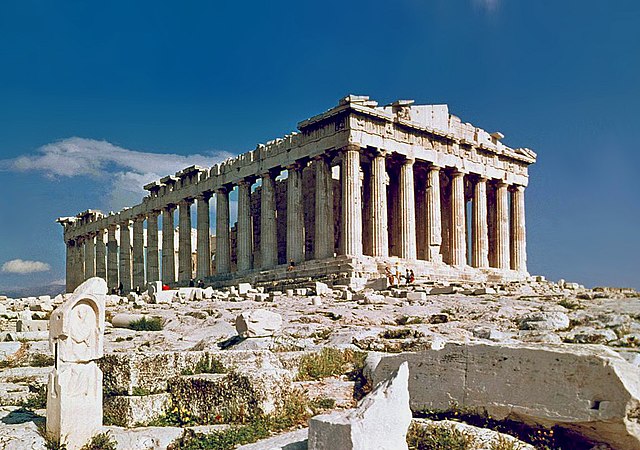
Athens was not always a democracy, nor should it be viewed in the same way as the democracies that exist nowadays. It had different systems of rule, including monarchy, oligarchy and, finally, democracy. To represent the views of the citizens of Athens, a council and an assembly were set up. Male citizens over the age of 20 could participate. This included the right to debate and vote on laws. Women and slaves were excluded, and it is thought that between 10–20% of the population could take part. Despite these limitations, the development of democracy in Athens was of central importance to the historical development of this more representative form of government. The high point of Athenian democracy came under the rule of Pericles, a time known as the Golden Age of Athens.
Sparta
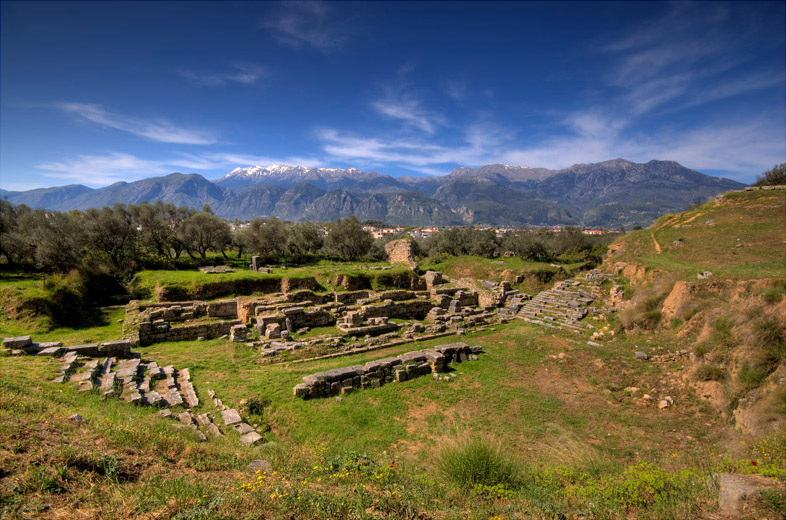
Sparta was a society based around the importance of the military. Sparta was located in the Sparta was a society based around the importance of the military. Sparta was located in the Peloponnese region. As a city state, it expanded in strength and power by the 4th century BCE. As a militarised society, this was a focus for the education and training of the population. From childhood, boys took on this training and would grow up to be part of the different divisions of the Spartan military. This included the phalanx, which was a division that fought in a rectangular formation that was effective in battle. Women had responsibility for looking after children and the home but, given the military duties of men, they had more freedoms than women in other areas of Greece. Overall, Sparta was a hierarchy that was strictly controlled, involving censorship, and was quite different from Athens. The two states came into conflict with each other during the Peloponnesian War from 431–404 BCE.
What do you see as the main differences between Athens and Sparta from the information above?
The Greco-Persian Wars
'For no one is, of himself, so foolish as to prefer war to peace; in the one, children bury their fathers; in the other, fathers their children.'
Herodotus. (2010). The History. The University of Chicago Press.
What is meant by the quote above from Herodotus?
Herodotus was an early example of a historian. His book 'the Histories' detailed the wars between Greece and Persia which took place during the 5th century BCE and forms a record which can be accessed by scholars today to examine the impact that the wars had on the Greeks. The following information and activities are about two famous battles between the Greeks and Persians. The first battle at Marathon and the second at Thermopylae. These activities use the writings of Herodotus to help us to gain a more authentic sense of how the battles have been described and written about.
Information Literacy Skills - Making connections between various sources of information
During the Greco-Persian Wars, a famous battle was fought at Marathon, 26 miles outside of Athens, between the Athenians and the Persians. Herodotus wrote about this battle in his book The Histories. This activity asks you to study three extracts from the book about the battle and to answer questions to develop your skills associated with Criterion D - Thinking Critically as well as developing your information literacy.
This activity can be used to practice Criterion D - Thinking Critically. The year one criteria includes the strand ii use information to give an opinion The idea is that the students would be able to write up an explanation of the Greek victory of Marathon based on their reading of the Herodotus extracts.
The victory at Marathon was important for the city state of Athens. A second famous battle between the Greeks and Persians took place at Thermopylae in 480 BCE. The Persians, by this time led by Xerxes, fought a unified group of city states led by the Spartans. During the battle, the Persians were held off by the Greeks at the pass of Thermopylae for seven days, despite being heavily outnumbered. Spartan warriors were noted for their bravery in this battle. The Greeks were eventually outflanked by the Persians after a traitor told them of a different route through the mountains. While the Spartans had led the defence at Thermopylae, the Athenians had mounted a naval war against the Persians. Due to the loss of Thermopylae, the Persians were able to briefly take over Athens, which had been evacuated. Despite temporarily losing control of Athens, the Greek city states were able to unite again and defeat the Persians at the Battle of Plataea in 479 BCE and a naval victory at Salamis in 480 BCE. After the defeat of the Persians, Athens entered a golden age where many developments occurred that gave the city its reputation as a centre of learning and democracy.
Critical Thinking Skills - Evaluating evidence and arguments
Task - Read the following source extracts from Herodotus on the Battle of Thermopylae then answer the questions that follow:
'The winning opinion was for guarding the pass of Thermopylae. It was manifestly narrower than the pass into Thessaly and was, moreover, nearer their own land. They decided that, if they guarded this pass, they would stay the entry of the barbarian into Greece, while their fleet should sail around to Artemisium, in the territory of Histiaea. The two forces would then be near enough to one another to communicate as how things were going with each; the lie of the land is as follows.'
Herodotus. (2010). The History. The University of Chicago Press.
According to the extract why was the pass of Thermopylae selected? What was the purpose of the Athenian fleet?
It was narrower and closer to their own territory. The fleet would be close enough so that the land and sea forces could keep in communication.
'That was what they intended to do. But the Greeks at Thermopylae, when the Persian came near the pass itself, were in sheer terror and debated whether to stay or go. The other Peloponnesians were for going to the Isthmus to guard it; but Leonidas*, when the Phocians and Locrians buzzed angrily around him against this plan, gave his vote to remain where they were and to send messengers to the cities, bidding them come to their help, on the grounds that they that were there were too few to drive off the Medes*.'
Herodotus. (2010). The History. The University of Chicago Press.
- Leonidas - the lead Spartan soldier
- Medes - The Persians
According to the extract why do you think many of the Greeks would have been in 'sheer terror'? How does this extract reflect the bravery of the Spartan soldiers?
Due to the sheer numbers of Persian soldiers. In other extracts Herodotus gives extremely high numbers of soldiers who were following the orders of Xerxes. Leonidas decided to stay and guard the pass despite others wanting to leave. It was clear that they were outnumbered.
'At sunrise, Xerxes made his libations and, waiting till it was the time of the greatest crowd in the marketplace, made his attack; this was how Ephialtes* bade him do it. For the descent from the mountain was more direct and much shorter than the way round and the ascent. Now Xerxes’ men attacked, and Leonidas’ Greeks advanced far more than at the first to the broader part of the pass, making this outbreak as men who were going to their death.'
Herodotus. (2010). The History. The University of Chicago Press.
- Ephialtes - the Greek soldier who told Xerxes and the Persians the path around the Greek position at the Battle of Thermopylae. Considered a traitor for these actions.
In this extract, what do you think is meant by the expression 'making this outbreak as men who were going to their death'?
Suggestive that there was no doubt that all of the soldiers advancing further into the pass at its widest point were going to be killed.
The Peloponnesian War
We have already found out that the Greek city states came into conflict with each other from time to time, most famously between Athens and Sparta during the Peloponnesian War. Due to the amount of conflict that occurred, Greek city states developed their armies accordingly. The war between these two great city states began in 431 BCE and lasted for decades. The early stages of the war saw the Spartans launching attacks on Athens, who took on a siege approach by defending itself behind its walls. During the years of war, Athens also suffered from an outbreak of plague, which weakened the city considerably due to the loss of life. Over the years, both city states were weakened by these wars, and they led to an end of the Golden Age of Athens, which had begun after the defeat of the Persians.
A short summary of the war from National Geographic can be read at this link. The wars between Athens and Sparta were written about by another Greek historian, Thucydides who wrote 'The History of the Peloponnesian War'.
Reflection Skills - Considering content – What did I learn about today? What don’t I yet understand? What questions do I have?
In the activities above you have read extracts from Herodotus, a Greek writer and historian who is sometimes described as the 'father of history'. Choose one of the prompts below to reflect upon how history was recorded during the time of the Ancient Greeks and how it changed over time.
- How useful do you think the work of Herodotus is to someone studying the Greco - Persian Wars?
- For what reasons would the writing of history change over time? Why is history writing today very different to the style used by Herodotus?
- How could we check that the information provided by Herodotus is accurate? Are there ways to check or do we need to rely on trust sometimes?
We have already discussed Greek literature and theatre as well as the history writing of Herodotus and Thucydides. In this section other areas of Greek cultural life will be considered.
Religion
'The Greeks created gods that were in their image; warlike but creative, wise but ferocious, loving but jealous, tender but brutal, compassionate, but vengeful.'
Fry, S. (2017). Mythos.
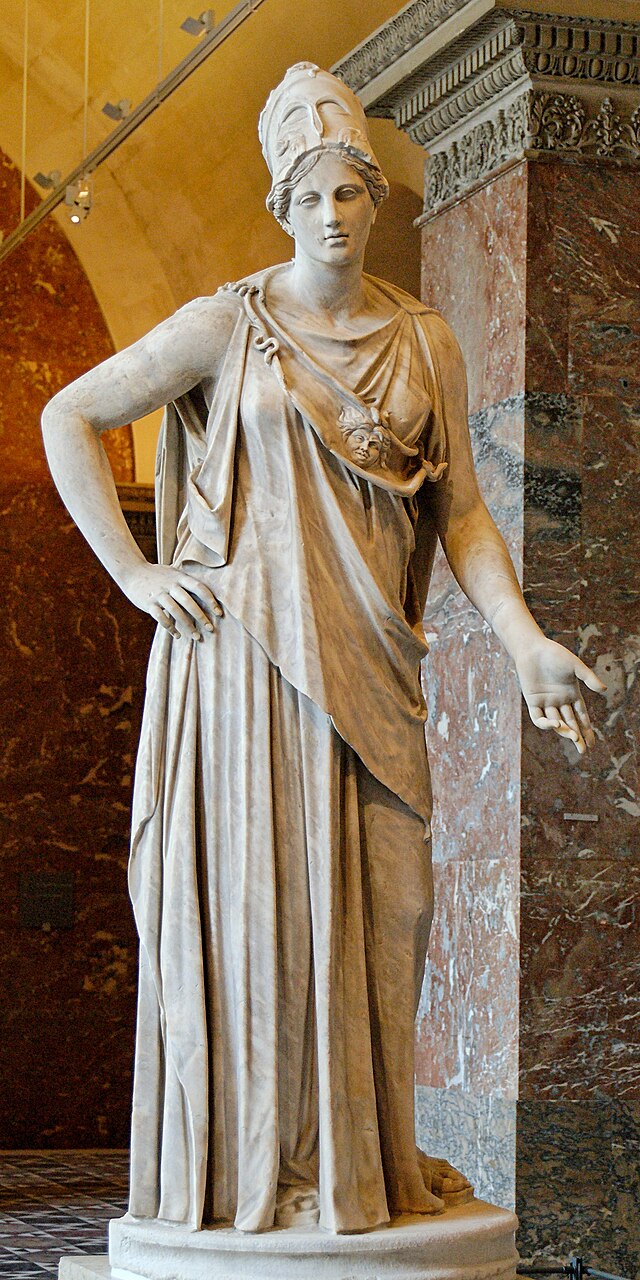
Greek religion was dominated by the role of numerous different gods, which provided a mythology for people to discuss and examine. The religion was polytheistic, meaning that there was a belief in multiple gods and goddesses. The most famous of the gods were the twelve Olympian Greek gods. They are Zeus, Athena, Hera, Aphrodite, Ares, Hermes, Hephaestus, Poseidon, Hades, Demeter, Apollo and Artemis. Sometimes Dionysus is included as well. They were said to control different areas of life and the world, each often representing a particular aspect. For example, Apollo was the god of music, prophecy, healing and the arts, Athena, the goddess of wisdom.
They were said to take on human characteristics, both physically (as shown in the picture here) and through a range of emotions, being capable of anger, jealousy, but also love. The gods were worshipped in temples throughout the Greek city states and provided inspiration for Greek art, literature and education. The Olympic Games originated in Ancient Greece and were held every four years in honour of Zeus.
Information Literacy Skills - Making connections between various sources of information
This activity can be used to develop the following skills to support Information Literacy
- Access information to be informed and to inform others.
- Construct a bibliography according to a recognised convention
Create a profile on one of the Olympian gods. This could be done by hand or using a computer. Include the following information:
- Title which introduces your chosen god
- A picture or drawing of the god
- An origin story about how your god came about
- What your god represents e.g. Ares is the god of war and what symbols they are commonly associated with.
- What role your chosen god had on the people of Greece. What rituals were associated with your god?
- Include a reference list on your profile to show where you found the information. More information on referencing for MYP 1 -3 can be accessed on the page Reference Lists .
Philosophy
One of the greatest contributions of the Greeks to knowledge was in their development of philosophy. Philosophy is a discipline which invites thinking based around a whole manner of questions about what it means to be human, how to live in the world and what is the nature of existence. It is often divided into branches concerning ethics (which deals with morality), epistemology (which deals with knowledge) and metaphysics (which deals with the nature of reality). The earliest Greek philosophers were chiefly concerned with metaphysics and asked questions about the make up and structure of the world. Later on, three famous philosophers would expand the inquiry into many areas of discussion which are significant to this day. They are Socrates, Plato and Aristotle.
Socrates | Plato | Aristotle |
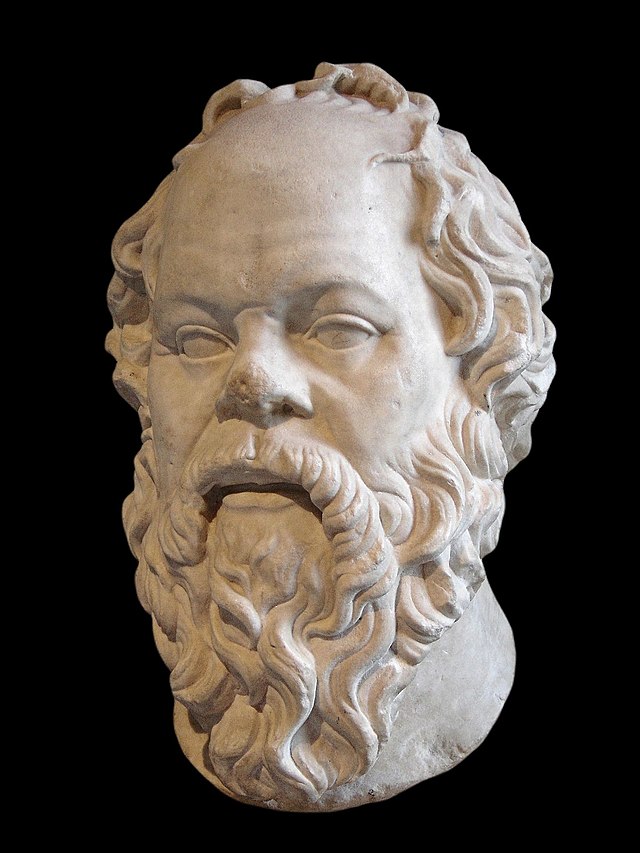 | 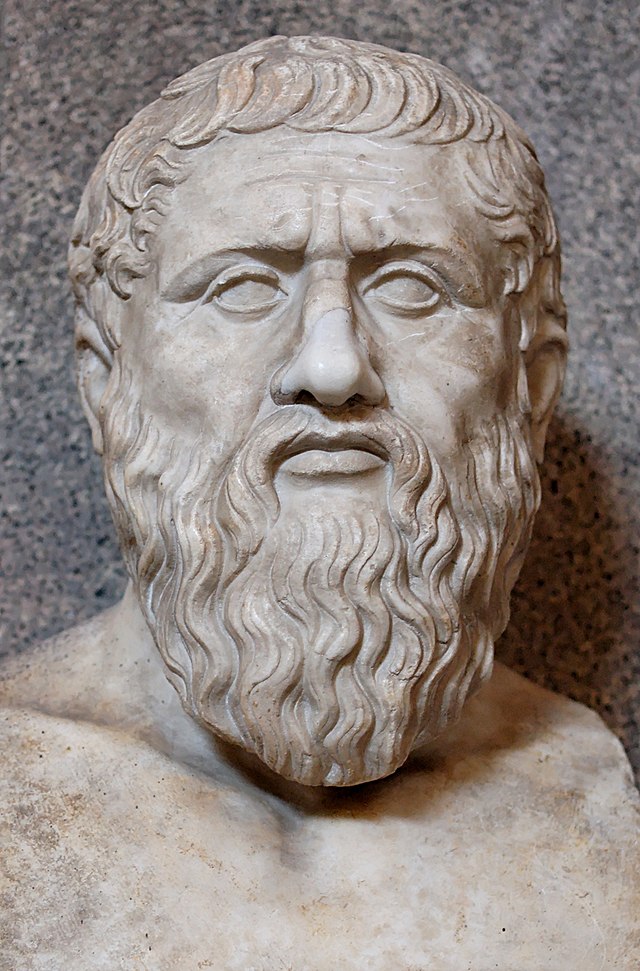 | 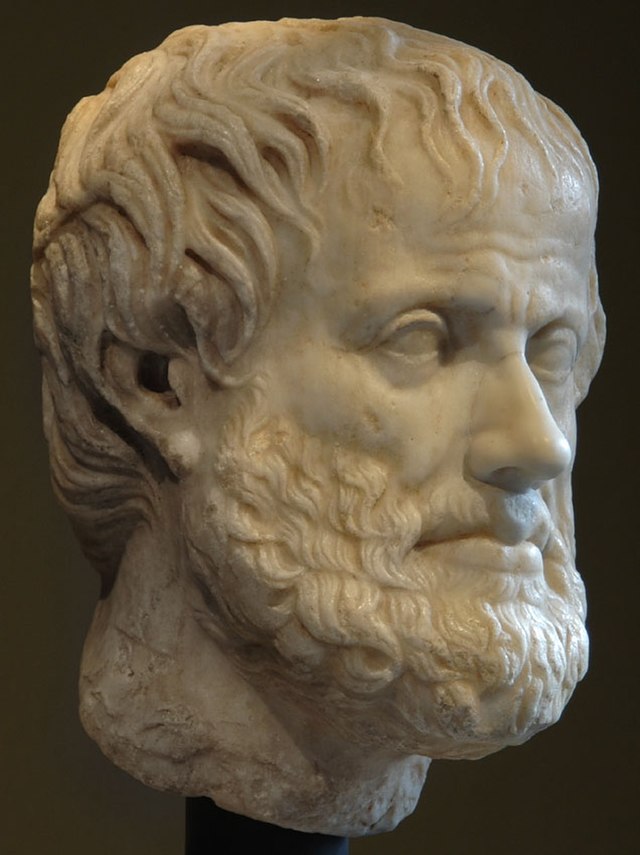 |
'The unexamined life is not worth living' Although Socrates never wrote anything his significant influence on the development of philosophy was communicated by his student Plato. Socrates is most famously known for the Socratic Method. A form of dialogue which looks to uncover greater precision and accuracy through questioning and interrogation. This method provided the foundations for the development of logic and reason as cornerstones of rational thought. Due to this questioning approach Socrates came into conflict with the authorities of the time and was sentenced to death by drinking poisoned hemlock. | 'One of the penalties of refusing to participate in politics is that you end up being governed by your inferiors.' The work of Plato forms a major part of ancient Greek philosophy. A number of his writings have survived. A famous work called 'The Republic' sets out the features of an ideal state. This is an example of political philosophy and it presents the idea of a utopia. Critics of Plato see his ideas as undemocratic and elitist. Plato also came up with the idea of the Forms, this presents the world as merely a reflection of perfect forms that exist out of reach in another reality. One of the most famous teachings of Plato is the Allegory of the Cave. Watch the video below and discuss what you think the whole story is about. | 'Knowing yourself is the beginning of all wisdom.' Aristotle's life story is clouded with uncertainty but we know that he was a student of Plato at his school, the Academy in Athens for many years. His contributions to philosophy are significant. With contributions ranging from the importance of friendship through to early systems of biological classification. Aristotle's influence has affected multiple areas of knowledge from the sciences through to morality. One of his most famous texts, the Nicomachean Ethics, a series of lecture notes provides insights from Aristotle on a wide range of issues. He was concerned with ways that people can live a flourishing life and in recent times his work has been of interest to education researchers looking to consider ways to improve schools. |
Greek Philosophers
Extend your understanding by looking into the ideas of the three philosophers profiled above. Do further research into the terms in bold or choose one of the philosophers to read about.
There are a number of Greek philosophers that are not mentioned which you could also conduct further research into. Names include; Thales of Miletus, Pythagoras, Epicurus, Zeno of Citium and Diogenes.
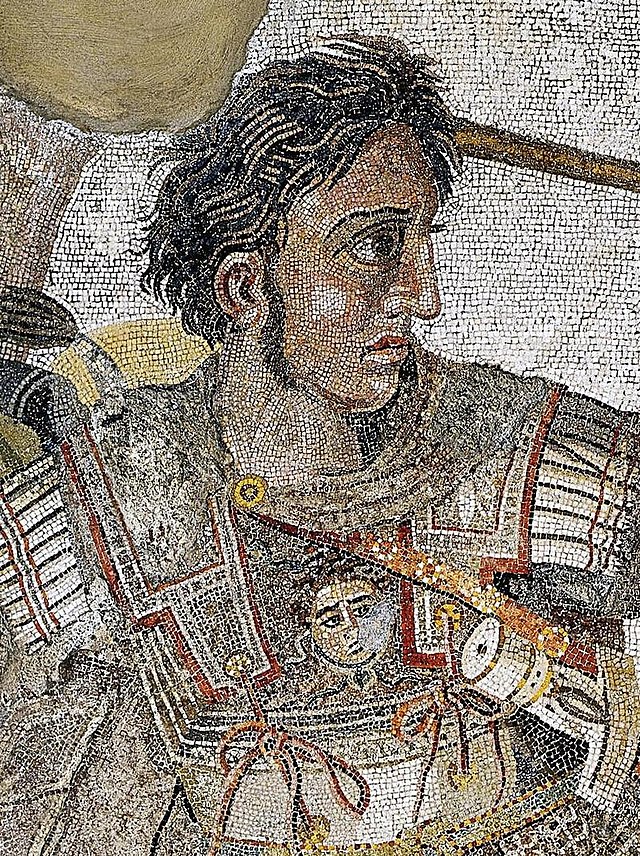 | 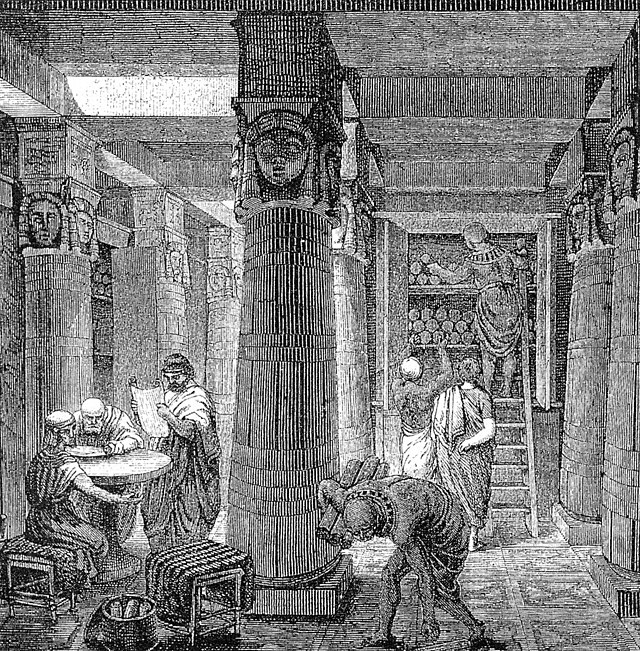 |
Study the two pictures above. What do you think might connect the two images?
If you study a map of Europe today you will see that to the northern border of Greece lies the country of North Macedonia. Macedonia played a very important role in the later stages of Ancient Greek civilisation. It had traditionally been less powerful than its neighbours to the south such as the city states of Athens and Sparta. However, Macedonia gradually developed into a powerful kingdom.
Alexander the Great pictured above was a Macedonian. After 338 BCE the Greek civilisation came under the unified control of the Macedonians. This was carried out under the leadership of Alexander 's father Philip II but after he was assassinated Alexander inherited this empire and assumed control.
Alexander the Great was well suited to the role of military leader. He was given an education which included being tutored by Aristotle which gave him experience of many different areas of knowledge. He was taught about military strategy and developed ambitions to expand the territory of his Kingdom. This included looking to the East, especially towards Persia as an area for conquest.
Over the subsequent years of his rule he was ver successful in these conquests. Large areas of Asia Minor (areas which would include Türkiye, Iraq, Syria, Iran and as far east as Pakistan) and Egypt came under his control. In Egypt the city of Alexandria was set up and became a great centre of learning in this area of the world. The library at Alexandria was extensive and became a renowned centre of study.
Alexander the Great died in 323 BCE but his legacy lived on in an era known as the Hellenistic World. 'Hellenistic' meaning to relate or connect to Greece was the term used for states influence by Greek thought and culture in the years after Alexander the Great. It included Ptolemaic Egypt which is discussed in the Egyptian Civilisations unit. The Hellenistic Wold was divided into separate states as shown in the map below. They developed many further achievements in mathematics, geometry, architecture, literature, theatre and philosophy. All of the states were eventually conquered by Rome.
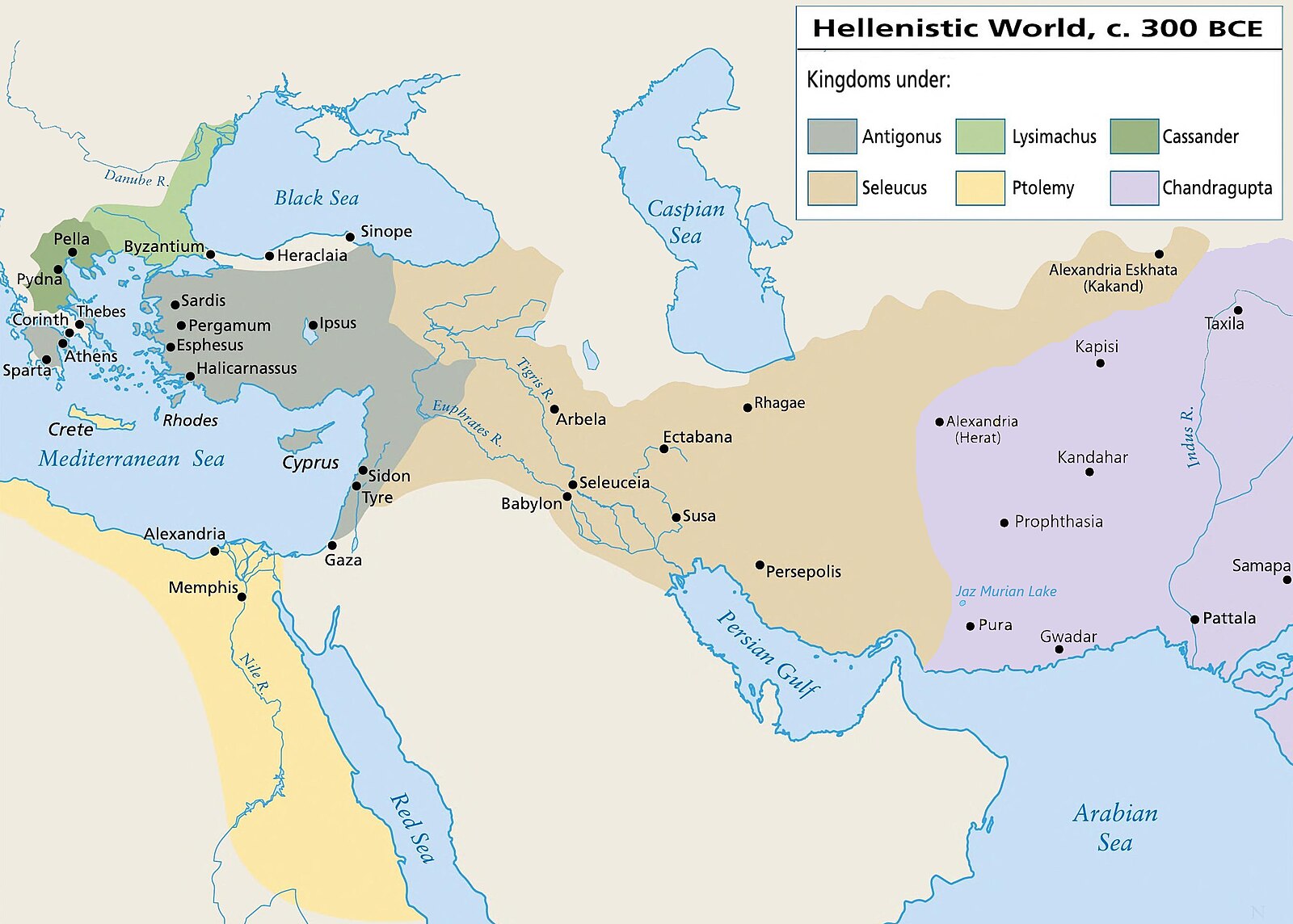
The Helleinistic World
Expand your understanding of some of the achievements of the Hellenistic world. Choose one of the following individuals or movements to study.
- The philosophy of Epicurus
- Stoicism
- Euclid and Geometry
- Archimedes
- New forms of comedy and poetry
Footnotes
1. https://en.wikipedia.org/wiki/Ancient_Greece#/media/File:Map_of_Greece,_Archipelago_and_part_of_Anadoli;_Louis_Stanislas_d'Arcy_Delarochette_1791.jpg
2. https://commons.wikimedia.org/wiki/File:Ancient_sparta_theater.jpg
3. https://pz.harvard.edu/sites/default/files/Color%20Symbol%20Image_1.pdf