Kicking Off the Year in IB DP Computer Science: Towers, Teamwork, and Thinking
The start of a new academic year is always filled with excitement and potential, and nowhere is that more true than in the IB DP Computer Science classroom. This year, I launched our course for a mixed group of higher and Standard-Level students with two foundational one-hour lessons designed to build community, establish norms, and introduce the core concepts that will drive their learning for the next two years.
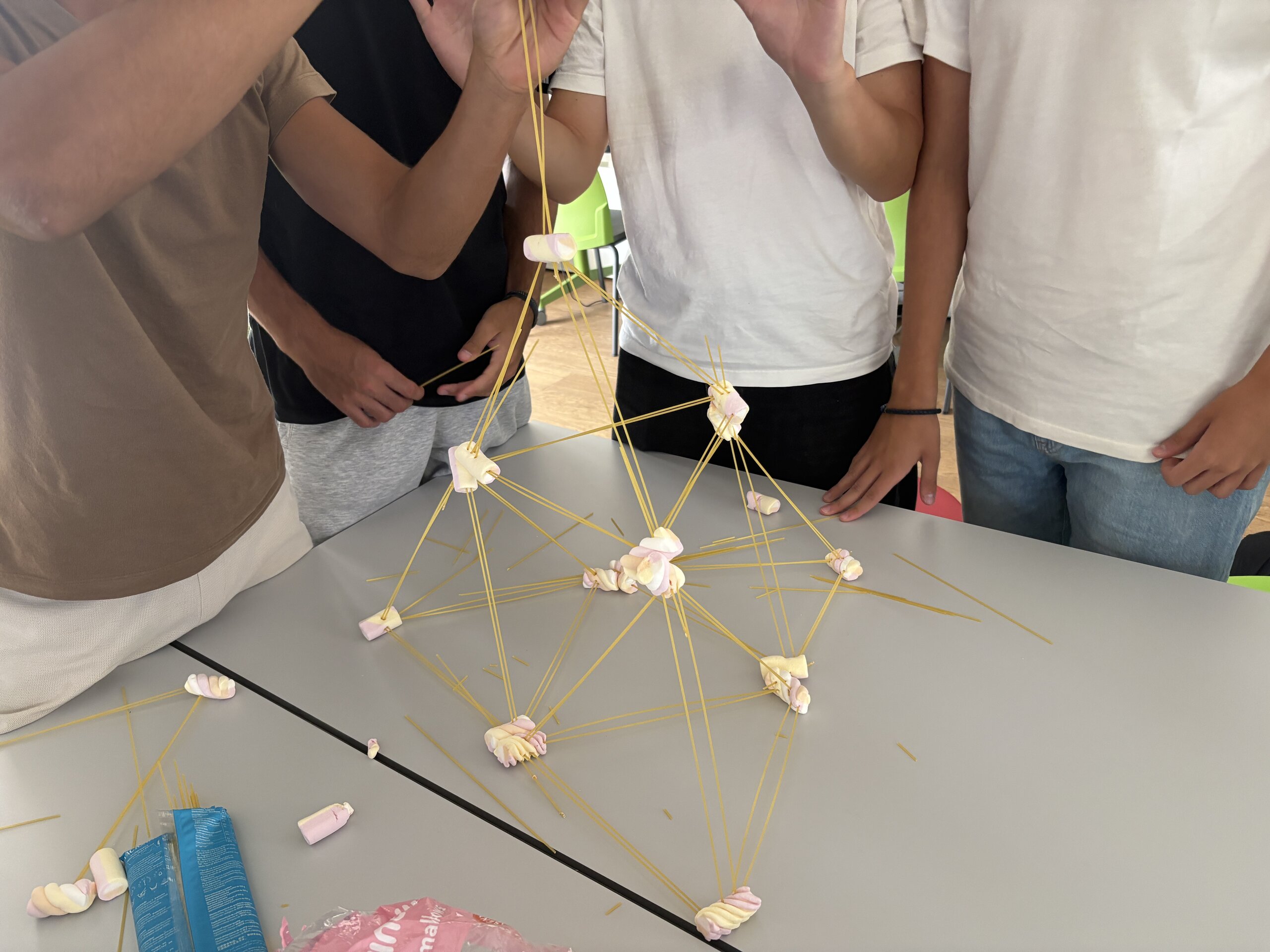
We kicked things off not with lines of code, but with spaghetti and marshmallows. The challenge was simple: in small groups, build the tallest free-standing tower. Some towers soared, others… not so much! But the outcome wasn’t the point. The real value came in the reflection afterwards, where students articulated what made their teams work (or what didn't). It was the perfect, hands-on introduction to the collaborative spirit that is essential in the world of computing.
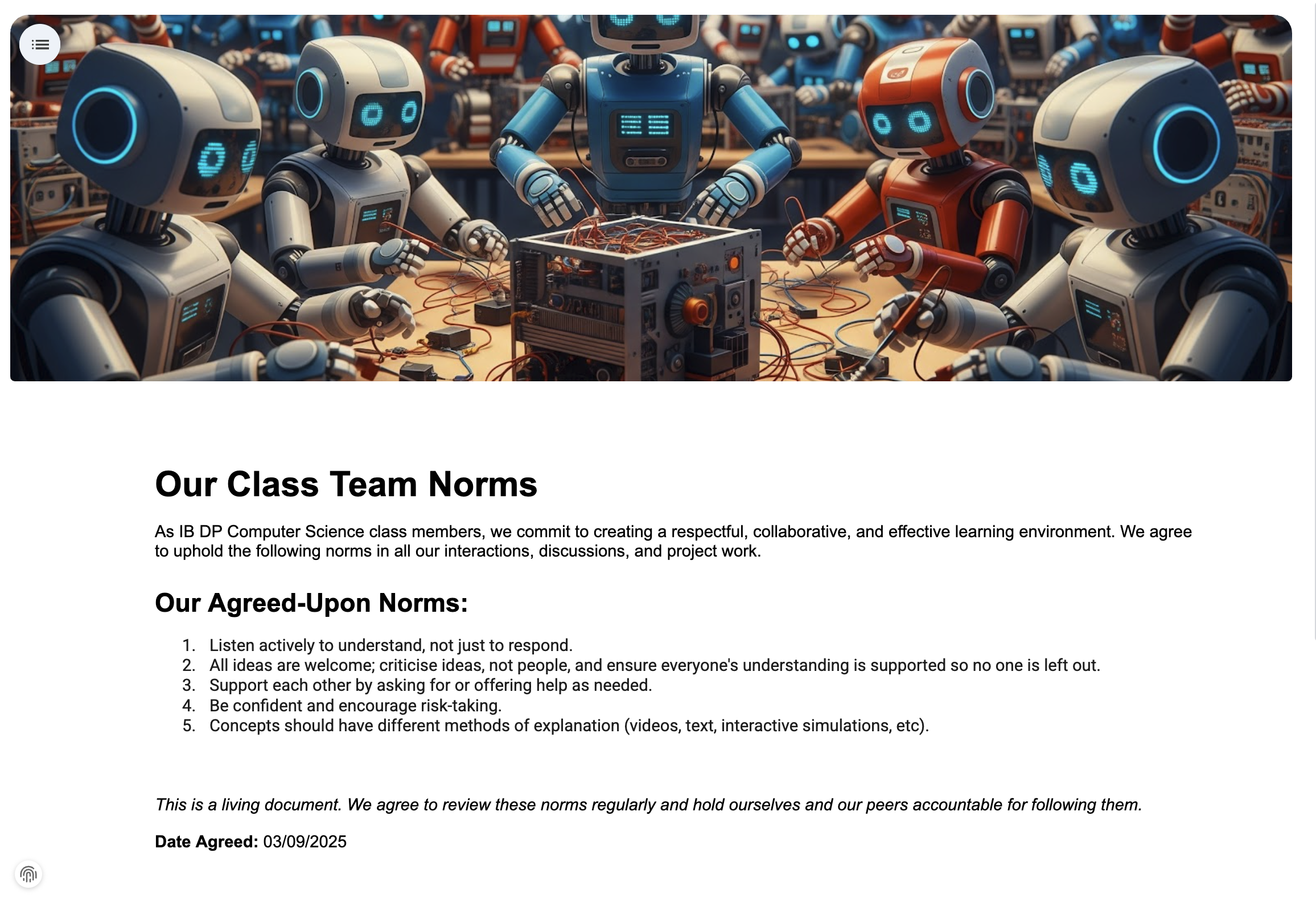
Building on that spirit of collaboration, the students then worked together to create their own set of "Team Norms." Rather than imposing rules, this student-led exercise empowers them to take ownership of their learning environment. They discussed what respect, active listening, and mutual support look like in practice, and the result is a powerful, agreed-upon contract for how they will work together this year. This document is a testament to their maturity and readiness to engage with the course in a principled way.
With our collaborative foundation firmly in place, we then delved into the essentials of the new syllabus and unpacked the key elements of computational thinking—decomposition, pattern recognition, abstraction, and algorithmic design. By grounding these abstract concepts in the tangible experience of the tower challenge, students were able to grasp their relevance immediately.
These introductory lessons are a fantastic example of the kind of engaging and well-structured resources we have available for subscribers. By blending hands-on activities with essential theory, we can create a classroom environment where every student feels equipped and excited to begin their IB DP Computer Science journey.
You can see these lessons here:
Introduction to IB Computer Science
Introduction to IB Computer Science & Collaborative FoundationsTwo introductory lessons to introduce students to the IB Computer Science course and computational thinking.
If you tried out these lessons, we would love to hear how they went for you.
Michael and Anna