Genrefication - genrefying the library collection
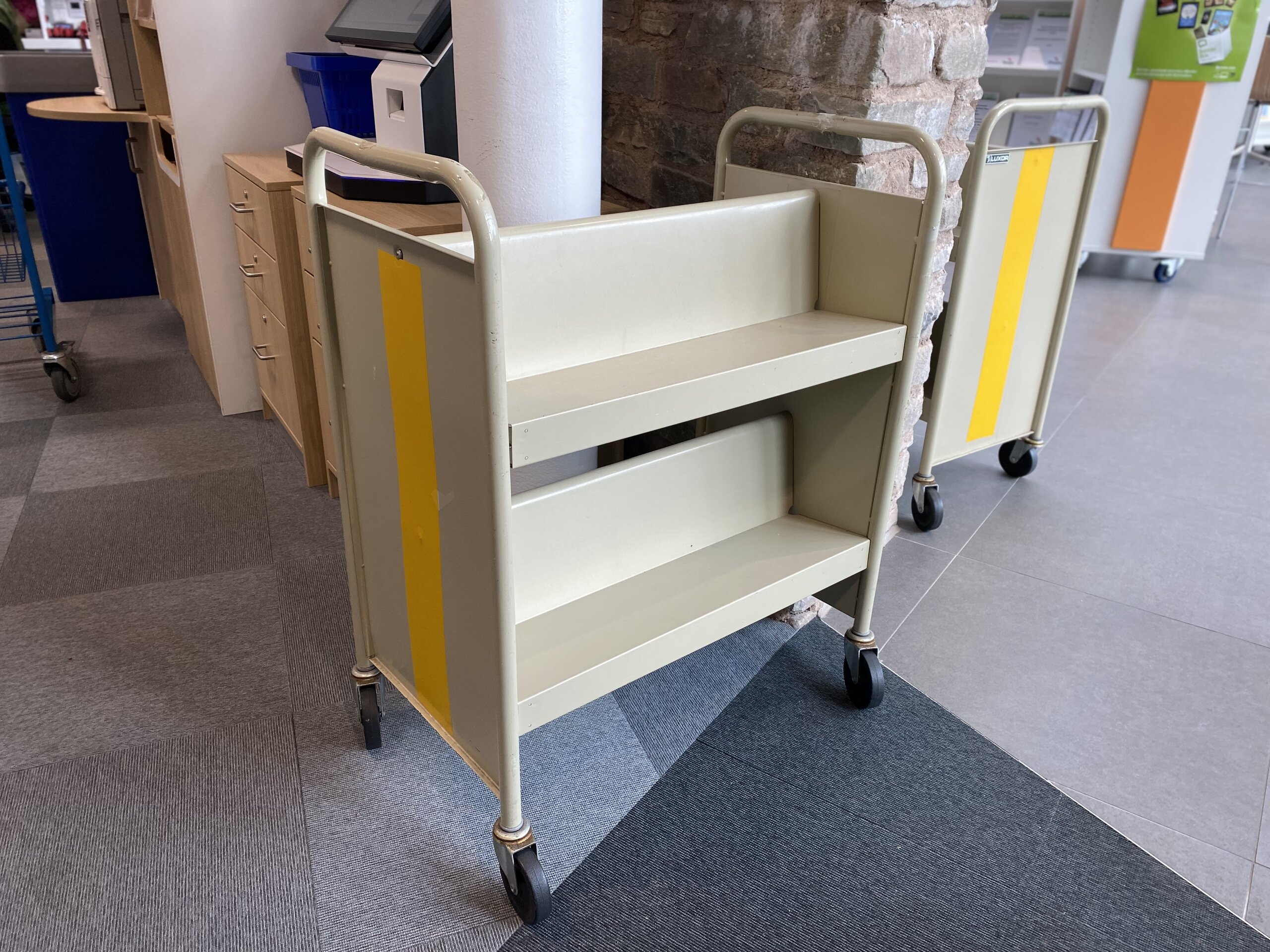
Genrefying the school library collection is an ‘evergreen’ topic for school and other community-based libraries. It is a common arrangement in bookstores, where books are grouped according to the genre or subject of the book. On this page, we focus on the secondary school sector, but remain mindful of the needs of DP students.
What is genrefication?
First of all, a reminder of genre and literary form in an IB context:
“A genre refers to a category of literary, musical or other type of composition that is characterized by similarity of content, form and style. Within a particular literary form, genres are characterized by certain conventions. For example, genres of the literary form “prose fiction” include science fiction, crime fiction, romantic fiction and young adult fiction … These genres can then be subdivided into sub-genres.”
Diploma Programme: Literary Arts Guide. International Baccalaureate Organization, 2022, page 23 and Diploma Programme: Language A teacher resource material. IB, 2019, page 55.
We look in more detail at these and other aspects at Fiction genres
Genrefying
A definition of genrefication is not as common as may be expected in the literature. Indeed, there is an assumption that people know what it is. However, this is an interesting approach:
“Genrefication is a specific approach to library collection organization … in which the school librarian organizes the collection by subject rather than discipline … Librarians may choose to genrefy their entire collections, but many focus solely on their fiction collections … [though] there may also been movements toward reader interest classification (RIC) of non-fiction collections … [and] most often, genres are identified by the school librarian.” (Moeller and Becnel, 2019, p.199)
So, essentials of genrification are:
- genrefiction focuses on specific subjects and/or genres
- it can be an arrangement for part of or the whole library collection
- a genrefied scheme is specific to a location
- the librarian is mostly responsible for undertaking and managing the process.
Genrefying the whole or part of the school library collection
The extent to which a library is genrefied can vary:
“Genrefication is the process of organizing, classifying, and categorizing items into genres. This classification system can be easier for patrons that like to browse … Genrefication focuses heavily on grouping similar materials together. Some libraries may choose to keep their nonfiction and fiction titles separate while others use this reorganization as an opportunity to bring them together. The beauty of genrefication is that it allows the library to adapt its collection and cataloging to fit their individual needs.” (North Dakota State Library, 2026)
How extensive can genrefying be?
Genrefication can include or range from or indeed be a mixture of any of these:
- Arranging part of the fiction print collection by genre and form, leaving some of the fiction collection in a traditional order (i.e. author order)
- Organising all the fiction print collection by genre
- Classifying part of the nonfiction print or physical collection in a localised way, rather than a mainstream classification system
- Re-organising all the non-fiction print collection in a genre/subject way that is designed to help local needs, often focused on the community using one particular library space.
- Applying a genrefied arrangement to all the library collection (fiction and nonfiction)
Structure
There should be a structure to a genrefied arrangement as not only does the process affect the physical arrangement of materials, but also how they are labelled. It also requires work on the library catalog, as well as user education.
Categories and neighborhoods
“Most libraries begin by deciding on which broad categories they will use to separate their collections into, and then sub-categories within those. Oftentimes, these are called neighborhoods.” (North Dakota State Library, 2026) Categories, for instance, could be identified from research units in a school.
Sub-locations
This allows some grouping of materials. The term ‘sub-location’ could be prompted by the computerised catalog system used by a school. Nevertheless, a sub-location can group materials on a topic that is part of the research unit or other main category. Alternatively, a sub-location could group material that is a particular part of a fiction genre.
Subject headings
This is essentially background work and this example shows how a librarian, working in a local system, can benefit from this aspect of the genrefication process:
“We would have to label, categorize, and move all of the 4,000 fiction books. It was a daunting task. Luckily for me, other librarians in my county had already made the switch and genrefied their collections. I spent about a month researching how to genrefy, asking other professionals in my area for advice, and talking to our cataloger in the central office. (I understand how lucky I am to have a central office staff that processes all of our books for us. I do not take it for granted.)” (DeMarko, 2025)
Part of the work that the staff in the central office mentioned in the quote above will be about applying subject terms, often using established terms, such as those developed by the Library of Congress, Sear's List or the BISAC list (for the book industry). Alternatively, some librarians apply their own terms or use a list developed by other librarians who have genrefied their collection.
(Complete BISAC Subject Headings List, 2025; Paciotti, 2016; Saia, 2024; School library genrefication guide)
Individual library application
One of the advantages of a genrefied arrangement is that it can reflect and support the needs of an individual library/school, as opposed to a standard arrangement that could be experienced in many libraries. Indeed, "there are several ways to determine fiction genres: themes, content, setting, characters, plot, tone/mood, even form and style. Books often cover multiple genres … Genres and sub-genres can get complicated. There is no definitive genre list, and the shape of your collection, your goals, and your readers will largely determine which genres and sub-genres you use.” (School library genrefication guide)
Findings from scoping the literature
From a review of the online literature, we consider these findings to be of interest. Some of these findings came from the types of sources we saw, what we saw and read (and didn't see), and other points that came up from several sources.
- There was been quite a long history of concern about and interest in organisation of fiction, e.g. reader interest classification (RIC).
- Traditional A-Z arrangement of fiction is, in itself, a departure from the Dewey Decimal Classification system.
- Genre approach promotes independence of choice by students.
- Lack of common or any definition about genrefication.
- Relatively few studies about genrefication of libraries have been undertaken and where studies existed, they reported on other types of libraries (e.g. public libraries) as much as school libraries.
- Some school librarians think that a traditional classified (nonfiction) arrangement of print materials helps students when they go on to university, as this can provide students with some sense or understanding of the extent of subject disciplines.
- Alternatively, a genre/topic based approach could support flexible thinking by students, which could help them in universities where changing subject boundaries and inter-disciplinary approaches are becoming more common.
- It is possible that extensive weeding of the collection (a common feature prior to genrefication process) may have contributed more to an uptake in library use and/or borrowing of print materials, rather than the genrefication arrangement itself.
- Sources were also published by vendors of library management systems and library furniture, so not only practitioners in the professional press and blogs and academic publications.
- Quite a number of ‘this is how I did it’ type articles existed, not least for the elementary/primary and middle school sectors, and many related purely to fiction.
- Professional articles sometimes considered genrefication a more ‘dynamic’ way of arranging the library.
- Genrefying is an ongoing process, not a one-off event.
- The topic of genrefication is a popular one for professionals undertaking professional development, such as a Masters course, so there can be various blogs or websites which include content about genrefying school library collections.
(Garrison et al, 2025; Herring, 2019; Pavey, 2024; Power, 2022; Pulsipher, 2024)
Pros and cons
One school librarian (Finden, 2024) has identified the positive and negative aspects of a genrefying process:
- Students may be able to find items they like to read more easily
- Readers may be more independent as they move around the library
- Borrowing or circulation may increase
- Students might more easily find resources they might otherwise not have found or seen
- Student familiarity - students may be familiar with genrefication in other places, such as a local public library or retail outlets.
- The process of genrification is time and labour intensive
- The process is ongoing, not just a one-off event
- Lack of a standardised genre scheme or list
- Space, shelving and guiding or signage needs to be considered
- Unknown extent of genrefication in school libraries so the experience or skills students have in using a genrefied scheme may not be transferable.
Reflections and questions
Given the extensive literature and views about genrefication in school libraries, this page can't summarise the whole topic but, given that the focus of this website is the school library and the IB Diploma Programme, offer some views and reflective questions based on the library-DP student relationship.
- Who in school is suggesting genrefying the school library? Is it the librarian, management, staff, students, consultants, or a mixture of all?
- What library resources will be involved in a genrefication process? Purely print materials and/or other media?
- Will it cover fiction and nonfiction or purely fiction? Will it be part or all of the fiction collection?
- What do they (the people who recommend the genrefication process) and/ or you (the librarian) expect genrefication to achieve? Possibilities might range from better or more effective ways to find resources/books to a new image for the school library.
- Will more space be needed?
- What will be the impact on the (print) library collection? Will the process be accompanied by a ‘weed’ or deselection and will that reduction in the library collection be light (perhaps because of a regular review of library resources) or significant?
- Is there an understanding about what genrefying the library collection won't do?
Practical points
One of the strengths of the professional literature is librarian experiences, so there is a good deal of practical information about a genrefying process in various articles by librarians or blogs (though not so much in video format, at least for the upper secondary sector). Here are some practical strategies:
- See an example of a genrefied library. Is there a good example of a genrefied school library collection to see in the local area?
- What support will be available? Does the school library benefit from a local infrastructure (such as a district) which can support a school librarian and is assistance support in the school available?
- Develop a plan, including costs for any new furniture and extra budget for books (e.g. in areas where the genrefication process might show there are few items)
- What withdrawal implications are there for the existing collection?
- Does documentation about the school library need to be updated. This might be also true for any library (staff) manual and job descriptions.
- Consider staff time on this project. This is not only for the present, but for the future, when genrefication ceases to be a project and becomes part of the ongoing work of the library/ian. More longer term, have an awareness that genrefication will impact any successors as librarian.
Reflections for the DP context
- What will be the impact on DP students? Will it make a difference in the long-term? Perhaps there is a ‘trade-off’ in that it may be more difficult for current DP students but future cohorts could benefit.
- To what extent does genrefiction of nonfiction materials aid browsing and personal discovery or locating specific content efficiently and effectively? Could arrangement of nonfiction materials by, for instance, DP subject groupings help or hinder DP students?
- Could genrefication of fiction aid DP students? Perhaps it could make it easier (and quicker) for them to find recreational reading material for enjoyment and wellbeing.
References and further information
See also
Classification and cataloging: organising the DP library print collection
References
Complete BISAC Subject Headings List. (2025). Book.Industry Study Group (BISG). https://www.bisg.org/complete-bisac-subject-headings-list
DeMarko, N. (2025, January 31). How I genrefied my library and what I learnt along the way. BookRiot. https://bookriot.com/how-i-genrefied-my-school-library/
Finden, J. (2024). Finding the right genrefication balance in your library. SCIS Connections, 130. https://www.scisdata.com/connections/issue-130/finding-the-right-genrefication-balance-in-your-library/
Garrison, K. L., Gagen-Spriggs, K., & Oddone, K. (2025). From decimal to dynamic: A systematic review of genrefication in school libraries. Library Trends, 74(1), 79-106. https://doi.org/10.1353/lib.2025.a970678
Greenberg, K. (2022, July 27). Genfrefying the high school library. Knowledge Quest. https://knowledgequest.aasl.org/genrefying-the-high-school-library/
Herring, M. (2019, November). Surveying genrification and the results. School Library Connection. https://schoollibraryconnection.com/Content/Article/2209708
Moeller, R. A., & Becnel, K. E. (2019). “Why on earth would we not genrefy the books?”: a study of reader-interest classification in school libraries. Knowledge Organization: KO, 46(3), 199-208. https://storage.imrpress.com/imr/journal/KO/article/504828/1752845354048.pdf
North Dakota State Library. (2026, October 20). Collection development and maintenance: genrefication. https://library-nd.libguides.com/cd/genre
Paciotti, P. (2016, February 15). School librarians: Organize fiction with approved subject terms. Looking Backwards with No Sweat Library [blog]. https://lookingbackward.edublogs.org/2016/02/15/fiction-terminology/
Pavey, S. [2024]. School libraries caught in the genrefication craze: RIP Melvil! Information Literacy Group blog. https://infolit.org.uk/school-libraries-caught-in-the-genrefication-craze-rip-melvil/
Photo: introduction box photo by an author of this website
Power, A. (2022, May 30). Genrefying the school library collection. The Power of Libraries. https://thinkspace.csu.edu.au/thepoweroflibraries/2022/05/30/genrefying-the-school-library-collection/
Pulsipher, L. (2024). Genrefication in secondary school libraries. The Information Warrior Journal, (1),1,12. https://digitalcommons.wayne.edu/tiwj/vol1/iss1/12
Saia, D. (2024, May 10). Genrefying a non-fiction collection. [AASL/ALSC/YALSA Interdivisional Committee on School-Public Library Cooperation (SPLC)]. ALSC Blog. https://www.alsc.ala.org/blog/2024/05/genrefying-a-non-fiction-collection/
School library genrefication guide. [2025]. https://lres.ca/howtogenrefy/
Bold type in quote above as per the original source