From Senna to Brad Pitt: A Brazilian Memory of Formula One Sundays
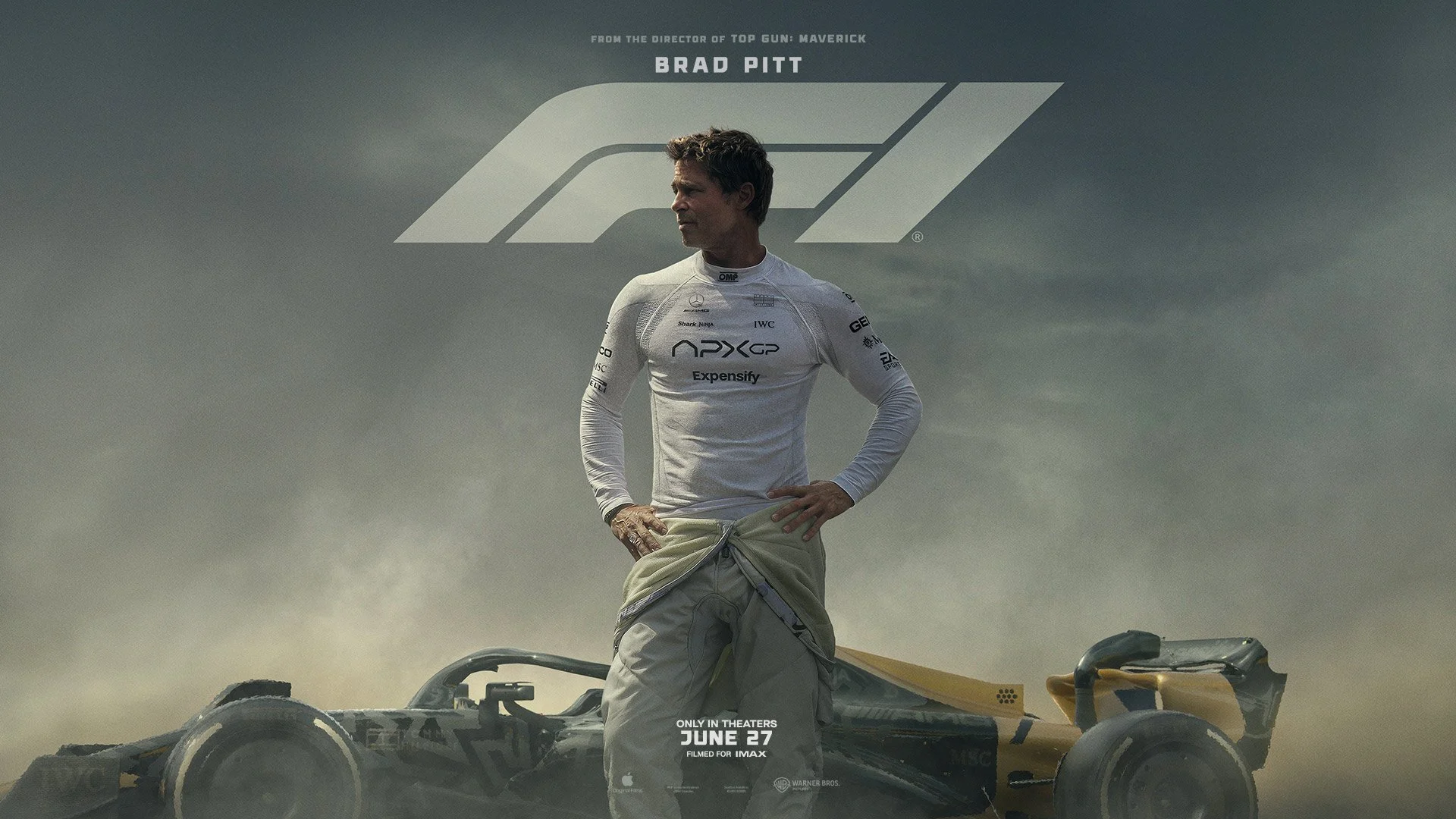
Growing up in Brazil in the 1980s and early 1990s, Formula One wasn’t just a sport. It was a ritual. Sunday mornings meant the buzz of turbo engines and the unmistakable voice of Galvão Bueno, calling each turn as if Brazil’s national honour was riding on it. And in many ways, it was. Behind the wheel was Ayrton Senna, a name that became bigger than the sport itself.
Senna wasn’t just a race car driver. For many of us, especially “kids” like me, he was something between a superhero and a national leader. Every overtake felt like a samba beat. Every victory, a cathartic release. And every crash or mechanical failure, a heartbreak you felt in your stomach. He wasn’t the first Brazilian F1 driver. Before him we had champions like Fittipaldi, with two titles, and Piquet, with three. But Senna was different.
I’ve never driven a Formula One car. I probably never will. But I’ve lived through its highs and lows as intensely as someone who had. That’s the paradox of sport when it is tied to identity. It seeps into your life, your Sundays, your sense of self. F1®: The Movie (2025) is, I can honestly say, the closest thing to the sensation of being inside the cockpit. I was lucky to watch it in IMAX at BFI London, and it blew my mind. Pure entertainment, but with a deep respect for realism. The director said in an interview that he spent the entire actors’ strike shooting second unit footage; as much as race details possible, pit stops, and everything not involving dialogue. It's all there on screen for us to absorb.
From a film student’s perspective, F1®: The Movie is a masterclass in immersive cinematography and practical effects. Director Joseph Kosinski, known for Top Gun: Maverick (2022), pushed for in-camera realism by mounting IMAX-compatible cameras on modified F2 cars to give audiences a driver’s-eye view. This avoided excessive CGI and placed the viewer directly in the action. The use of real racetracks and live Grand Prix weekends as backdrops also raises questions about hybrid filmmaking, where documentary-style access blends with scripted narrative. For aspiring filmmakers, this is a golden opportunity to study action editing, spatial orientation, and how to sustain tension even when the outcome is predetermined. This is not a small feat; I challenge you to list 20 solid films where racing is the main theme. (Yes, McQueen and Newman will be in some of them).
Now, decades later and living in France, I find myself surprisingly moved by this film, starring Brad Pitt. On the surface, it might seem like just another Hollywood spectacle. But it touched something deeper. It reminded me of the roar of the engine before breakfast. The smell of pão de queijo in the kitchen during a rainy Monaco Grand Prix. The sight of Senna’s yellow and green helmet glinting like a torch in a dark tunnel.
I know the film isn’t about Brazil or about Senna. But Formula One always carries traces of his story. For Brazilians, the sport reached a mythical peak during his era and, perhaps unfairly, never fully recovered. Watching the movie, I felt like I was reconnecting with something that shaped me, even if I hadn’t realised it. And the film does pay tribute to him. Lewis Hamilton, one of the producers and a seven-time world champion, has always said Senna was his greatest influence. They even mention Senna by name three times in the film and yes; I let out a little “yeah!” each time.
My connection to Senna goes beyond admiration. We were both born on March 21st. That date has always held special meaning for me, besides my birthday, of course. The reason is that it binds me to someone who embodied purpose, excellence, and national pride. Every year, it’s a quiet reminder of the legacy he left behind and the passion he sparked in millions of hearts, including mine. In a cheesy way, I try to be a “Senna” in class: intense, creative, and always thinking outside the box (trust me, crashed and burned many times).
There’s also a social context here. In a country like Brazil, unequal, complex, and too often chaotic, Senna was grace under pressure. He came from an upper-middle-class background but raced like someone with everything on the line. His rivalry with Alain Prost wasn’t just about the checkered flag. It was Brazil versus the world. And for a while, we believed we could win. And guess what? We Did! Over and over again. Watch the video below of Senna’s final victory in Brazil and see how the crowd reacts. The narrator calls and the audience reacts like it’s a football match. The music, Tema da Vitória, became an anthem of national pride. That was his last win, and it happened at home.
Watch Senna’s final victory in Brazil (1993)
I dropped out of the sport completely. I can’t remember the last time I watched a full race. I even attended the Shanghai Grand Prix in 2009 and left before the final lap because I found it boring. That’s when I realised I didn’t love the sport, I loved the way Senna faced it. The way he drove like we should approach life.
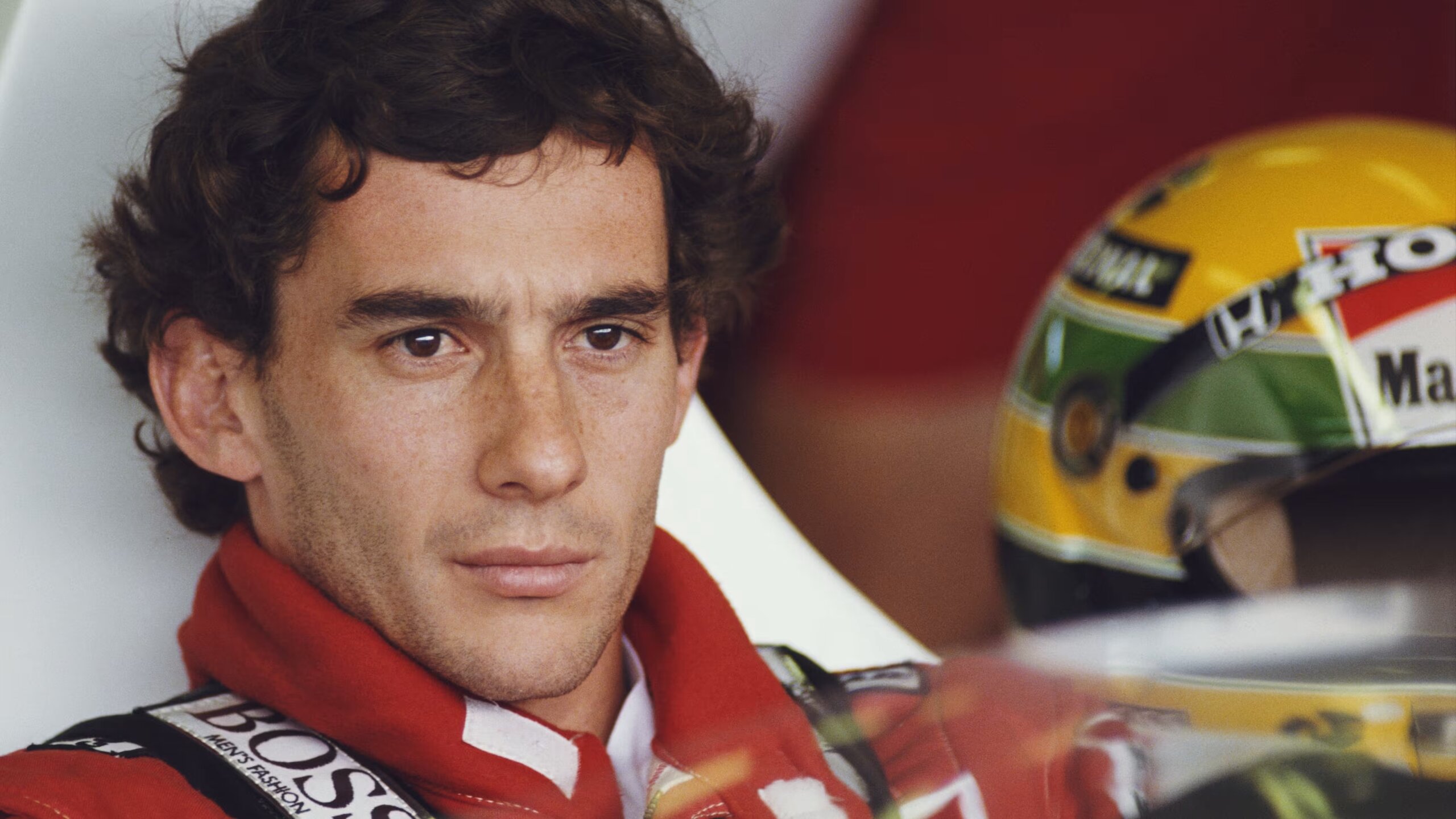
In a tense interview during the 1989 Australian Grand Prix, after a controversial collision with Prost at Suzuka, Senna was challenged by Jackie Stewart about his aggressive driving style. His response became legendary:
“If you no longer go for a gap that exists, you’re no longer a racing driver.”
That quote is more than just racing, it’s a life philosophy. A belief that life, like sport, should be pursued with risk, integrity, and passion. Years later, Senna admitted that the crash had been intentional and privately apologised to Stewart. He said he couldn’t live with the lie, which shows how humble he was to admit his mistakes. But the quote remains a reflection of how he approached the track and how many young Brazilians (at that time) , including myself, learned to approach the world.
Maybe this film, intentionally or not, will remind people what it meant for a whole generation of Brazilians living through dictatorship, hyperinflation, and violence to believe, even for a few minutes on a Sunday morning, that we were the best in the world. It was a bold and strategic move from Formula One to fully support the production, allowing the filmmakers complete access to every race, paddock, driver, and team. I’m honestly considering watching Formula One again.
From an IB Film perspective, F1®: The Movie(2025) offers rich ground for discussion. The sport, traditionally European and elite, has grown into a global cultural phenomenon. With Apple producing the film and targeting a worldwide audience, this becomes a case study in transnational cinema. Students can examine how global media corporations frame identity, nationalism, and access to spectacle. The film also connects to key Comparative Study skills, especially how cultural contexts (Brazilian, American, British, and French) shape the production, reception, and meaning of a film. For those interested in cinematic language, F1®: The Movie(2025) is a modern example of how performance, myth, and spectacle converge.
In a way, once again, the magic of the silver screen brought me back to my childhood. Back to those joyful Sunday mornings when happiness meant hearing Tema da Vitória play as Senna lifted the trophy.
P.S. I know this turned into more of a blog post about Senna than the film itself, but if it made you curious about the legend and the sport, I highly recommend the documentary Senna (2010), available on Netflix in most countries. In fact, you’ll quickly notice that many scenes in F1®: The Movie were directly inspired by his life.