FT Blog: Poland cools on joining Eurozone after its economy surges
Financial Times Article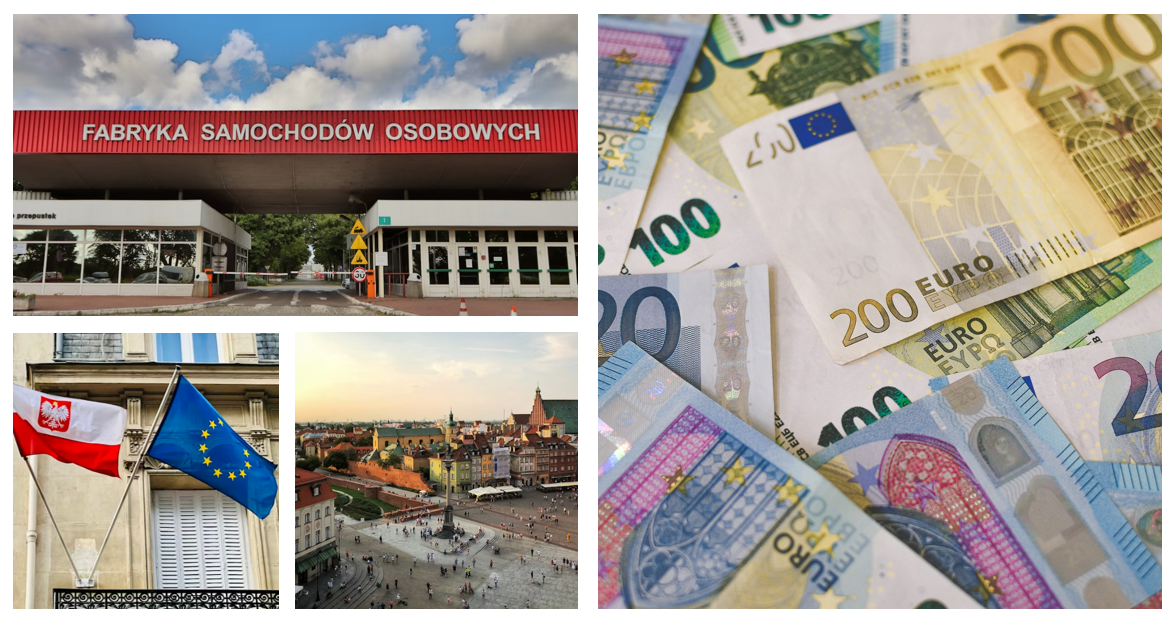
This blog is based on the article published by the Financial Times on 7 January 2026:
The link for the article is: https://www.ft.com/content/b4c07b4d-dd15-4a42-b744-ea4b5f6966ee
This article is part of the Financial Times free schools access programme. Details/registration here.
This article examines the current state of the Polish economy and the country's potential to join the Eurozone and adopt the Euro as its currency.
Questions
a. Outline what Poland's joining the Eurozone would mean to the country. [2]
b. Using the Zloty per Euro chart, describe what has happened to the value of the Zloty against the Euro from 2023 to 2025. [2]
c. Using a circular flow of income diagram, explain what Poland's forecast economic growth rate of 3.4% means for income, output and expenditure in the economy. [4]
d. Explain why Poland’s economic growth rate might have led to a decrease in its budget deficit. [4]
e. Using a labour market diagram, explain how Poland’s economic growth rate might have an impact on employment in the country. [4]
f. Explain two possible advantages to Poland's businesses of joining the Eurozone. [4]
g. Explain two possible disadvantages to Polish businesses of joining the Eurozone. [4]
Total [24]