FT blog: Growth of solar energy in Iran
Financial Times article
‘Iran’s energy crisis forces attempt to shift from oil to solar’
This blog is based on the article published by the Financial Times on 31 October 2025:
The link for the article is:
https://www.ft.com/content/17303661-8417-46c1-9bad-5bb1fd4b8ada
This article is part of the Financial Times free schools access programme. Details/registration here.
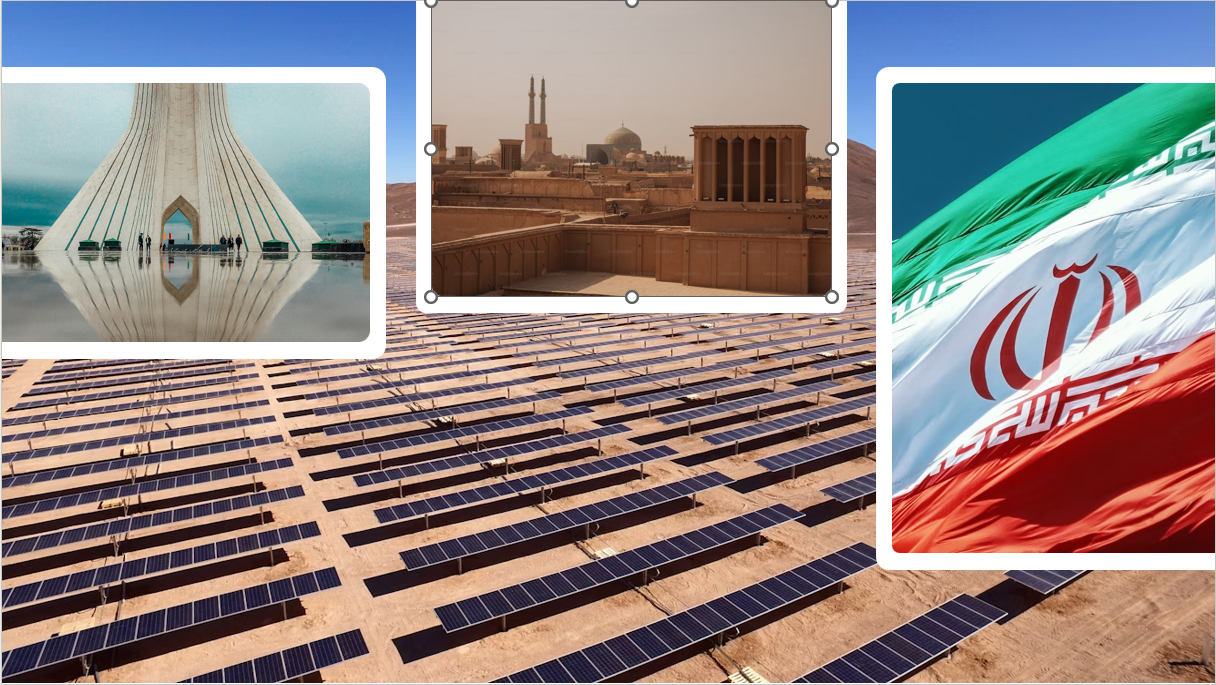
This article examines the growth in solar power use in Iran. The article focuses on the need for an alternative energy source to fossil fuels because sanctions imposed by the US and other countries have led to power cuts, with the associated problems affecting Iranian firms and households. By building solar plants, Iran will be able to localise its energy provision and be less likely to be affected by foreign sanctions. Developing solar power as an alternative to using fossil fuels will also allow Iran to achieve sustainable economic development.
Questions
a. Using information from the article, describe what is happening to the use of solar energy in Iran. [2]
b. Explain two factors that might account for the increase in demand for solar energy in Iran. [4]
- Energy consumers want a more reliable energy source because the supply of fossil fuel energy is unreliable due to underinvestment in fossil fuel energy provision, which has led to electricity blackouts.
- The falling price of solar panels in Iran could lead to an increase in the quantity demanded of solar energy as it becomes less expensive to produce.
c. Explain two factors that might account for the increased supply of solar energy in Iran. [4]
- Investment in solar energy infrastructure, such as solar farms, increases supply.
- As the price of solar panels decreases, the supply of solar energy increases.
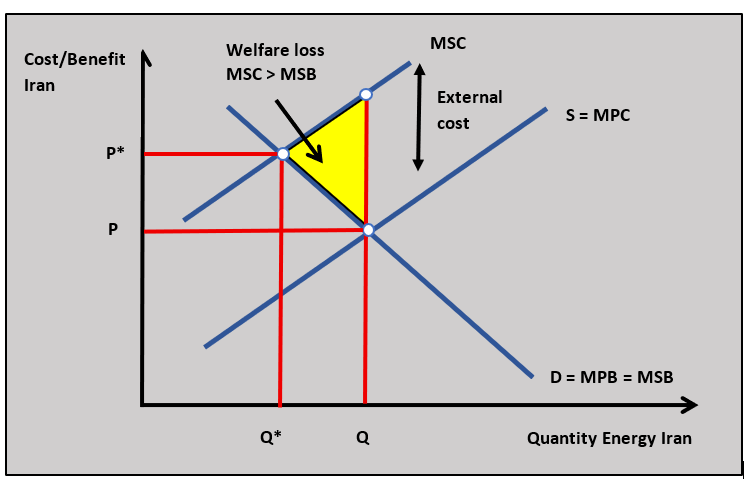
d. Using a cost/benefit diagram, explain how the use of fossil fuels as an energy source in Iran might lead to negative externalities of production. [4]
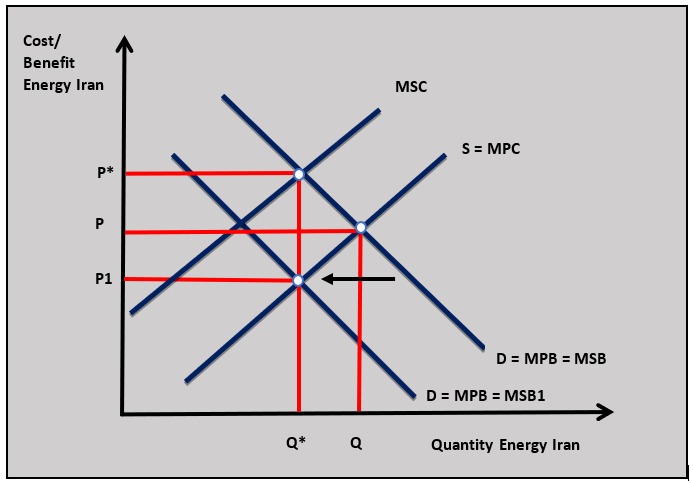
e. Using a cost/benefit diagram, explain the impact the increased use of solar energy might have on market failure in Iran’s energy market. [4]
f. Define the term sustainable economic development. [2]
g. Explain one way the use of solar energy in Iran might contribute to its sustainable economic development. [4]
By using solar energy, Iran will be using a source of energy that facilitates economic development through economic growth, employment and rising incomes through the investment in solar power. This investment will come through the construction of solar farms and associated energy infrastructure. This will be sustainable because solar energy will reduce the negative externalities and market failure associated with energy provided by fossil fuels.
Total [24]