Resource allocation in the technology market
The end of the SIM card?
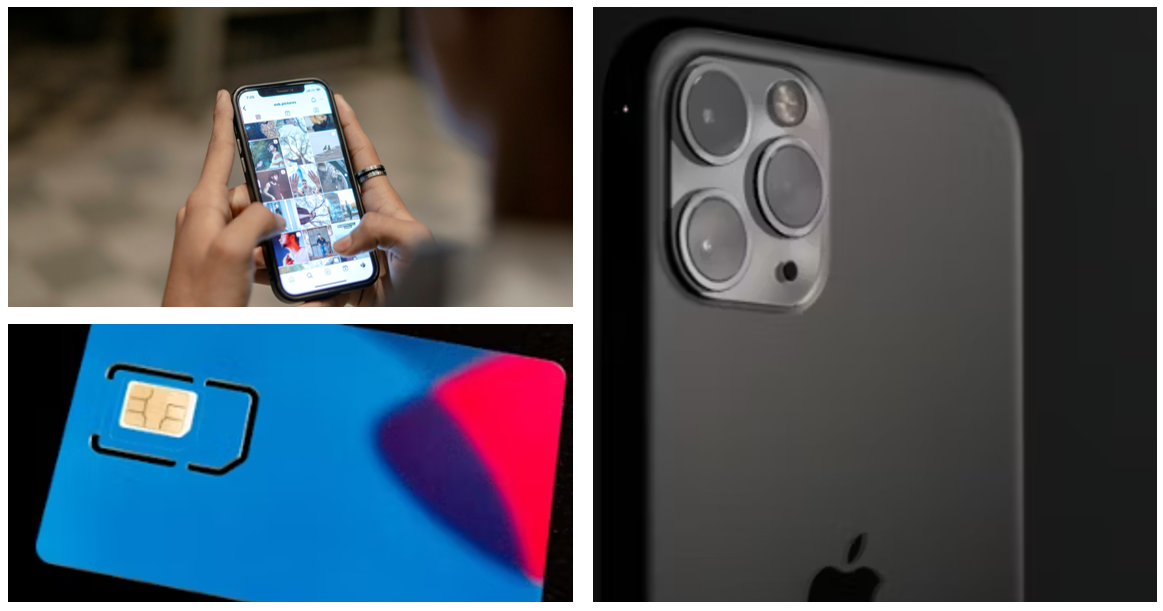
This week, Apple launched their new iPhone Air. Not only is it the thinnest iPhone, it also comes without a SIM card. The iPhone Air comes with an eSIM. iPhone customers will no longer receive a device that requires a small piece of rectangular plastic to be inserted into the phone.
eSIMs come with advantages to both the producer and the consumer. Moving to an eSIM means there will be more room in the device for a bigger battery. It could also reduce the cost of manufacturing a phone.
For consumers, an eSIM enables them to connect to a network online without needing to insert a SIM card that can be damaged. Being able to choose a network provider gives a phone user greater ability to choose between providers. If a mobile phone consumer wants to change their network provider, they can do it online, which saves them time because they no longer have to travel to a phone shop to make the change.
An eSIM also makes it easier for consumers when they travel overseas, as users can connect directly to local networks in the countries they visit, bypassing their home operators and avoiding expensive roaming charges.
The problem of using an eSIM will be for consumers who find activating their eSIM online, although this can probably be done for a consumer in a store when they purchase their phone. Changing a network provider online could be challenging for some consumers.
One of the stakeholders most affected by the switch to eSIMs is the firms that produce them. If they are no longer needed, then these might fail, and the workers who produce SIM cards might lose their jobs.
One way to look at resource allocation in the SIM card and eSIM market is through the production possibility model. If a country’s economy experiences a change in the resource allocation away from SIM cards towards eSIMs, this would show by a movement along the PPC. This means a shift in the factors of production used to produce SIM cards towards the production of eSIMs.
Possible questions for discussion
- What are the human wants satisfied by the use of mobile phones?
- What resources are used to produce mobile phones?
- Draw a PPC diagram showing SIM cards and eSIMS?
- On your diagram, show a change in the allocation of resources from SIM cards to eSIMs.
- What might be the implications for different stakeholders of a change in the allocation of resources from SIM cards to eSIMs?