How changing demography changes a market
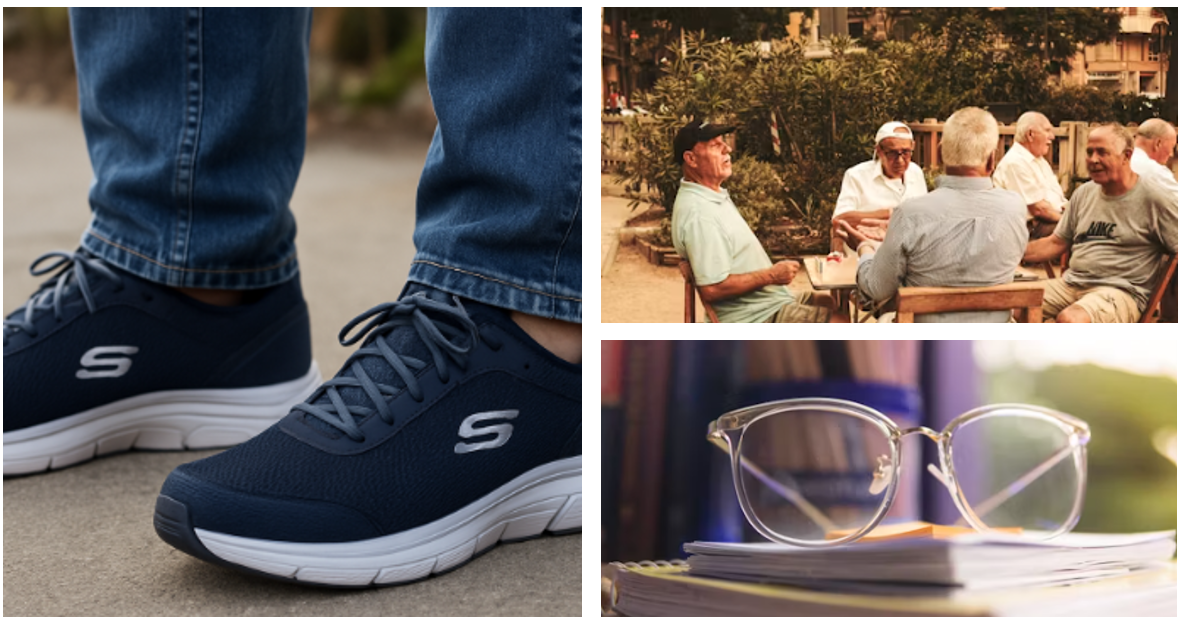 The rise of Sketchers shoes
The US-based apparel company Skechers, founded in 1992 and based in Southern California, has become one of the most successful businesses in the sportswear market in recent years. The company has multiplied its 1994 sales of about $100 million by 90 times, to nearly $9 billion in 2025. Sketcher's growth in sales has been particularly strong since 2013, with sales increasing by around 400%.
Sketchers is primarily a footwear business that specialises in mid-price leisure shoes or trainers. The company's products are mainly manufactured in China and Vietnam and sold all over the world.
Sketchers may not have the cache of competitors such as Nike and Adidas, but they do have what marketing people call a unique selling point (USP) - comfort. The ‘comfort you can’t beat’ strapline in their adverts is particularly attractive to older customers. In a world of ageing consumers in so many economies, goods and services that attract the so-called ‘grey-market’ are becoming increasingly successful.
Sketchers is interesting because it markets a product that attracts older consumers who perhaps grew up wearing Nike and Adidas trainers in the 1970s and 80s and have found Sketchers a brand they can identify with and one that suits their desire for comfort.
Sketcher's is an innovative business. The comfort associated with their issues is associated with the use of memory foam as a key feature of the shoe's construction. One of Sketcher's most recent innovations is ‘Slip-ins’. These are leisure shoes with a hard back that allow the wearer to put on without bending down and having to tie up laces. Ideal for older consumers experiencing back pain and joint issues.
Older consumers are an attractive market for businesses like Sketchers. There are more older buyers as the population ages, and they often have higher disposable income than younger buyers. Attracting an older market is a growing trend among companies, whether in sectors like shoes and clothing or areas such as electronics, entertainment, and hospitality.
Another example of a business that has benefited from an ageing population is Luxottica, the Italian-based eyewear company, which is the biggest firm in the market for glasses. Luxottica produces glasses under brand names such as Ray-Ban, Persol, and Oakley, as well as high-end fashion brands like Chanel, Prada, and Armani. An ageing population leads to a deterioration in people’s eyesight, resulting in a growth in the market for glasses.
Sketchers and Luxottica are examples of businesses in markets that are flourishing because changes in demand caused by an ageing population show demographic shifts that lead to changes in the allocation of resources in economies.
Possible questions for discussion
- Research whether most countries are experiencing an ageing population.
- Why has the demand for Sketchers increased because of an ageing population?
- Research four other goods that have increased in demand because of an ageing population.
- Discuss how resource allocation might change in the market for shoes because of an ageing population.