Algeria's flourishing economy in 2025
Algeria's economic growth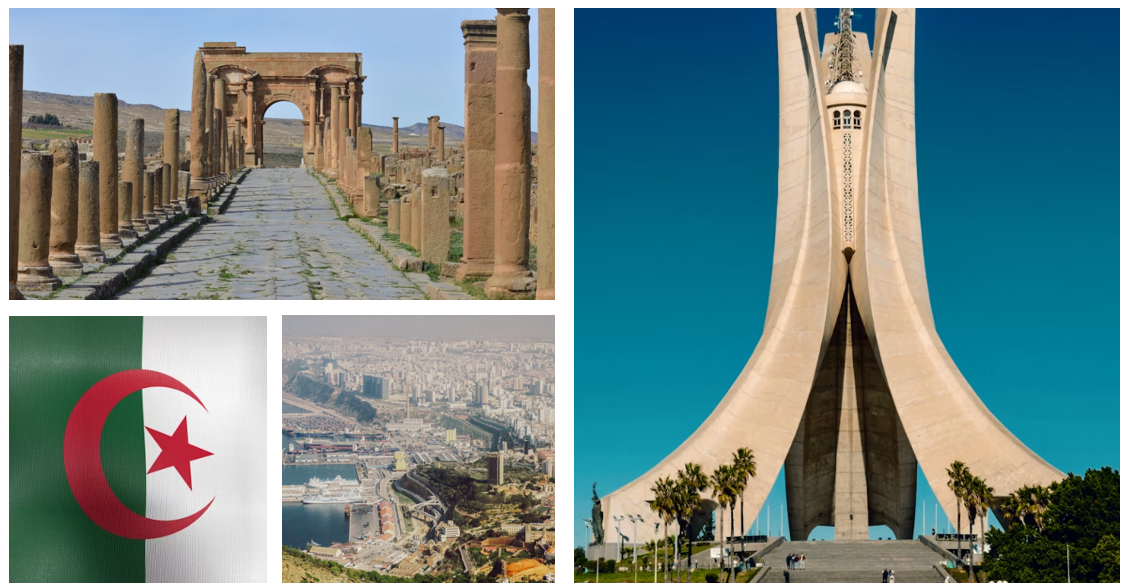
At a time of relatively slow global economic growth, Algeria is a country experiencing strong economic performance. The Algerian economy expanded by 4.5% in the first quarter of 2025, positioning it as one of the leading economies globally in terms of economic growth. Algeria’s real GDP totalled around $77 billion in 2024, which places it among the top 5 Arab countries by size.
Algeria is an oil-producing economy, but its growth came from outside the sector. Its non-oil economy grew by 5.7%, led by strong growth in the farming and fishing sectors, as well as other industrial markets such as food processing, textiles, and clothing. Algeria’s oil and gas sector shrank by 2.8% in the first quarter of 2025. This is partly attributed to a decline in oil and gas prices in late 2024 and early 2025.
To diversify its energy sector, Algeria is actively developing its solar power potential as part of a broader strategy to promote renewable energy. The country aims to generate a significant portion of its electricity from renewable sources, particularly solar, by 2035. This effort is driven by the desire to reduce reliance on oil and gas, and potentially export surplus power to Europe
The relatively weak performance of Algeria’s oil and gas sector was a major reason for the country’s decline in exports, with a 3.8% decrease in value. With imports increasing by 24% this has put pressure on the country’s balance of payments current account. This, in turn, has put pressure on the Nigerian Dinar, which has depreciated against the US dollar in the last 6 months.
A significant factor in Algeria’s growth is its strong consumption data over the last year, with a 4.5% rise. Rising household incomes and strong consumer confidence drive this. Algeria’s aggregate demand has also been boosted by rising investment, with an 18% increase supported by high business confidence and government support for industry. A significant rise in investment in Algeria has both short-term benefits for economic growth and long-term advantages for the country’s potential output.
The Algerian government's support for business comes with its desire to diversify away from the oil and gas sectors and support industries like agriculture, manufacturing, and ICT. This involves attracting foreign direct investment and encouraging entrepreneurship. The Algerian government has been keen to support small and medium-sized enterprises (SMEs). The government supports SMEs through state-funded, non-interest-bearing loans, access to bank loans, tax benefits, and interest rate subsidies.
Another aspect of the Algerian government’s desire to diversify its economy is tourism. The country is experiencing a surge in tourism, with record numbers of visitors in 2023. The country is actively working to expand its tourism sector and aims to increase visitor numbers fivefold by 2030. Its key attractions include the Sahara Desert, historic Roman ruins, and cultural sites like the Casbah of Algiers.
Possible questions for discussion
- How does Algeria's economic growth rate in 2025 compare to other countries in the world?
- What factors account for Algeria's economic growth rate in the short run?
- How might the high level of investment in Algeria affect its potential output?
- Discuss the advantages and disadvantages of the Algerian government's decision to diversify its economy away from oil and gas.