<turbo-stream action="append" target="section-items">
    <template>
            <a href="/englishalanglit/page/30490/-direct-narration" class="card text-body rounded-0 text-decoration-none" data-turbo-frame="_top" data-turbo="false">
        <div class="card-body">
            <div class="row align-items-start gx-3">
                <div class="col-4 col-lg-3">
                    <div class="rounded overflow-hidden hover-zoom hover-overlay">
        <img
            class="d-block w-100 height-150 object-cover"
            src="https://teacher-sites-storage.inthinking.net/ib/englishalanglit/images/iStock_000015563797XSmall.jpg"
            alt="- Direct narration"
        >
    </div>

                </div>
                <div class="col-8 col-lg-9">
                                            <h6 class="text-accent">
                            eBook
                        </h6>
                                        <h5 class="fw-semibold text-primary mb-2 d-flex gap-1 align-items-end">
                        - Direct narration
                                                <span class='topic-heading-badge d-inline-flex align-items-center justify-content-center'>Free</span>

                    </h5>
                                            <p class="text-body mb-0 mb-lg-3"> Sometimes in works of fiction, the narrator seems to tell the reader what to think. Interpretations of the events and characters are made for the reader. Take for example this passage from Emma by Jane...</p>
                                        <div class="clearfix">
                        <span class="text-muted fs-sm float-end">
                            17 July 2019
                        </span>
                    </div>
                </div>
            </div>
        </div>
    </a>
    <a href="/englishalanglit/page/30489/-diatribe" class="card text-body rounded-0 text-decoration-none" data-turbo-frame="_top" data-turbo="false">
        <div class="card-body">
            <div class="row align-items-start gx-3">
                <div class="col-4 col-lg-3">
                    <div class="rounded overflow-hidden hover-zoom hover-overlay">
        <img
            class="d-block w-100 height-150 object-cover"
            src="https://teacher-sites-storage.inthinking.net/subject/generic/23/03.jpg?v=1790338357"
            alt="- Diatribe"
        >
    </div>

                </div>
                <div class="col-8 col-lg-9">
                                            <h6 class="text-accent">
                            eBook
                        </h6>
                                        <h5 class="fw-semibold text-primary mb-2 d-flex gap-1 align-items-end">
                        - Diatribe
                                    

                    </h5>
                                            <p class="text-body mb-0 mb-lg-3"> A diatribe is a severely critical type of discourse, often spoken, characterised by anger directed towards something or someone.  ...</p>
                                        <div class="clearfix">
                        <span class="text-muted fs-sm float-end">
                            17 July 2019
                        </span>
                    </div>
                </div>
            </div>
        </div>
    </a>
    <a href="/englishalanglit/page/30488/-dialect" class="card text-body rounded-0 text-decoration-none" data-turbo-frame="_top" data-turbo="false">
        <div class="card-body">
            <div class="row align-items-start gx-3">
                <div class="col-4 col-lg-3">
                    <div class="rounded overflow-hidden hover-zoom hover-overlay">
        <img
            class="d-block w-100 height-150 object-cover"
            src="https://teacher-sites-storage.inthinking.net/ib/englishalanglit/images/Aunt Jemima.jpg"
            alt="- Dialect"
        >
    </div>

                </div>
                <div class="col-8 col-lg-9">
                                            <h6 class="text-accent">
                            eBook
                        </h6>
                                        <h5 class="fw-semibold text-primary mb-2 d-flex gap-1 align-items-end">
                        - Dialect
                                    

                    </h5>
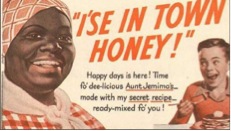
                                            <p class="text-body mb-0 mb-lg-3"> A dialect is a unique and distinguishable combination of vocabulary, pronunciation and syntax. Technically speaking from a linguistic perspective, the only difference between a language and a dialect...</p>
                                        <div class="clearfix">
                        <span class="text-muted fs-sm float-end">
                            17 July 2019
                        </span>
                    </div>
                </div>
            </div>
        </div>
    </a>
    <a href="/englishalanglit/page/30487/-denouement" class="card text-body rounded-0 text-decoration-none" data-turbo-frame="_top" data-turbo="false">
        <div class="card-body">
            <div class="row align-items-start gx-3">
                <div class="col-4 col-lg-3">
                    <div class="rounded overflow-hidden hover-zoom hover-overlay">
        <img
            class="d-block w-100 height-150 object-cover"
            src="https://teacher-sites-storage.inthinking.net/subject/generic/23/04.jpg?v=1790338357"
            alt="- Denouement"
        >
    </div>

                </div>
                <div class="col-8 col-lg-9">
                                            <h6 class="text-accent">
                            eBook
                        </h6>
                                        <h5 class="fw-semibold text-primary mb-2 d-flex gap-1 align-items-end">
                        - Denouement
                                    

                    </h5>
                                            <p class="text-body mb-0 mb-lg-3"> From the French for 'unknotting', denouement refers to the final unfolding of plot in a literary work. It is at this point that the reader's expectations of what will happen to literary characters are...</p>
                                        <div class="clearfix">
                        <span class="text-muted fs-sm float-end">
                            17 July 2019
                        </span>
                    </div>
                </div>
            </div>
        </div>
    </a>
    <a href="/englishalanglit/page/30486/-denotation" class="card text-body rounded-0 text-decoration-none" data-turbo-frame="_top" data-turbo="false">
        <div class="card-body">
            <div class="row align-items-start gx-3">
                <div class="col-4 col-lg-3">
                    <div class="rounded overflow-hidden hover-zoom hover-overlay">
        <img
            class="d-block w-100 height-150 object-cover"
            src="https://teacher-sites-storage.inthinking.net/subject/generic/23/01.jpg?v=1790338357"
            alt="- Denotation"
        >
    </div>

                </div>
                <div class="col-8 col-lg-9">
                                            <h6 class="text-accent">
                            eBook
                        </h6>
                                        <h5 class="fw-semibold text-primary mb-2 d-flex gap-1 align-items-end">
                        - Denotation
                                    

                    </h5>
                                            <p class="text-body mb-0 mb-lg-3"> This is the literal, factual meaning of a word. Often it is the meaning or the initial meaning given in a dictionary. Compare with connotation....</p>
                                        <div class="clearfix">
                        <span class="text-muted fs-sm float-end">
                            17 July 2019
                        </span>
                    </div>
                </div>
            </div>
        </div>
    </a>
    <a href="/englishalanglit/page/30485/-crowdsourcing" class="card text-body rounded-0 text-decoration-none" data-turbo-frame="_top" data-turbo="false">
        <div class="card-body">
            <div class="row align-items-start gx-3">
                <div class="col-4 col-lg-3">
                    <div class="rounded overflow-hidden hover-zoom hover-overlay">
        <img
            class="d-block w-100 height-150 object-cover"
            src="https://teacher-sites-storage.inthinking.net/ib/englishalanglit/images/crowdsourcing.jpg"
            alt="- Crowdsourcing"
        >
    </div>

                </div>
                <div class="col-8 col-lg-9">
                                            <h6 class="text-accent">
                            eBook
                        </h6>
                                        <h5 class="fw-semibold text-primary mb-2 d-flex gap-1 align-items-end">
                        - Crowdsourcing
                                    

                    </h5>
                                            <p class="text-body mb-0 mb-lg-3"> In a 2006 Wired Magazine article, Jeffo Howe defined 'crowdsourcing' the act of taking a job traditionally performed by a designated employee and outsourcing it to an undefined, generally large group...</p>
                                        <div class="clearfix">
                        <span class="text-muted fs-sm float-end">
                            17 July 2019
                        </span>
                    </div>
                </div>
            </div>
        </div>
    </a>
    <a href="/englishalanglit/page/30484/-connotation" class="card text-body rounded-0 text-decoration-none" data-turbo-frame="_top" data-turbo="false">
        <div class="card-body">
            <div class="row align-items-start gx-3">
                <div class="col-4 col-lg-3">
                    <div class="rounded overflow-hidden hover-zoom hover-overlay">
        <img
            class="d-block w-100 height-150 object-cover"
            src="https://teacher-sites-storage.inthinking.net/ib/englishalanglit/images/Home-Loan3.jpg"
            alt="- Connotation"
        >
    </div>

                </div>
                <div class="col-8 col-lg-9">
                                            <h6 class="text-accent">
                            eBook
                        </h6>
                                        <h5 class="fw-semibold text-primary mb-2 d-flex gap-1 align-items-end">
                        - Connotation
                                    

                    </h5>
                                            <p class="text-body mb-0 mb-lg-3"> A word's connotation is the aura of emotion that is associated with the word through personal experience. It is the opposite of 'denotation', which is what a word literally stands for. For example, the...</p>
                                        <div class="clearfix">
                        <span class="text-muted fs-sm float-end">
                            17 July 2019
                        </span>
                    </div>
                </div>
            </div>
        </div>
    </a>
    <a href="/englishalanglit/page/30483/-conjunctions" class="card text-body rounded-0 text-decoration-none" data-turbo-frame="_top" data-turbo="false">
        <div class="card-body">
            <div class="row align-items-start gx-3">
                <div class="col-4 col-lg-3">
                    <div class="rounded overflow-hidden hover-zoom hover-overlay">
        <img
            class="d-block w-100 height-150 object-cover"
            src="https://teacher-sites-storage.inthinking.net/subject/generic/23/02.jpg?v=1790338357"
            alt="- Conjunctions"
        >
    </div>

                </div>
                <div class="col-8 col-lg-9">
                                            <h6 class="text-accent">
                            eBook
                        </h6>
                                        <h5 class="fw-semibold text-primary mb-2 d-flex gap-1 align-items-end">
                        - Conjunctions
                                    

                    </h5>
                                            <p class="text-body mb-0 mb-lg-3"> ...</p>
                                        <div class="clearfix">
                        <span class="text-muted fs-sm float-end">
                            17 July 2019
                        </span>
                    </div>
                </div>
            </div>
        </div>
    </a>
    <a href="/englishalanglit/page/30481/-deictic" class="card text-body rounded-0 text-decoration-none" data-turbo-frame="_top" data-turbo="false">
        <div class="card-body">
            <div class="row align-items-start gx-3">
                <div class="col-4 col-lg-3">
                    <div class="rounded overflow-hidden hover-zoom hover-overlay">
        <img
            class="d-block w-100 height-150 object-cover"
            src="https://teacher-sites-storage.inthinking.net/subject/generic/23/03.jpg?v=1790338357"
            alt="- Deictic"
        >
    </div>

                </div>
                <div class="col-8 col-lg-9">
                                            <h6 class="text-accent">
                            eBook
                        </h6>
                                        <h5 class="fw-semibold text-primary mb-2 d-flex gap-1 align-items-end">
                        - Deictic
                                    

                    </h5>
                                            <p class="text-body mb-0 mb-lg-3"> Words that point in various directions, within a text and beyond it. For example, ‘down there’, ‘this’, ‘that’ etc. Deictic expressions may also point in time, as in ‘now’, ‘then’, and ‘next year’....</p>
                                        <div class="clearfix">
                        <span class="text-muted fs-sm float-end">
                            17 July 2019
                        </span>
                    </div>
                </div>
            </div>
        </div>
    </a>
    <a href="/englishalanglit/page/30479/-couplet" class="card text-body rounded-0 text-decoration-none" data-turbo-frame="_top" data-turbo="false">
        <div class="card-body">
            <div class="row align-items-start gx-3">
                <div class="col-4 col-lg-3">
                    <div class="rounded overflow-hidden hover-zoom hover-overlay">
        <img
            class="d-block w-100 height-150 object-cover"
            src="https://teacher-sites-storage.inthinking.net/subject/generic/23/04.jpg?v=1790338357"
            alt="- Couplet"
        >
    </div>

                </div>
                <div class="col-8 col-lg-9">
                                            <h6 class="text-accent">
                            eBook
                        </h6>
                                        <h5 class="fw-semibold text-primary mb-2 d-flex gap-1 align-items-end">
                        - Couplet
                                    

                    </h5>
                                            <p class="text-body mb-0 mb-lg-3"> A couplet is, in poetry, a pair of rhymed lines in any metre/meter....</p>
                                        <div class="clearfix">
                        <span class="text-muted fs-sm float-end">
                            17 July 2019
                        </span>
                    </div>
                </div>
            </div>
        </div>
    </a>


    </template>
</turbo-stream>

    <turbo-stream action="update" target="load-more">
        <template>
            <div class="d-flex justify-content-center my-3">
    <a href="/englishalanglit/latest-updates?page=92" class="btn btn-secondary loader">
        <i class="fa-regular fa-circle-plus"></i>
        Load more
    </a>
    <div class="spinner-border load-more text-primary" role="status">
        <span class="visually-hidden">Loading...</span>
    </div>
</div>

        </template>
    </turbo-stream>