<turbo-stream action="append" target="section-items">
    <template>
            <a href="/englishalanglit/page/10901/metaphor-simile" class="card text-body rounded-0 text-decoration-none" data-turbo-frame="_top" data-turbo="false">
        <div class="card-body">
            <div class="row align-items-start gx-3">
                <div class="col-4 col-lg-3">
                    <div class="rounded overflow-hidden hover-zoom hover-overlay">
        <img
            class="d-block w-100 height-150 object-cover"
            src="https://teacher-sites-storage.inthinking.net/ib/englishalanglit/images/elephant.png"
            alt="Metaphor &amp; simile"
        >
    </div>

                </div>
                <div class="col-8 col-lg-9">
                                            <h6 class="text-accent">
                            Resources
                        </h6>
                                        <h5 class="fw-semibold text-primary mb-2 d-flex gap-1 align-items-end">
                        Metaphor & simile
                                    

                    </h5>
                                            <p class="text-body mb-0 mb-lg-3"> Writers often use analogy to convey their message. An analogy is the comparison of two things. In language, we do this through metaphor or simile. By focusing on a writer's use of metaphor and simile,...</p>
                                        <div class="clearfix">
                        <span class="text-muted fs-sm float-end">
                            27 February 2012
                        </span>
                    </div>
                </div>
            </div>
        </div>
    </a>
    <a href="/englishalanglit/page/11167/exposition" class="card text-body rounded-0 text-decoration-none" data-turbo-frame="_top" data-turbo="false">
        <div class="card-body">
            <div class="row align-items-start gx-3">
                <div class="col-4 col-lg-3">
                    <div class="rounded overflow-hidden hover-zoom hover-overlay">
        <img
            class="d-block w-100 height-150 object-cover"
            src="https://teacher-sites-storage.inthinking.net/ib/englishalanglit/images/iStock_000014542157XSmall.jpg"
            alt="Exposition"
        >
    </div>

                </div>
                <div class="col-8 col-lg-9">
                                            <h6 class="text-accent">
                            Resources
                        </h6>
                                        <h5 class="fw-semibold text-primary mb-2 d-flex gap-1 align-items-end">
                        Exposition
                                    

                    </h5>
                                            <p class="text-body mb-0 mb-lg-3"> The exposition of a story is its starting point. The opening lines of a novel, the initial scene of a play or the opening shot of a movie all set the mood for the audience. You could say that authors...</p>
                                        <div class="clearfix">
                        <span class="text-muted fs-sm float-end">
                            27 February 2012
                        </span>
                    </div>
                </div>
            </div>
        </div>
    </a>
    <a href="/englishalanglit/page/11213/diction" class="card text-body rounded-0 text-decoration-none" data-turbo-frame="_top" data-turbo="false">
        <div class="card-body">
            <div class="row align-items-start gx-3">
                <div class="col-4 col-lg-3">
                    <div class="rounded overflow-hidden hover-zoom hover-overlay">
        <img
            class="d-block w-100 height-150 object-cover"
            src="https://teacher-sites-storage.inthinking.net/ib/englishalanglit/images/arrow.jpg"
            alt="Diction"
        >
    </div>

                </div>
                <div class="col-8 col-lg-9">
                                            <h6 class="text-accent">
                            Resources
                        </h6>
                                        <h5 class="fw-semibold text-primary mb-2 d-flex gap-1 align-items-end">
                        Diction
                                    

                    </h5>
                                            <p class="text-body mb-0 mb-lg-3"> Diction is a rather difficult concept to define, but one you need to be able to discuss in textual analysis. Diction is the writer's choice of vocabulary, use of verb tense and style of narration. It...</p>
                                        <div class="clearfix">
                        <span class="text-muted fs-sm float-end">
                            27 February 2012
                        </span>
                    </div>
                </div>
            </div>
        </div>
    </a>
    <a href="/englishalanglit/page/11210/characterization-2" class="card text-body rounded-0 text-decoration-none" data-turbo-frame="_top" data-turbo="false">
        <div class="card-body">
            <div class="row align-items-start gx-3">
                <div class="col-4 col-lg-3">
                    <div class="rounded overflow-hidden hover-zoom hover-overlay">
        <img
            class="d-block w-100 height-150 object-cover"
            src="https://teacher-sites-storage.inthinking.net/ib/englishalanglit/images/iStock_000005381512XSmall.jpg"
            alt="Characterization 2"
        >
    </div>

                </div>
                <div class="col-8 col-lg-9">
                                            <h6 class="text-accent">
                            Resources
                        </h6>
                                        <h5 class="fw-semibold text-primary mb-2 d-flex gap-1 align-items-end">
                        Characterization 2
                                    

                    </h5>
                                            <p class="text-body mb-0 mb-lg-3"> In the previous activity on characterization (Characterization 1), we asked ourselves how writers develop a character through dialogue, action and narration. Rather than focusing on how writers construct...</p>
                                        <div class="clearfix">
                        <span class="text-muted fs-sm float-end">
                            27 February 2012
                        </span>
                    </div>
                </div>
            </div>
        </div>
    </a>
    <a href="/englishalanglit/page/8127/characterization-1" class="card text-body rounded-0 text-decoration-none" data-turbo-frame="_top" data-turbo="false">
        <div class="card-body">
            <div class="row align-items-start gx-3">
                <div class="col-4 col-lg-3">
                    <div class="rounded overflow-hidden hover-zoom hover-overlay">
        <img
            class="d-block w-100 height-150 object-cover"
            src="https://teacher-sites-storage.inthinking.net/ib/englishalanglit/images/iStock_000012495652XSmall.jpg"
            alt="Characterization 1"
        >
    </div>

                </div>
                <div class="col-8 col-lg-9">
                                            <h6 class="text-accent">
                            Resources
                        </h6>
                                        <h5 class="fw-semibold text-primary mb-2 d-flex gap-1 align-items-end">
                        Characterization 1
                                    

                    </h5>
                                            <p class="text-body mb-0 mb-lg-3"> Why do some fictional characters seem so real? How do writers bring these imaginary people to life? Characterization, or the art of creating a character, is a literary device that relies on narrative...</p>
                                        <div class="clearfix">
                        <span class="text-muted fs-sm float-end">
                            27 February 2012
                        </span>
                    </div>
                </div>
            </div>
        </div>
    </a>
    <a href="/englishalanglit/page/2868/key-concepts" class="card text-body rounded-0 text-decoration-none" data-turbo-frame="_top" data-turbo="false">
        <div class="card-body">
            <div class="row align-items-start gx-3">
                <div class="col-4 col-lg-3">
                    <div class="rounded overflow-hidden hover-zoom hover-overlay">
        <img
            class="d-block w-100 height-150 object-cover"
            src="https://teacher-sites-storage.inthinking.net/ib/englishalanglit/images/key.jpeg"
            alt="Key concepts"
        >
    </div>

                </div>
                <div class="col-8 col-lg-9">
                                            <h6 class="text-accent">
                            Resources
                        </h6>
                                        <h5 class="fw-semibold text-primary mb-2 d-flex gap-1 align-items-end">
                        Key concepts
                                                <span class='topic-heading-badge d-inline-flex align-items-center justify-content-center'>Free</span>

                    </h5>
                                            <p class="text-body mb-0 mb-lg-3"> This section includes simple, 'one-off' lessons that focus on a teaching strategy or method of textual analysis. Rather than focusing on one particular literary text, these lessons demonstrate activities...</p>
                                        <div class="clearfix">
                        <span class="text-muted fs-sm float-end">
                            27 February 2012
                        </span>
                    </div>
                </div>
            </div>
        </div>
    </a>
    <a href="/englishalanglit/page/11322/context-of-interpretation" class="card text-body rounded-0 text-decoration-none" data-turbo-frame="_top" data-turbo="false">
        <div class="card-body">
            <div class="row align-items-start gx-3">
                <div class="col-4 col-lg-3">
                    <div class="rounded overflow-hidden hover-zoom hover-overlay">
        <img
            class="d-block w-100 height-150 object-cover"
            src="https://teacher-sites-storage.inthinking.net/ib/englishalanglit/images/context.png"
            alt="Context of interpretation"
        >
    </div>

                </div>
                <div class="col-8 col-lg-9">
                                            <h6 class="text-accent">
                            Resources
                        </h6>
                                        <h5 class="fw-semibold text-primary mb-2 d-flex gap-1 align-items-end">
                        Context of interpretation
                                    

                    </h5>
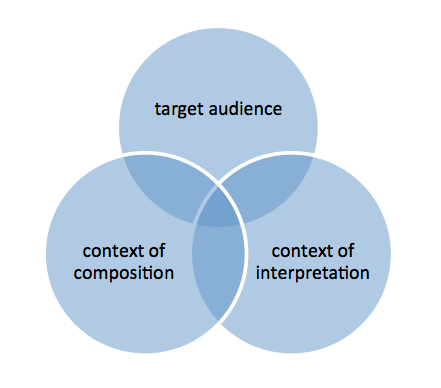
                                            <p class="text-body mb-0 mb-lg-3"> Have you ever read a very popular or famous literary text that you simply did not like? How can this be? Perhaps the writer of the text did not have you in mind when writing. Perhaps the writer had a...</p>
                                        <div class="clearfix">
                        <span class="text-muted fs-sm float-end">
                            24 February 2012
                        </span>
                    </div>
                </div>
            </div>
        </div>
    </a>
    <a href="/englishalanglit/page/11053/key-concepts" class="card text-body rounded-0 text-decoration-none" data-turbo-frame="_top" data-turbo="false">
        <div class="card-body">
            <div class="row align-items-start gx-3">
                <div class="col-4 col-lg-3">
                    <div class="rounded overflow-hidden hover-zoom hover-overlay">
        <img
            class="d-block w-100 height-150 object-cover"
            src="https://teacher-sites-storage.inthinking.net/ib/englishalanglit/images/key.jpeg"
            alt="Key concepts"
        >
    </div>

                </div>
                <div class="col-8 col-lg-9">
                                            <h6 class="text-accent">
                            Resources
                        </h6>
                                        <h5 class="fw-semibold text-primary mb-2 d-flex gap-1 align-items-end">
                        Key concepts
                                    

                    </h5>
                                            <p class="text-body mb-0 mb-lg-3"> In Part 3 - Literature: texts and contexts there are several key concepts that help us make informed interpretations of texts. If we are going to meet the learning outcomes, we will want to become familiar...</p>
                                        <div class="clearfix">
                        <span class="text-muted fs-sm float-end">
                            24 February 2012
                        </span>
                    </div>
                </div>
            </div>
        </div>
    </a>
    <a href="/englishalanglit/page/9209/the-internet" class="card text-body rounded-0 text-decoration-none" data-turbo-frame="_top" data-turbo="false">
        <div class="card-body">
            <div class="row align-items-start gx-3">
                <div class="col-4 col-lg-3">
                    <div class="rounded overflow-hidden hover-zoom hover-overlay">
        <img
            class="d-block w-100 height-150 object-cover"
            src="https://teacher-sites-storage.inthinking.net/ib/englishalanglit/images/Asian couple computer.jpg"
            alt="The Internet"
        >
    </div>

                </div>
                <div class="col-8 col-lg-9">
                                            <h6 class="text-accent">
                            Resources
                        </h6>
                                        <h5 class="fw-semibold text-primary mb-2 d-flex gap-1 align-items-end">
                        The Internet
                                    

                    </h5>
                                            <p class="text-body mb-0 mb-lg-3"> In Part 2 we are asked to explore the relation between medium and message. Every medium affects its message. Form affects content. This is to say that the same idea may be represented differently on a...</p>
                                        <div class="clearfix">
                        <span class="text-muted fs-sm float-end">
                            24 February 2012
                        </span>
                    </div>
                </div>
            </div>
        </div>
    </a>
    <a href="/englishalanglit/page/7385/sensationalism" class="card text-body rounded-0 text-decoration-none" data-turbo-frame="_top" data-turbo="false">
        <div class="card-body">
            <div class="row align-items-start gx-3">
                <div class="col-4 col-lg-3">
                    <div class="rounded overflow-hidden hover-zoom hover-overlay">
        <img
            class="d-block w-100 height-150 object-cover"
            src="https://teacher-sites-storage.inthinking.net/ib/englishalanglit/images/london_undeground.jpg"
            alt="Sensationalism"
        >
    </div>

                </div>
                <div class="col-8 col-lg-9">
                                            <h6 class="text-accent">
                            Resources
                        </h6>
                                        <h5 class="fw-semibold text-primary mb-2 d-flex gap-1 align-items-end">
                        Sensationalism
                                    

                    </h5>
                                            <p class="text-body mb-0 mb-lg-3"> 'If it bleeds it leads' is a common expression in the media world, meaning negative, sensational stories tend to receive more attention than positive stories. In this lesson we will see how the media...</p>
                                        <div class="clearfix">
                        <span class="text-muted fs-sm float-end">
                            24 February 2012
                        </span>
                    </div>
                </div>
            </div>
        </div>
    </a>


    </template>
</turbo-stream>

    <turbo-stream action="update" target="load-more">
        <template>
            <div class="d-flex justify-content-center my-3">
    <a href="/englishalanglit/latest-updates?page=151" class="btn btn-secondary loader">
        <i class="fa-regular fa-circle-plus"></i>
        Load more
    </a>
    <div class="spinner-border load-more text-primary" role="status">
        <span class="visually-hidden">Loading...</span>
    </div>
</div>

        </template>
    </turbo-stream>