<turbo-stream action="append" target="section-items">
    <template>
            <a href="/chemistry/page/42363/r31-ahl-poh-ka-kb-pka-and-pkb" class="card text-body rounded-0 text-decoration-none" data-turbo-frame="_top" data-turbo="false">
        <div class="card-body">
            <div class="row align-items-start gx-3">
                <div class="col-4 col-lg-3">
                    <div class="rounded overflow-hidden hover-zoom hover-overlay">
        <img
            class="d-block w-100 height-150 object-cover"
            src="https://teacher-sites-storage.inthinking.net/ib/chemistry/images/2023-topics/r3/screenshot-2022-10-11-at-11.40.34.png"
            alt="R3.1 (AHL) pOH, &lt;em&gt;K&lt;/em&gt;&lt;sub&gt;a&lt;/sub&gt;, &lt;em&gt;K&lt;/em&gt;&lt;sub&gt;b&lt;/sub&gt;, p&lt;em&gt;K&lt;/em&gt;&lt;sub&gt;a&lt;/sub&gt; and p&lt;em&gt;K&lt;/em&gt;&lt;sub&gt;b&lt;/sub&gt;"
        >
    </div>

                </div>
                <div class="col-8 col-lg-9">
                                            <h6 class="text-accent">
                            Delivering the programme
                        </h6>
                                        <h5 class="fw-semibold text-primary mb-2 d-flex gap-1 align-items-end">
                        R3.1 (AHL) pOH, <em>K</em><sub>a</sub>, <em>K</em><sub>b</sub>, p<em>K</em><sub>a</sub> and p<em>K</em><sub>b</sub>
                                    

                    </h5>
                                            <p class="text-body mb-0 mb-lg-3"> This page covers pOH in addition to pH and considers the strengths of acids and bases as described by their Ka, pKa, Kb and pKb values. It interconverts between the [H+], [OH−], pH and pOH values and...</p>
                                        <div class="clearfix">
                        <span class="text-muted fs-sm float-end">
                            07 May 2026
                        </span>
                    </div>
                </div>
            </div>
        </div>
    </a>
    <a href="/chemistry/page/42341/r31-neutralization-reactions" class="card text-body rounded-0 text-decoration-none" data-turbo-frame="_top" data-turbo="false">
        <div class="card-body">
            <div class="row align-items-start gx-3">
                <div class="col-4 col-lg-3">
                    <div class="rounded overflow-hidden hover-zoom hover-overlay">
        <img
            class="d-block w-100 height-150 object-cover"
            src="https://teacher-sites-storage.inthinking.net/ib/chemistry/images/Core%20and%20AHL/Acids%20and%20bases/submarine.jpg"
            alt="R3.1 Neutralization reactions"
        >
    </div>

                </div>
                <div class="col-8 col-lg-9">
                                            <h6 class="text-accent">
                            Delivering the programme
                        </h6>
                                        <h5 class="fw-semibold text-primary mb-2 d-flex gap-1 align-items-end">
                        R3.1 Neutralization reactions
                                    

                    </h5>
                                            <p class="text-body mb-0 mb-lg-3"> This section covers the characteristic neutralization reactions of acids with bases, e.g. with indicators, metal oxides, hydroxides, carbonates and hydrogencarbonates and the neutralization  reactions...</p>
                                        <div class="clearfix">
                        <span class="text-muted fs-sm float-end">
                            07 May 2026
                        </span>
                    </div>
                </div>
            </div>
        </div>
    </a>
    <a href="/chemistry/page/42294/r31-strong-weak-acids-bases" class="card text-body rounded-0 text-decoration-none" data-turbo-frame="_top" data-turbo="false">
        <div class="card-body">
            <div class="row align-items-start gx-3">
                <div class="col-4 col-lg-3">
                    <div class="rounded overflow-hidden hover-zoom hover-overlay">
        <img
            class="d-block w-100 height-150 object-cover"
            src="https://teacher-sites-storage.inthinking.net/ib/chemistry/images/Core%20and%20AHL/Acids%20and%20bases/HCl%20bottle.jpg"
            alt="R3.1 Strong &amp; weak acids &amp; bases"
        >
    </div>

                </div>
                <div class="col-8 col-lg-9">
                                            <h6 class="text-accent">
                            Delivering the programme
                        </h6>
                                        <h5 class="fw-semibold text-primary mb-2 d-flex gap-1 align-items-end">
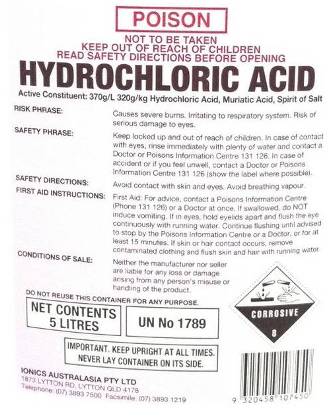
                        R3.1 Strong & weak acids & bases
                                    

                    </h5>
                                            <p class="text-body mb-0 mb-lg-3"> This section distinguishes between strong and weak acids and between strong and weak bases with examples of each. The need to recognise that acid-base equilibria lie in the direction of the weaker conjugate...</p>
                                        <div class="clearfix">
                        <span class="text-muted fs-sm float-end">
                            07 May 2026
                        </span>
                    </div>
                </div>
            </div>
        </div>
    </a>
    <a href="/chemistry/page/42290/r31-ph-scale-and-kw" class="card text-body rounded-0 text-decoration-none" data-turbo-frame="_top" data-turbo="false">
        <div class="card-body">
            <div class="row align-items-start gx-3">
                <div class="col-4 col-lg-3">
                    <div class="rounded overflow-hidden hover-zoom hover-overlay">
        <img
            class="d-block w-100 height-150 object-cover"
            src="https://teacher-sites-storage.inthinking.net/ib/chemistry/images/2023-topics/r3/ph-paper.png"
            alt="R3.1 pH scale and &lt;em&gt;K&lt;/em&gt;&lt;sub&gt;w&lt;/sub&gt;"
        >
    </div>

                </div>
                <div class="col-8 col-lg-9">
                                            <h6 class="text-accent">
                            Delivering the programme
                        </h6>
                                        <h5 class="fw-semibold text-primary mb-2 d-flex gap-1 align-items-end">
                        R3.1 pH scale and <em>K</em><sub>w</sub>
                                    

                    </h5>
                                            <p class="text-body mb-0 mb-lg-3"> This  sub-topic looks at the pH scale and how to calculate the pH of a solution of a strong acid or strong base with a known concentration. It covers the ionic product or water and how to recognise solutions...</p>
                                        <div class="clearfix">
                        <span class="text-muted fs-sm float-end">
                            07 May 2026
                        </span>
                    </div>
                </div>
            </div>
        </div>
    </a>
    <a href="/chemistry/page/42255/r31-brnsted-lowry-acids-and-bases" class="card text-body rounded-0 text-decoration-none" data-turbo-frame="_top" data-turbo="false">
        <div class="card-body">
            <div class="row align-items-start gx-3">
                <div class="col-4 col-lg-3">
                    <div class="rounded overflow-hidden hover-zoom hover-overlay">
        <img
            class="d-block w-100 height-150 object-cover"
            src="https://teacher-sites-storage.inthinking.net/ib/chemistry/images/2023-topics/r3/lavoisier.png"
            alt="R3.1 Brønsted-Lowry acids and bases"
        >
    </div>

                </div>
                <div class="col-8 col-lg-9">
                                            <h6 class="text-accent">
                            Delivering the programme
                        </h6>
                                        <h5 class="fw-semibold text-primary mb-2 d-flex gap-1 align-items-end">
                        R3.1 Brønsted-Lowry acids and bases
                                    

                    </h5>
                                            <p class="text-body mb-0 mb-lg-3"> This sub-topic looks briefly at  acid-base theories and then focuses on the Brønsted-Lowry theory. This states that a Brønsted-Lowry acid is a proton donor and a Brønsted-Lowry base is a proton acceptor....</p>
                                        <div class="clearfix">
                        <span class="text-muted fs-sm float-end">
                            07 May 2026
                        </span>
                    </div>
                </div>
            </div>
        </div>
    </a>
    <a href="/chemistry/page/42233/r23-ahl-reaction-quotient-equilibrium-law" class="card text-body rounded-0 text-decoration-none" data-turbo-frame="_top" data-turbo="false">
        <div class="card-body">
            <div class="row align-items-start gx-3">
                <div class="col-4 col-lg-3">
                    <div class="rounded overflow-hidden hover-zoom hover-overlay">
        <img
            class="d-block w-100 height-150 object-cover"
            src="https://teacher-sites-storage.inthinking.net/ib/chemistry/images/2023-topics/r2/screenshot-2022-10-07-at-20.38.55.png"
            alt="R2.3 (AHL) Reaction quotient &amp; equilibrium law"
        >
    </div>

                </div>
                <div class="col-8 col-lg-9">
                                            <h6 class="text-accent">
                            Delivering the programme
                        </h6>
                                        <h5 class="fw-semibold text-primary mb-2 d-flex gap-1 align-items-end">
                        R2.3 (AHL) Reaction quotient & equilibrium law
                                    

                    </h5>
                                            <p class="text-body mb-0 mb-lg-3"> This AHL section distinguishes between reaction quotient, Q and the equilibrium constant, K. It shows how to calculate the reaction quotient from the concentrations of reactants and products at a particular...</p>
                                        <div class="clearfix">
                        <span class="text-muted fs-sm float-end">
                            07 May 2026
                        </span>
                    </div>
                </div>
            </div>
        </div>
    </a>
    <a href="/chemistry/page/42227/r23-the-extent-of-chemical-change" class="card text-body rounded-0 text-decoration-none" data-turbo-frame="_top" data-turbo="false">
        <div class="card-body">
            <div class="row align-items-start gx-3">
                <div class="col-4 col-lg-3">
                    <div class="rounded overflow-hidden hover-zoom hover-overlay">
        <img
            class="d-block w-100 height-150 object-cover"
            src="https://teacher-sites-storage.inthinking.net/ib/chemistry/images/2023-topics/r2/no2-to-n2o4-equilibrium.png"
            alt="R2.3 The extent of chemical change"
        >
    </div>

                </div>
                <div class="col-8 col-lg-9">
                                            <h6 class="text-accent">
                            Delivering the programme
                        </h6>
                                        <h5 class="fw-semibold text-primary mb-2 d-flex gap-1 align-items-end">
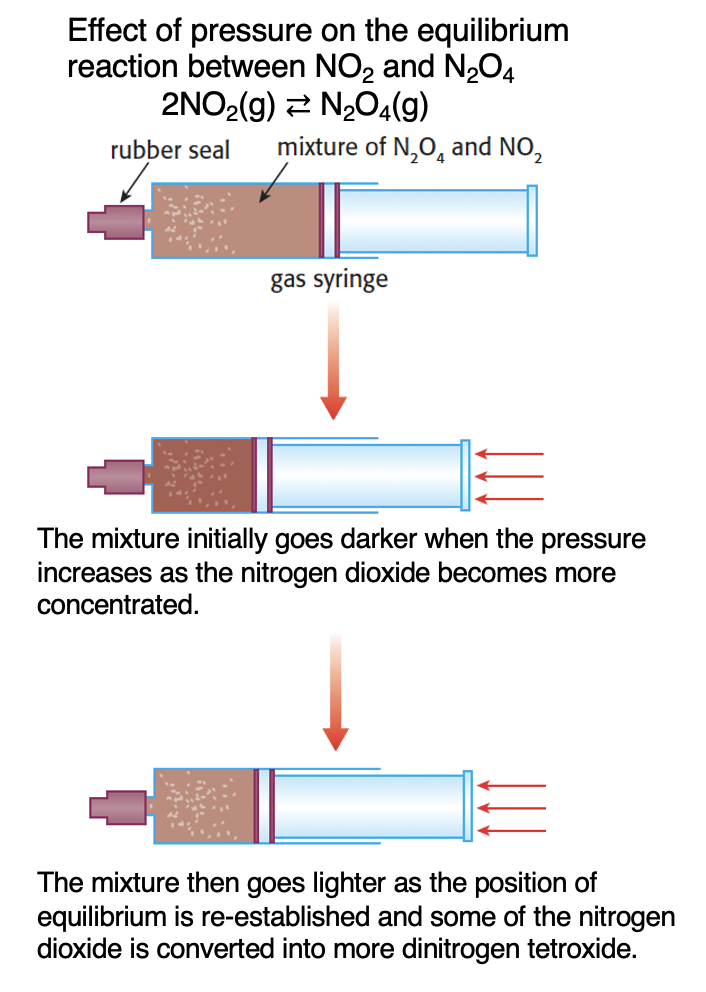
                        R2.3 The extent of chemical change
                                    

                    </h5>
                                            <p class="text-body mb-0 mb-lg-3"> This section on equilibrium explains the difference between static and dynamic equilibrium and how the equilibrium constant, K can be determined from the stoichiometry of a reaction. The extent of a reaction...</p>
                                        <div class="clearfix">
                        <span class="text-muted fs-sm float-end">
                            07 May 2026
                        </span>
                    </div>
                </div>
            </div>
        </div>
    </a>
    <a href="/chemistry/page/42220/r22-ahl-activation-energy" class="card text-body rounded-0 text-decoration-none" data-turbo-frame="_top" data-turbo="false">
        <div class="card-body">
            <div class="row align-items-start gx-3">
                <div class="col-4 col-lg-3">
                    <div class="rounded overflow-hidden hover-zoom hover-overlay">
        <img
            class="d-block w-100 height-150 object-cover"
            src="https://teacher-sites-storage.inthinking.net/ib/chemistry/images/2023-topics/r2/arrhenius-extrapolation-graph.png"
            alt="R2.2 (AHL) Activation energy"
        >
    </div>

                </div>
                <div class="col-8 col-lg-9">
                                            <h6 class="text-accent">
                            Delivering the programme
                        </h6>
                                        <h5 class="fw-semibold text-primary mb-2 d-flex gap-1 align-items-end">
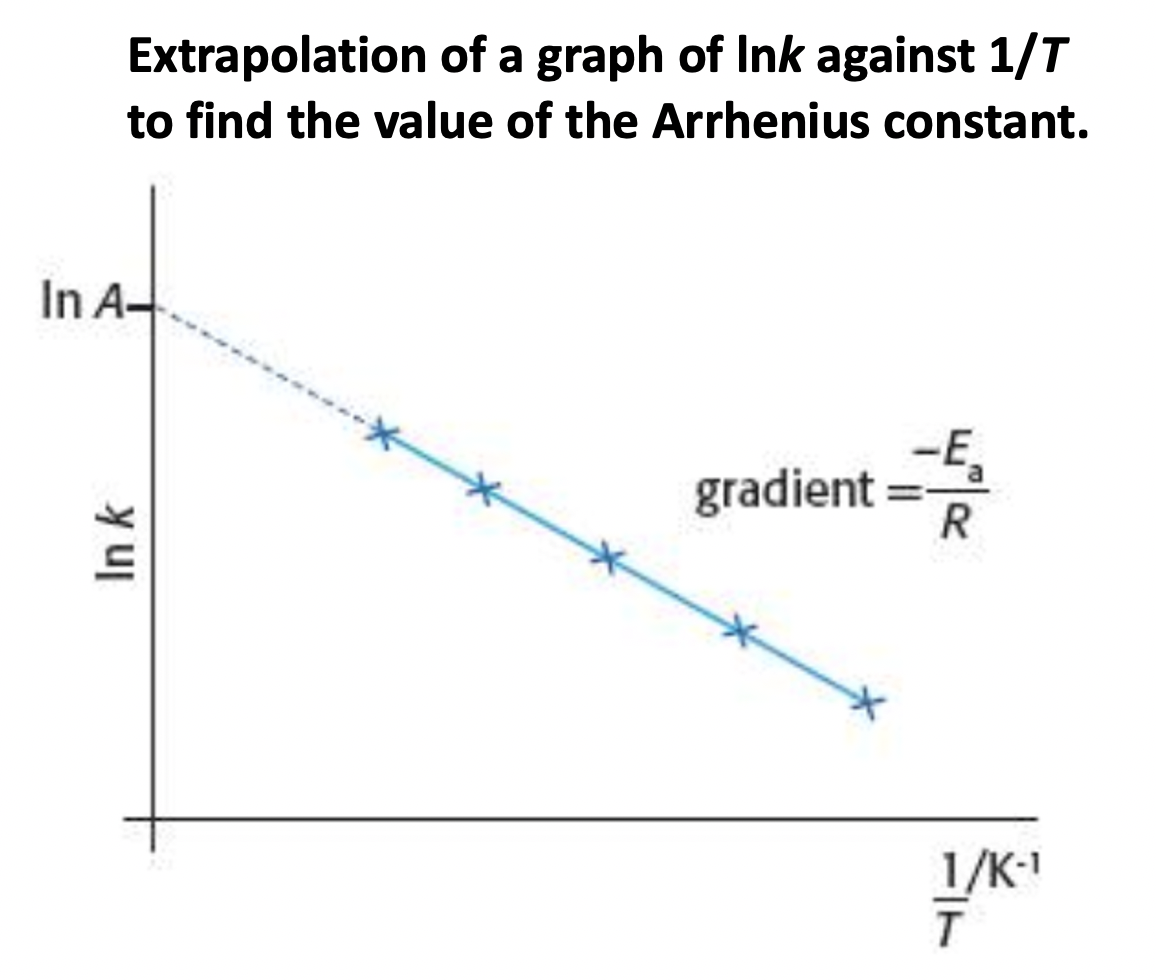
                        R2.2 (AHL) Activation energy
                                    

                    </h5>
                                            <p class="text-body mb-0 mb-lg-3"> This AHL sub-topic covers the Arrhenius equation. This equation uses experimentally determined values of the rate constant at different temperatures to determine the activation energy for a reaction by...</p>
                                        <div class="clearfix">
                        <span class="text-muted fs-sm float-end">
                            07 May 2026
                        </span>
                    </div>
                </div>
            </div>
        </div>
    </a>
    <a href="/chemistry/page/42212/r22-ahl-rate-expression-reaction-mechanism" class="card text-body rounded-0 text-decoration-none" data-turbo-frame="_top" data-turbo="false">
        <div class="card-body">
            <div class="row align-items-start gx-3">
                <div class="col-4 col-lg-3">
                    <div class="rounded overflow-hidden hover-zoom hover-overlay">
        <img
            class="d-block w-100 height-150 object-cover"
            src="https://teacher-sites-storage.inthinking.net/ib/chemistry/images/2023-topics/r2/screenshot-2022-10-07-at-20.18.00.png"
            alt="R2.2 (AHL) Rate expression &amp; reaction mechanism"
        >
    </div>

                </div>
                <div class="col-8 col-lg-9">
                                            <h6 class="text-accent">
                            Delivering the programme
                        </h6>
                                        <h5 class="fw-semibold text-primary mb-2 d-flex gap-1 align-items-end">
                        R2.2 (AHL) Rate expression & reaction mechanism
                                    

                    </h5>
                                            <p class="text-body mb-0 mb-lg-3"> This section covers how rate equations can only be determined experimentally and then used to support a proposed mechanism for a reaction. It covers order of reaction and how in a reaction that occurs...</p>
                                        <div class="clearfix">
                        <span class="text-muted fs-sm float-end">
                            07 May 2026
                        </span>
                    </div>
                </div>
            </div>
        </div>
    </a>
    <a href="/chemistry/page/42202/r22-rate-of-reaction-collision-theory" class="card text-body rounded-0 text-decoration-none" data-turbo-frame="_top" data-turbo="false">
        <div class="card-body">
            <div class="row align-items-start gx-3">
                <div class="col-4 col-lg-3">
                    <div class="rounded overflow-hidden hover-zoom hover-overlay">
        <img
            class="d-block w-100 height-150 object-cover"
            src="https://teacher-sites-storage.inthinking.net/ib/chemistry/images/2023-topics/r2/screenshot-2022-08-26-at-11.16.19.png"
            alt="R2.2 Rate of reaction &amp; collision theory"
        >
    </div>

                </div>
                <div class="col-8 col-lg-9">
                                            <h6 class="text-accent">
                            Delivering the programme
                        </h6>
                                        <h5 class="fw-semibold text-primary mb-2 d-flex gap-1 align-items-end">
                        R2.2 Rate of reaction & collision theory
                                    

                    </h5>
                                            <p class="text-body mb-0 mb-lg-3"> This sub-section defines rate of reaction and uses collision theory to explain that species react as a result of collisions of sufficient energy and proper orientation. Factors that affect the rate of...</p>
                                        <div class="clearfix">
                        <span class="text-muted fs-sm float-end">
                            07 May 2026
                        </span>
                    </div>
                </div>
            </div>
        </div>
    </a>


    </template>
</turbo-stream>

    <turbo-stream action="update" target="load-more">
        <template>
            <div class="d-flex justify-content-center my-3">
    <a href="/chemistry/latest-updates?page=20" class="btn btn-secondary loader">
        <i class="fa-regular fa-circle-plus"></i>
        Load more
    </a>
    <div class="spinner-border load-more text-primary" role="status">
        <span class="visually-hidden">Loading...</span>
    </div>
</div>

        </template>
    </turbo-stream>