<turbo-stream action="append" target="section-items">
    <template>
            <a href="/history/page/67641/2-domestic-impact-of-mussolinis-italy-to-1940" class="card text-body rounded-0 text-decoration-none" data-turbo-frame="_top" data-turbo="false">
        <div class="card-body">
            <div class="row align-items-start gx-3">
                <div class="col-4 col-lg-3">
                    <div class="rounded overflow-hidden hover-zoom hover-overlay">
        <img
            class="d-block w-100 height-150 object-cover"
            src="https://teacher-sites-storage.inthinking.net/ib/history/new-curriculum/paper-3/europe/totalitarianism/fwsubx1wcaibmqg.jpg"
            alt="2. Domestic impact of Mussolini’s Italy (to 1940)"
        >
    </div>

                </div>
                <div class="col-8 col-lg-9">
                                            <h6 class="text-accent">
                            eBook
                        </h6>
                                        <h5 class="fw-semibold text-primary mb-2 d-flex gap-1 align-items-end">
                        2. Domestic impact of Mussolini’s Italy (to 1940)
                                    

                    </h5>
                                            <p class="text-body mb-0 mb-lg-3"> Mussolini’s domestic policies were focused on consolidating and maintaining his control in the 1920s.  However, he also had specific economic, social and political aims and he used a variety of methods...</p>
                                        <div class="clearfix">
                        <span class="text-muted fs-sm float-end">
                            27 March 2026
                        </span>
                    </div>
                </div>
            </div>
        </div>
    </a>
    <a href="/history/page/67631/a-economic-policies-and-the-corporate-state" class="card text-body rounded-0 text-decoration-none" data-turbo-frame="_top" data-turbo="false">
        <div class="card-body">
            <div class="row align-items-start gx-3">
                <div class="col-4 col-lg-3">
                    <div class="rounded overflow-hidden hover-zoom hover-overlay">
        <img
            class="d-block w-100 height-150 object-cover"
            src="https://teacher-sites-storage.inthinking.net/ib/history/images/download-1-7.jpg"
            alt="a. Economic policies and the corporate state"
        >
    </div>

                </div>
                <div class="col-8 col-lg-9">
                                            <h6 class="text-accent">
                            eBook
                        </h6>
                                        <h5 class="fw-semibold text-primary mb-2 d-flex gap-1 align-items-end">
                        a. Economic policies and the corporate state
                                    

                    </h5>
                                            <p class="text-body mb-0 mb-lg-3"> Specified content: Economic policies and the corporate state Initially, Mussolini pursued economic policies that would garner support from influential groups.  He was not an economist and at first did...</p>
                                        <div class="clearfix">
                        <span class="text-muted fs-sm float-end">
                            27 March 2026
                        </span>
                    </div>
                </div>
            </div>
        </div>
    </a>
    <a href="/history/page/67599/1-benito-mussolinis-rise-and-consolidation-of-power-19181926" class="card text-body rounded-0 text-decoration-none" data-turbo-frame="_top" data-turbo="false">
        <div class="card-body">
            <div class="row align-items-start gx-3">
                <div class="col-4 col-lg-3">
                    <div class="rounded overflow-hidden hover-zoom hover-overlay">
        <img
            class="d-block w-100 height-150 object-cover"
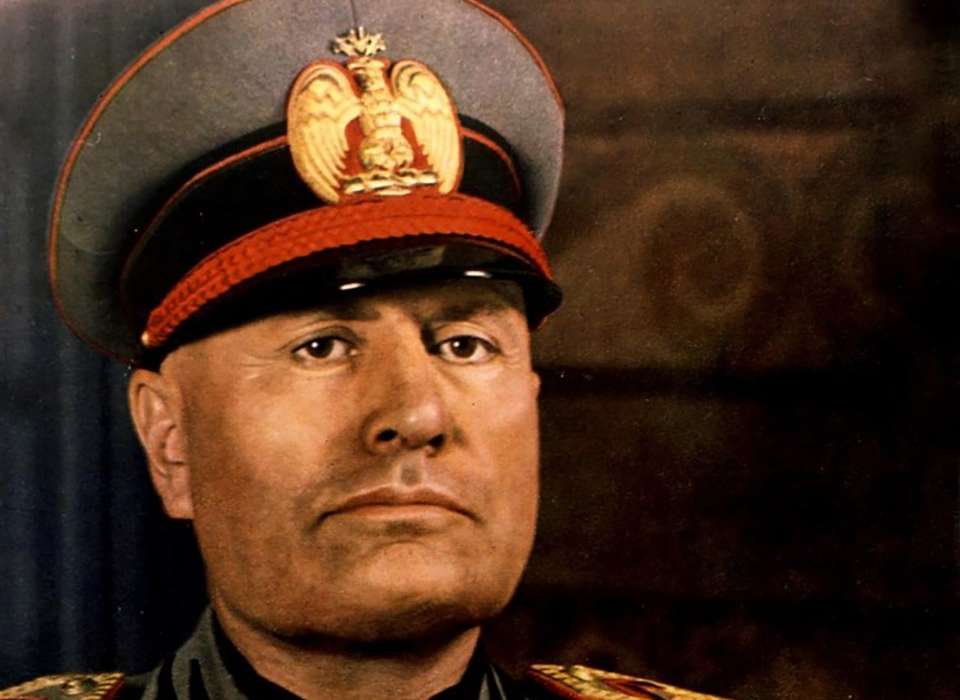
            src="https://teacher-sites-storage.inthinking.net/ib/history/new-curriculum/paper-3/europe/totalitarianism/primary_-benito_mussolini_colored-photograph-wearing-commander-in-chief-uniform-c-1940-courtesy-wikipedia---robert-citino.jpg"
            alt="1. Benito Mussolini’s rise and consolidation of power (1918–1926)"
        >
    </div>

                </div>
                <div class="col-8 col-lg-9">
                                            <h6 class="text-accent">
                            eBook
                        </h6>
                                        <h5 class="fw-semibold text-primary mb-2 d-flex gap-1 align-items-end">
                        1. Benito Mussolini’s rise and consolidation of power (1918–1926)
                                    

                    </h5>
                                            <p class="text-body mb-0 mb-lg-3"> Mussolini came to power in Italy in 1922. Between this time and his fall in the Second World War, he dominated Italian politics. He was the most popular leader that Italy had ever seen and he attempted...</p>
                                        <div class="clearfix">
                        <span class="text-muted fs-sm float-end">
                            24 March 2026
                        </span>
                    </div>
                </div>
            </div>
        </div>
    </a>
    <a href="/history/page/67598/b-the-march-on-rome" class="card text-body rounded-0 text-decoration-none" data-turbo-frame="_top" data-turbo="false">
        <div class="card-body">
            <div class="row align-items-start gx-3">
                <div class="col-4 col-lg-3">
                    <div class="rounded overflow-hidden hover-zoom hover-overlay">
        <img
            class="d-block w-100 height-150 object-cover"
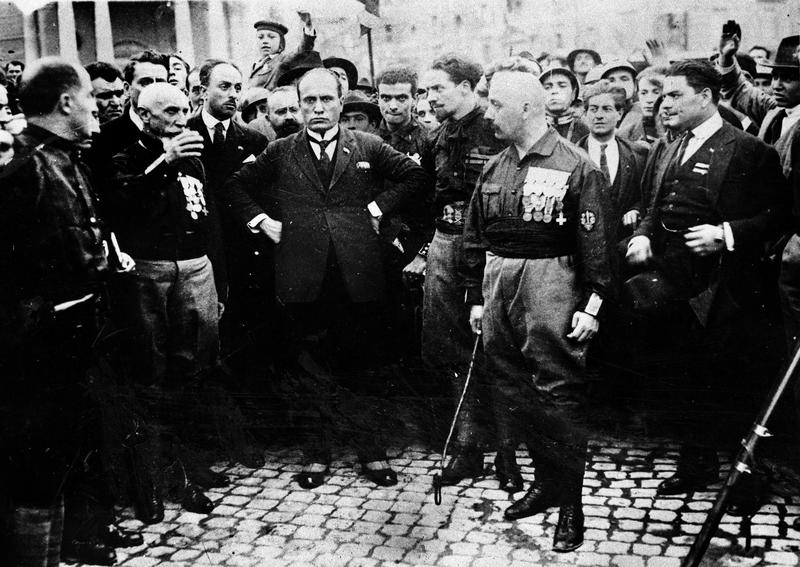
            src="https://teacher-sites-storage.inthinking.net/ib/history/new-curriculum/paper-3/europe/totalitarianism/ap360615531865.jpg"
            alt="b. The March on Rome"
        >
    </div>

                </div>
                <div class="col-8 col-lg-9">
                                            <h6 class="text-accent">
                            eBook
                        </h6>
                                        <h5 class="fw-semibold text-primary mb-2 d-flex gap-1 align-items-end">
                        b. The March on Rome
                                    

                    </h5>
                                            <p class="text-body mb-0 mb-lg-3"> This page examines the events leading up to Mussolini's seizure of power in 1922. Specified content: What was the nature of Italian fascism?  What was the significance of the March on Rome? Concept -...</p>
                                        <div class="clearfix">
                        <span class="text-muted fs-sm float-end">
                            24 March 2026
                        </span>
                    </div>
                </div>
            </div>
        </div>
    </a>
    <a href="/history/page/67597/a-the-weakness-of-the-liberal-state-by-1921" class="card text-body rounded-0 text-decoration-none" data-turbo-frame="_top" data-turbo="false">
        <div class="card-body">
            <div class="row align-items-start gx-3">
                <div class="col-4 col-lg-3">
                    <div class="rounded overflow-hidden hover-zoom hover-overlay">
        <img
            class="d-block w-100 height-150 object-cover"
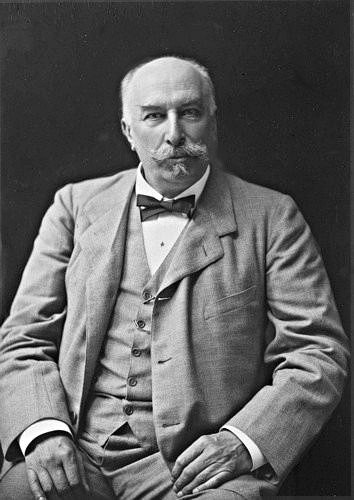
            src="https://teacher-sites-storage.inthinking.net/ib/history/new-curriculum/paper-3/europe/totalitarianism/giolitti2.jpg"
            alt="a. The weakness of the liberal state by 1921"
        >
    </div>

                </div>
                <div class="col-8 col-lg-9">
                                            <h6 class="text-accent">
                            eBook
                        </h6>
                                        <h5 class="fw-semibold text-primary mb-2 d-flex gap-1 align-items-end">
                        a. The weakness of the liberal state by 1921
                                    

                    </h5>
                                            <p class="text-body mb-0 mb-lg-3"> This page examines the situation in Italy in the 50 years after unification and the extent to which the weaknesses of the liberal state laid the foundations for Mussolini's rise to power. Specified content...</p>
                                        <div class="clearfix">
                        <span class="text-muted fs-sm float-end">
                            24 March 2026
                        </span>
                    </div>
                </div>
            </div>
        </div>
    </a>
    <a href="/history/page/42768/nations" class="card text-body rounded-0 text-decoration-none" data-turbo-frame="_top" data-turbo="false">
        <div class="card-body">
            <div class="row align-items-start gx-3">
                <div class="col-4 col-lg-3">
                    <div class="rounded overflow-hidden hover-zoom hover-overlay">
        <img
            class="d-block w-100 height-150 object-cover"
            src="https://teacher-sites-storage.inthinking.net/ib/history/1c1bc8e09af74caca2fbb72c239e808a-(2).jpg"
            alt="Nations"
        >
    </div>

                </div>
                <div class="col-8 col-lg-9">
                                            <h6 class="text-accent">
                            Assessment
                        </h6>
                                        <h5 class="fw-semibold text-primary mb-2 d-flex gap-1 align-items-end">
                        Nations
                                    

                    </h5>
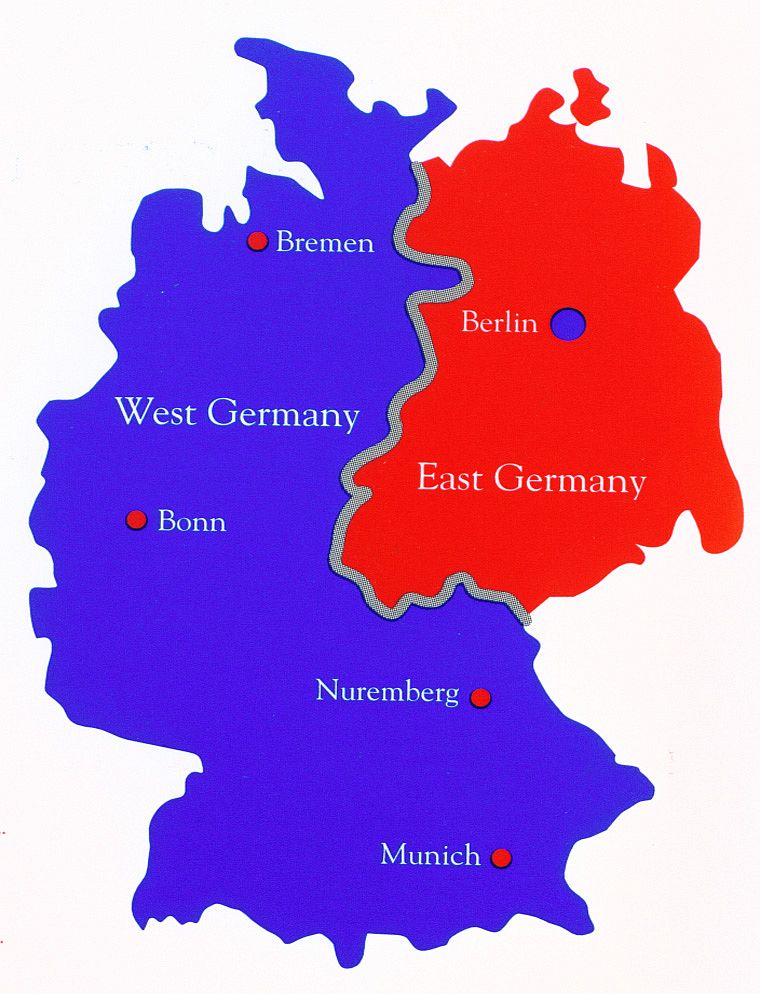
                                            <p class="text-body mb-0 mb-lg-3"> This essay uses Cuba and West Germany as the two case studies for this essay: Discuss the social and cultural impact of the Cold War on two countries, each chosen from a different region. This essay was...</p>
                                        <div class="clearfix">
                        <span class="text-muted fs-sm float-end">
                            22 March 2026
                        </span>
                    </div>
                </div>
            </div>
        </div>
    </a>
    <a href="/history/page/67480/5-second-world-war-europe-paper-2-practice-questions" class="card text-body rounded-0 text-decoration-none" data-turbo-frame="_top" data-turbo="false">
        <div class="card-body">
            <div class="row align-items-start gx-3">
                <div class="col-4 col-lg-3">
                    <div class="rounded overflow-hidden hover-zoom hover-overlay">
        <img
            class="d-block w-100 height-150 object-cover"
            src="https://teacher-sites-storage.inthinking.net/ib/history/question-mark2.jpg"
            alt="5. Second World War Europe: Paper 2 practice questions"
        >
    </div>

                </div>
                <div class="col-8 col-lg-9">
                                            <h6 class="text-accent">
                            eBook
                        </h6>
                                        <h5 class="fw-semibold text-primary mb-2 d-flex gap-1 align-items-end">
                        5. Second World War Europe: Paper 2 practice questions
                                    

                    </h5>
                                            <p class="text-body mb-0 mb-lg-3"> There are two sections in the examination paper; Section A and Section B. The pages below contain practice questions for Section A and Section B, Part a. As Section B, Part b requires you to use a range...</p>
                                        <div class="clearfix">
                        <span class="text-muted fs-sm float-end">
                            18 March 2026
                        </span>
                    </div>
                </div>
            </div>
        </div>
    </a>
    <a href="/history/page/67156/b-section-b-part-a-questions" class="card text-body rounded-0 text-decoration-none" data-turbo-frame="_top" data-turbo="false">
        <div class="card-body">
            <div class="row align-items-start gx-3">
                <div class="col-4 col-lg-3">
                    <div class="rounded overflow-hidden hover-zoom hover-overlay">
        <img
            class="d-block w-100 height-150 object-cover"
            src="https://teacher-sites-storage.inthinking.net/ib/history/green-chameleon-21532-unsplash(2).jpg"
            alt="b. Section B, Part a questions"
        >
    </div>

                </div>
                <div class="col-8 col-lg-9">
                                            <h6 class="text-accent">
                            eBook
                        </h6>
                                        <h5 class="fw-semibold text-primary mb-2 d-flex gap-1 align-items-end">
                        b. Section B, Part a questions
                                    

                    </h5>
                                            <p class="text-body mb-0 mb-lg-3"> Section B has TWO questions per thematic study (Part a and Part b), so you will need to choose the two questions on the study you have done in class.  You will be using your example of the Second World...</p>
                                        <div class="clearfix">
                        <span class="text-muted fs-sm float-end">
                            17 March 2026
                        </span>
                    </div>
                </div>
            </div>
        </div>
    </a>
    <a href="/history/page/67157/a-section-a-questions" class="card text-body rounded-0 text-decoration-none" data-turbo-frame="_top" data-turbo="false">
        <div class="card-body">
            <div class="row align-items-start gx-3">
                <div class="col-4 col-lg-3">
                    <div class="rounded overflow-hidden hover-zoom hover-overlay">
        <img
            class="d-block w-100 height-150 object-cover"
            src="https://teacher-sites-storage.inthinking.net/ib/history/istockphoto-936911748-612x612.jpg"
            alt="a. Section A questions"
        >
    </div>

                </div>
                <div class="col-8 col-lg-9">
                                            <h6 class="text-accent">
                            eBook
                        </h6>
                                        <h5 class="fw-semibold text-primary mb-2 d-flex gap-1 align-items-end">
                        a. Section A questions
                                    

                    </h5>
                                            <p class="text-body mb-0 mb-lg-3"> On this page you will find questions to help you prepare for Section A of the Paper 2 examination. These questions are all linked to the key historical concepts.  Section A You will need to answer one...</p>
                                        <div class="clearfix">
                        <span class="text-muted fs-sm float-end">
                            17 March 2026
                        </span>
                    </div>
                </div>
            </div>
        </div>
    </a>
    <a href="/history/page/66116/b-political-decision-making" class="card text-body rounded-0 text-decoration-none" data-turbo-frame="_top" data-turbo="false">
        <div class="card-body">
            <div class="row align-items-start gx-3">
                <div class="col-4 col-lg-3">
                    <div class="rounded overflow-hidden hover-zoom hover-overlay">
        <img
            class="d-block w-100 height-150 object-cover"
            src="https://teacher-sites-storage.inthinking.net/ib/history/roe/download-5.jpg"
            alt="b) Political decision-making"
        >
    </div>

                </div>
                <div class="col-8 col-lg-9">
                                            <h6 class="text-accent">
                            eBook
                        </h6>
                                        <h5 class="fw-semibold text-primary mb-2 d-flex gap-1 align-items-end">
                        b) Political decision-making
                                    

                    </h5>
                                            <p class="text-body mb-0 mb-lg-3"> This page contains ATL activities to develop your conceptual understanding of how political decision-making in the Second World War in Europe established peace. Inquiry question: How was peace established? ...</p>
                                        <div class="clearfix">
                        <span class="text-muted fs-sm float-end">
                            17 March 2026
                        </span>
                    </div>
                </div>
            </div>
        </div>
    </a>


    </template>
</turbo-stream>

    <turbo-stream action="update" target="load-more">
        <template>
            <div class="d-flex justify-content-center my-3">
    <a href="/history/latest-updates?page=52" class="btn btn-secondary loader">
        <i class="fa-regular fa-circle-plus"></i>
        Load more
    </a>
    <div class="spinner-border load-more text-primary" role="status">
        <span class="visually-hidden">Loading...</span>
    </div>
</div>

        </template>
    </turbo-stream>