<turbo-stream action="append" target="section-items">
    <template>
            <a href="/englishalanglit/page/11264/testimonial" class="card text-body rounded-0 text-decoration-none" data-turbo-frame="_top" data-turbo="false">
        <div class="card-body">
            <div class="row align-items-start gx-3">
                <div class="col-4 col-lg-3">
                    <div class="rounded overflow-hidden hover-zoom hover-overlay">
        <img
            class="d-block w-100 height-150 object-cover"
            src="https://teacher-sites-storage.inthinking.net/ib/englishalanglit/images/susan_sarandon.jpg"
            alt="Testimonial"
        >
    </div>

                </div>
                <div class="col-8 col-lg-9">
                                            <h6 class="text-accent">
                            Resources
                        </h6>
                                        <h5 class="fw-semibold text-primary mb-2 d-flex gap-1 align-items-end">
                        Testimonial
                                    

                    </h5>
                                            <p class="text-body mb-0 mb-lg-3"> If someone tells you about a personal experience with a product, then you are likely to believe that person. If that 'someone' is a celebrity, you may be even more likely to buy a product that he or she...</p>
                                        <div class="clearfix">
                        <span class="text-muted fs-sm float-end">
                            12 January 2012
                        </span>
                    </div>
                </div>
            </div>
        </div>
    </a>
    <a href="/englishalanglit/page/9637/synecdoche" class="card text-body rounded-0 text-decoration-none" data-turbo-frame="_top" data-turbo="false">
        <div class="card-body">
            <div class="row align-items-start gx-3">
                <div class="col-4 col-lg-3">
                    <div class="rounded overflow-hidden hover-zoom hover-overlay">
        <img
            class="d-block w-100 height-150 object-cover"
            src="https://teacher-sites-storage.inthinking.net/subject/generic/23/01.jpg?v=1790338357"
            alt="Synecdoche"
        >
    </div>

                </div>
                <div class="col-8 col-lg-9">
                                            <h6 class="text-accent">
                            Resources
                        </h6>
                                        <h5 class="fw-semibold text-primary mb-2 d-flex gap-1 align-items-end">
                        Synecdoche
                                    

                    </h5>
                                            <p class="text-body mb-0 mb-lg-3"> Synecdoche is a stylistic device. It is the act of referring to an entity by one of its parts. For example, if you refer to your car as your 'wheels', you are using synecdoche. 'All hands on deck!' is...</p>
                                        <div class="clearfix">
                        <span class="text-muted fs-sm float-end">
                            12 January 2012
                        </span>
                    </div>
                </div>
            </div>
        </div>
    </a>
    <a href="/englishalanglit/page/9227/social-networking" class="card text-body rounded-0 text-decoration-none" data-turbo-frame="_top" data-turbo="false">
        <div class="card-body">
            <div class="row align-items-start gx-3">
                <div class="col-4 col-lg-3">
                    <div class="rounded overflow-hidden hover-zoom hover-overlay">
        <img
            class="d-block w-100 height-150 object-cover"
            src="https://teacher-sites-storage.inthinking.net/subject/generic/23/02.jpg?v=1790338357"
            alt="Social networking"
        >
    </div>

                </div>
                <div class="col-8 col-lg-9">
                                            <h6 class="text-accent">
                            Resources
                        </h6>
                                        <h5 class="fw-semibold text-primary mb-2 d-flex gap-1 align-items-end">
                        Social networking
                                    

                    </h5>
                                            <p class="text-body mb-0 mb-lg-3"> Although many people use social networking websites daily, we rarely stop to define the term or ponder its significance to our lives. A social network describes a structure of individuals and their interdependence...</p>
                                        <div class="clearfix">
                        <span class="text-muted fs-sm float-end">
                            12 January 2012
                        </span>
                    </div>
                </div>
            </div>
        </div>
    </a>
    <a href="/englishalanglit/page/9787/slogan" class="card text-body rounded-0 text-decoration-none" data-turbo-frame="_top" data-turbo="false">
        <div class="card-body">
            <div class="row align-items-start gx-3">
                <div class="col-4 col-lg-3">
                    <div class="rounded overflow-hidden hover-zoom hover-overlay">
        <img
            class="d-block w-100 height-150 object-cover"
            src="https://teacher-sites-storage.inthinking.net/ib/englishalanglit/images/thinkdifferent.jpg"
            alt="Slogan"
        >
    </div>

                </div>
                <div class="col-8 col-lg-9">
                                            <h6 class="text-accent">
                            Resources
                        </h6>
                                        <h5 class="fw-semibold text-primary mb-2 d-flex gap-1 align-items-end">
                        Slogan
                                    

                    </h5>
                                            <p class="text-body mb-0 mb-lg-3"> A slogan is a phrase used in a political or commercial campaign repeatedly. Slogans are meant to be simple, as they express a shared purpose or idea. 'Think Different' has been Apple's slogan for decades....</p>
                                        <div class="clearfix">
                        <span class="text-muted fs-sm float-end">
                            12 January 2012
                        </span>
                    </div>
                </div>
            </div>
        </div>
    </a>
    <a href="/englishalanglit/page/3086/slang" class="card text-body rounded-0 text-decoration-none" data-turbo-frame="_top" data-turbo="false">
        <div class="card-body">
            <div class="row align-items-start gx-3">
                <div class="col-4 col-lg-3">
                    <div class="rounded overflow-hidden hover-zoom hover-overlay">
        <img
            class="d-block w-100 height-150 object-cover"
            src="https://teacher-sites-storage.inthinking.net/subject/generic/23/03.jpg?v=1790338357"
            alt="Slang"
        >
    </div>

                </div>
                <div class="col-8 col-lg-9">
                                            <h6 class="text-accent">
                            Resources
                        </h6>
                                        <h5 class="fw-semibold text-primary mb-2 d-flex gap-1 align-items-end">
                        Slang
                                    

                    </h5>
                                            <p class="text-body mb-0 mb-lg-3"> 'Slang' refers to a deviation in language use, be it vocabulary or expressions, from the standardized form of a particular language. Technically speaking from a linguistic point of view, the word is not...</p>
                                        <div class="clearfix">
                        <span class="text-muted fs-sm float-end">
                            12 January 2012
                        </span>
                    </div>
                </div>
            </div>
        </div>
    </a>
    <a href="/englishalanglit/page/9634/simile" class="card text-body rounded-0 text-decoration-none" data-turbo-frame="_top" data-turbo="false">
        <div class="card-body">
            <div class="row align-items-start gx-3">
                <div class="col-4 col-lg-3">
                    <div class="rounded overflow-hidden hover-zoom hover-overlay">
        <img
            class="d-block w-100 height-150 object-cover"
            src="https://teacher-sites-storage.inthinking.net/ib/englishalanglit/images/simile.jpg"
            alt="Simile"
        >
    </div>

                </div>
                <div class="col-8 col-lg-9">
                                            <h6 class="text-accent">
                            Resources
                        </h6>
                                        <h5 class="fw-semibold text-primary mb-2 d-flex gap-1 align-items-end">
                        Simile
                                    

                    </h5>
                                            <p class="text-body mb-0 mb-lg-3"> Simile is the comparison of two things, using the words 'like' or 'as'. It is similar to, but different from, metaphor which compares two things without the use of such words such as 'like' or 'as'....</p>
                                        <div class="clearfix">
                        <span class="text-muted fs-sm float-end">
                            12 January 2012
                        </span>
                    </div>
                </div>
            </div>
        </div>
    </a>
    <a href="/englishalanglit/page/2992/setting" class="card text-body rounded-0 text-decoration-none" data-turbo-frame="_top" data-turbo="false">
        <div class="card-body">
            <div class="row align-items-start gx-3">
                <div class="col-4 col-lg-3">
                    <div class="rounded overflow-hidden hover-zoom hover-overlay">
        <img
            class="d-block w-100 height-150 object-cover"
            src="https://teacher-sites-storage.inthinking.net/subject/generic/23/04.jpg?v=1790338357"
            alt="Setting"
        >
    </div>

                </div>
                <div class="col-8 col-lg-9">
                                            <h6 class="text-accent">
                            Resources
                        </h6>
                                        <h5 class="fw-semibold text-primary mb-2 d-flex gap-1 align-items-end">
                        Setting
                                    

                    </h5>
                                            <p class="text-body mb-0 mb-lg-3"> The setting of a story is more than where it takes place, geographically, and when it takes place, temporally. When discussing setting as a literary technique, we often look at it in relation to its main...</p>
                                        <div class="clearfix">
                        <span class="text-muted fs-sm float-end">
                            12 January 2012
                        </span>
                    </div>
                </div>
            </div>
        </div>
    </a>
    <a href="/englishalanglit/page/7386/sensationalism" class="card text-body rounded-0 text-decoration-none" data-turbo-frame="_top" data-turbo="false">
        <div class="card-body">
            <div class="row align-items-start gx-3">
                <div class="col-4 col-lg-3">
                    <div class="rounded overflow-hidden hover-zoom hover-overlay">
        <img
            class="d-block w-100 height-150 object-cover"
            src="https://teacher-sites-storage.inthinking.net/ib/englishalanglit/images/metonymy.jpg"
            alt="Sensationalism"
        >
    </div>

                </div>
                <div class="col-8 col-lg-9">
                                            <h6 class="text-accent">
                            Resources
                        </h6>
                                        <h5 class="fw-semibold text-primary mb-2 d-flex gap-1 align-items-end">
                        Sensationalism
                                                <span class='topic-heading-badge d-inline-flex align-items-center justify-content-center'>Free</span>

                    </h5>
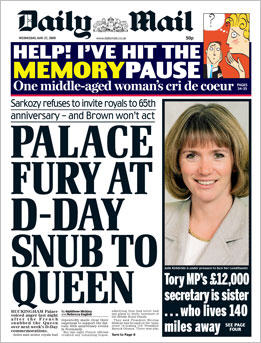
                                            <p class="text-body mb-0 mb-lg-3"> Sensationalism refers to language that appeals to emotions. It exaggerates, over-hypes and attracts attention to controversy. This headline from offers an example of sensationalism: "Palace Furty At D-Day...</p>
                                        <div class="clearfix">
                        <span class="text-muted fs-sm float-end">
                            12 January 2012
                        </span>
                    </div>
                </div>
            </div>
        </div>
    </a>
    <a href="/englishalanglit/page/9579/second-person-point-of-view" class="card text-body rounded-0 text-decoration-none" data-turbo-frame="_top" data-turbo="false">
        <div class="card-body">
            <div class="row align-items-start gx-3">
                <div class="col-4 col-lg-3">
                    <div class="rounded overflow-hidden hover-zoom hover-overlay">
        <img
            class="d-block w-100 height-150 object-cover"
            src="https://teacher-sites-storage.inthinking.net/ib/englishalanglit/images/I_want_You.jpg"
            alt="Second-person point-of-view"
        >
    </div>

                </div>
                <div class="col-8 col-lg-9">
                                            <h6 class="text-accent">
                            Resources
                        </h6>
                                        <h5 class="fw-semibold text-primary mb-2 d-flex gap-1 align-items-end">
                        Second-person point-of-view
                                    

                    </h5>
                                            <p class="text-body mb-0 mb-lg-3"> The second-person point-of-view makes use of the pronoun 'you'. It targets the reader directly, by referring to 'you'. You can find the second-person point-of-view in recipes, textbooks, advertisements...</p>
                                        <div class="clearfix">
                        <span class="text-muted fs-sm float-end">
                            12 January 2012
                        </span>
                    </div>
                </div>
            </div>
        </div>
    </a>
    <a href="/englishalanglit/page/11265/problem-solution-technique" class="card text-body rounded-0 text-decoration-none" data-turbo-frame="_top" data-turbo="false">
        <div class="card-body">
            <div class="row align-items-start gx-3">
                <div class="col-4 col-lg-3">
                    <div class="rounded overflow-hidden hover-zoom hover-overlay">
        <img
            class="d-block w-100 height-150 object-cover"
            src="https://teacher-sites-storage.inthinking.net/ib/englishalanglit/images/tyl1a.jpg"
            alt="Problem / solution technique"
        >
    </div>

                </div>
                <div class="col-8 col-lg-9">
                                            <h6 class="text-accent">
                            Resources
                        </h6>
                                        <h5 class="fw-semibold text-primary mb-2 d-flex gap-1 align-items-end">
                        Problem / solution technique
                                    

                    </h5>
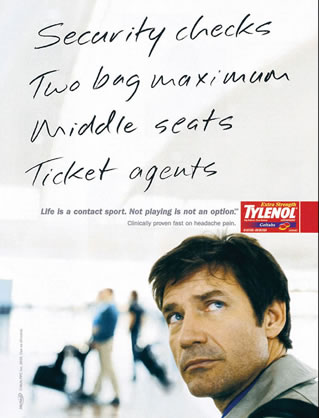
                                            <p class="text-body mb-0 mb-lg-3"> If you can convince someone that they have a problem, you can sell them a solution. This is the kind of persuasive technique used by advertisers and politicians, known as the problem / solution technique....</p>
                                        <div class="clearfix">
                        <span class="text-muted fs-sm float-end">
                            12 January 2012
                        </span>
                    </div>
                </div>
            </div>
        </div>
    </a>


    </template>
</turbo-stream>

    <turbo-stream action="update" target="load-more">
        <template>
            <div class="d-flex justify-content-center my-3">
    <a href="/englishalanglit/latest-updates?page=156" class="btn btn-secondary loader">
        <i class="fa-regular fa-circle-plus"></i>
        Load more
    </a>
    <div class="spinner-border load-more text-primary" role="status">
        <span class="visually-hidden">Loading...</span>
    </div>
</div>

        </template>
    </turbo-stream>