<turbo-stream action="append" target="section-items">
    <template>
            <a href="/economics/page/21343/multiplier-hl-only" class="card text-body rounded-0 text-decoration-none" data-turbo-frame="_top" data-turbo="false">
        <div class="card-body">
            <div class="row align-items-start gx-3">
                <div class="col-4 col-lg-3">
                    <div class="rounded overflow-hidden hover-zoom hover-overlay">
        <img
            class="d-block w-100 height-150 object-cover"
            src="https://teacher-sites-storage.inthinking.net/ib/economics/images/macro-economics-2/webp.net-resizeimage-(1).png"
            alt="Multiplier (HL only)"
        >
    </div>

                </div>
                <div class="col-8 col-lg-9">
                                            <h6 class="text-accent">
                            Lesson plans
                        </h6>
                                        <h5 class="fw-semibold text-primary mb-2 d-flex gap-1 align-items-end">
                        Multiplier (HL only)
                                    

                    </h5>
                                            <p class="text-body mb-0 mb-lg-3"> This lesson focuses on the multiplier - one of the most important components of understanding keynesian economic theory. The page containing the student activities for this page is available at: Multiplier...</p>
                                        <div class="clearfix">
                        <span class="text-muted fs-sm float-end">
                            24 August 2026
                        </span>
                    </div>
                </div>
            </div>
        </div>
    </a>
    <a href="/economics/page/71759/monetary-policy-" class="card text-body rounded-0 text-decoration-none" data-turbo-frame="_top" data-turbo="false">
        <div class="card-body">
            <div class="row align-items-start gx-3">
                <div class="col-4 col-lg-3">
                    <div class="rounded overflow-hidden hover-zoom hover-overlay">
        <img
            class="d-block w-100 height-150 object-cover"
            src="https://teacher-sites-storage.inthinking.net/ib/economics/images/macro-economics-2/inflation.jpg"
            alt="Monetary policy "
        >
    </div>

                </div>
                <div class="col-8 col-lg-9">
                                            <h6 class="text-accent">
                            Activities
                        </h6>
                                        <h5 class="fw-semibold text-primary mb-2 d-flex gap-1 align-items-end">
                        Monetary policy 
                                    

                    </h5>
                                            <p class="text-body mb-0 mb-lg-3"> Ths page contains the student activities for the teacher page: Monetary policy     Monetary policy -  a demand-side policy with the Central Bank using changes in the money supply or interest rates to...</p>
                                        <div class="clearfix">
                        <span class="text-muted fs-sm float-end">
                            24 August 2026
                        </span>
                    </div>
                </div>
            </div>
        </div>
    </a>
    <a href="/economics/page/21795/monetary-policy" class="card text-body rounded-0 text-decoration-none" data-turbo-frame="_top" data-turbo="false">
        <div class="card-body">
            <div class="row align-items-start gx-3">
                <div class="col-4 col-lg-3">
                    <div class="rounded overflow-hidden hover-zoom hover-overlay">
        <img
            class="d-block w-100 height-150 object-cover"
            src="https://teacher-sites-storage.inthinking.net/ib/economics/images/macro-economics-2/forum_3_feb_2014-2.jpg"
            alt="Monetary policy"
        >
    </div>

                </div>
                <div class="col-8 col-lg-9">
                                            <h6 class="text-accent">
                            Lesson plans
                        </h6>
                                        <h5 class="fw-semibold text-primary mb-2 d-flex gap-1 align-items-end">
                        Monetary policy
                                    

                    </h5>
                                            <p class="text-body mb-0 mb-lg-3"> This will look at monetary policy and how governments can employ monetary policy measures to influence the aggregate demand curve. The page containing the student activities for this page is available...</p>
                                        <div class="clearfix">
                        <span class="text-muted fs-sm float-end">
                            24 August 2026
                        </span>
                    </div>
                </div>
            </div>
        </div>
    </a>
    <a href="/economics/page/71386/fiscal-policy-" class="card text-body rounded-0 text-decoration-none" data-turbo-frame="_top" data-turbo="false">
        <div class="card-body">
            <div class="row align-items-start gx-3">
                <div class="col-4 col-lg-3">
                    <div class="rounded overflow-hidden hover-zoom hover-overlay">
        <img
            class="d-block w-100 height-150 object-cover"
            src="https://teacher-sites-storage.inthinking.net/ib/economics/images/macro-economics-2/stabilisers.jpg"
            alt="Fiscal policy "
        >
    </div>

                </div>
                <div class="col-8 col-lg-9">
                                            <h6 class="text-accent">
                            Activities
                        </h6>
                                        <h5 class="fw-semibold text-primary mb-2 d-flex gap-1 align-items-end">
                        Fiscal policy 
                                    

                    </h5>
                                            <p class="text-body mb-0 mb-lg-3"> This page contains the student activities for the teacher page: Fiscal policy  Fiscal policy - refers to the use of government spending and tax policies to influence economic conditions, including demand...</p>
                                        <div class="clearfix">
                        <span class="text-muted fs-sm float-end">
                            24 August 2026
                        </span>
                    </div>
                </div>
            </div>
        </div>
    </a>
    <a href="/economics/page/21585/fiscal-policy" class="card text-body rounded-0 text-decoration-none" data-turbo-frame="_top" data-turbo="false">
        <div class="card-body">
            <div class="row align-items-start gx-3">
                <div class="col-4 col-lg-3">
                    <div class="rounded overflow-hidden hover-zoom hover-overlay">
        <img
            class="d-block w-100 height-150 object-cover"
            src="https://teacher-sites-storage.inthinking.net/ib/economics/images/macro-economics-2/images-(1).jpg"
            alt="Fiscal policy"
        >
    </div>

                </div>
                <div class="col-8 col-lg-9">
                                            <h6 class="text-accent">
                            Lesson plans
                        </h6>
                                        <h5 class="fw-semibold text-primary mb-2 d-flex gap-1 align-items-end">
                        Fiscal policy
                                    

                    </h5>
                                            <p class="text-body mb-0 mb-lg-3">  This page considers the way that governments collect tax revenue as well as how they spend that revenue on a range current expenditures, capital expenditures and transfer payments. The page containing...</p>
                                        <div class="clearfix">
                        <span class="text-muted fs-sm float-end">
                            24 August 2026
                        </span>
                    </div>
                </div>
            </div>
        </div>
    </a>
    <a href="/economics/page/21342/changes-in-the-long-run-aggregate-supply" class="card text-body rounded-0 text-decoration-none" data-turbo-frame="_top" data-turbo="false">
        <div class="card-body">
            <div class="row align-items-start gx-3">
                <div class="col-4 col-lg-3">
                    <div class="rounded overflow-hidden hover-zoom hover-overlay">
        <img
            class="d-block w-100 height-150 object-cover"
            src="https://teacher-sites-storage.inthinking.net/ib/economics/images/macro-economics/supply-side-policies(1).jpg"
            alt="Changes in the long run aggregate supply"
        >
    </div>

                </div>
                <div class="col-8 col-lg-9">
                                            <h6 class="text-accent">
                            Lesson plans
                        </h6>
                                        <h5 class="fw-semibold text-primary mb-2 d-flex gap-1 align-items-end">
                        Changes in the long run aggregate supply
                                    

                    </h5>
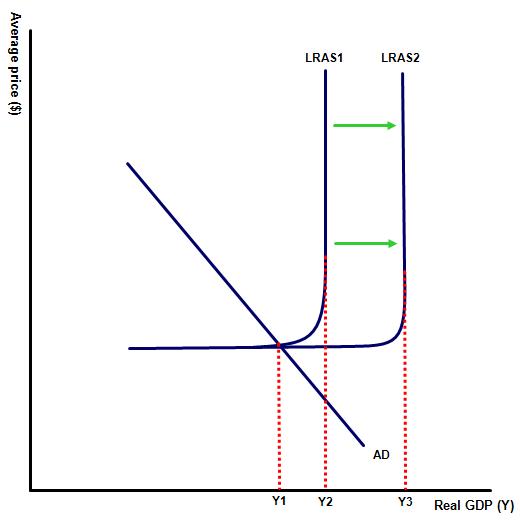
                                            <p class="text-body mb-0 mb-lg-3"> This lesson connects a shift in the production possibility frontier (PPF) which your classes will have learnt at the beginning of the course with a shift in the productive capacity of the economy - long...</p>
                                        <div class="clearfix">
                        <span class="text-muted fs-sm float-end">
                            24 August 2026
                        </span>
                    </div>
                </div>
            </div>
        </div>
    </a>
    <a href="/economics/page/71381/changes-in-the-long-run-aggregate-supply-" class="card text-body rounded-0 text-decoration-none" data-turbo-frame="_top" data-turbo="false">
        <div class="card-body">
            <div class="row align-items-start gx-3">
                <div class="col-4 col-lg-3">
                    <div class="rounded overflow-hidden hover-zoom hover-overlay">
        <img
            class="d-block w-100 height-150 object-cover"
            src="https://teacher-sites-storage.inthinking.net/ib/economics/images/macro-economics/rise-in-keynesian-lras-curve.jpg"
            alt="Changes in the long run aggregate supply "
        >
    </div>

                </div>
                <div class="col-8 col-lg-9">
                                            <h6 class="text-accent">
                            Activities
                        </h6>
                                        <h5 class="fw-semibold text-primary mb-2 d-flex gap-1 align-items-end">
                        Changes in the long run aggregate supply 
                                    

                    </h5>
                                            <p class="text-body mb-0 mb-lg-3"> This page contains the student activities for the teacher page: Changes in the long run aggregate supply  Long run aggregate supply curve (LRAS) measures the total output that an economy can produce,...</p>
                                        <div class="clearfix">
                        <span class="text-muted fs-sm float-end">
                            24 August 2026
                        </span>
                    </div>
                </div>
            </div>
        </div>
    </a>
    <a href="/economics/page/71379/equilibrium-in-macroeconomics-keynesian-perspective-" class="card text-body rounded-0 text-decoration-none" data-turbo-frame="_top" data-turbo="false">
        <div class="card-body">
            <div class="row align-items-start gx-3">
                <div class="col-4 col-lg-3">
                    <div class="rounded overflow-hidden hover-zoom hover-overlay">
        <img
            class="d-block w-100 height-150 object-cover"
            src="https://teacher-sites-storage.inthinking.net/ib/economics/images/macro-economics-2/consumer-confidence.jpg"
            alt="Equilibrium in macroeconomics (keynesian perspective) "
        >
    </div>

                </div>
                <div class="col-8 col-lg-9">
                                            <h6 class="text-accent">
                            Activities
                        </h6>
                                        <h5 class="fw-semibold text-primary mb-2 d-flex gap-1 align-items-end">
                        Equilibrium in macroeconomics (keynesian perspective) 
                                    

                    </h5>
                                            <p class="text-body mb-0 mb-lg-3"> This page contains the student activities for the teacher page: Equilibrium in macroeconomics (keynesian perspective)  Monetarist / neo-classical economists believe that changes to the money supply determine...</p>
                                        <div class="clearfix">
                        <span class="text-muted fs-sm float-end">
                            24 August 2026
                        </span>
                    </div>
                </div>
            </div>
        </div>
    </a>
    <a href="/economics/page/20439/equilibrium-in-macroeconomics-keynesian-perspective" class="card text-body rounded-0 text-decoration-none" data-turbo-frame="_top" data-turbo="false">
        <div class="card-body">
            <div class="row align-items-start gx-3">
                <div class="col-4 col-lg-3">
                    <div class="rounded overflow-hidden hover-zoom hover-overlay">
        <img
            class="d-block w-100 height-150 object-cover"
            src="https://teacher-sites-storage.inthinking.net/ib/economics/images/macro-economics-2/keynes-3.jpg"
            alt="Equilibrium in macroeconomics (keynesian perspective)"
        >
    </div>

                </div>
                <div class="col-8 col-lg-9">
                                            <h6 class="text-accent">
                            Lesson plans
                        </h6>
                                        <h5 class="fw-semibold text-primary mb-2 d-flex gap-1 align-items-end">
                        Equilibrium in macroeconomics (keynesian perspective)
                                    

                    </h5>
                                            <p class="text-body mb-0 mb-lg-3"> This lesson looks at the macroeconomic equilibrium from a keynesian perspective.  Start this lesson off with a simple survey, do your IB students support a keynesian or neoclassical view of economics. ...</p>
                                        <div class="clearfix">
                        <span class="text-muted fs-sm float-end">
                            24 August 2026
                        </span>
                    </div>
                </div>
            </div>
        </div>
    </a>
    <a href="/economics/page/71378/equilibrium-in-macroeconomics-neo-classical-perspective-" class="card text-body rounded-0 text-decoration-none" data-turbo-frame="_top" data-turbo="false">
        <div class="card-body">
            <div class="row align-items-start gx-3">
                <div class="col-4 col-lg-3">
                    <div class="rounded overflow-hidden hover-zoom hover-overlay">
        <img
            class="d-block w-100 height-150 object-cover"
            src="https://teacher-sites-storage.inthinking.net/ib/economics/images/macro-economics/long-run-macro-equilibrium.jpg"
            alt="Equilibrium in macroeconomics (neo-classical perspective) "
        >
    </div>

                </div>
                <div class="col-8 col-lg-9">
                                            <h6 class="text-accent">
                            Activities
                        </h6>
                                        <h5 class="fw-semibold text-primary mb-2 d-flex gap-1 align-items-end">
                        Equilibrium in macroeconomics (neo-classical perspective) 
                                    

                    </h5>
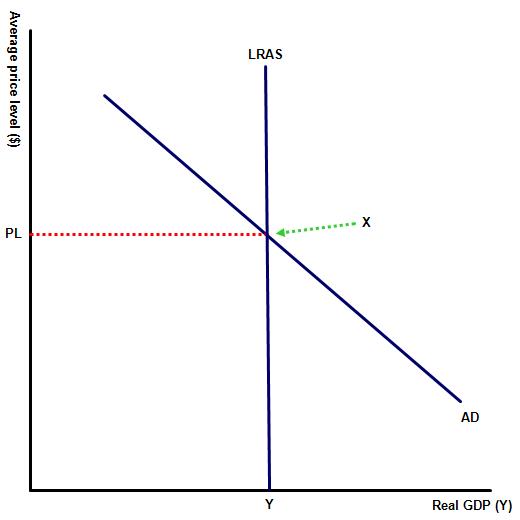
                                            <p class="text-body mb-0 mb-lg-3"> This page contains the student activities for the teacher page: Equilibrium in macroeconomics (neo-classical perspective)  Macroeconomic equilibrium  - where aggregate supply is equal to aggregate demand....</p>
                                        <div class="clearfix">
                        <span class="text-muted fs-sm float-end">
                            24 August 2026
                        </span>
                    </div>
                </div>
            </div>
        </div>
    </a>


    </template>
</turbo-stream>

    <turbo-stream action="update" target="load-more">
        <template>
            <div class="d-flex justify-content-center my-3">
    <a href="/economics/latest-updates?page=15" class="btn btn-secondary loader">
        <i class="fa-regular fa-circle-plus"></i>
        Load more
    </a>
    <div class="spinner-border load-more text-primary" role="status">
        <span class="visually-hidden">Loading...</span>
    </div>
</div>

        </template>
    </turbo-stream>