Selected student pages

eBook
3.1F Ways of Representing Data
Data can be expressed in various ways like charts, tables, reports, infographics, and many more. It depends on the purpose of the data, and accordingly, the type of graph can be chosen. In this lesson,...

eBook
2.4 Power
On most social media platforms, algorithms decide what you see and what you do not see. Based on your preferences—such as watch time, liked posts, and interactions—the algorithm builds a profile of you...

eBook
3.1G Data Security
Data security is all about keeping digital information safe from unauthorized access, use, or sharing. It also involves protecting data from being messed with or destroyed. Companies are legally required...
eBook
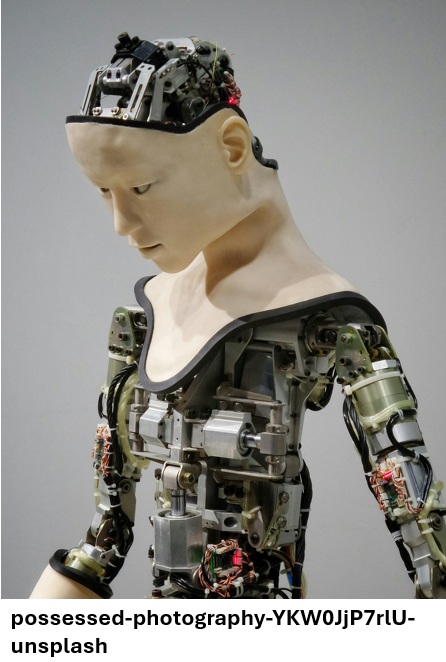
3.7A Types of Robots and Autonomous Technologies
A robot is a machine, often computer-programmable, designed to automatically perform a series of complex tasks. It can operate under external control or through an internal system. An autonomous system...
eBook
4.3A Natural resources and ecosystems
Digital technology is often underestimated as a significant source of carbon emissions, yet its influence on global sustainability is extensive and stems from diverse activities. From video streaming...

eBook
3.4C Characteristics of Computing Networks - Security
In this lesson, we will explore key characteristics of computing networks, focusing on security. Network security is a critical aspect of modern computing. It goes beyond safeguarding data—it also protects...
eBook
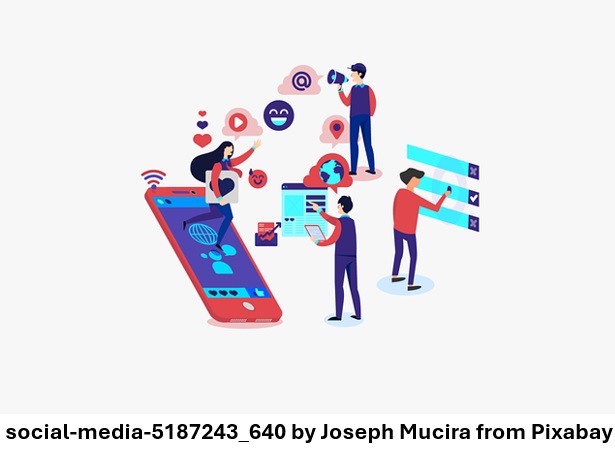
3.5A Types of Digital Media
Digital media encompasses any form of content that uses electronic or digital technology to connect with an audience. This technology is often used to create, edit, consume, store, and distribute such...
eBook
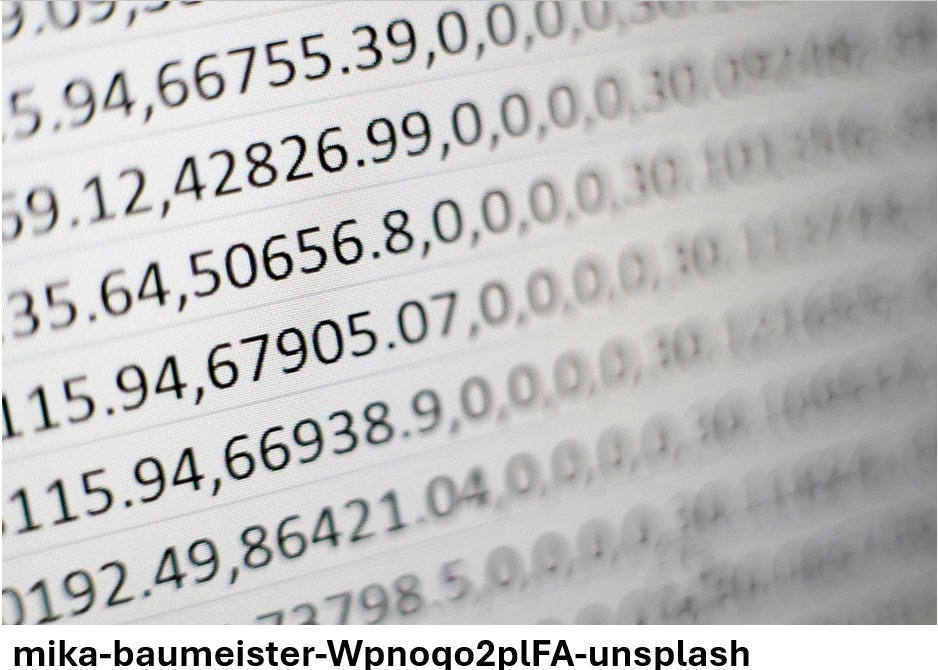
3.1H Characteristics and uses of big data and data analytics
Big data is a term that describes large amounts of data that come in different types (greater variety), in huge quantities (increasing volumes), and at fast speeds (more velocity). These are known as...
eBook
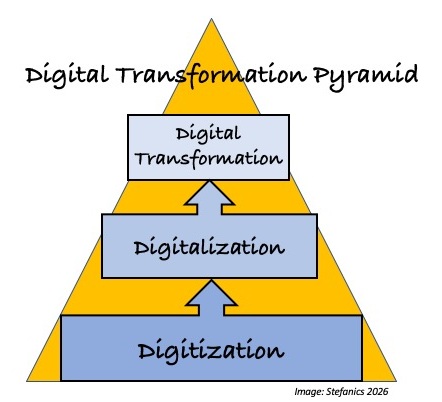
1.2 Digitization, Digitalization, and Digital Transformation
There are three types of processes that use digital systems and data to change from a physical or analogue state to a digital state: digitization, digitalization, and digital transformation. The terminology,...

eBook
3.2A Characteristics of an Algorithm
An algorithm is a set of steps that a computer follows to solve a problem or do calculations. It’s like a recipe that tells the computer exactly what to do, step by step. Formally, an algorithm is a limited...
eBook
3.3D Evolution of Computing
The first computers were imagined as machines with cogs and gears, but they only became practical in the 1950s and 60s when semiconductors were invented. In the 1970s, a company called IBM became a leader...

eBook
2.5 Space
The concept of space is very different online compared to face-to-face interactions. Consider the example of a videoconference. In a face-to-face setting, people are together when they share the same...