<turbo-stream action="append" target="section-items">
    <template>
            <a href="/digitalsociety/page/56838/32c-ways-of-representing-algorithms" class="card text-body rounded-0 text-decoration-none" data-turbo-frame="_top" data-turbo="false">
        <div class="card-body">
            <div class="row align-items-start gx-3">
                <div class="col-4 col-lg-3">
                    <div class="rounded overflow-hidden hover-zoom hover-overlay">
        <img
            class="d-block w-100 height-150 object-cover"
            src="https://teacher-sites-storage.inthinking.net/ib/digitalsociety/images/3.2c-ways-of-representing/work-flow.jpg"
            alt="3.2C Ways of Representing Algorithms"
        >
    </div>

                </div>
                <div class="col-8 col-lg-9">
                                            <h6 class="text-accent">
                            eBook
                        </h6>
                                        <h5 class="fw-semibold text-primary mb-2 d-flex gap-1 align-items-end">
                        3.2C Ways of Representing Algorithms
                                    

                    </h5>
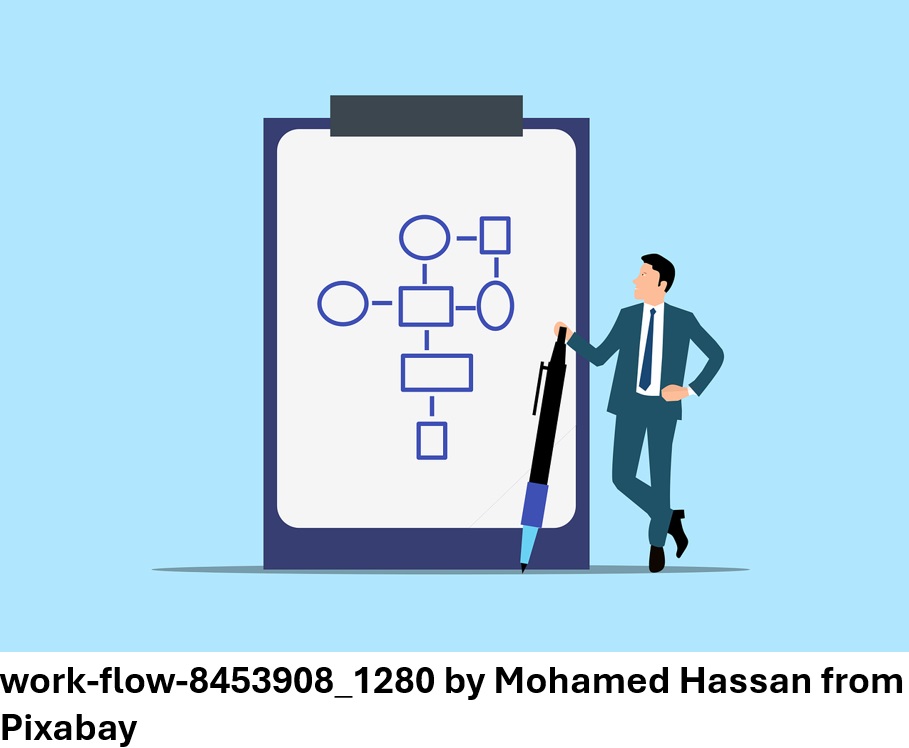
                                            <p class="text-body mb-0 mb-lg-3"> We can describe an algorithm in different ways, such as using everyday language, flow charts, pseudocode, and actual programming languages. Using everyday language is common because it’s easy to understand...</p>
                                        <div class="clearfix">
                        <span class="text-muted fs-sm float-end">
                            15 September 2026
                        </span>
                    </div>
                </div>
            </div>
        </div>
    </a>
    <a href="/digitalsociety/page/56822/32b-components-of-an-algorithm" class="card text-body rounded-0 text-decoration-none" data-turbo-frame="_top" data-turbo="false">
        <div class="card-body">
            <div class="row align-items-start gx-3">
                <div class="col-4 col-lg-3">
                    <div class="rounded overflow-hidden hover-zoom hover-overlay">
        <img
            class="d-block w-100 height-150 object-cover"
            src="https://teacher-sites-storage.inthinking.net/ib/digitalsociety/images/3.2b-components-algorithms/google.jpg"
            alt="3.2B Components of an Algorithm"
        >
    </div>

                </div>
                <div class="col-8 col-lg-9">
                                            <h6 class="text-accent">
                            eBook
                        </h6>
                                        <h5 class="fw-semibold text-primary mb-2 d-flex gap-1 align-items-end">
                        3.2B Components of an Algorithm
                                    

                    </h5>
                                            <p class="text-body mb-0 mb-lg-3"> An algorithm is a step-by-step procedure for solving a problem, consisting of a clear, ordered, and limited sequence of instructions. To carry out these steps in a specific order, we use different control...</p>
                                        <div class="clearfix">
                        <span class="text-muted fs-sm float-end">
                            15 September 2026
                        </span>
                    </div>
                </div>
            </div>
        </div>
    </a>
    <a href="/digitalsociety/page/56765/32a-characteristics-of-an-algorithm" class="card text-body rounded-0 text-decoration-none" data-turbo-frame="_top" data-turbo="false">
        <div class="card-body">
            <div class="row align-items-start gx-3">
                <div class="col-4 col-lg-3">
                    <div class="rounded overflow-hidden hover-zoom hover-overlay">
        <img
            class="d-block w-100 height-150 object-cover"
            src="https://teacher-sites-storage.inthinking.net/ib/digitalsociety/images/3.2a-characteristics-algorithms/alex.jpg"
            alt="3.2A Characteristics of an Algorithm"
        >
    </div>

                </div>
                <div class="col-8 col-lg-9">
                                            <h6 class="text-accent">
                            eBook
                        </h6>
                                        <h5 class="fw-semibold text-primary mb-2 d-flex gap-1 align-items-end">
                        3.2A Characteristics of an Algorithm
                                    

                    </h5>
                                            <p class="text-body mb-0 mb-lg-3"> An algorithm is a set of steps that a computer follows to solve a problem or do calculations. It’s like a recipe that tells the computer exactly what to do, step by step. Formally, an algorithm is a limited...</p>
                                        <div class="clearfix">
                        <span class="text-muted fs-sm float-end">
                            15 September 2026
                        </span>
                    </div>
                </div>
            </div>
        </div>
    </a>
    <a href="/digitalsociety/page/56695/31i-data-dilemmas" class="card text-body rounded-0 text-decoration-none" data-turbo-frame="_top" data-turbo="false">
        <div class="card-body">
            <div class="row align-items-start gx-3">
                <div class="col-4 col-lg-3">
                    <div class="rounded overflow-hidden hover-zoom hover-overlay">
        <img
            class="d-block w-100 height-150 object-cover"
            src="https://teacher-sites-storage.inthinking.net/ib/digitalsociety/images/3.1i-data-dilemmas/karsten.jpg"
            alt="3.1I Data dilemmas"
        >
    </div>

                </div>
                <div class="col-8 col-lg-9">
                                            <h6 class="text-accent">
                            eBook
                        </h6>
                                        <h5 class="fw-semibold text-primary mb-2 d-flex gap-1 align-items-end">
                        3.1I Data dilemmas
                                    

                    </h5>
                                            <p class="text-body mb-0 mb-lg-3"> Conflicts between preventing harm and promoting health and human security through the use of data and digital technologies have resulted in data and digital technology dilemmas. Data can be used to identify...</p>
                                        <div class="clearfix">
                        <span class="text-muted fs-sm float-end">
                            15 September 2026
                        </span>
                    </div>
                </div>
            </div>
        </div>
    </a>
    <a href="/digitalsociety/page/56677/31h-characteristics-and-uses-of-big-data-and-data-analytics" class="card text-body rounded-0 text-decoration-none" data-turbo-frame="_top" data-turbo="false">
        <div class="card-body">
            <div class="row align-items-start gx-3">
                <div class="col-4 col-lg-3">
                    <div class="rounded overflow-hidden hover-zoom hover-overlay">
        <img
            class="d-block w-100 height-150 object-cover"
            src="https://teacher-sites-storage.inthinking.net/ib/digitalsociety/images/3.1g-data-security/mika.jpg"
            alt="3.1H Characteristics and uses of big data and data analytics"
        >
    </div>

                </div>
                <div class="col-8 col-lg-9">
                                            <h6 class="text-accent">
                            eBook
                        </h6>
                                        <h5 class="fw-semibold text-primary mb-2 d-flex gap-1 align-items-end">
                        3.1H Characteristics and uses of big data and data analytics
                                    

                    </h5>
                                            <p class="text-body mb-0 mb-lg-3"> Big data is a term that describes large amounts of data that come in different types (greater variety), in huge quantities (increasing volumes), and at fast speeds (more velocity). These are known as...</p>
                                        <div class="clearfix">
                        <span class="text-muted fs-sm float-end">
                            15 September 2026
                        </span>
                    </div>
                </div>
            </div>
        </div>
    </a>
    <a href="/digitalsociety/page/56620/31g-data-security" class="card text-body rounded-0 text-decoration-none" data-turbo-frame="_top" data-turbo="false">
        <div class="card-body">
            <div class="row align-items-start gx-3">
                <div class="col-4 col-lg-3">
                    <div class="rounded overflow-hidden hover-zoom hover-overlay">
        <img
            class="d-block w-100 height-150 object-cover"
            src="https://teacher-sites-storage.inthinking.net/ib/digitalsociety/images/3.1g-data-security/kings.jpg"
            alt="3.1G Data Security"
        >
    </div>

                </div>
                <div class="col-8 col-lg-9">
                                            <h6 class="text-accent">
                            eBook
                        </h6>
                                        <h5 class="fw-semibold text-primary mb-2 d-flex gap-1 align-items-end">
                        3.1G Data Security
                                    

                    </h5>
                                            <p class="text-body mb-0 mb-lg-3"> Data security is all about keeping digital information safe from unauthorized access, use, or sharing. It also involves protecting data from being messed with or destroyed. Companies are legally required...</p>
                                        <div class="clearfix">
                        <span class="text-muted fs-sm float-end">
                            15 September 2026
                        </span>
                    </div>
                </div>
            </div>
        </div>
    </a>
    <a href="/digitalsociety/page/56614/31f-ways-of-representing-data" class="card text-body rounded-0 text-decoration-none" data-turbo-frame="_top" data-turbo="false">
        <div class="card-body">
            <div class="row align-items-start gx-3">
                <div class="col-4 col-lg-3">
                    <div class="rounded overflow-hidden hover-zoom hover-overlay">
        <img
            class="d-block w-100 height-150 object-cover"
            src="https://teacher-sites-storage.inthinking.net/ib/digitalsociety/images/3.1f-ways-representing-data/campaign3.jpg"
            alt="3.1F Ways of Representing Data"
        >
    </div>

                </div>
                <div class="col-8 col-lg-9">
                                            <h6 class="text-accent">
                            eBook
                        </h6>
                                        <h5 class="fw-semibold text-primary mb-2 d-flex gap-1 align-items-end">
                        3.1F Ways of Representing Data
                                    

                    </h5>
                                            <p class="text-body mb-0 mb-lg-3"> Data can be expressed in various ways like charts, tables, reports, infographics, and many more. It depends on the purpose of the data, and accordingly, the type of graph can be chosen. In this lesson,...</p>
                                        <div class="clearfix">
                        <span class="text-muted fs-sm float-end">
                            15 September 2026
                        </span>
                    </div>
                </div>
            </div>
        </div>
    </a>
    <a href="/digitalsociety/page/56462/31e-ways-to-collect-and-organize-data" class="card text-body rounded-0 text-decoration-none" data-turbo-frame="_top" data-turbo="false">
        <div class="card-body">
            <div class="row align-items-start gx-3">
                <div class="col-4 col-lg-3">
                    <div class="rounded overflow-hidden hover-zoom hover-overlay">
        <img
            class="d-block w-100 height-150 object-cover"
            src="https://teacher-sites-storage.inthinking.net/ib/digitalsociety/images/3.1e-ways-to-collect/milan.jpg"
            alt="3.1E Ways to Collect and Organize Data"
        >
    </div>

                </div>
                <div class="col-8 col-lg-9">
                                            <h6 class="text-accent">
                            eBook
                        </h6>
                                        <h5 class="fw-semibold text-primary mb-2 d-flex gap-1 align-items-end">
                        3.1E Ways to Collect and Organize Data
                                    

                    </h5>
                                            <p class="text-body mb-0 mb-lg-3"> Data can be collected and analyzed using various methods.Researchers can use surveys, focus groups, interviews, and questionnaires to gather information.Once the data is collected, the next step is to...</p>
                                        <div class="clearfix">
                        <span class="text-muted fs-sm float-end">
                            15 September 2026
                        </span>
                    </div>
                </div>
            </div>
        </div>
    </a>
    <a href="/digitalsociety/page/56461/31d-data-life-cycle" class="card text-body rounded-0 text-decoration-none" data-turbo-frame="_top" data-turbo="false">
        <div class="card-body">
            <div class="row align-items-start gx-3">
                <div class="col-4 col-lg-3">
                    <div class="rounded overflow-hidden hover-zoom hover-overlay">
        <img
            class="d-block w-100 height-150 object-cover"
            src="https://teacher-sites-storage.inthinking.net/ib/digitalsociety/images/3.1-d-data-life-cycle/life_cycle.jpg"
            alt="3.1D Data Life Cycle"
        >
    </div>

                </div>
                <div class="col-8 col-lg-9">
                                            <h6 class="text-accent">
                            eBook
                        </h6>
                                        <h5 class="fw-semibold text-primary mb-2 d-flex gap-1 align-items-end">
                        3.1D Data Life Cycle
                                    

                    </h5>
                                            <p class="text-body mb-0 mb-lg-3"> The data lifecycle describes the various stages data goes through, from its initial collection to when it's no longer useful and is deleted. It's a continuous process guided by policies, with each stage...</p>
                                        <div class="clearfix">
                        <span class="text-muted fs-sm float-end">
                            15 September 2026
                        </span>
                    </div>
                </div>
            </div>
        </div>
    </a>
    <a href="/digitalsociety/page/56323/31c-uses-of-data" class="card text-body rounded-0 text-decoration-none" data-turbo-frame="_top" data-turbo="false">
        <div class="card-body">
            <div class="row align-items-start gx-3">
                <div class="col-4 col-lg-3">
                    <div class="rounded overflow-hidden hover-zoom hover-overlay">
        <img
            class="d-block w-100 height-150 object-cover"
            src="https://teacher-sites-storage.inthinking.net/ib/digitalsociety/images/3.1c-uses-of-data/luke.jpg"
            alt="3.1C Uses of Data"
        >
    </div>

                </div>
                <div class="col-8 col-lg-9">
                                            <h6 class="text-accent">
                            eBook
                        </h6>
                                        <h5 class="fw-semibold text-primary mb-2 d-flex gap-1 align-items-end">
                        3.1C Uses of Data
                                    

                    </h5>
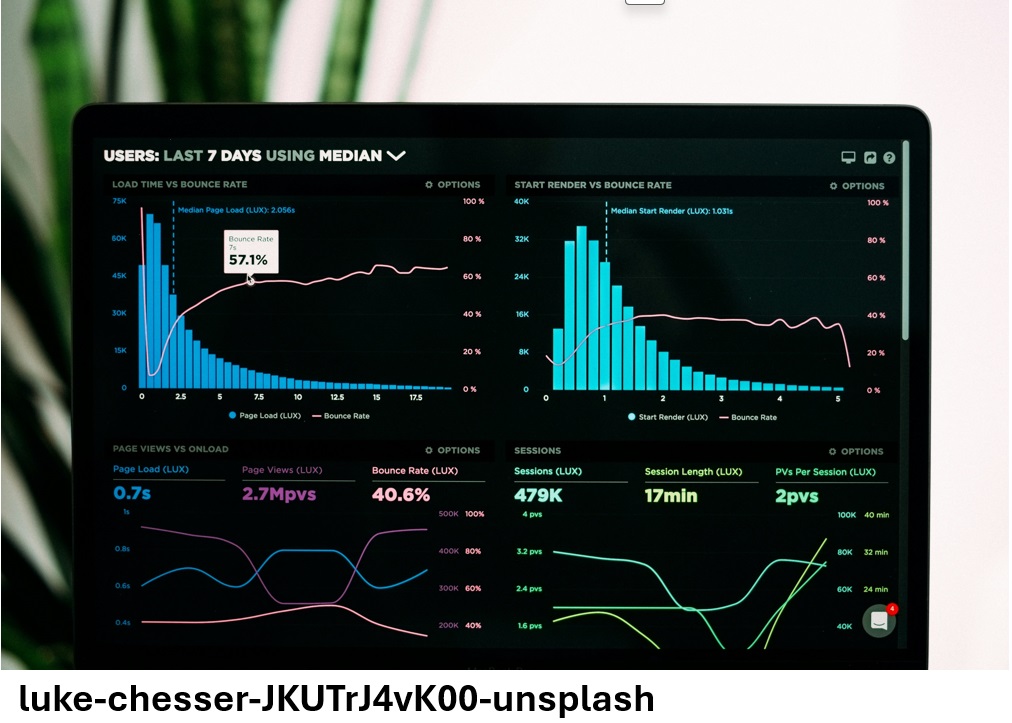
                                            <p class="text-body mb-0 mb-lg-3"> There are many types, uses and ways of representing data.   In this lesson, you will be introduced to different uses of data: Data trends, data patterns, data connections, data relationships, and measurable...</p>
                                        <div class="clearfix">
                        <span class="text-muted fs-sm float-end">
                            15 September 2026
                        </span>
                    </div>
                </div>
            </div>
        </div>
    </a>


    </template>
</turbo-stream>

    <turbo-stream action="update" target="load-more">
        <template>
            <div class="d-flex justify-content-center my-3">
    <a href="/digitalsociety/latest-updates?page=9" class="btn btn-secondary loader">
        <i class="fa-regular fa-circle-plus"></i>
        Load more
    </a>
    <div class="spinner-border load-more text-primary" role="status">
        <span class="visually-hidden">Loading...</span>
    </div>
</div>

        </template>
    </turbo-stream>