Latest updates

eBook
HOT OFF THE PRESS Free
WATCH THIS SPACE for burning issues and real-world events! NEW posts every week on Wednesday related to topics in the Digital Society Guide. Each post will be available for two months. HOT OFF THE PRESS...

eBook
2.0 Digital Society Concepts Free
According to the IB Digital Society Guide, “Concepts are powerful, pervasive and debatable perspectives that provide insight for inquiry.” In another words, Concepts are big ideas that help us explore...
eBook
5.0B How to Approach HL Challenges and Interventions through Extended Inquiry
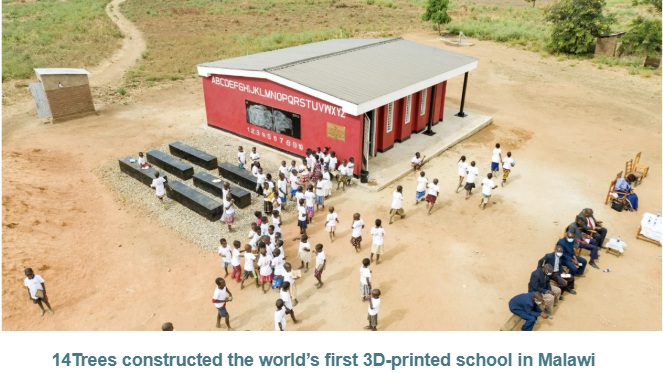
Challenges and Interventions through Extended Inquiry Throughout Section 5, the investigation into HL Challenges and Interventions will be guided by analyzing real-world examples using the stages in Extended...
Course Orientation
1.1.0 Teaching the Digital Society Course
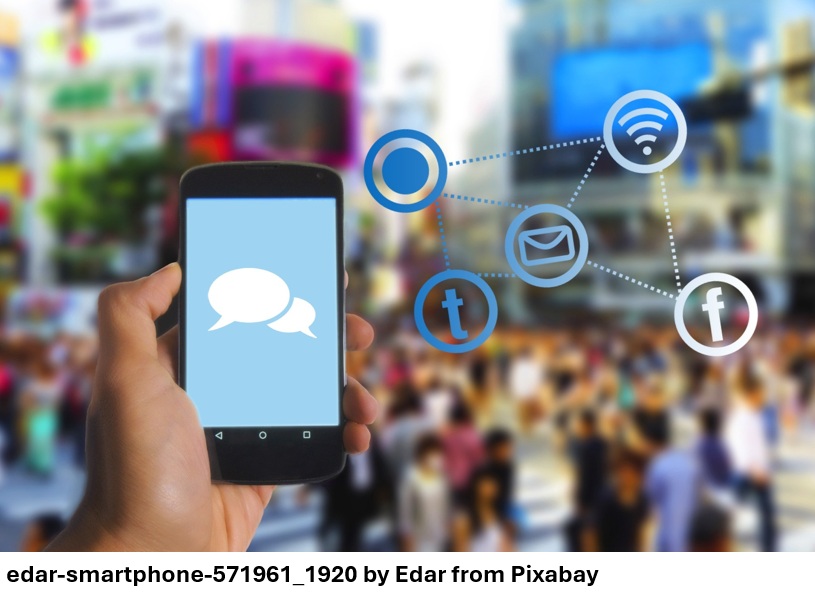
Unlike many traditional courses, Digital Society is not meant to be taught strictly in a sequential way. In most subjects, teachers and students follow a textbook from beginning to end. In Digital Society,...

eBook
1.1 What is Digital Society?
In one sentence, how can we concisely define what the Digital Society course is all about? One possible statement is: However, it is important to examine the details related to our ‘working’ definition...

eBook
4.7C Families and relationships
Family communication plays a central role in shaping relationships and individuals’ psychosocial development. Yet the rapid expansion of digital technologies has transformed how families interact, bringing...
eBook
4.7B Social class
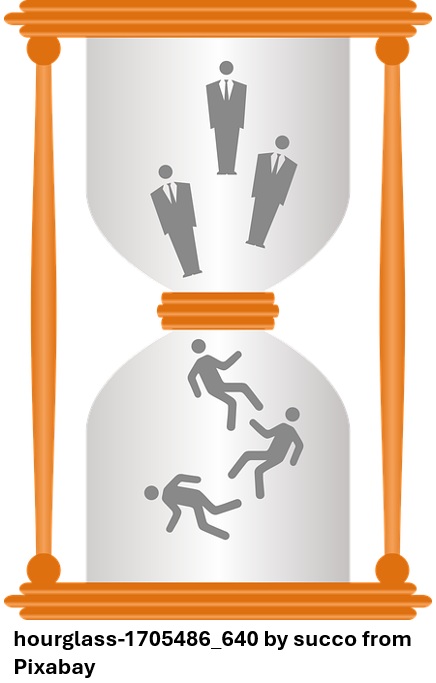
Social class is a way of grouping people in society based on their socioeconomic status. This usually includes factors such as income, wealth, education, occupation, and access to power or social prestige....
eBook
4.7A Social components of identity
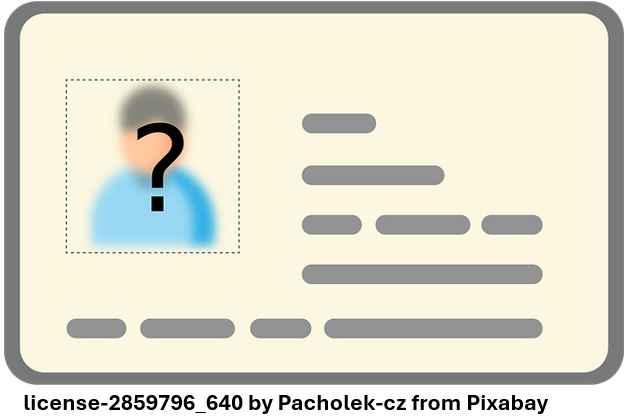
Personal identity is what makes each person unique. It includes all the different parts of who we are — such as our age, ethnicity, gender, religion, and socioeconomic background. It also includes our...

eBook
4.6D Laws, regulations and policies
In this lesson, you will explore how cybercriminals use advances in digital technology to commit crimes and profit from illegal activities such as theft, fraud, and extortion. You will also learn how...

eBook
1.0 Introduction to Digital Society
Welcome to the study of Digital Society. This course is very different from other International Baccalaureate subjects because of the pace at which changes in a digital society take place and their immediate...