<turbo-stream action="append" target="section-items">
    <template>
            <a href="/computerscience/page/59559/a-222-servers-hl-only" class="card text-body rounded-0 text-decoration-none" data-turbo-frame="_top" data-turbo="false">
        <div class="card-body">
            <div class="row align-items-start gx-3">
                <div class="col-4 col-lg-3">
                    <div class="rounded overflow-hidden hover-zoom hover-overlay">
        <img
            class="d-block w-100 height-150 object-cover"
            src="https://teacher-sites-storage.inthinking.net/ib/computerscience/2025/theme-a--concepts-of-computer-science/a2-networks/a2.2-network-architecture/server.png"
            alt="A 2.2.2 Servers (HL only)"
        >
    </div>

                </div>
                <div class="col-8 col-lg-9">
                                            <h6 class="text-accent">
                            Teacher Resources (new)
                        </h6>
                                        <h5 class="fw-semibold text-primary mb-2 d-flex gap-1 align-items-end">
                        A 2.2.2 Servers (HL only)
                                    

                    </h5>
                                            <p class="text-body mb-0 mb-lg-3"> Servers are specialised computers that provide various services to network users, like hosting websites, storing files, and managing email. Different server types perform specific functions, and factors...</p>
                                        <div class="clearfix">
                        <span class="text-muted fs-sm float-end">
                            28 February 2025
                        </span>
                    </div>
                </div>
            </div>
        </div>
    </a>
    <a href="/computerscience/page/59557/a-221-network-topologies" class="card text-body rounded-0 text-decoration-none" data-turbo-frame="_top" data-turbo="false">
        <div class="card-body">
            <div class="row align-items-start gx-3">
                <div class="col-4 col-lg-3">
                    <div class="rounded overflow-hidden hover-zoom hover-overlay">
        <img
            class="d-block w-100 height-150 object-cover"
            src="https://teacher-sites-storage.inthinking.net/ib/computerscience/2025/theme-a--concepts-of-computer-science/a2-networks/a2.2-network-architecture/star.png"
            alt="A 2.2.1 Network Topologies"
        >
    </div>

                </div>
                <div class="col-8 col-lg-9">
                                            <h6 class="text-accent">
                            Teacher Resources (new)
                        </h6>
                                        <h5 class="fw-semibold text-primary mb-2 d-flex gap-1 align-items-end">
                        A 2.2.1 Network Topologies
                                    

                    </h5>
                                            <p class="text-body mb-0 mb-lg-3"> Network topology describes how devices connect in a network. Common types include star (central hub), mesh (fully interconnected), and hybrid (mix of topologies). Factors like cost, speed, and reliability...</p>
                                        <div class="clearfix">
                        <span class="text-muted fs-sm float-end">
                            28 February 2025
                        </span>
                    </div>
                </div>
            </div>
        </div>
    </a>
    <a href="/computerscience/page/59552/a-215-tcpip-hl-only" class="card text-body rounded-0 text-decoration-none" data-turbo-frame="_top" data-turbo="false">
        <div class="card-body">
            <div class="row align-items-start gx-3">
                <div class="col-4 col-lg-3">
                    <div class="rounded overflow-hidden hover-zoom hover-overlay">
        <img
            class="d-block w-100 height-150 object-cover"
            src="https://teacher-sites-storage.inthinking.net/ib/computerscience/2025/theme-a--concepts-of-computer-science/a2-networks/a2.1-network-fundamentals/a-2.1.5-data-transmission.jpg"
            alt="A 2.1.5 TCP/IP (HL Only)"
        >
    </div>

                </div>
                <div class="col-8 col-lg-9">
                                            <h6 class="text-accent">
                            Teacher Resources (new)
                        </h6>
                                        <h5 class="fw-semibold text-primary mb-2 d-flex gap-1 align-items-end">
                        A 2.1.5 TCP/IP (HL Only)
                                    

                    </h5>
                                            <p class="text-body mb-0 mb-lg-3"> The TCP/IP model is the foundation of Internet communication, dividing the process into four layers: Application, Transport, Internet, and Network Interface. Each layer plays a crucial role, from enabling...</p>
                                        <div class="clearfix">
                        <span class="text-muted fs-sm float-end">
                            28 February 2025
                        </span>
                    </div>
                </div>
            </div>
        </div>
    </a>
    <a href="/computerscience/page/59548/a-214-network-protocols" class="card text-body rounded-0 text-decoration-none" data-turbo-frame="_top" data-turbo="false">
        <div class="card-body">
            <div class="row align-items-start gx-3">
                <div class="col-4 col-lg-3">
                    <div class="rounded overflow-hidden hover-zoom hover-overlay">
        <img
            class="d-block w-100 height-150 object-cover"
            src="https://teacher-sites-storage.inthinking.net/ib/computerscience/2025/theme-a--concepts-of-computer-science/a2-networks/a2.1-network-fundamentals/networkprotocol.png"
            alt="A 2.1.4 Network Protocols"
        >
    </div>

                </div>
                <div class="col-8 col-lg-9">
                                            <h6 class="text-accent">
                            Teacher Resources (new)
                        </h6>
                                        <h5 class="fw-semibold text-primary mb-2 d-flex gap-1 align-items-end">
                        A 2.1.4 Network Protocols
                                    

                    </h5>
                                            <p class="text-body mb-0 mb-lg-3"> Network protocols are the languages of the digital world, enabling devices to communicate. TCP ensures reliable data delivery, while UDP prioritizes speed. HTTP and HTTPS govern web communication, with...</p>
                                        <div class="clearfix">
                        <span class="text-muted fs-sm float-end">
                            28 February 2025
                        </span>
                    </div>
                </div>
            </div>
        </div>
    </a>
    <a href="/computerscience/page/59503/a-211-network-characteristics" class="card text-body rounded-0 text-decoration-none" data-turbo-frame="_top" data-turbo="false">
        <div class="card-body">
            <div class="row align-items-start gx-3">
                <div class="col-4 col-lg-3">
                    <div class="rounded overflow-hidden hover-zoom hover-overlay">
        <img
            class="d-block w-100 height-150 object-cover"
            src="https://teacher-sites-storage.inthinking.net/ib/computerscience/2025/theme-a--concepts-of-computer-science/a2-networks/a2.1-network-fundamentals/network.jpg"
            alt="A 2.1.1 Network Characteristics"
        >
    </div>

                </div>
                <div class="col-8 col-lg-9">
                                            <h6 class="text-accent">
                            Teacher Resources (new)
                        </h6>
                                        <h5 class="fw-semibold text-primary mb-2 d-flex gap-1 align-items-end">
                        A 2.1.1 Network Characteristics
                                    

                    </h5>
                                            <p class="text-body mb-0 mb-lg-3"> Networks connect devices for communication, resource sharing, and information access. They vary in size, from LANs (local) to WANs (wide), with PANs for personal use and VPNs for secure connections. Key...</p>
                                        <div class="clearfix">
                        <span class="text-muted fs-sm float-end">
                            28 February 2025
                        </span>
                    </div>
                </div>
            </div>
        </div>
    </a>
    <a href="/computerscience/page/60694/a-233-packet-switching" class="card text-body rounded-0 text-decoration-none" data-turbo-frame="_top" data-turbo="false">
        <div class="card-body">
            <div class="row align-items-start gx-3">
                <div class="col-4 col-lg-3">
                    <div class="rounded overflow-hidden hover-zoom hover-overlay">
        <img
            class="d-block w-100 height-150 object-cover"
            src="https://teacher-sites-storage.inthinking.net/ib/computerscience/2025/theme-a--concepts-of-computer-science/a2-networks/a2.3-data-transmissions/packets.png"
            alt="A 2.3.3 Packet Switching"
        >
    </div>

                </div>
                <div class="col-8 col-lg-9">
                                            <h6 class="text-accent">
                            Teacher Resources (new)
                        </h6>
                                        <h5 class="fw-semibold text-primary mb-2 d-flex gap-1 align-items-end">
                        A 2.3.3 Packet Switching
                                    

                    </h5>
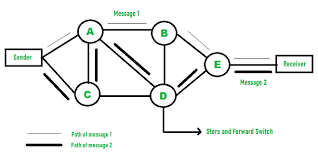
                                            <p class="text-body mb-0 mb-lg-3"> Packet switching involves segmenting data into packets with routing headers attached. These packets are then transmitted independently across the network. At the destination, the data is reassembled....</p>
                                        <div class="clearfix">
                        <span class="text-muted fs-sm float-end">
                            28 February 2025
                        </span>
                    </div>
                </div>
            </div>
        </div>
    </a>
    <a href="/computerscience/page/60721/a-234-static-and-dynamic-routing-hl-only" class="card text-body rounded-0 text-decoration-none" data-turbo-frame="_top" data-turbo="false">
        <div class="card-body">
            <div class="row align-items-start gx-3">
                <div class="col-4 col-lg-3">
                    <div class="rounded overflow-hidden hover-zoom hover-overlay">
        <img
            class="d-block w-100 height-150 object-cover"
            src="https://teacher-sites-storage.inthinking.net/ib/computerscience/2025/theme-a--concepts-of-computer-science/a2-networks/a2.3-data-transmissions/routing.png"
            alt="A 2.3.4 Static and Dynamic Routing (HL Only)"
        >
    </div>

                </div>
                <div class="col-8 col-lg-9">
                                            <h6 class="text-accent">
                            Teacher Resources (new)
                        </h6>
                                        <h5 class="fw-semibold text-primary mb-2 d-flex gap-1 align-items-end">
                        A 2.3.4 Static and Dynamic Routing (HL Only)
                                    

                    </h5>
                                            <p class="text-body mb-0 mb-lg-3"> Thinking: Critical thinking, analyzing, comparing and contrasting, evaluating, and decision-making.Communication: Explaining complex concepts, collaborating in groups, and presenting information effectively.Research:...</p>
                                        <div class="clearfix">
                        <span class="text-muted fs-sm float-end">
                            28 February 2025
                        </span>
                    </div>
                </div>
            </div>
        </div>
    </a>
    <a href="/computerscience/page/60669/a-231-ip-addressing" class="card text-body rounded-0 text-decoration-none" data-turbo-frame="_top" data-turbo="false">
        <div class="card-body">
            <div class="row align-items-start gx-3">
                <div class="col-4 col-lg-3">
                    <div class="rounded overflow-hidden hover-zoom hover-overlay">
        <img
            class="d-block w-100 height-150 object-cover"
            src="https://teacher-sites-storage.inthinking.net/ib/computerscience/2025/theme-a--concepts-of-computer-science/a2-networks/a2.3-data-transmissions/ipaddress.png"
            alt="A 2.3.1 IP Addressing"
        >
    </div>

                </div>
                <div class="col-8 col-lg-9">
                                            <h6 class="text-accent">
                            Teacher Resources (new)
                        </h6>
                                        <h5 class="fw-semibold text-primary mb-2 d-flex gap-1 align-items-end">
                        A 2.3.1 IP Addressing
                                    

                    </h5>
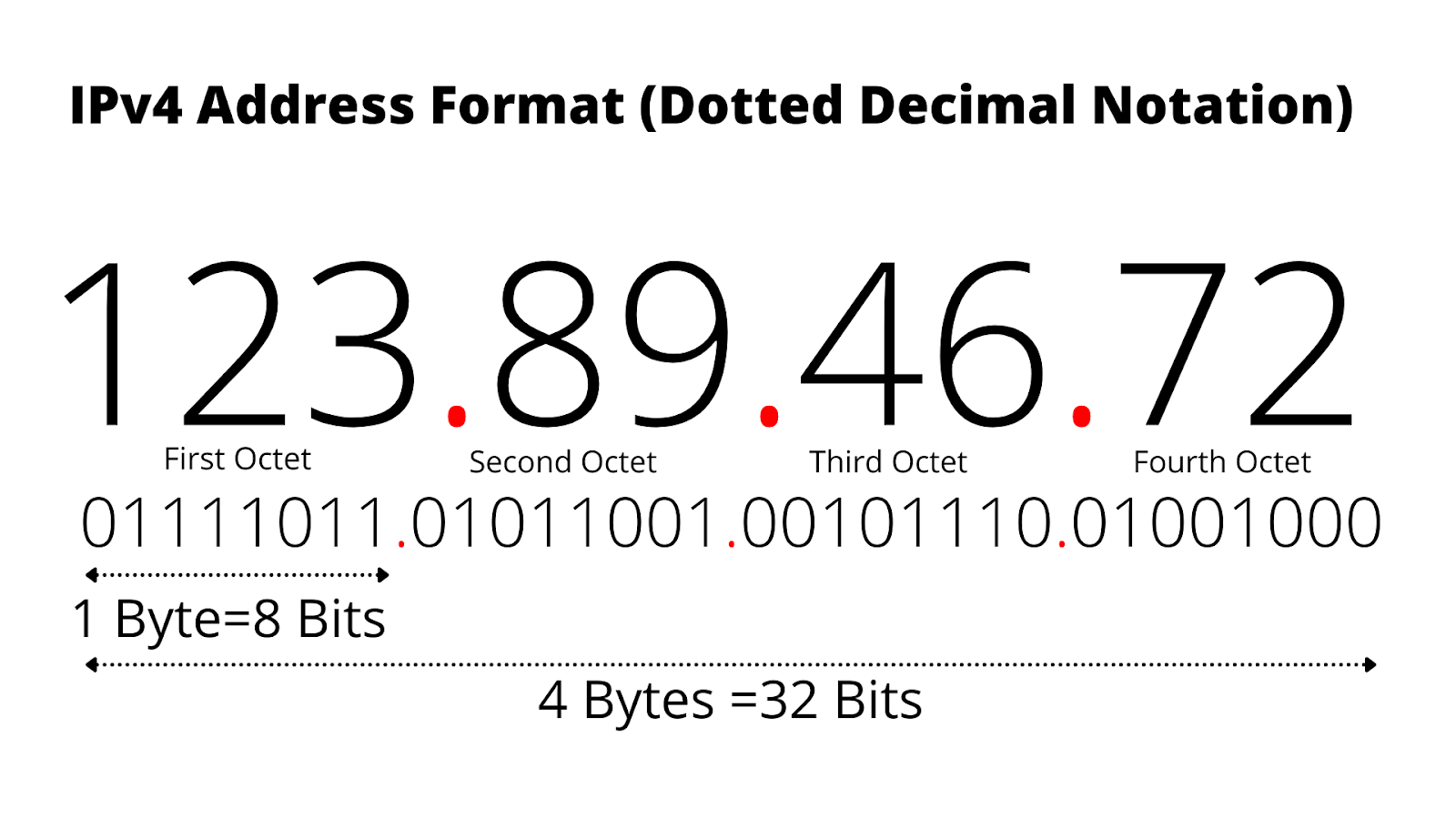
                                            <p class="text-body mb-0 mb-lg-3"> Dive into the world of IP addressing! Learn about IPv4, IPv6, public vs. private, and static vs. dynamic addresses. Discover how Network Address Translation (NAT) conserves IP addresses and enhances security....</p>
                                        <div class="clearfix">
                        <span class="text-muted fs-sm float-end">
                            28 February 2025
                        </span>
                    </div>
                </div>
            </div>
        </div>
    </a>
    <a href="/computerscience/page/60700/12-system-design-basics-answers" class="card text-body rounded-0 text-decoration-none" data-turbo-frame="_top" data-turbo="false">
        <div class="card-body">
            <div class="row align-items-start gx-3">
                <div class="col-4 col-lg-3">
                    <div class="rounded overflow-hidden hover-zoom hover-overlay">
        <img
            class="d-block w-100 height-150 object-cover"
            src="https://teacher-sites-storage.inthinking.net/subject/generic/44/04.jpg?v=1790338362"
            alt="1.2 System Design Basics - Answers"
        >
    </div>

                </div>
                <div class="col-8 col-lg-9">
                                            <h6 class="text-accent">
                            Activities
                        </h6>
                                        <h5 class="fw-semibold text-primary mb-2 d-flex gap-1 align-items-end">
                        1.2 System Design Basics - Answers
                                    

                    </h5>
                                            <p class="text-body mb-0 mb-lg-3"> 1. Major Stakeholders: Passengers: The primary users of the travel card system.Transport Operators: The companies or organizations responsible for operating the different forms of public transport.City...</p>
                                        <div class="clearfix">
                        <span class="text-muted fs-sm float-end">
                            26 February 2025
                        </span>
                    </div>
                </div>
            </div>
        </div>
    </a>
    <a href="/computerscience/page/21108/topic-51-thinking-recursively-answers" class="card text-body rounded-0 text-decoration-none" data-turbo-frame="_top" data-turbo="false">
        <div class="card-body">
            <div class="row align-items-start gx-3">
                <div class="col-4 col-lg-3">
                    <div class="rounded overflow-hidden hover-zoom hover-overlay">
        <img
            class="d-block w-100 height-150 object-cover"
            src="https://teacher-sites-storage.inthinking.net/ib/computerscience/topic-5---abstract-data-structures/exercises/bintree.png"
            alt="Topic 5.1 - Thinking Recursively - Answers"
        >
    </div>

                </div>
                <div class="col-8 col-lg-9">
                                            <h6 class="text-accent">
                            Activities
                        </h6>
                                        <h5 class="fw-semibold text-primary mb-2 d-flex gap-1 align-items-end">
                        Topic 5.1 - Thinking Recursively - Answers
                                    

                    </h5>
                                            <p class="text-body mb-0 mb-lg-3"> Remember: Parts of a Recursive Algorithm All recursive algorithms must have the following: The "work toward base case" is where we make the problem simpler. The recursive call, is where we use the same...</p>
                                        <div class="clearfix">
                        <span class="text-muted fs-sm float-end">
                            26 February 2025
                        </span>
                    </div>
                </div>
            </div>
        </div>
    </a>


    </template>
</turbo-stream>

    <turbo-stream action="update" target="load-more">
        <template>
            <div class="d-flex justify-content-center my-3">
    <a href="/computerscience/latest-updates?page=91" class="btn btn-secondary loader">
        <i class="fa-regular fa-circle-plus"></i>
        Load more
    </a>
    <div class="spinner-border load-more text-primary" role="status">
        <span class="visually-hidden">Loading...</span>
    </div>
</div>

        </template>
    </turbo-stream>