<turbo-stream action="append" target="section-items">
    <template>
            <a href="/computerscience/page/69954/a-136-to-a-137-control-systems-and-their-applications-hl-only" class="card text-body rounded-0 text-decoration-none" data-turbo-frame="_top" data-turbo="false">
        <div class="card-body">
            <div class="row align-items-start gx-3">
                <div class="col-4 col-lg-3">
                    <div class="rounded overflow-hidden hover-zoom hover-overlay">
        <img
            class="d-block w-100 height-150 object-cover"
            src="https://teacher-sites-storage.inthinking.net/ib/computerscience/2025/theme-a--concepts-of-computer-science/a1-computer-fundamentals/a1.3-operating-systems-and-control-systems/feedback.png"
            alt="A 1.3.6 to A 1.3.7 Control Systems and Their Applications (HL only)"
        >
    </div>

                </div>
                <div class="col-8 col-lg-9">
                                            <h6 class="text-accent">
                            Teacher Resources (new)
                        </h6>
                                        <h5 class="fw-semibold text-primary mb-2 d-flex gap-1 align-items-end">
                        A 1.3.6 to A 1.3.7 Control Systems and Their Applications (HL only)
                                    

                    </h5>
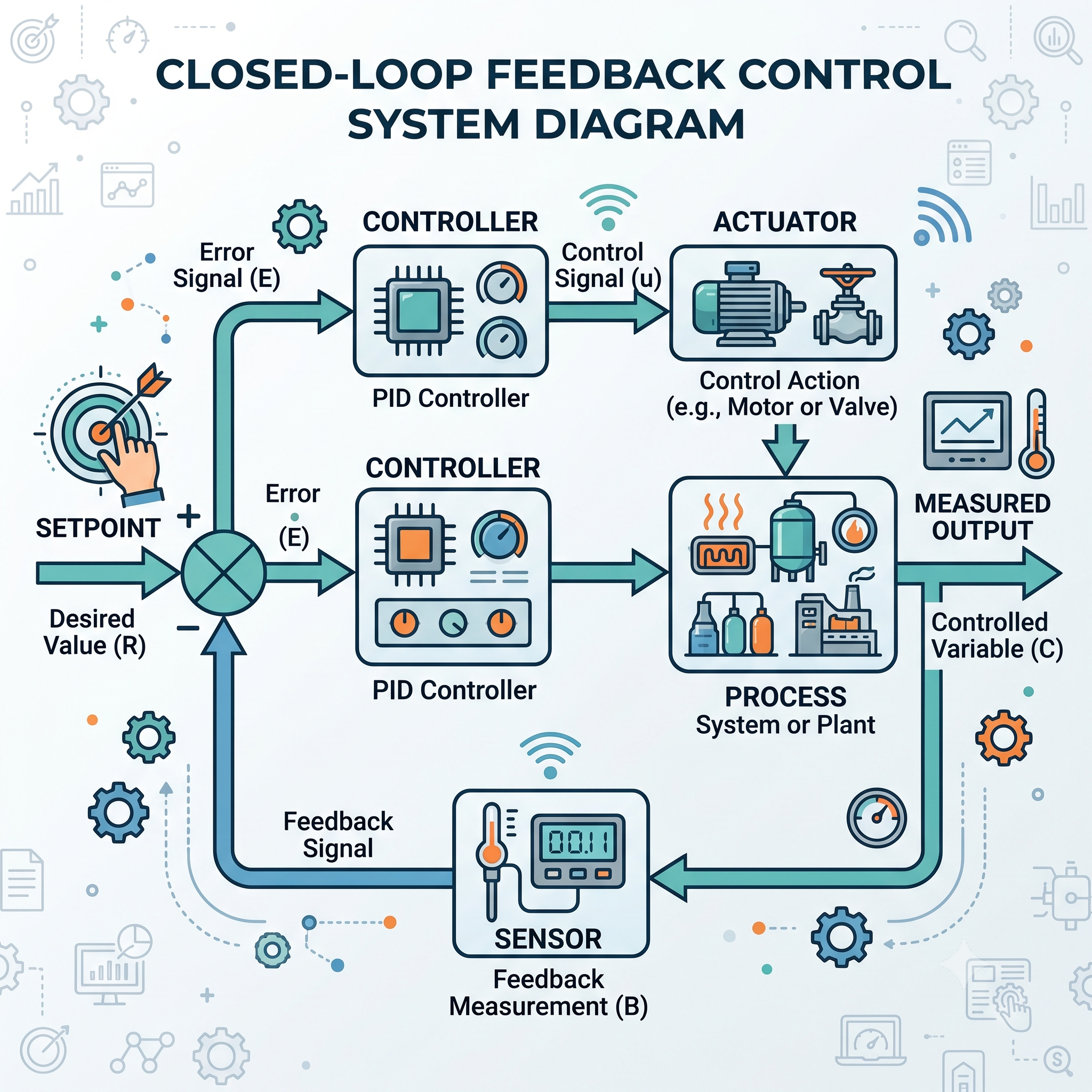
                                            <p class="text-body mb-0 mb-lg-3"> A control system measures what is happening, compares it against a target and acts to reduce the difference, a single loop that sits behind a thermostat holding a room at 20°C and behind a self-driving...</p>
                                        <div class="clearfix">
                        <span class="text-muted fs-sm float-end">
                            13 August 2026
                        </span>
                    </div>
                </div>
            </div>
        </div>
    </a>
    <a href="/computerscience/page/69951/a-133-comparing-approaches-to-scheduling-sl-and-hl" class="card text-body rounded-0 text-decoration-none" data-turbo-frame="_top" data-turbo="false">
        <div class="card-body">
            <div class="row align-items-start gx-3">
                <div class="col-4 col-lg-3">
                    <div class="rounded overflow-hidden hover-zoom hover-overlay">
        <img
            class="d-block w-100 height-150 object-cover"
            src="https://teacher-sites-storage.inthinking.net/ib/computerscience/2025/theme-a--concepts-of-computer-science/a1-computer-fundamentals/a1.3-operating-systems-and-control-systems/scheduling1.png"
            alt="A 1.3.3 Comparing Approaches to Scheduling (SL and HL)"
        >
    </div>

                </div>
                <div class="col-8 col-lg-9">
                                            <h6 class="text-accent">
                            Teacher Resources (new)
                        </h6>
                                        <h5 class="fw-semibold text-primary mb-2 d-flex gap-1 align-items-end">
                        A 1.3.3 Comparing Approaches to Scheduling (SL and HL)
                                    

                    </h5>
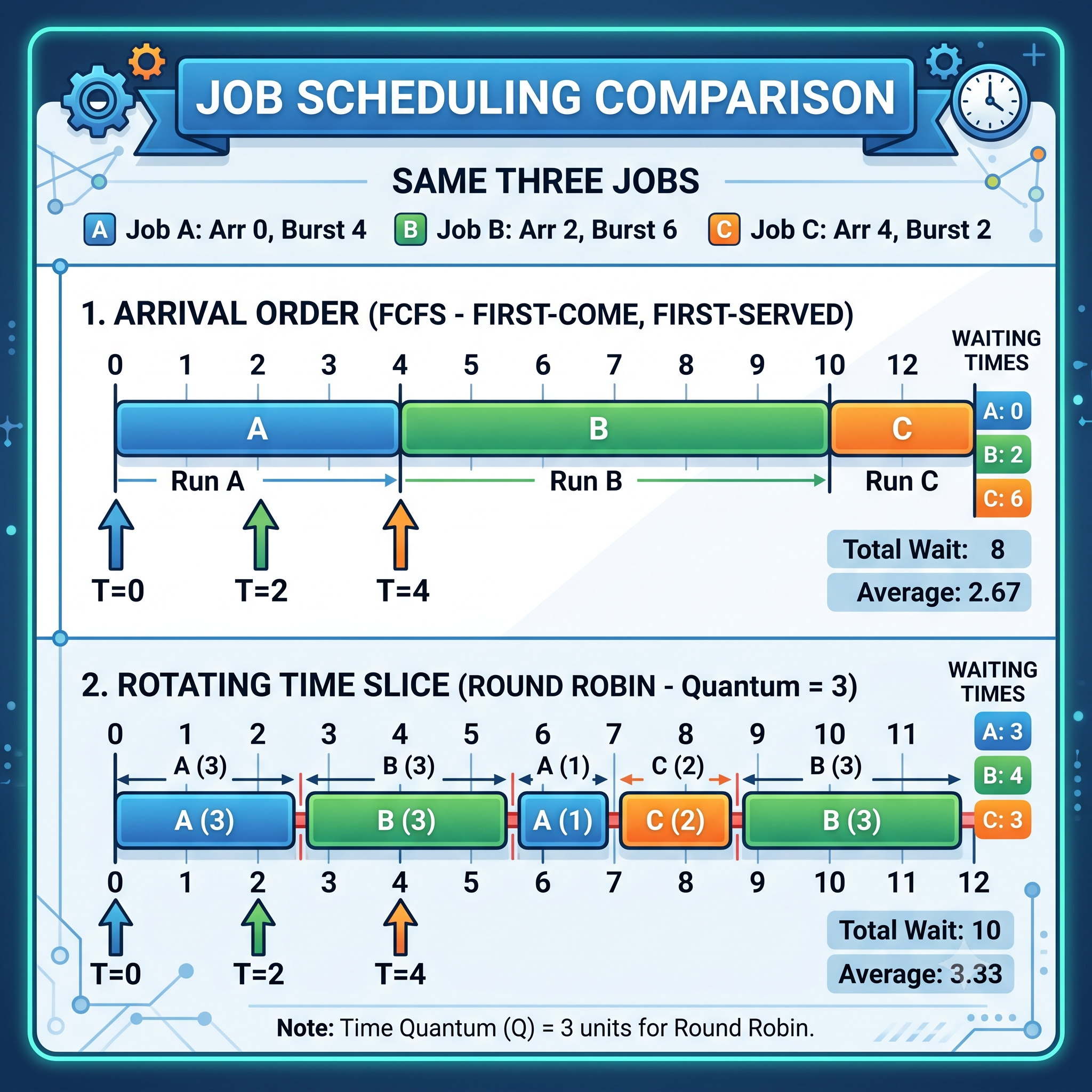
                                            <p class="text-body mb-0 mb-lg-3"> When several processes are ready at once, only one can use the processor, so the operating system has to choose an order, and that choice changes how long users wait and how much time is lost switching...</p>
                                        <div class="clearfix">
                        <span class="text-muted fs-sm float-end">
                            13 August 2026
                        </span>
                    </div>
                </div>
            </div>
        </div>
    </a>
    <a href="/computerscience/page/69670/a-131-to-a-132-the-role-and-functions-of-the-operating-system" class="card text-body rounded-0 text-decoration-none" data-turbo-frame="_top" data-turbo="false">
        <div class="card-body">
            <div class="row align-items-start gx-3">
                <div class="col-4 col-lg-3">
                    <div class="rounded overflow-hidden hover-zoom hover-overlay">
        <img
            class="d-block w-100 height-150 object-cover"
            src="https://teacher-sites-storage.inthinking.net/ib/computerscience/2025/theme-a--concepts-of-computer-science/a1-computer-fundamentals/a1.3-operating-systems-and-control-systems/os.jpg"
            alt="A 1.3.1 to A 1.3.2 The Role and Functions of the Operating System"
        >
    </div>

                </div>
                <div class="col-8 col-lg-9">
                                            <h6 class="text-accent">
                            Teacher Resources (new)
                        </h6>
                                        <h5 class="fw-semibold text-primary mb-2 d-flex gap-1 align-items-end">
                        A 1.3.1 to A 1.3.2 The Role and Functions of the Operating System
                                    

                    </h5>
                                            <p class="text-body mb-0 mb-lg-3"> Explore the core role of operating systems (OS) in managing computer resources like memory and processors. Learn how they simplify interaction with hardware, ensuring efficient operation. We'll cover...</p>
                                        <div class="clearfix">
                        <span class="text-muted fs-sm float-end">
                            13 August 2026
                        </span>
                    </div>
                </div>
            </div>
        </div>
    </a>
    <a href="/computerscience/page/59492/a-141-translation" class="card text-body rounded-0 text-decoration-none" data-turbo-frame="_top" data-turbo="false">
        <div class="card-body">
            <div class="row align-items-start gx-3">
                <div class="col-4 col-lg-3">
                    <div class="rounded overflow-hidden hover-zoom hover-overlay">
        <img
            class="d-block w-100 height-150 object-cover"
            src="https://teacher-sites-storage.inthinking.net/ib/computerscience/2025/theme-a--concepts-of-computer-science/a1-computer-fundamentals/a1.4-translation/bytecode.jpg"
            alt="A 1.4.1 Translation"
        >
    </div>

                </div>
                <div class="col-8 col-lg-9">
                                            <h6 class="text-accent">
                            Teacher Resources (new)
                        </h6>
                                        <h5 class="fw-semibold text-primary mb-2 d-flex gap-1 align-items-end">
                        A 1.4.1 Translation
                                    

                    </h5>
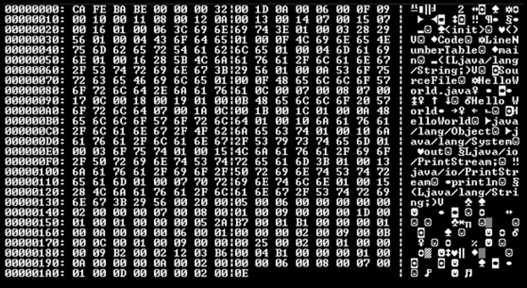
                                            <p class="text-body mb-0 mb-lg-3"> A1.4.1 is an evaluate statement: students judge which translation process suits a given job, not only describe how each one works. The lesson covers interpreters and compilers, along with the two hybrids...</p>
                                        <div class="clearfix">
                        <span class="text-muted fs-sm float-end">
                            13 August 2026
                        </span>
                    </div>
                </div>
            </div>
        </div>
    </a>
    <a href="/computerscience/page/58806/a-123-logic-gates" class="card text-body rounded-0 text-decoration-none" data-turbo-frame="_top" data-turbo="false">
        <div class="card-body">
            <div class="row align-items-start gx-3">
                <div class="col-4 col-lg-3">
                    <div class="rounded overflow-hidden hover-zoom hover-overlay">
        <img
            class="d-block w-100 height-150 object-cover"
            src="https://teacher-sites-storage.inthinking.net/ib/computerscience/2025/theme-a--concepts-of-computer-science/a1-computer-fundamentals/a1.2-data-representation-and-computer-logic/xor.png"
            alt="A 1.2.3 Logic Gates"
        >
    </div>

                </div>
                <div class="col-8 col-lg-9">
                                            <h6 class="text-accent">
                            Teacher Resources (new)
                        </h6>
                                        <h5 class="fw-semibold text-primary mb-2 d-flex gap-1 align-items-end">
                        A 1.2.3 Logic Gates
                                    

                    </h5>
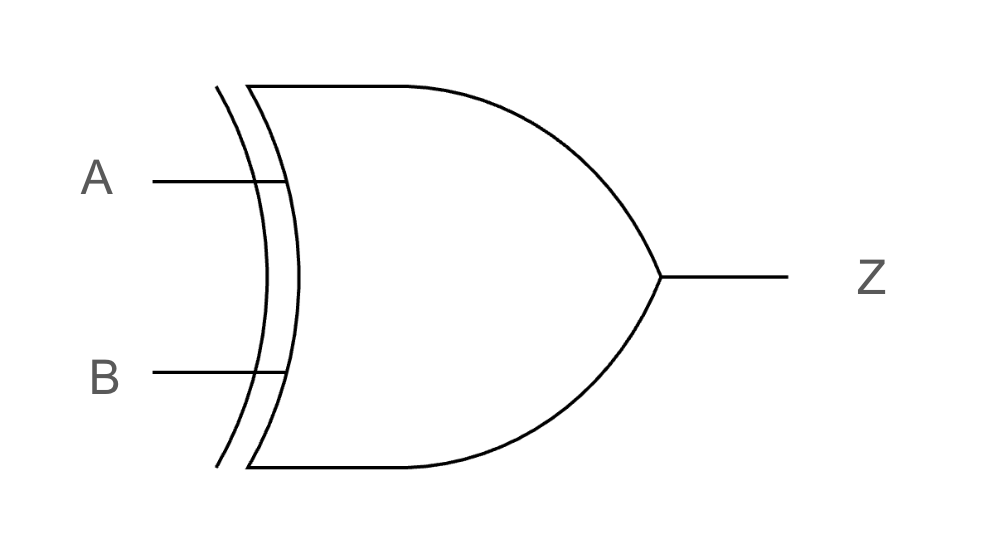
                                            <p class="text-body mb-0 mb-lg-3"> Logic gates are the components that let a computer act on binary signals rather than only store or move them. Each gate takes one or two binary inputs and produces a single output by one fixed rule. This...</p>
                                        <div class="clearfix">
                        <span class="text-muted fs-sm float-end">
                            13 August 2026
                        </span>
                    </div>
                </div>
            </div>
        </div>
    </a>
    <a href="/computerscience/page/69454/a-121-representing-data" class="card text-body rounded-0 text-decoration-none" data-turbo-frame="_top" data-turbo="false">
        <div class="card-body">
            <div class="row align-items-start gx-3">
                <div class="col-4 col-lg-3">
                    <div class="rounded overflow-hidden hover-zoom hover-overlay">
        <img
            class="d-block w-100 height-150 object-cover"
            src="https://teacher-sites-storage.inthinking.net/ib/computerscience/2025/theme-a--concepts-of-computer-science/a1-computer-fundamentals/a1.2-data-representation-and-computer-logic/binarycomputer.jpeg"
            alt="A 1.2.1 Representing Data"
        >
    </div>

                </div>
                <div class="col-8 col-lg-9">
                                            <h6 class="text-accent">
                            Teacher Resources (new)
                        </h6>
                                        <h5 class="fw-semibold text-primary mb-2 d-flex gap-1 align-items-end">
                        A 1.2.1 Representing Data
                                    

                    </h5>
                                            <p class="text-body mb-0 mb-lg-3"> This lesson introduces the number systems used to represent whole numbers: binary and hexadecimal, set against the decimal system students already use. Students describe how each system works by place...</p>
                                        <div class="clearfix">
                        <span class="text-muted fs-sm float-end">
                            13 August 2026
                        </span>
                    </div>
                </div>
            </div>
        </div>
    </a>
    <a href="/computerscience/page/69635/welcome-how-to-use-this-site" class="card text-body rounded-0 text-decoration-none" data-turbo-frame="_top" data-turbo="false">
        <div class="card-body">
            <div class="row align-items-start gx-3">
                <div class="col-4 col-lg-3">
                    <div class="rounded overflow-hidden hover-zoom hover-overlay">
        <img
            class="d-block w-100 height-150 object-cover"
            src="https://teacher-sites-storage.inthinking.net/ib/computerscience/2025/welcome-how-to-use-this-site.png"
            alt="Welcome: how to use this site"
        >
    </div>

                </div>
                <div class="col-8 col-lg-9">
                                            <h6 class="text-accent">
                            Start here
                        </h6>
                                        <h5 class="fw-semibold text-primary mb-2 d-flex gap-1 align-items-end">
                        Welcome: how to use this site
                                    

                    </h5>
                                            <p class="text-body mb-0 mb-lg-3"> Everything on this site sits in six sections, each with a different job: teaching content, practice activities, assessment guidance, and revision. This page explains what each section holds, why parts...</p>
                                        <div class="clearfix">
                        <span class="text-muted fs-sm float-end">
                            10 August 2026
                        </span>
                    </div>
                </div>
            </div>
        </div>
    </a>
    <a href="/computerscience/page/60686/a-24-network-security" class="card text-body rounded-0 text-decoration-none" data-turbo-frame="_top" data-turbo="false">
        <div class="card-body">
            <div class="row align-items-start gx-3">
                <div class="col-4 col-lg-3">
                    <div class="rounded overflow-hidden hover-zoom hover-overlay">
        <img
            class="d-block w-100 height-150 object-cover"
            src="https://teacher-sites-storage.inthinking.net/ib/computerscience/2025/theme-a--concepts-of-computer-science/a2-networks/a2.4-network-security/firewall-1.png"
            alt="A 2.4 Network security"
        >
    </div>

                </div>
                <div class="col-8 col-lg-9">
                                            <h6 class="text-accent">
                            Teacher Resources (new)
                        </h6>
                                        <h5 class="fw-semibold text-primary mb-2 d-flex gap-1 align-items-end">
                        A 2.4 Network security
                                    

                    </h5>
                                            <p class="text-body mb-0 mb-lg-3"> This section covers firewalls, vulnerabilities, countermeasures, and encryption. Firewalls protect networks by inspecting traffic. Common vulnerabilities include DDoS, malware, and SQL injection. Countermeasures...</p>
                                        <div class="clearfix">
                        <span class="text-muted fs-sm float-end">
                            10 August 2026
                        </span>
                    </div>
                </div>
            </div>
        </div>
    </a>
    <a href="/computerscience/page/60683/a-23-data-transmissions" class="card text-body rounded-0 text-decoration-none" data-turbo-frame="_top" data-turbo="false">
        <div class="card-body">
            <div class="row align-items-start gx-3">
                <div class="col-4 col-lg-3">
                    <div class="rounded overflow-hidden hover-zoom hover-overlay">
        <img
            class="d-block w-100 height-150 object-cover"
            src="https://teacher-sites-storage.inthinking.net/ib/computerscience/2025/theme-a--concepts-of-computer-science/a2-networks/a2.3-data-transmissions/wifi.jpeg"
            alt="A 2.3 Data transmissions"
        >
    </div>

                </div>
                <div class="col-8 col-lg-9">
                                            <h6 class="text-accent">
                            Teacher Resources (new)
                        </h6>
                                        <h5 class="fw-semibold text-primary mb-2 d-flex gap-1 align-items-end">
                        A 2.3 Data transmissions
                                    

                    </h5>
                                            <p class="text-body mb-0 mb-lg-3"> This section covers IP addressing, comparing data transmission media (wired/wireless), and packet switching. It includes IPv4/IPv6, public/private/static/dynamic IPs, NAT, bandwidth, cost, range, and...</p>
                                        <div class="clearfix">
                        <span class="text-muted fs-sm float-end">
                            10 August 2026
                        </span>
                    </div>
                </div>
            </div>
        </div>
    </a>
    <a href="/computerscience/page/60668/a-22-network-architecture" class="card text-body rounded-0 text-decoration-none" data-turbo-frame="_top" data-turbo="false">
        <div class="card-body">
            <div class="row align-items-start gx-3">
                <div class="col-4 col-lg-3">
                    <div class="rounded overflow-hidden hover-zoom hover-overlay">
        <img
            class="d-block w-100 height-150 object-cover"
            src="https://teacher-sites-storage.inthinking.net/ib/computerscience/2025/theme-a--concepts-of-computer-science/a2-networks/a2.2-network-architecture/segment.png"
            alt="A 2.2 Network architecture"
        >
    </div>

                </div>
                <div class="col-8 col-lg-9">
                                            <h6 class="text-accent">
                            Teacher Resources (new)
                        </h6>
                                        <h5 class="fw-semibold text-primary mb-2 d-flex gap-1 align-items-end">
                        A 2.2 Network architecture
                                    

                    </h5>
                                            <p class="text-body mb-0 mb-lg-3"> Network architecture encompasses various topologies like star, mesh, and hybrid, each with different strengths and weaknesses. Servers play crucial roles, providing services like DNS, DHCP, and file sharing....</p>
                                        <div class="clearfix">
                        <span class="text-muted fs-sm float-end">
                            10 August 2026
                        </span>
                    </div>
                </div>
            </div>
        </div>
    </a>


    </template>
</turbo-stream>

    <turbo-stream action="update" target="load-more">
        <template>
            <div class="d-flex justify-content-center my-3">
    <a href="/computerscience/latest-updates?page=17" class="btn btn-secondary loader">
        <i class="fa-regular fa-circle-plus"></i>
        Load more
    </a>
    <div class="spinner-border load-more text-primary" role="status">
        <span class="visually-hidden">Loading...</span>
    </div>
</div>

        </template>
    </turbo-stream>