<turbo-stream action="append" target="section-items">
    <template>
            <a href="/biology/blog/21852/internal-assessment-latest-guidance" class="card text-body rounded-0 text-decoration-none" data-turbo-frame="_top" data-turbo="false">
        <div class="card-body">
            <div class="row align-items-start gx-3">
                <div class="col-4 col-lg-3">
                    <div class="rounded overflow-hidden hover-zoom hover-overlay">
        <img
            class="d-block w-100 height-150 object-cover"
            src="https://teacher-sites-storage.inthinking.net/ib/biology/images/blog_images/copper_sulfate_experiment_plants1.jpg"
            alt="Internal Assessment - latest guidance"
        >
    </div>

                </div>
                <div class="col-8 col-lg-9">
                                            <h6 class="text-accent">
                            Blog
                        </h6>
                                        <h5 class="fw-semibold text-primary mb-2 d-flex gap-1 align-items-end">
                        Internal Assessment - latest guidance
                                                <span class='topic-heading-badge d-inline-flex align-items-center justify-content-center'>Free</span>

                    </h5>
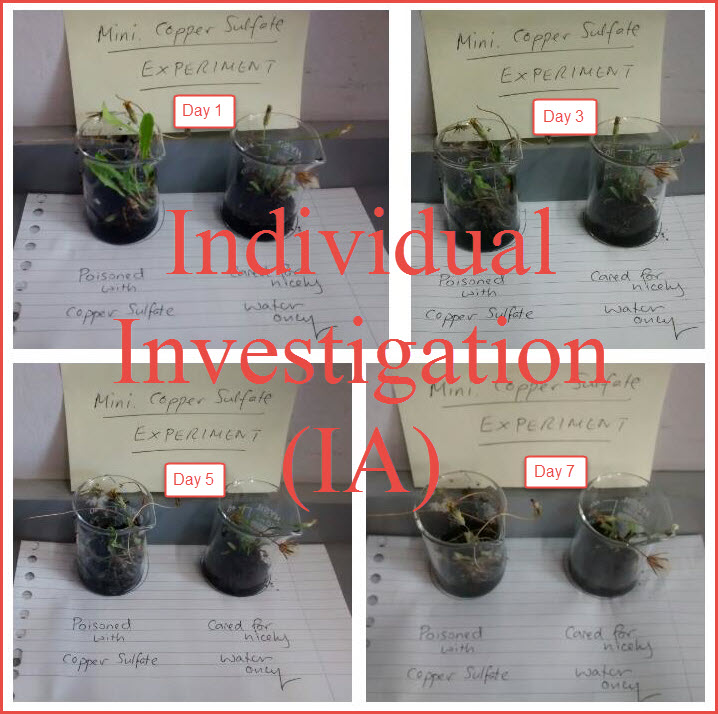
                                            <p class="text-body mb-0 mb-lg-3"> The 2016 examiners' report has just been released on the OCC. Are there changes or new instructions for the Internal Assessment? This blog post sumarises the main points to save you time. Of course there...</p>
                                        <div class="clearfix">
                        <span class="text-muted fs-sm float-end">
                            30 September 2016
                        </span>
                    </div>
                </div>
            </div>
        </div>
    </a>
    <a href="/biology/page/21807/model-answers-further-genetics-qns-on-co-dominant-and-multiple-a" class="card text-body rounded-0 text-decoration-none" data-turbo-frame="_top" data-turbo="false">
        <div class="card-body">
            <div class="row align-items-start gx-3">
                <div class="col-4 col-lg-3">
                    <div class="rounded overflow-hidden hover-zoom hover-overlay">
        <img
            class="d-block w-100 height-150 object-cover"
            src="https://teacher-sites-storage.inthinking.net/subject/generic/6/02.jpg?v=1790338366"
            alt="Model answers - further genetics qns on co-dominant and multiple alleles."
        >
    </div>

                </div>
                <div class="col-8 col-lg-9">
                                            <h6 class="text-accent">
                            ATL in Biology
                        </h6>
                                        <h5 class="fw-semibold text-primary mb-2 d-flex gap-1 align-items-end">
                        Model answers - further genetics qns on co-dominant and multiple alleles.
                                    

                    </h5>
                                            <p class="text-body mb-0 mb-lg-3"> Model answers for the activity on the worksheet below. Further genetics questions on co-dominant and multiple alleles  can be found on this page.  See the pdf file below. Model answers - further genetics...</p>
                                        <div class="clearfix">
                        <span class="text-muted fs-sm float-end">
                            24 September 2016
                        </span>
                    </div>
                </div>
            </div>
        </div>
    </a>
    <a href="/biology/page/21806/model-answers-co-dominance-multiple-alleles" class="card text-body rounded-0 text-decoration-none" data-turbo-frame="_top" data-turbo="false">
        <div class="card-body">
            <div class="row align-items-start gx-3">
                <div class="col-4 col-lg-3">
                    <div class="rounded overflow-hidden hover-zoom hover-overlay">
        <img
            class="d-block w-100 height-150 object-cover"
            src="https://teacher-sites-storage.inthinking.net/subject/generic/6/03.jpg?v=1790338366"
            alt="Model answers: Co-dominance &amp; Multiple Alleles"
        >
    </div>

                </div>
                <div class="col-8 col-lg-9">
                                            <h6 class="text-accent">
                            ATL in Biology
                        </h6>
                                        <h5 class="fw-semibold text-primary mb-2 d-flex gap-1 align-items-end">
                        Model answers: Co-dominance & Multiple Alleles
                                    

                    </h5>
                                            <p class="text-body mb-0 mb-lg-3"> How many different alleles are there in the six genotypes?     Three Which are the alleles in human blood groups which show co-dominance?      IA and IB Suppose that Adam was heterozygous for blood group...</p>
                                        <div class="clearfix">
                        <span class="text-muted fs-sm float-end">
                            24 September 2016
                        </span>
                    </div>
                </div>
            </div>
        </div>
    </a>
    <a href="/biology/page/18749/multiple-choice-sex-linkage-questions-model-answers" class="card text-body rounded-0 text-decoration-none" data-turbo-frame="_top" data-turbo="false">
        <div class="card-body">
            <div class="row align-items-start gx-3">
                <div class="col-4 col-lg-3">
                    <div class="rounded overflow-hidden hover-zoom hover-overlay">
        <img
            class="d-block w-100 height-150 object-cover"
            src="https://teacher-sites-storage.inthinking.net/subject/generic/6/04.jpg?v=1790338366"
            alt="Multiple choice sex linkage questions model answers"
        >
    </div>

                </div>
                <div class="col-8 col-lg-9">
                                            <h6 class="text-accent">
                            ATL in Biology
                        </h6>
                                        <h5 class="fw-semibold text-primary mb-2 d-flex gap-1 align-items-end">
                        Multiple choice sex linkage questions model answers
                                    

                    </h5>
                                            <p class="text-body mb-0 mb-lg-3"> Model answers for the genetics questions - note the slight clarifications. Model answers to genetics questions...</p>
                                        <div class="clearfix">
                        <span class="text-muted fs-sm float-end">
                            24 September 2016
                        </span>
                    </div>
                </div>
            </div>
        </div>
    </a>
    <a href="/biology/page/20708/carbon-dioxide-and-bohr-shift" class="card text-body rounded-0 text-decoration-none" data-turbo-frame="_top" data-turbo="false">
        <div class="card-body">
            <div class="row align-items-start gx-3">
                <div class="col-4 col-lg-3">
                    <div class="rounded overflow-hidden hover-zoom hover-overlay">
        <img
            class="d-block w-100 height-150 object-cover"
            src="https://teacher-sites-storage.inthinking.net/ib/biology/images/flickr_cc_commercial_ok/options/d/blood_oximeter.jpg"
            alt="Carbon dioxide and Bohr shift"
        >
    </div>

                </div>
                <div class="col-8 col-lg-9">
                                            <h6 class="text-accent">
                            ATL in Biology
                        </h6>
                                        <h5 class="fw-semibold text-primary mb-2 d-flex gap-1 align-items-end">
                        Carbon dioxide and Bohr shift
                                    

                    </h5>
                                            <p class="text-body mb-0 mb-lg-3"> These lesson activities give students an understanding of the different methods of transporting carbon dioxide in the blood, the role of hemoglobin, the enzyme carbonic anhydrase and the Bohr shift. A...</p>
                                        <div class="clearfix">
                        <span class="text-muted fs-sm float-end">
                            18 September 2016
                        </span>
                    </div>
                </div>
            </div>
        </div>
    </a>
    <a href="/biology/page/20206/respiratory-gases-planning-sheet-hl-d6" class="card text-body rounded-0 text-decoration-none" data-turbo-frame="_top" data-turbo="false">
        <div class="card-body">
            <div class="row align-items-start gx-3">
                <div class="col-4 col-lg-3">
                    <div class="rounded overflow-hidden hover-zoom hover-overlay">
        <img
            class="d-block w-100 height-150 object-cover"
            src="https://teacher-sites-storage.inthinking.net/ib/biology/images/flickr_cc_commercial_ok/options/d/oxygen_dissociation_curve_smaller.jpg"
            alt="Respiratory gases - planning sheet HL D.6"
        >
    </div>

                </div>
                <div class="col-8 col-lg-9">
                                            <h6 class="text-accent">
                            ATL in Biology
                        </h6>
                                        <h5 class="fw-semibold text-primary mb-2 d-flex gap-1 align-items-end">
                        Respiratory gases - planning sheet HL D.6
                                    

                    </h5>
                                            <p class="text-body mb-0 mb-lg-3"> Planning sheet for D.6 Transport of respiratory gases Understanding(s): Oxygen dissociation curves Carbon dioxide and bohr shift Essential Question(s) TOK / Nature of Science / IM Skills students will...</p>
                                        <div class="clearfix">
                        <span class="text-muted fs-sm float-end">
                            18 September 2016
                        </span>
                    </div>
                </div>
            </div>
        </div>
    </a>
    <a href="/biology/page/21711/altitude-co2-transport-ib-style-questions-model-answers" class="card text-body rounded-0 text-decoration-none" data-turbo-frame="_top" data-turbo="false">
        <div class="card-body">
            <div class="row align-items-start gx-3">
                <div class="col-4 col-lg-3">
                    <div class="rounded overflow-hidden hover-zoom hover-overlay">
        <img
            class="d-block w-100 height-150 object-cover"
            src="https://teacher-sites-storage.inthinking.net/subject/generic/6/01.jpg?v=1790338366"
            alt="Altitude &amp; CO2 transport IB style questions - model answers"
        >
    </div>

                </div>
                <div class="col-8 col-lg-9">
                                            <h6 class="text-accent">
                            ATL in Biology
                        </h6>
                                        <h5 class="fw-semibold text-primary mb-2 d-flex gap-1 align-items-end">
                        Altitude & CO2 transport IB style questions - model answers
                                    

                    </h5>
                                            <p class="text-body mb-0 mb-lg-3"> 1) Why is it useful to record the age and weight of the subjects? This information will help to control the possible effects of age and weight on the experimental variables. 2) Identify the altitude with...</p>
                                        <div class="clearfix">
                        <span class="text-muted fs-sm float-end">
                            18 September 2016
                        </span>
                    </div>
                </div>
            </div>
        </div>
    </a>
    <a href="/biology/page/20732/oxygen-dissociation-curves" class="card text-body rounded-0 text-decoration-none" data-turbo-frame="_top" data-turbo="false">
        <div class="card-body">
            <div class="row align-items-start gx-3">
                <div class="col-4 col-lg-3">
                    <div class="rounded overflow-hidden hover-zoom hover-overlay">
        <img
            class="d-block w-100 height-150 object-cover"
            src="https://teacher-sites-storage.inthinking.net/ib/biology/images/flickr_cc_commercial_ok/options/d/oxygen_dissociation_curve_smaller.jpg"
            alt="Oxygen dissociation curves"
        >
    </div>

                </div>
                <div class="col-8 col-lg-9">
                                            <h6 class="text-accent">
                            ATL in Biology
                        </h6>
                                        <h5 class="fw-semibold text-primary mb-2 d-flex gap-1 align-items-end">
                        Oxygen dissociation curves
                                    

                    </h5>
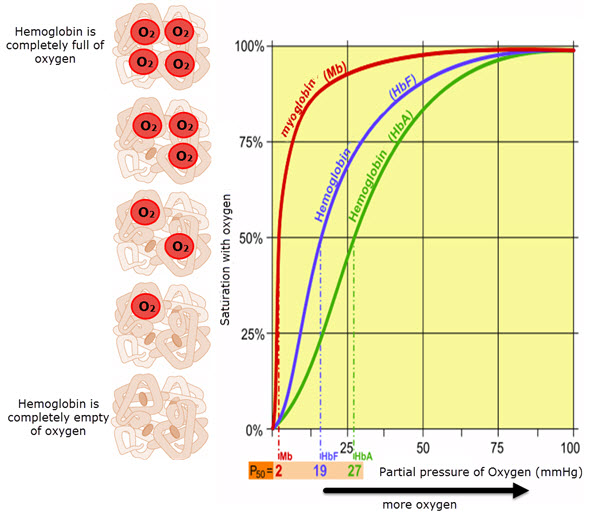
                                            <p class="text-body mb-0 mb-lg-3"> Oxygen dissociation curves show the affinity of hemoglobin for oxygen but they are not easy to understand. This activity provides resources for students to become familiar with partial pressures of oxygen...</p>
                                        <div class="clearfix">
                        <span class="text-muted fs-sm float-end">
                            13 September 2016
                        </span>
                    </div>
                </div>
            </div>
        </div>
    </a>
    <a href="/biology/page/21635/enzymes-worksheet-model-answers" class="card text-body rounded-0 text-decoration-none" data-turbo-frame="_top" data-turbo="false">
        <div class="card-body">
            <div class="row align-items-start gx-3">
                <div class="col-4 col-lg-3">
                    <div class="rounded overflow-hidden hover-zoom hover-overlay">
        <img
            class="d-block w-100 height-150 object-cover"
            src="https://teacher-sites-storage.inthinking.net/ib/biology/images/flickr_cc_commercial_ok/02_biochem/enzyme_substrate_image.jpg"
            alt="Enzymes worksheet model answers"
        >
    </div>

                </div>
                <div class="col-8 col-lg-9">
                                            <h6 class="text-accent">
                            ATL in Biology
                        </h6>
                                        <h5 class="fw-semibold text-primary mb-2 d-flex gap-1 align-items-end">
                        Enzymes worksheet model answers
                                    

                    </h5>
                                            <p class="text-body mb-0 mb-lg-3"> Questions 1. What is an enzyme? Enzymes are proteins which work as biological catalysts.  2. Define the active site? Site of an enzyme to which specific substrates bind ……………………………………………………………………………………………………………………………………………………………....</p>
                                        <div class="clearfix">
                        <span class="text-muted fs-sm float-end">
                            06 September 2016
                        </span>
                    </div>
                </div>
            </div>
        </div>
    </a>
    <a href="/biology/page/21525/sensory-receptors-and-smell" class="card text-body rounded-0 text-decoration-none" data-turbo-frame="_top" data-turbo="false">
        <div class="card-body">
            <div class="row align-items-start gx-3">
                <div class="col-4 col-lg-3">
                    <div class="rounded overflow-hidden hover-zoom hover-overlay">
        <img
            class="d-block w-100 height-150 object-cover"
            src="https://teacher-sites-storage.inthinking.net/ib/biology/images/flickr_cc_commercial_ok/options/a/olfactory_epithelium.jpg"
            alt="Sensory receptors and smell"
        >
    </div>

                </div>
                <div class="col-8 col-lg-9">
                                            <h6 class="text-accent">
                            ATL in Biology
                        </h6>
                                        <h5 class="fw-semibold text-primary mb-2 d-flex gap-1 align-items-end">
                        Sensory receptors and smell
                                    

                    </h5>
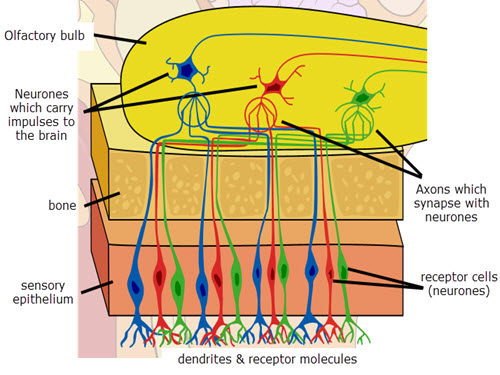
                                            <p class="text-body mb-0 mb-lg-3"> In this activity students look first at the way that the sense of smell connects to the brain and how these impulses from the olfactory membrane can provoke strong emotional memories. In a second activity...</p>
                                        <div class="clearfix">
                        <span class="text-muted fs-sm float-end">
                            04 September 2016
                        </span>
                    </div>
                </div>
            </div>
        </div>
    </a>


    </template>
</turbo-stream>

    <turbo-stream action="update" target="load-more">
        <template>
            <div class="d-flex justify-content-center my-3">
    <a href="/biology/latest-updates?page=143" class="btn btn-secondary loader">
        <i class="fa-regular fa-circle-plus"></i>
        Load more
    </a>
    <div class="spinner-border load-more text-primary" role="status">
        <span class="visually-hidden">Loading...</span>
    </div>
</div>

        </template>
    </turbo-stream>