<turbo-stream action="append" target="section-items">
    <template>
            <a href="/biology/blog/13981/improbably-funny" class="card text-body rounded-0 text-decoration-none" data-turbo-frame="_top" data-turbo="false">
        <div class="card-body">
            <div class="row align-items-start gx-3">
                <div class="col-4 col-lg-3">
                    <div class="rounded overflow-hidden hover-zoom hover-overlay">
        <img
            class="d-block w-100 height-150 object-cover"
            src="https://teacher-sites-storage.inthinking.net/ib/biology/images/blog_images/this-is-improbable-9781851689316_0[1].jpg"
            alt="Improbably funny"
        >
    </div>

                </div>
                <div class="col-8 col-lg-9">
                                        <h5 class="fw-semibold text-primary mb-2 d-flex gap-1 align-items-end">
                        Improbably funny
                                    

                    </h5>
                                            <p class="text-body mb-0 mb-lg-3"> I have been telling a joke about inviting mushrooms to parties in Biology lessons for nearly 20 years. Last week I think I've discovered a cure in the form of a festival of Scientific achievements that...</p>
                                        <div class="clearfix">
                        <span class="text-muted fs-sm float-end">
                            04 October 2012
                        </span>
                    </div>
                </div>
            </div>
        </div>
    </a>
    <a href="/biology/blog/13880/gmo-omg" class="card text-body rounded-0 text-decoration-none" data-turbo-frame="_top" data-turbo="false">
        <div class="card-body">
            <div class="row align-items-start gx-3">
                <div class="col-4 col-lg-3">
                    <div class="rounded overflow-hidden hover-zoom hover-overlay">
        <img
            class="d-block w-100 height-150 object-cover"
            src="https://teacher-sites-storage.inthinking.net/ib/biology/images/Maize tomwsulcer wikimedia 23Sept2012.jpg"
            alt="GMO? OMG!"
        >
    </div>

                </div>
                <div class="col-8 col-lg-9">
                                        <h5 class="fw-semibold text-primary mb-2 d-flex gap-1 align-items-end">
                        GMO? OMG!
                                    

                    </h5>
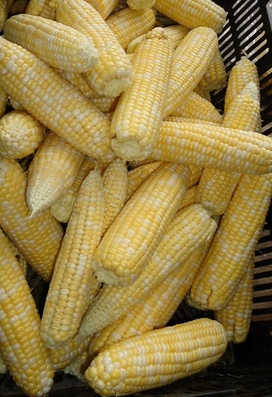
                                            <p class="text-body mb-0 mb-lg-3"> The French study about tumour growth as a result of a diet of GMO maize ( or corn) as well as consuming various levels of ther herbicide Roundup® versus a control group that was fed non GMO maize has...</p>
                                        <div class="clearfix">
                        <span class="text-muted fs-sm float-end">
                            23 September 2012
                        </span>
                    </div>
                </div>
            </div>
        </div>
    </a>
    <a href="/biology/blog/13823/floating-discs" class="card text-body rounded-0 text-decoration-none" data-turbo-frame="_top" data-turbo="false">
        <div class="card-body">
            <div class="row align-items-start gx-3">
                <div class="col-4 col-lg-3">
                    <div class="rounded overflow-hidden hover-zoom hover-overlay">
        <img
            class="d-block w-100 height-150 object-cover"
            src="https://teacher-sites-storage.inthinking.net/ib/biology/images/floating discs.JPG"
            alt="Floating Discs"
        >
    </div>

                </div>
                <div class="col-8 col-lg-9">
                                        <h5 class="fw-semibold text-primary mb-2 d-flex gap-1 align-items-end">
                        Floating Discs
                                    

                    </h5>
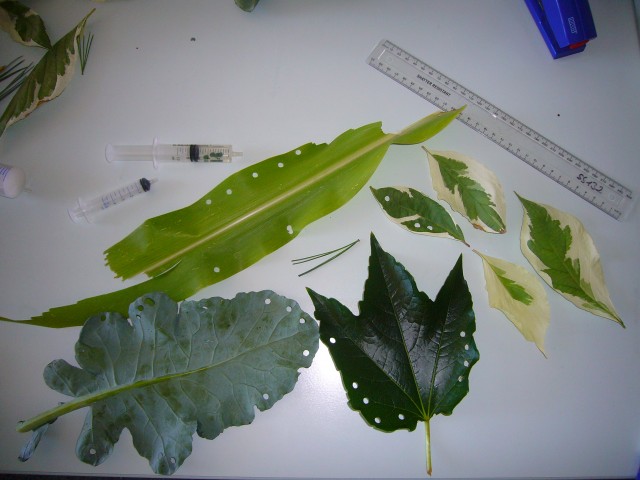
                                            <p class="text-body mb-0 mb-lg-3">   Just before all the leaves die, I am teaching the topic of photosynthesis now.  I wanted to expose my students to the various ways of measuring the rate of photosynthesis before they write a Design...</p>
                                        <div class="clearfix">
                        <span class="text-muted fs-sm float-end">
                            22 September 2012
                        </span>
                    </div>
                </div>
            </div>
        </div>
    </a>
    <a href="/biology/blog/13820/the-first-successful-cloning-of-an-extinct-species-since-jurassi" class="card text-body rounded-0 text-decoration-none" data-turbo-frame="_top" data-turbo="false">
        <div class="card-body">
            <div class="row align-items-start gx-3">
                <div class="col-4 col-lg-3">
                    <div class="rounded overflow-hidden hover-zoom hover-overlay">
        <img
            class="d-block w-100 height-150 object-cover"
            src="https://teacher-sites-storage.inthinking.net/ib/biology/images/blog_images/ibex.jpg"
            alt="The first successful cloning of an extinct species since Jurassic Park"
        >
    </div>

                </div>
                <div class="col-8 col-lg-9">
                                        <h5 class="fw-semibold text-primary mb-2 d-flex gap-1 align-items-end">
                        The first successful cloning of an extinct species since Jurassic Park
                                    

                    </h5>
                                            <p class="text-body mb-0 mb-lg-3"> I stumbled on this great story while teaching the Ecology option G this year. A very good example of a recent extinction, it provides an opportunity to revise some genetics and catches the students imagination...</p>
                                        <div class="clearfix">
                        <span class="text-muted fs-sm float-end">
                            14 September 2012
                        </span>
                    </div>
                </div>
            </div>
        </div>
    </a>
    <a href="/biology/blog/13782/taking-from-nature" class="card text-body rounded-0 text-decoration-none" data-turbo-frame="_top" data-turbo="false">
        <div class="card-body">
            <div class="row align-items-start gx-3">
                <div class="col-4 col-lg-3">
                    <div class="rounded overflow-hidden hover-zoom hover-overlay">
        <img
            class="d-block w-100 height-150 object-cover"
            src="https://teacher-sites-storage.inthinking.net/ib/biology/images/leaf%2C Jon Sullivan%2C wikimedia%2C 5 Sept2012.jpg"
            alt="Taking from nature"
        >
    </div>

                </div>
                <div class="col-8 col-lg-9">
                                        <h5 class="fw-semibold text-primary mb-2 d-flex gap-1 align-items-end">
                        Taking from nature
                                    

                    </h5>
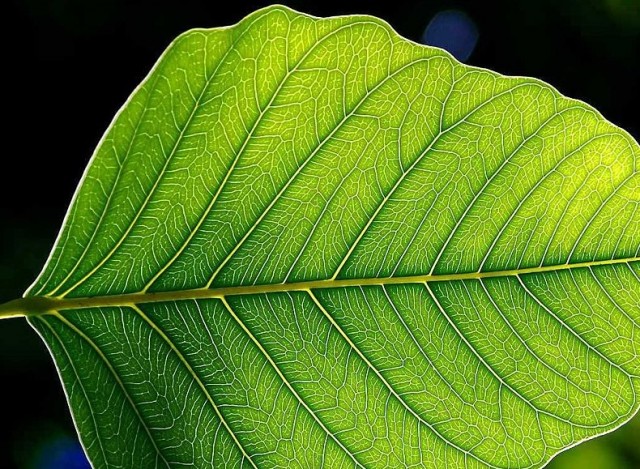
                                            <p class="text-body mb-0 mb-lg-3"> Using the proteins of Photosystem I from chloroplasts has become another way to make solar cells for electricity production.  Scientists at Vanderbilt University have published their results showing how...</p>
                                        <div class="clearfix">
                        <span class="text-muted fs-sm float-end">
                            05 September 2012
                        </span>
                    </div>
                </div>
            </div>
        </div>
    </a>
    <a href="/biology/blog/13781/my-first-biology-lesson" class="card text-body rounded-0 text-decoration-none" data-turbo-frame="_top" data-turbo="false">
        <div class="card-body">
            <div class="row align-items-start gx-3">
                <div class="col-4 col-lg-3">
                    <div class="rounded overflow-hidden hover-zoom hover-overlay">
        <img
            class="d-block w-100 height-150 object-cover"
            src="https://teacher-sites-storage.inthinking.net/ib/biology/images/blog_images/lab_aquarium_shark.jpg"
            alt="My first Biology lesson"
        >
    </div>

                </div>
                <div class="col-8 col-lg-9">
                                        <h5 class="fw-semibold text-primary mb-2 d-flex gap-1 align-items-end">
                        My first Biology lesson
                                    

                    </h5>
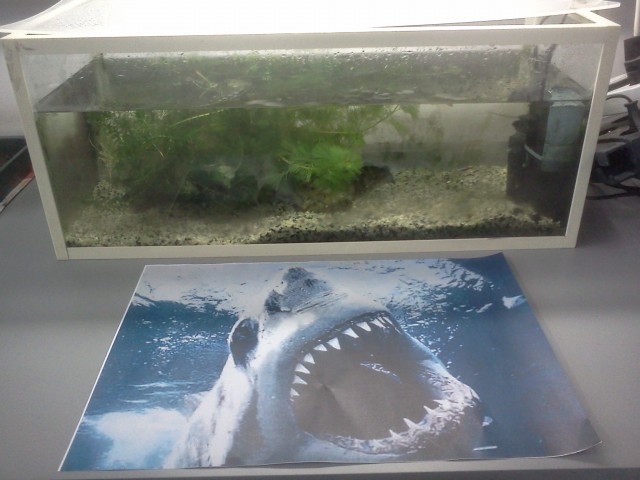
                                            <p class="text-body mb-0 mb-lg-3"> At the start of the year I want  my students to discover what a great subject Biology is and there is no time to waste in an IB course with such a lot of content.  I usually start the year with a microscope...</p>
                                        <div class="clearfix">
                        <span class="text-muted fs-sm float-end">
                            29 August 2012
                        </span>
                    </div>
                </div>
            </div>
        </div>
    </a>
    <a href="/biology/blog/11465/endosymbiosis-biology-research-for-ib-classrooms" class="card text-body rounded-0 text-decoration-none" data-turbo-frame="_top" data-turbo="false">
        <div class="card-body">
            <div class="row align-items-start gx-3">
                <div class="col-4 col-lg-3">
                    <div class="rounded overflow-hidden hover-zoom hover-overlay">
        <img
            class="d-block w-100 height-150 object-cover"
            src="https://teacher-sites-storage.inthinking.net/ib/biology/images/Red_tide.jpg"
            alt="Endosymbiosis: Biology research for IB classrooms"
        >
    </div>

                </div>
                <div class="col-8 col-lg-9">
                                        <h5 class="fw-semibold text-primary mb-2 d-flex gap-1 align-items-end">
                        Endosymbiosis: Biology research for IB classrooms
                                    

                    </h5>
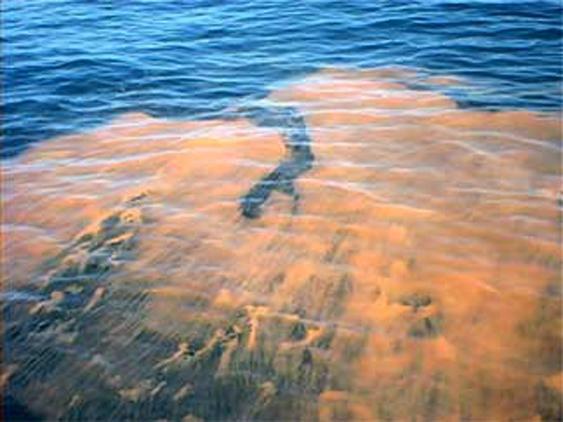
                                            <p class="text-body mb-0 mb-lg-3"> In a recent article New Scientist magazine exposes a fascinating organism which is difficult to classify.  What's more exciting to scientists is that it looks like a living example of endosymbiosis, the...</p>
                                        <div class="clearfix">
                        <span class="text-muted fs-sm float-end">
                            14 August 2012
                        </span>
                    </div>
                </div>
            </div>
        </div>
    </a>
    <a href="/biology/blog/11601/scientific-process" class="card text-body rounded-0 text-decoration-none" data-turbo-frame="_top" data-turbo="false">
        <div class="card-body">
            <div class="row align-items-start gx-3">
                <div class="col-4 col-lg-3">
                    <div class="rounded overflow-hidden hover-zoom hover-overlay">
        <img
            class="d-block w-100 height-150 object-cover"
            src="https://teacher-sites-storage.inthinking.net/ib/biology/images/periodic table, wikicommons, 15 Feb 2012.jpg"
            alt="Scientific process"
        >
    </div>

                </div>
                <div class="col-8 col-lg-9">
                                        <h5 class="fw-semibold text-primary mb-2 d-flex gap-1 align-items-end">
                        Scientific process
                                    

                    </h5>
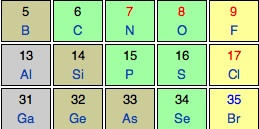
                                            <p class="text-body mb-0 mb-lg-3"> Just over a year ago, I wrote a blog "Arsenic based life forms?" a study was published suggesting that a bacterium could be using arsenic instead of phosphorus in building its DNA and other molecules....</p>
                                        <div class="clearfix">
                        <span class="text-muted fs-sm float-end">
                            23 June 2012
                        </span>
                    </div>
                </div>
            </div>
        </div>
    </a>
    <a href="/biology/blog/11618/convergent-evolution-losing-the-eye" class="card text-body rounded-0 text-decoration-none" data-turbo-frame="_top" data-turbo="false">
        <div class="card-body">
            <div class="row align-items-start gx-3">
                <div class="col-4 col-lg-3">
                    <div class="rounded overflow-hidden hover-zoom hover-overlay">
        <img
            class="d-block w-100 height-150 object-cover"
            src="https://teacher-sites-storage.inthinking.net/ib/biology/images/Blind cave fish, H Zell, commons.wikimedia.org File-Astyanax_mexicanus_01.jpg26 Jan 2012.jpg"
            alt="Convergent evolution- losing the eye"
        >
    </div>

                </div>
                <div class="col-8 col-lg-9">
                                        <h5 class="fw-semibold text-primary mb-2 d-flex gap-1 align-items-end">
                        Convergent evolution- losing the eye
                                    

                    </h5>
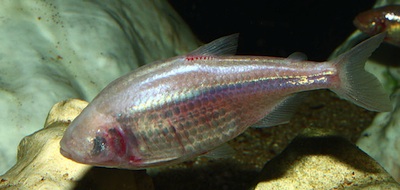
                                            <p class="text-body mb-0 mb-lg-3"> A recent study from biologists at New York University about evolution of cave adaptations in cave fish suggests that the loss of eyes and pigmentation has occurred frequently and repeatedly as new populations...</p>
                                        <div class="clearfix">
                        <span class="text-muted fs-sm float-end">
                            26 May 2012
                        </span>
                    </div>
                </div>
            </div>
        </div>
    </a>
    <a href="/biology/blog/11075/ethics-of-conservation" class="card text-body rounded-0 text-decoration-none" data-turbo-frame="_top" data-turbo="false">
        <div class="card-body">
            <div class="row align-items-start gx-3">
                <div class="col-4 col-lg-3">
                    <div class="rounded overflow-hidden hover-zoom hover-overlay">
        <img
            class="d-block w-100 height-150 object-cover"
            src="https://teacher-sites-storage.inthinking.net/ib/biology/images/javan rhino, RRC,http-:commons.wikimedia.org:wiki:File-Java-1934_-2.jpg 13 nov 2011.jpg"
            alt="Ethics of conservation"
        >
    </div>

                </div>
                <div class="col-8 col-lg-9">
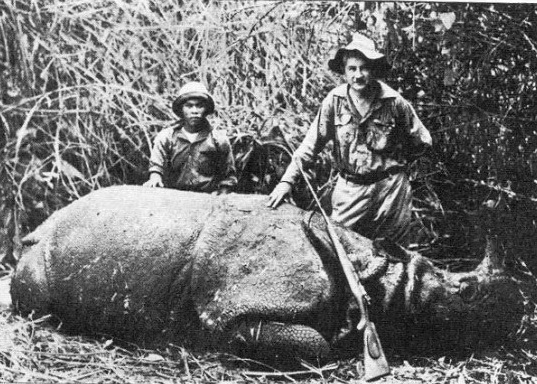
                                        <h5 class="fw-semibold text-primary mb-2 d-flex gap-1 align-items-end">
                        Ethics of conservation
                                    

                    </h5>
                                            <p class="text-body mb-0 mb-lg-3"> Is there any justification for allowing some species go extinct and not try to prevent their disappearance forever?  A recent article in the New Scientist provides a glimpse at the arguments being proposed...</p>
                                        <div class="clearfix">
                        <span class="text-muted fs-sm float-end">
                            17 March 2012
                        </span>
                    </div>
                </div>
            </div>
        </div>
    </a>


    </template>
</turbo-stream>

    <turbo-stream action="update" target="load-more">
        <template>
            <div class="d-flex justify-content-center my-3">
    <a href="/biology/blog?page=11" class="btn btn-secondary loader">
        <i class="fa-regular fa-circle-plus"></i>
        Load more
    </a>
    <div class="spinner-border load-more text-primary" role="status">
        <span class="visually-hidden">Loading...</span>
    </div>
</div>

        </template>
    </turbo-stream>